 Vorschau anzeigen
 Versenden
 Teilen
 Details anzeigen

 Herunterladen
 Ähnliche Objekte
 Röntgenaufnahme
 Diashow
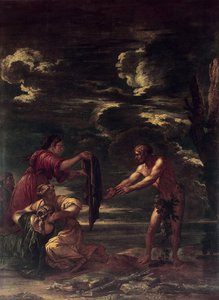
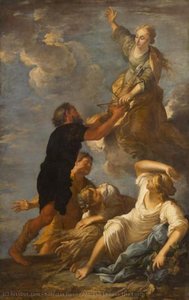
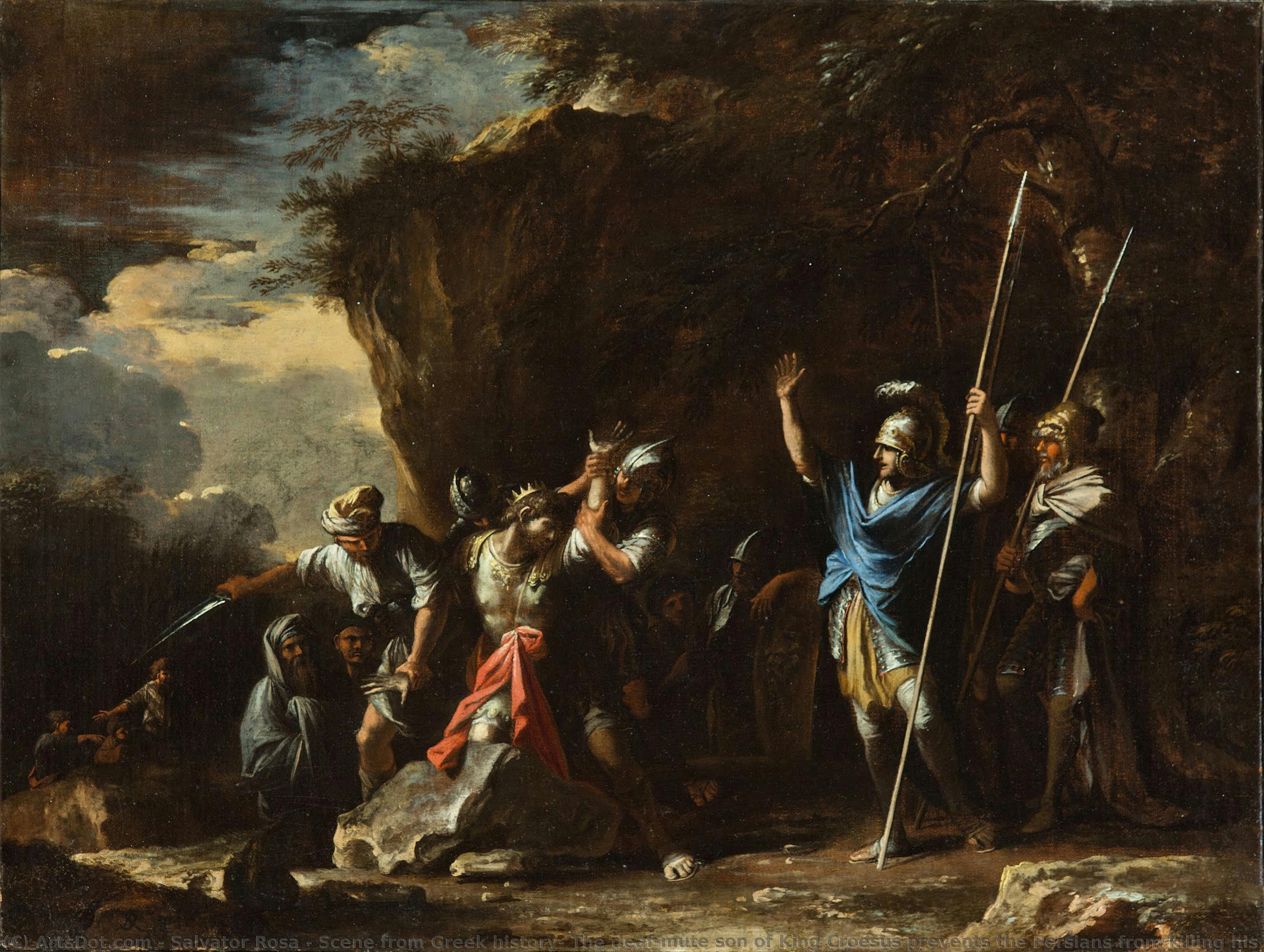
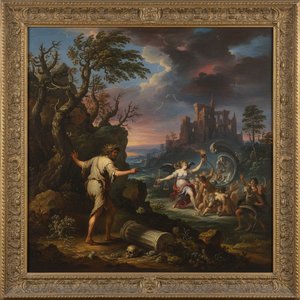
Scene from Greek history: The deaf-mute son of King Croesus prevents the Persians from killing his father
 Oil On Canvas
- WallArt
- Baroque
 1663
1663- Early Modern
 97.0 x 73.0 cm
 Art Galerie von Südaustralien
 Weiterlesen
Handgefertigte Ölreproduktion
Handgemaltes Ölgemälde auf Leinwand in Ihrer Wunschgröße und mit Rahmen, auf Bestellung von unseren Künstlern angefertigt. ( Druck bestellen Bild kaufen)




P118B $10

P118H $10

P118W $10

P438Z $10

P508JH $12

P508YH $12

P805H $10

P805Z $10

P919BZ $10

P919G $10

P919XJ $10

P959ZH $10

P968JZ $12

W106C $8

W218G $10

W218JH $8

W218Y $10

W307PJ $10

W316G $10

W316PJ $8

W316Y $10

W398PJ $8

W4111J $10

W500HY $15

W500JH $15

W692G $12

W849H $8

W940BG $15

W953PJ $8




Wählen Sie aus unseren vordefinierten Formaten, die den ursprünglichen Proportionen des Kunstwerks entsprechen.

Sie können Ihre eigenen Maße eingeben, um einen bestimmten Rahmen oder Platz auszufüllen. Wenn die gewählte Größe nicht den Proportionen des Originalbildes entspricht, werden wir das Kunstwerk entweder beschneiden oder das Gemälde durch zusätzliche, handgemalte Elemente erweitern. Ein digitales Mockup wird Ihnen zur Genehmigung zugesandt, bevor die Produktion beginnt.
Bitte beachten Sie, dass die Bildschirmvorschau nicht die tatsächliche Beschneidung oder Erweiterung widerspiegelt. Nur das Mockup zeigt die endgültige Komposition exakt an.
Obwohl Sondermaße verfügbar sind, empfehlen wir, eine Größe aus der vordefinierten Liste zu wählen, um die ursprünglichen Proportionen beizubehalten.
Nach der Bestellung wird das ArtsDot.com-Team dem Kunden Anweisungen per E-Mail zusenden und eine Mockup-Vorschau bereitstellen.
Weltweiter Versand () in nur 3 bis 4 Wochen statt der üblichen 5 Wochen. (26 August). Keine Kompromisse bei der Qualität.

Kostenloser weltweiter Expressversand

Hochwertige Leinenleinwand

Umfassender Versicherungsschutz beim Versand

Zollgebühren-Rückerstattungsgarantie

Garantie für exakte Farbtreue

60 Tage Rückgaberecht (nur bei Mängeln)

100% Geld-zurück-Garantie

Mengenrabatt verfügbar
 Die Glasoption ist nur für Größen unter 110 cm verfügbar.

Scene from Greek history: The deaf-mute son of King Croesus prevents the Persians from killing his father
Art der Reproduktion
Format der Reproduktion
-


Gesamtpreis
$ 388
Beschreibung des Kunstwerks
A Cinematic Encounter with Baroque Drama
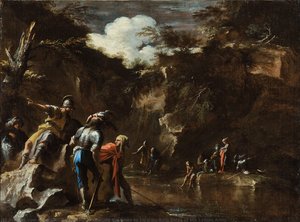
In the heart of a jagged, primordial landscape, Salvator Rosa captures a moment of breathless tension that feels less like a static painting and more like a frozen frame from a grand cinematic epic. "Scene from Greek history: The deaf-mute son of King Croesus prevents the Persians from killing his father" is a masterclass in the Baroque aesthetic, pulling the viewer into a world where survival hangs by a single, desperate thread. The scene, likely inspired by the legendary tales found within Homer’s Iliad, presents us with a visceral struggle for life amidst the shadows of antiquity. As we gaze upon the rugged terrain and the frantic movement of the figures, we are not merely observers; we are witnesses to a profound act of familial devotion and heroic defiance.
The composition is anchored by a central figure whose commanding presence radiates an almost electric urgency. With one hand raised aloft, he acts as a human barrier against the encroaching tide of violence, his gesture cutting through the chaos of the surrounding skirmish. Around him, the canvas teems with life and conflict: men clash with spears and shields, while others watch with eyes wide in apprehension or intensity. Rosa utilizes strong, directional lines—the sharp tilt of a weapon, the dramatic drape of a tunic, the jagged edge of a stone—to guide our eyes through this whirlwind of action, ensuring that the emotional momentum never falters.
The Mastery of Light and Shadow
Technically, this 1663 masterpiece showcases Rosa’s unparalleled ability to manipulate the chiaroscuro technique to evoke psychological depth. The lighting is profoundly dramatic, characterized by stark contrasts that carve figures out of the surrounding gloom. Deep, cavernous shadows retreat into the crevices of the rocky landscape, creating a sense of immense, suffocating space, while sudden bursts of light illuminate the musculature and facial expressions of the protagonists. This interplay of light and dark does more than provide three-dimensionality; it mirrors the internal turmoil of the characters, reflecting the struggle between life and death, and order and chaos.
The texture of the work is equally captivating. Through meticulous oil painting on canvas, Rosa achieves a rich, layered effect that suggests the grit of the earth and the cold hardness of stone. His brushwork is both precise in rendering the fine details of armor and fluid enough to capture the kinetic energy of a battlefield. For the discerning collector or interior designer, this tactile quality offers a profound sense of luxury and historical weight, making it an ideal centerpiece for spaces that demand a sense of gravitas and intellectual intrigue.
Symbolism and Eternal Resonance
Beyond its surface-level spectacle, the painting serves as a powerful allegory for the human condition. The deaf-mute son, unable to use words to plead for mercy, must rely on the raw power of physical presence and symbolic gesture. This element introduces a poignant layer of symbolism regarding the limits of communication and the universality of sacrifice. In an era of political instability and religious upheaval, such themes of leadership, resistance against overwhelming odds, and the preservation of legacy would have resonated deeply with 17th-century audiences—and they continue to resonate with us today.
For those looking to adorn a curated collection or a sophisticated living space, this reproduction offers more than just visual beauty. It brings into a room a piece of history that speaks of resilience and the indomitable spirit. Whether placed in a library, a formal study, or a contemporary gallery setting, Rosa’s work provides an enduring focal point that invites contemplation, sparking conversations about the legends of the past and the timeless emotions that bind us all.
Ähnliche Kunstwerke
Über den Künstler
Frühes Leben und Ausbildung
Salvator Rosa, ein italienischer Barockmaler, Dichter und Grafiker, wurde am 20. Juni oder 21. Juli 1615 in Arenella, Neapel, geboren. Seine Mutter, Giulia Greca Rosa, entstammte einer griechischen Familie aus Sizilien. Trotz seines Vaters Wunsches, dass er Jurist oder Priester wird, zeigte Salvator schon früh eine Vorliebe für die Künste.Künstlerische Karriere
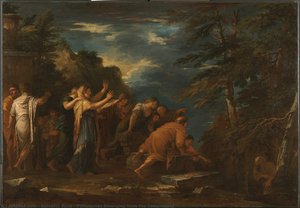
Salvators künstlerische Karriere war geprägt von seinem unkonventionellen und extravaganten Stil, der ihn von seinen Zeitgenossen abhob. Er war in Neapel, Rom und Florenz tätig und seine Arbeit wurde sowohl vom Naturalismus des Ribera als auch vom Klassizismus des Poussin beeinflusst. Dennoch weigerte er sich, sich an einen bestimmten Stil oder eine bestimmte Bewegung zu binden.- Pythagoras, der aus der Unterwelt hervorkommt (Kimbell Art Museum, Fort Worth, USA), eines seiner berühmtesten Werke, zeigt seine einzigartige Mischung aus philosophischen und künstlerischen Themen.
- Seine Taufe des Eunuchen (Chrysler Museum of Art, Norfolk, USA) demonstriert seine Fähigkeit, selbst in kleinere biblische Geschichten dramatische Elemente einzufügen.
Einflüsse und Vermächtnis
Salvators Werk hatte einen bedeutenden Einfluss auf die Entwicklung der Barockkunst. Sein Einfluss ist in den Werken späterer Künstler wie Luca Giordano zu erkennen, der die Grenzen künstlerischen Ausdrucks weiter verschob. Wichtige Links: Salvator Rosas Profil auf ArtsDot Wikipedia: Salvator Rosa Pythagoras, der aus der Unterwelt hervorkommt auf ArtsDotEntwicklung und Bedeutung
Salvator Rosa war ein Rebell gegen die Konventionen seiner Zeit. Seine Landschaften waren oft wild und ungezähmt, seine Figuren dramatisch dargestellt und seine Kompositionen dynamisch. Er schuf Werke, die sowohl religiöse als auch mythologische Themen behandelten, aber immer mit einer persönlichen Note der Rebellion und des Zweifelhaften. Er war ein Pionier in der Darstellung von Landschaften als eigenständige Elemente seiner Gemälde, nicht nur als Kulisse für Figuren. Seine Arbeiten spiegeln oft eine pessimistische Weltsicht wider, die sich in düsteren Farben und dramatischen Szenarien manifestiert.Schlussfolgerung
Salvators Leben und Werk faszinieren Kunstliebhaber und Historiker gleichermaßen bis heute. Sein unkonventioneller Stil und seine ständige Rebellion gegen die Normen seiner Zeit haben seinen Platz in den Annalen der Barockkunst gefestigt. Als Maler, Dichter und Grafiker bleibt er eine enigmatische Figur, und seine Arbeit inspiriert weiterhin neue Generationen von Künstlern und Kunstenthusiasten.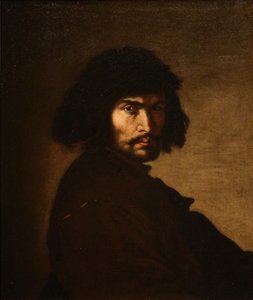
Salvator Rosa
1615 - 1673 , Italien
Kurzinfos
- Bemerkenswerte Kunstwerke:
- Pythagoras entsteigt der Unterwelt
- Die Taufe des Eunuchen
- Geburtsdatum: 20./21. Juni 1615
- Geburtsort (Stadt, Land): Arenella, Italien
- Künstler Oder Bewegungen, Die Von Diesem Künstler Beeinflusst Wurden: ['Luca Giordano']
- Künstler, Die Diesen Künstler Beeinflussten:
- Ribera
- Poussin
- Künstlerische Bewegung/Stil: Barockmalerei
- Nationalität: Italienisch
- Sterbedatum: 1673
- Vollständiger Name: Salvator Rosa
Ähnliche Artikel
Salvator Rosa: Visionen der Landschaft und die Allegorie des Barock
Entdecken Sie das faszinierende Werk von Salvator Rosa! Unsere Expertenanalyse beleuchtet Leben, Stil und die tiefgründigen Botschaften des Barockmalers. Jetzt lesen!

The Dramatic Flourish: Exploring the Baroque Movement's Enduring Legacy in Art History
Explore the dramatic world of Baroque art! Discover iconic artists like Caravaggio & Rubens, defining techniques, and its lasting impact on art history. Expert insights for collectors & enthusiasts at ArtsDot.

Barock Meisterwerke: Die 10 prägendsten Kunstwerke für Ihr Zuhause |
Entdecken Sie die 10 prägendsten Meisterwerke des Barock! Caravaggio, Rembrandt & Co. – Erfahren Sie die Geschichten hinter ikonischen Gemälde und finden Sie hochwertige Kunst Reproduktionen für Ihr Zuhause auf .

The Enduring Power of Painting: A Historical & Contemporary Exploration of Form and Emotion
Explore the rich history & enduring techniques of oil painting with ArtsDot. Discover masterpieces, learn about art collecting, and find authentic handmade reproductions crafted by skilled artists.

Baroque Classicism: Reconciling Drama & Order in 17th-Century Art
Explore the captivating world of Baroque Classicism! Discover its history, key artists like Caravaggio & Rubens, and defining characteristics. Expert insights & high-quality reproductions at ArtsDot.