 Vorschau anzeigen
 Versenden
 Teilen
 Details anzeigen

 Herunterladen
 Ähnliche Objekte
 Röntgenaufnahme
 Diashow
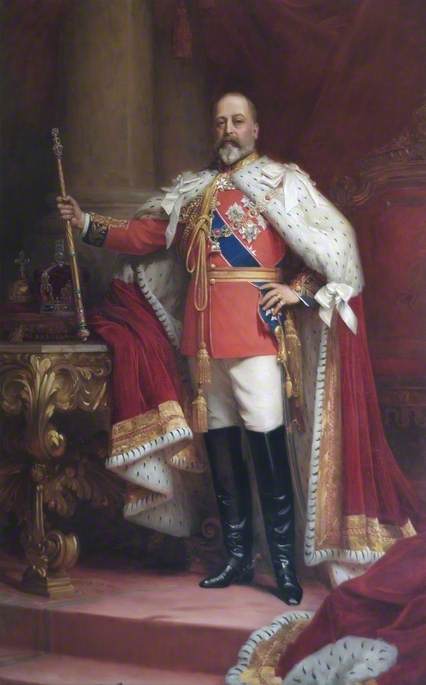
Edward VII (1841–1910)
 Oil On Canvas
- WallArt
- Social Realism
 1901
1901 259.0 x 216.0 cm
 St Bartholomäus-Hospital Museum und Archiv
 Weiterlesen
Handgefertigte Ölreproduktion
Handgemaltes Ölgemälde auf Leinwand in Ihrer Wunschgröße und mit Rahmen, auf Bestellung von unseren Künstlern angefertigt. ( Druck bestellen Bild kaufen)




P118B $10

P118H $10

P118W $10

P438Z $10

P508JH $12

P508YH $12

P805H $10

P805Z $10

P919BZ $10

P919G $10

P919XJ $10

P959ZH $10

P968JZ $12

W106C $8

W218G $10

W218JH $8

W218Y $10

W307PJ $10

W316G $10

W316PJ $8

W316Y $10

W398PJ $8

W4111J $10

W500HY $15

W500JH $15

W692G $12

W849H $8

W940BG $15

W953PJ $8




Wählen Sie aus unseren vordefinierten Formaten, die den ursprünglichen Proportionen des Kunstwerks entsprechen.

Sie können Ihre eigenen Maße eingeben, um einen bestimmten Rahmen oder Platz auszufüllen. Wenn die gewählte Größe nicht den Proportionen des Originalbildes entspricht, werden wir das Kunstwerk entweder beschneiden oder das Gemälde durch zusätzliche, handgemalte Elemente erweitern. Ein digitales Mockup wird Ihnen zur Genehmigung zugesandt, bevor die Produktion beginnt.
Bitte beachten Sie, dass die Bildschirmvorschau nicht die tatsächliche Beschneidung oder Erweiterung widerspiegelt. Nur das Mockup zeigt die endgültige Komposition exakt an.
Obwohl Sondermaße verfügbar sind, empfehlen wir, eine Größe aus der vordefinierten Liste zu wählen, um die ursprünglichen Proportionen beizubehalten.
Nach der Bestellung wird das ArtsDot.com-Team dem Kunden Anweisungen per E-Mail zusenden und eine Mockup-Vorschau bereitstellen.
Weltweiter Versand () in nur 3 bis 4 Wochen statt der üblichen 5 Wochen. (20 August). Keine Kompromisse bei der Qualität.

Kostenloser weltweiter Expressversand

Hochwertige Leinenleinwand

Umfassender Versicherungsschutz beim Versand

Zollgebühren-Rückerstattungsgarantie

Garantie für exakte Farbtreue

60 Tage Rückgaberecht (nur bei Mängeln)

100% Geld-zurück-Garantie

Mengenrabatt verfügbar
 Die Glasoption ist nur für Größen unter 110 cm verfügbar.

Edward VII (1841–1910)
Art der Reproduktion
Format der Reproduktion
-


Gesamtpreis
$ 263
Beschreibung des Kunstwerks
A Regal Portrait: Samuel Luke Fildes’ Masterful Depiction of Edward VII
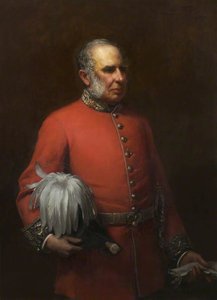
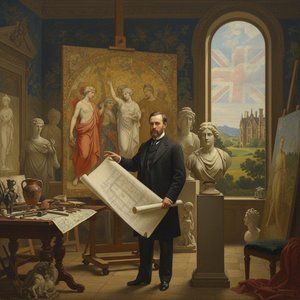
Samuel Luke Fildes' 1901 portrait of King Edward VII stands as more than just a royal likeness; it is a meticulously crafted tableau of power, tradition, and the quiet dignity of a monarch at the height of his reign. Commissioned during a period of significant imperial expansion and domestic reform, this oil-on-canvas masterpiece by the Victorian artist offers a profound glimpse into the sensibilities of Edward VII’s court and the evolving role of the British monarchy. Fildes, known for his keen observation of social realities alongside his formal portraiture, expertly balances realism with symbolic representation, creating an image that resonates both historically and aesthetically.
The painting immediately commands attention through its carefully orchestrated composition. Centered within a richly detailed setting – a deep crimson curtain hinting at the grandeur of Buckingham Palace – stands Edward VII himself. His posture is one of measured authority, his gaze direct yet not confrontational, suggesting a thoughtful presence rather than overt dominance. The strategic placement of the scepter in his right hand and the crown subtly visible behind him powerfully reinforce his sovereignty, while the table laden with royal regalia—crowns, sceptres, and other ceremonial objects—underscores the weight of his office and the continuity of British tradition.
A Symphony of Color and Texture
Fildes’ masterful use of color is central to the painting's impact. The palette is dominated by deep reds, opulent golds, crisp whites, and grounding blacks – a combination that evokes both regal splendor and understated formality. The vibrant red tunic worn by the King contrasts beautifully with the intricate gold embroidery adorning his attire, while the white fur trim adds a touch of luxurious softness. Beyond color, Fildes demonstrates remarkable technical skill in rendering texture. From the smooth sheen of the scepter to the plushness of the fur and the subtle folds of the curtain, each element is depicted with meticulous detail, inviting the viewer to almost reach out and feel the richness of the scene.
The lighting plays a crucial role in shaping the painting’s mood. A soft, diffused light source from the left illuminates the King's face, highlighting his features and creating subtle shadows that define form and depth. This careful manipulation of light not only enhances the realism of the portrait but also contributes to its overall sense of gravitas and solemnity.
Symbolism and Historical Context
Beyond its aesthetic qualities, the portrait is rich in symbolism. The scepter, a potent emblem of sovereignty, firmly establishes Edward VII’s authority. The crown, prominently displayed, represents his kingship and the enduring legacy of the British monarchy. The inclusion of royal regalia speaks to the continuity of tradition and the importance of ceremony within the realm. Considering the painting's creation in 1901, it reflects a period of significant social and political change in Britain – the dawn of the Edwardian era, marked by imperial expansion, technological advancements, and growing calls for reform.
Further research reveals that this portrait was part of a series commissioned to commemorate the King’s coronation. The meticulous attention to detail and the formal style reflect the prevailing artistic conventions of the time, yet Fildes imbues the image with a remarkable sense of immediacy and human presence. The painting's creation coincided with a period when Victorian values were being re-evaluated, and the monarchy was grappling with its role in a rapidly changing world.
A Timeless Masterpiece – Available as a High-Quality Reproduction
Samuel Luke Fildes’ portrait of Edward VII is a testament to his artistic skill and his ability to capture the essence of a historical figure. Its enduring appeal lies not only in its technical brilliance but also in its evocative portrayal of power, tradition, and human dignity. Today, this iconic image can be experienced anew through meticulously crafted hand-painted reproductions – a perfect addition to any art collection or a striking centerpiece for interior design. The reproduction faithfully captures the painting’s rich colors, intricate details, and profound emotional impact, allowing you to bring this timeless masterpiece into your home.
Ähnliche Kunstwerke
Über den Künstler
Frühes Leben und Ausbildung
- Geboren: Liverpool, Großbritannien, 3. Oktober 1843
- Gestorben: 28. Februar 1927 (im Alter von 83 Jahren)
- Familienhintergrund: Enkelin der politischen Aktivistin Mary Fildes. Sein Vater war Seemann und Reedereiagent.
- Frühzeitige Ausbildung: Besuchte die Warrington School of Art im Jahr 1860.
- Formale Ausbildung: Studierte an den South Kensington (später Royal College of Art) und der Royal Academy Schools, beginnend 1865. Traf Hubert von Herkomer und Frank Holl während dieser Zeit.
- Einflüsse: Stark beeinflusst von Frederick Walker, einer führenden Figur der sozialrealistischen Bewegung in Großbritannien.
Karriere als Illustrator und Sozialkritiker
- Frühe Arbeit für *The Graphic*: Trat 1869 dem Stab der Zeitung *The Graphic* bei, einem illustrierten wöchentlichen Magazin unter der Leitung von William Luson Thomas.
- Sozialrealismus: Übernahm einen sozialrealistischen Stil, um Armut und Ungerechtigkeit darzustellen, in Übereinstimmung mit der redaktionellen Ausrichtung von *The Graphic*.
- Illustrationen für Charles Dickens: Von Charles Dickens beauftragt, *Das Rätsel Edwin Droods* zu illustrieren, nachdem Fildes’ Illustration des leeren Stuhls Dickens' nach dessen Tod weite Anerkennung gefunden hatte.
- Bemerkenswerte Illustrationen: Erstellte Illustrationen für andere Periodika wie das *Sunday Magazine*, *The Cornhill Magazine* und *The Gentleman's Magazine*.
- "Obdachlos und Hunger": Ein bedeutender Holzschnitt, der in *The Graphic* veröffentlicht wurde und obdachlose Menschen zeigt, die Schutz suchen. Diese Illustration erregte die Aufmerksamkeit Dickens'.
Übergang zur Malerei und künstlerische Entwicklung
- Wechsel zur Ölmalerei: Verließ 1870 die Illustration, um sich auf die Ölmalerei zu konzentrieren.
- Aufstieg als Maler: Wurde als einer der führenden englischen Maler seiner Zeit anerkannt.
- Hauptwerke: Bemerkenswerte Gemälde sind *Die Notaufnahme* (1874), *Der Witwer* (1876), *Das Dorftsche Wedding* (1883), *Ein Al Fresco Toilette* (1889) und *Der Arzt* (1891).
- Venezianische Szenen: Malte zahlreiche Szenen aus dem venezianischen Leben.
- Porträtmalerei: Schuf viele bemerkenswerte Porträts, darunter solche zur Feier der Krönung von König Edward VII. und Königin Alexandra.
Anerkennung und spätere Jahre
- Mitgliedschaft in der Royal Academy: Wurde 1879 zum Associated Member (A.R.A.) und 1887 zum Royal Academician (R.A.) gewählt.
- Verleihung des Rittertitels: Von König Edward VII. im Jahr 1906 zum Sir erhoben.
- Order of Merit: Vom König George V. im Jahr 1918 zum Knight Commander des Royal Victorian Order (KCVO) ernannt.
- Pseudonym "Elf": Produzierte Karikaturen für *Vanity Fair* unter dem Pseudonym “Elf”.
- Neo-Venezianische Schule: Gilt als eine führende Figur der Neo-Venezianischen Schule neben Henry Woods.
- Familienleben: Heirate Fanny Woods (Schwester von Henry Woods) im Jahr 1874. Hatte zwei Söhne, Philip und Sir Paul Fildes (ein bedeutender Wissenschaftler).
Historische Bedeutung und Vermächtnis
- Sozialkritik: Seine Arbeit befasste sich oft mit sozialen Themen, insbesondere mit Armut und dem Schicksal der weniger Glücklichen, was seine Großmutter Mary Fildes’ Aktivismus widerspiegelt.
- Einfluss auf Van Gogh: Seine Illustration des leeren Stuhls Dickens' inspirierte Vincent van Goghs Gemälde *Der gelbe Stuhl*.
- "Der Arzt": Dieses ikonische Gemälde wurde 1949 in einer Kampagne der American Medical Association gegen eine staatliche Gesundheitsversorgung verwendet, was die Macht seiner Kunst verdeutlichte, die öffentliche Meinung zu beeinflussen.
- Bleibende Wirkung: Fildes’ realistischer Stil und seine soziale Kritik trugen wesentlich zur viktorianischen Kunst bei und wirken bis heute nachdenklich stimmend.
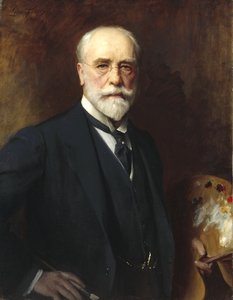
Samuel Luke Fildes
1843 - 1927 , Vereinigtes Königreich
Kurzinfos
- Beeinflusste Künstler: ['Frederick Walker']
- Bemerkenswerte Werke:
- The Casual Ward
- Der Witwer
- Die Dorfer Hochzeit
- An Al Fresco Toilette
- Der Arzt
- Geburtsdatum: 3. Oktober 1843
- Geburtsort: Liverpool, Vereinigtes Königreich
- Künstlerische Richtung: Sozialrealismus
- Nationalität: Britisch
- Sterbedatum: 28. Februar 1927
- Vollständiger Name: Sir Samuel Luke Fildes
- Von Künstlern Beeinflusst: ['Vincent van Gogh']
Ähnliche Artikel
Edward Hopper: Die 25 Meisterwerke des amerikanischen Realismus | ArtsDot
Entdecken Sie die 25 Meisterwerke von Edward Hopper! Tauchen Sie ein in amerikanische Kunst, Realismus & Isolation. Hochwertige Reproduktionen & Inspiration für Ihr Zuhause bei ArtsDot.com.
Samuel Luke Fildes: Capturing Victorian Life Through Narrative & Social Realism
Explore the poignant world of Samuel Luke Fildes, a master of Victorian Social Realism. Discover his iconic paintings like 'The Doctor' and delve into his artistic journey with ArtsDot.
Edward Wilkins Waite: A Victorian Vision of Surrey's Serene Landscapes & Artistic Legacy
Explore the serene landscapes of Edward Wilkins Waite (1854-1924), a prolific Victorian painter celebrated for his depictions of Surrey's countryside. Discover his artistic influences, career highlights & collecting guide.
Samuel Walters: Capturing Victorian Maritime Life with Precision & Artistry
Explore the exquisite maritime paintings of Samuel Walters (1811-1882). Discover his mastery of detail, historical scenes & influence on Victorian art. Learn about collecting his works and find high-quality reproductions at ArtsDot.
Sir Edward Poynter: Ästhetizismus, Archäologie und die viktorianische Identität
Entdecken Sie das faszinierende Werk von Sir Edward Poynter! Erfahren Sie mehr über den Ästhetizismus, seine archäologischen Einflüsse und seinen Beitrag zur viktorianischen Kunst. Expertenanalyse & Hintergrundinformationen.