

 Vorschau anzeigen
 Versenden
 Teilen
 Details anzeigen

 Herunterladen
 Ähnliche Objekte
 Röntgenaufnahme
 Diashow
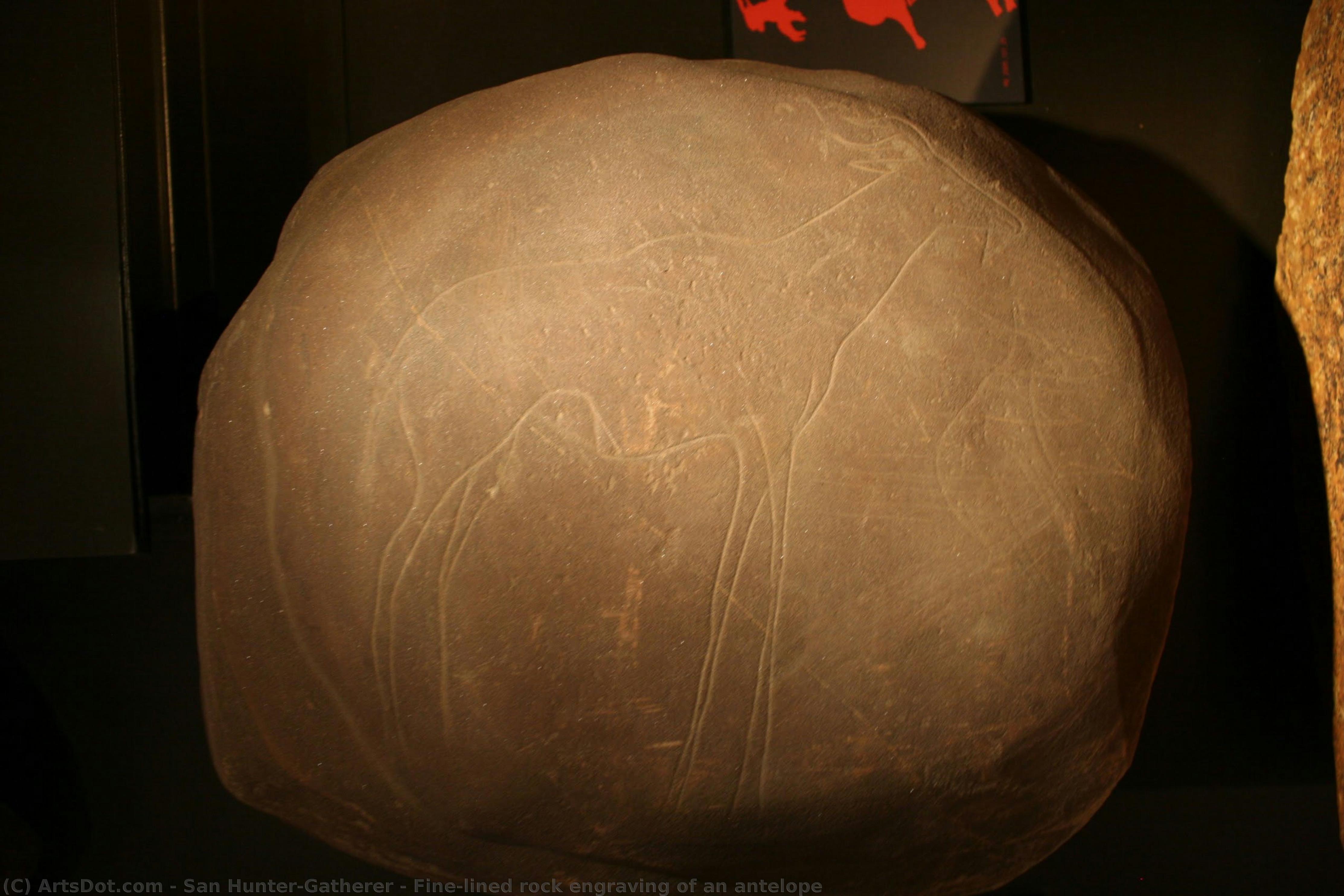
Fine-lined rock engraving of an antelope


 Weiterlesen
Handgefertigte Ölreproduktion
Handgemaltes Ölgemälde auf Leinwand in Ihrer Wunschgröße und mit Rahmen, auf Bestellung von unseren Künstlern angefertigt. ( Druck bestellen Bild kaufen)




































Wählen Sie aus unseren vordefinierten Formaten, die den ursprünglichen Proportionen des Kunstwerks entsprechen.

Sie können Ihre eigenen Maße eingeben, um einen bestimmten Rahmen oder Platz auszufüllen. Wenn die gewählte Größe nicht den Proportionen des Originalbildes entspricht, werden wir das Kunstwerk entweder beschneiden oder das Gemälde durch zusätzliche, handgemalte Elemente erweitern. Ein digitales Mockup wird Ihnen zur Genehmigung zugesandt, bevor die Produktion beginnt.
Bitte beachten Sie, dass die Bildschirmvorschau nicht die tatsächliche Beschneidung oder Erweiterung widerspiegelt. Nur das Mockup zeigt die endgültige Komposition exakt an.
Obwohl Sondermaße verfügbar sind, empfehlen wir, eine Größe aus der vordefinierten Liste zu wählen, um die ursprünglichen Proportionen beizubehalten.
Nach der Bestellung wird das ArtsDot.com-Team dem Kunden Anweisungen per E-Mail zusenden und eine Mockup-Vorschau bereitstellen.
Weltweiter Versand () in nur 3 bis 4 Wochen statt der üblichen 5 Wochen. (22 August). Keine Kompromisse bei der Qualität.

Kostenloser weltweiter Expressversand

Hochwertige Leinenleinwand

Umfassender Versicherungsschutz beim Versand

Zollgebühren-Rückerstattungsgarantie

Garantie für exakte Farbtreue

60 Tage Rückgaberecht (nur bei Mängeln)

100% Geld-zurück-Garantie

Mengenrabatt verfügbar
 Die Glasoption ist nur für Größen unter 110 cm verfügbar.

Fine-lined rock engraving of an antelope
Art der Reproduktion
Format der Reproduktion
-


Gesamtpreis
$ 263
Beschreibung des Kunstwerks
Ähnliche Kunstwerke










Über den Künstler
San Hunter-Gatherer Art: Echoes of Ancient Rituals
The San people, also known as Bushmen, represent one of the oldest surviving cultures in southern Africa—a testament to human adaptability and artistic expression spanning millennia. Their art isn’t merely decoration; it's deeply intertwined with spiritual beliefs and practices that govern every aspect of their lives. Understanding this connection unlocks a profound appreciation for the artistry itself.Origins & Cultural Context
Tracing the San’s history back over 20,000 years reveals nomadic hunter-gatherer societies characterized by intricate social structures and oral traditions. Survival depended on mastering knowledge of animal behavior, plant ecology, and sophisticated tracking skills—skills that informed their artistic endeavors. Unlike settled civilizations focused on material possessions, San art centered around communicating stories, myths, and cosmological understandings passed down through generations. The trance dance, depicted in stunning black & white drawings by San hunter-gatherers (see /en/art/san-hunter-gatherer-trance-dance-redrawing-DD28U2-en/), embodies this core belief—a ritualistic performance designed to connect with the spirit world and ensure successful hunts.Techniques of Rock Painting & Engraving
San artists primarily utilized pigment derived from minerals like ochre and manganese oxide, combined with binders such as animal fat or plant resins, to create vibrant rock paintings. These images depict animals—primarily antelope, zebra, and cattle—often stylized in geometric patterns that convey symbolic meaning beyond mere representation. Fine-lined rock engravings (see /en/art/san-hunter-gatherer-fine-lined-rock-engraving-of-an-antelope-DD28TE-en/) offer another remarkable artistic medium. Using sharpened stones, artists meticulously etched intricate designs into sandstone surfaces—a testament to precision and patience. The resulting images are remarkably detailed, capturing the essence of animal anatomy with astonishing accuracy.Symbolism & Narrative Significance
The symbolism embedded within San art is extraordinarily rich. Geometric shapes – spirals, circles, triangles – frequently appear, representing concepts like fertility, continuity, and cosmic order. Animal depictions aren’t simply representations; they embody spiritual forces and serve as conduits for communicating narratives about hunting rituals, ancestral spirits, and the relationship between humans and nature (see /en/art/san-hunter-gatherer-trance-dance-san-rock-painting-DD28U7-en/). These paintings aren’t merely decorative; they are visual records of beliefs and practices vital to San survival.Legacy & Historical Significance
Despite facing challenges from colonization and modernization, the San people continue to preserve their artistic heritage—a beacon of human creativity enduring through time. Their art provides invaluable insight into prehistoric societies and illuminates the universal desire for expression and connection with the spiritual realm. The legacy of San hunter-gatherer art reminds us that beauty can emerge from simplicity and that storytelling holds a power to transcend cultural boundaries. It stands as an extraordinary achievement of human ingenuity, demonstrating how artistic traditions can transmit knowledge and values across generations.Further Exploration
For more information about San culture and art, visit /en/artists/san-hunter-gatherer-en/.
san hunter-gatherer
South Africa
Kurzinfos
- Artistic Movement Or Style: Rock painting
- Full Name: San hunter-gatherer
- Nationality: African
- Notable Artworks: ['Trance dance']
- Place Of Birth: South Africa

