 Vorschau anzeigen
 Versenden
 Teilen
 Details anzeigen

 Herunterladen
 Ähnliche Objekte
 Röntgenaufnahme
 Diashow
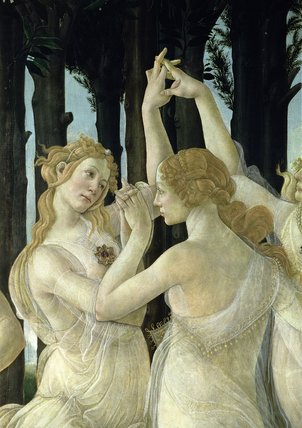
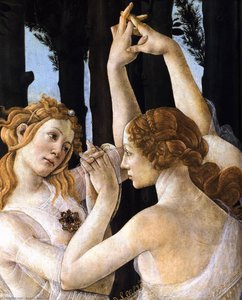
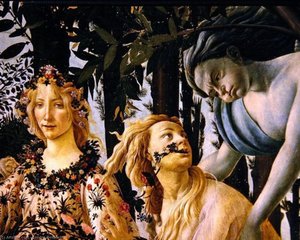
Detail Von Zwei Der Drei Grazie Aus Dem Frühling

 Weiterlesen
Giclée / Kunstdruck
Giclée- oder Leinwanddruck in Museumsqualität mit schneller Produktion und flexiblen Veredelungsoptionen. ( Handgemalte Reproduktion bestellen Bild kaufen)




P118B $10

P118H $10

P118W $10

P438Z $10

P508JH $12

P508YH $12

P805H $10

P805Z $10

P919BZ $10

P919G $10

P919XJ $10

P959ZH $10

P968JZ $12

W106C $8

W218G $10

W218JH $8

W218Y $10

W307PJ $10

W316G $10

W316PJ $8

W316Y $10

W398PJ $8

W4111J $10

W500HY $15

W500JH $15

W692G $12

W849H $8

W940BG $15

W953PJ $8




Wählen Sie aus unseren vordefinierten Formaten, die den ursprünglichen Proportionen des Kunstwerks entsprechen.

Sie können Ihre eigenen Maße eingeben, um ein bestimmtes Format oder einen speziellen Platz einzupassen. Wenn das von Ihnen gewählte Format nicht den Proportionen des Originalbildes entspricht, werden wir das Kunstwerk entweder beschneiden oder das Bild mit einem gespiegelten oder einfarbigen Rand erweitern. Ein digitaler Entwurf wird Ihnen zur Genehmigung zugesandt, bevor die Produktion beginnt.
Bitte beachten Sie, dass die Vorschau auf dem Bildschirm nicht den tatsächlichen Zuschnitt oder die Erweiterung widerspiegelt. Nur der Entwurf zeigt die endgültige Komposition präzise an.
Obwohl Sondermaße verfügbar sind, empfehlen wir die Auswahl eines Maßes aus der vordefinierten Liste, um die ursprünglichen Proportionen zu bewahren.
Weltweiter Versand () innerhalb von 2 Wochen statt der üblichen 4/5 Wochen. (30 August)

Kostenloser weltweiter Expressversand

Hochwertige Leinenleinwand

Umfassender Versicherungsschutz beim Versand

Zollgebühren-Rückerstattungsgarantie

Garantie für exakte Farbtreue

60 Tage Rückgaberecht (nur bei Mängeln)

100% Geld-zurück-Garantie

Mengenrabatt verfügbar
 Die Glasoption ist nur für Größen unter 110 cm verfügbar.

Detail Von Zwei Der Drei Grazie Aus Dem Frühling
Giclée / Kunstdruck
Format der Reproduktion
-


Gesamtpreis
$ 62
A Whisper of Primavera: Botticelli’s Reverie on Grace
Alessandro di Mariano di Vanni Filipepi, known to posterity as Sandro Botticelli (1445 – May 17, 1510), stands as a singular figure in the Early Renaissance—a painter whose legacy transcends mere artistic skill and delves into the very soul of Florentine culture. Born amidst the burgeoning humanist spirit of his time, Botticelli’s life was inextricably linked to the Medici patronage that fueled Florence's artistic ambitions and shaped the intellectual landscape of Europe. His formative years were spent in Ognissanti, a district characterized by artisan workshops and wealthy families like the Rucellai—connections that would prove invaluable for his artistic development and provide him with access to influential mentors.- Early Training & Patronage: Botticelli’s initial apprenticeship under Fra Filippo Lippi instilled in him the meticulous craftsmanship demanded by Florentine painting, while his familial ties fostered an environment rich in artistic discourse. The Medici family—particularly Lorenzo de' Medici—recognized Botticelli’s talent and became a steadfast supporter of his endeavors, commissioning numerous paintings that solidified his reputation as one of Florence’s foremost artists.
- A Style Defined by Elegance: Botticelli’s distinctive style emerged from the confluence of Late Gothic traditions and nascent Renaissance ideals. Characterized by flowing lines, delicate coloration, and an ethereal quality—particularly evident in works like “The Birth of Venus”—his paintings eschewed the rigid formalism of preceding eras, prioritizing grace and beauty above all else.
Primavera: Mythological Narrative & Symbolism
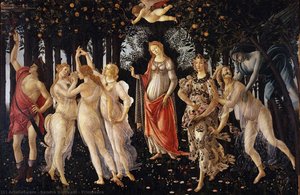
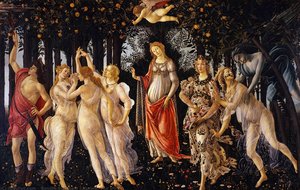
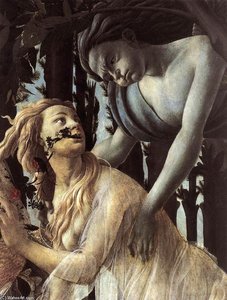
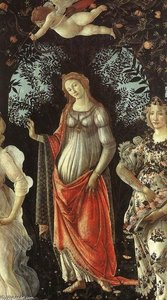
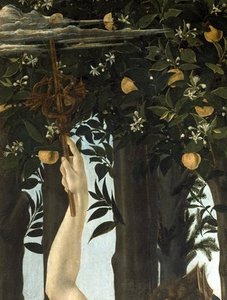
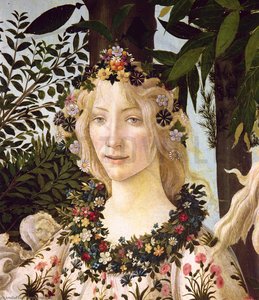
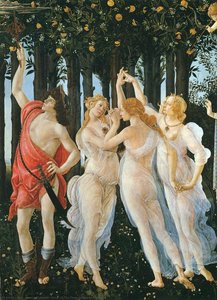
Botticelli’s masterpiece, "Primavera," exemplifies this stylistic ethos with breathtaking precision. Painted circa 1482, the canvas depicts a lush garden scene populated by mythological figures—Venus, Flora, Zephyr, Chloris, and Mercury—engaged in an elaborate dance of courtship and renewal. The painting's composition is meticulously balanced, reflecting the humanist preoccupation with harmonious proportions and idealized beauty. Each element within the tableau carries symbolic weight: Venus embodies feminine fertility and divine love; Flora represents springtime’s blossoming flora; Zephyr and Chloris embody the winds and goddess of flowers respectively; Mercury symbolizes intellect and divine messenger—bringing forth a narrative steeped in classical mythology.- Technique & Color Palette: Botticelli employed tempera paint on poplar wood, a technique favored for its luminosity and durability. His palette is dominated by pastel hues—pale greens, blues, pinks, and yellows—creating an atmosphere of dreamy serenity. The artist’s masterful brushwork contributes to the painting's ethereal quality, capturing subtle nuances of light and shadow that heighten its visual impact.
- Historical Context & Artistic Influence: “Primavera” emerged during a period of intense artistic experimentation, mirroring the broader humanist revival championed by Lorenzo de' Medici. It stands as a cornerstone of Florentine Mannerism—a stylistic movement characterized by elongated figures, stylized poses, and an emphasis on expressive emotion—yet retains Botticelli’s signature elegance and grace. Its influence extended far beyond Florence, inspiring artists across Europe who sought to emulate its beauty and sophistication.
Emotional Resonance & Legacy
More than simply a depiction of mythological narrative, “Primavera” speaks to the profound human desire for harmony, fertility, and spiritual renewal. Botticelli’s ability to convey emotion—albeit subtly—through gesture and expression underscores his artistic genius. Today, reproductions of "Primavera" continue to captivate audiences worldwide, serving as reminders of Florence's golden age and Botticelli’s enduring contribution to Western art history. Its timeless beauty transcends temporal boundaries, inviting viewers to contemplate the mysteries of love, life, and the transformative power of springtime—a testament to Sandro Botticelli’s unparalleled vision.Ähnliche Kunstwerke
Über den Künstler
frühes Leben und Ausbildung
Sandro Botticelli, geboren Alessandro di Mariano di Vanni Filipepi um 1445, war eine zentrale Figur im frühen italienischen Frührenaissance der Malerei. Zunächst posthumig vernachlässigt, wurde Botticellis Werk im späten 19. Jahrhundert von den Präraffaeliten revitalisiert und führte zu einer Neubewertung seiner künstlerischen Beiträge. Botticelli wurde in Florenz, Italien, geboren und lebte sein ganzes Leben im selben Viertel. Seine Familie, darunter sein Vater Mariano di Vanni d’Amedeo Filipepi, war in verschiedene Berufe involviert, was sie mit Künstlern in Kontakt brachte. Giorgio Vasari berichtete, dass Botticelli zunächst als Goldschmied ausgebildet wurde.Künstlerischer Stil und bemerkenswerte Werke
Botticellis Werk ist durch elegante Linearität gekennzeichnet, die die Lücke zwischen der späten italienischen Gotik und dem frühen Frührenaissance schließt. Seine berühmtesten Werke, die Geburt des Venus und Primavera, werden in der Uffizialleerie in Florenz ausgestellt, die eine bedeutende Sammlung seiner Kunst beherbergt. * die Geburt des Venus (ansicht auf ArtsDot) * Primavera (Sandro Botticellis Kunst erkunden auf ArtsDot) * Mystische Geburt (Nationalgalerie, London), datiert 1501, ist das einzige Werk von Botticelli mit einem klaren Datum.Vermächtnis und Einfluss
Botticellis Stil entwickelte sich in den 1490er Jahren zu einem persönlicheren Ansatz und unterschied sich von Zeitgenossen wie Leonardo da Vinci und dem aufkommenden Hochrenaissance-Stil. Sein Werk wurde als bedeutende Beiträge zur italienischen Renaissance Kunstbewegung anerkannt. * Die italienische Renaissance Kunstbewegung * Sandro Botticelli auf Wikipedia- Bekannte Künstler der italienischen Renaissance umfassen Sandro Botticelli, Leonardo da Vinci, Michelangelo und Tizian.
- Die Uffizialleerie in Florenz beherbergt eine bedeutende Sammlung von Botticellis Kunst.
- Botticellis Werk wurde als eine zentrale Figur im frühen italienischen Frührenaissance der Malerei anerkannt.
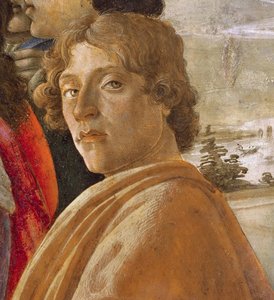
Sandro Botticelli
1445 - 1510 , Italien
Kurzinfos
- Beeinflusste Künstler: ['Präraffaeliten']
- Bemerkenswerte Werke:
- Die Geburt der Venus
- Primavera
- Mystische Geburt
- Einflussreiche Künstler:
- Fra Angelico
- Paolo Uccello
- Geburtsdatum: ca. 1445
- Geburtsort: Florenz, Italien
- Künstlerische Bewegung: Frührenaissance
- Nationalität: Italienisch
- Sterbedatum: 1510
- Vollständiger Name: Sandro Botticelli
Ähnliche Artikel
Sandro Botticelli: Die 25 Meisterwerke des Renaissance-Genies – Kunst für Ihr Zuhause
Entdecken Sie die 25 schönsten Meisterwerke von Sandro Botticelli! Erleben Sie die Renaissance-Kunst mit 'Geburt der Venus', 'Primavera' & mehr. Hochwertige Reproduktionen für Ihr Zuhause – jetzt auf ArtsDot.com!
Frührenaissance: Die 10 Meisterwerke, die eine Epoche prägten – Kunst für Ihr Zuhause
Entdecken Sie die 10 prägendsten Meisterwerke der Frührenaissance! Von Giotto bis Botticelli – erleben Sie Kunstgeschichte hautnah. Hochwertige Reproduktionen für Ihr Zuhause auf .
Die 25 Meisterwerke der Uffizien: Kunstgeschichte für Ihr Zuhause | ArtsDot
Entdecken Sie die 25 berühmtesten Meisterwerke der Uffizien, Florenz! Von Botticelli bis Leonardo da Vinci – Kunstgeschichte erleben. Hochwertige Reproduktionen & Inspiration für Ihr Zuhause auf ArtsDot.com.
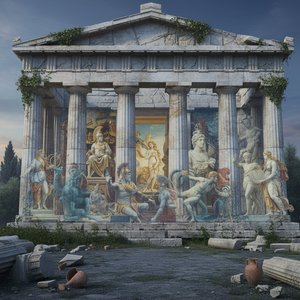
Echoes of Olympus: Mythological Narratives in Western Art Through the Ages
Explore the captivating history of mythological narratives in Western art! From ancient Greece to modern masterpieces, discover iconic artworks & symbolism. Expert analysis and high-quality reproductions at ArtsDot.

Raphael: Die 25 Meisterwerke des Renaissance-Genies – Kunst für Ihr Zuhause
Entdecken Sie die 25 schönsten Meisterwerke von Raphael! Tauchen Sie ein in die Welt der Renaissance-Kunst, erfahren Sie faszinierende Geschichten und lassen Sie sich von den Farben und Kompositionen inspirieren. Hochwertige Reproduktionen auf ArtsDot.com.