 Vorschau anzeigen
 Versenden
 Teilen
 Details anzeigen

 Herunterladen
 Ähnliche Objekte
 Röntgenaufnahme
 Diashow
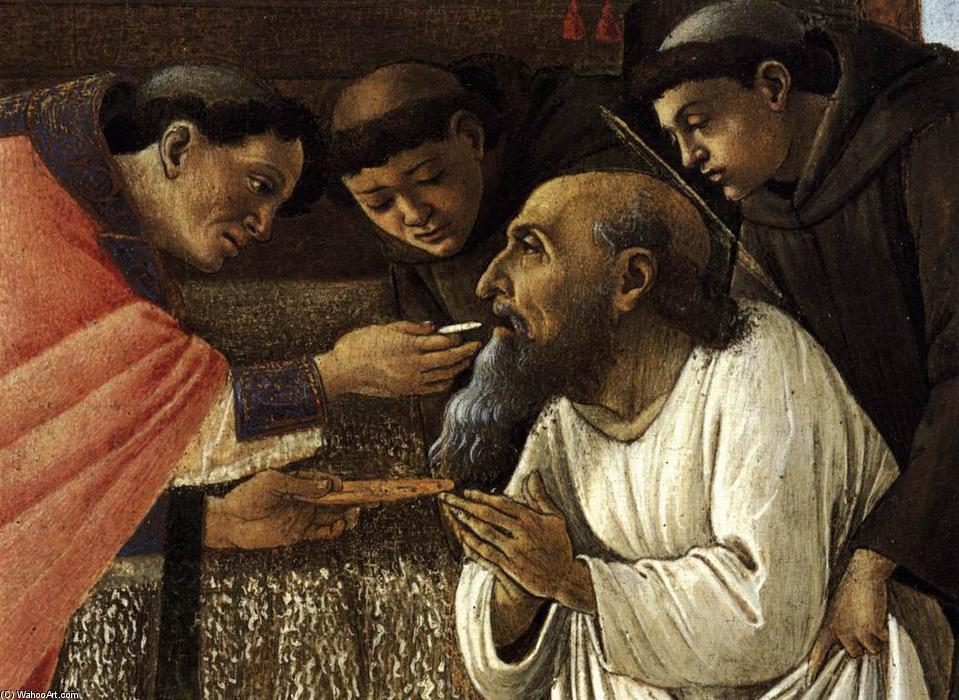
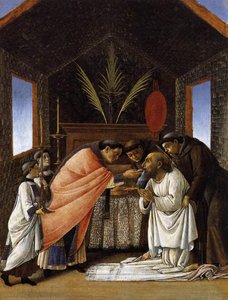
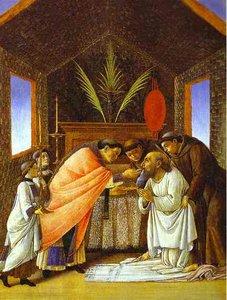
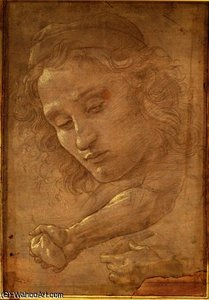
Die Letzte Kommunion des Heiligen Hieronymus (Detail)


 Weiterlesen
Handgefertigte Ölreproduktion
Handgemaltes Ölgemälde auf Leinwand in Ihrer Wunschgröße und mit Rahmen, auf Bestellung von unseren Künstlern angefertigt. ( Druck bestellen Bild kaufen)




P118B $10

P118H $10

P118W $10

P438Z $10

P508JH $12

P508YH $12

P805H $10

P805Z $10

P919BZ $10

P919G $10

P919XJ $10

P959ZH $10

P968JZ $12

W106C $8

W218G $10

W218JH $8

W218Y $10

W307PJ $10

W316G $10

W316PJ $8

W316Y $10

W398PJ $8

W4111J $10

W500HY $15

W500JH $15

W692G $12

W849H $8

W940BG $15

W953PJ $8




Wählen Sie aus unseren vordefinierten Formaten, die den ursprünglichen Proportionen des Kunstwerks entsprechen.

Sie können Ihre eigenen Maße eingeben, um einen bestimmten Rahmen oder Platz auszufüllen. Wenn die gewählte Größe nicht den Proportionen des Originalbildes entspricht, werden wir das Kunstwerk entweder beschneiden oder das Gemälde durch zusätzliche, handgemalte Elemente erweitern. Ein digitales Mockup wird Ihnen zur Genehmigung zugesandt, bevor die Produktion beginnt.
Bitte beachten Sie, dass die Bildschirmvorschau nicht die tatsächliche Beschneidung oder Erweiterung widerspiegelt. Nur das Mockup zeigt die endgültige Komposition exakt an.
Obwohl Sondermaße verfügbar sind, empfehlen wir, eine Größe aus der vordefinierten Liste zu wählen, um die ursprünglichen Proportionen beizubehalten.
Nach der Bestellung wird das ArtsDot.com-Team dem Kunden Anweisungen per E-Mail zusenden und eine Mockup-Vorschau bereitstellen.
Weltweiter Versand () in nur 3 bis 4 Wochen statt der üblichen 5 Wochen. (21 August). Keine Kompromisse bei der Qualität.

Kostenloser weltweiter Expressversand

Hochwertige Leinenleinwand

Umfassender Versicherungsschutz beim Versand

Zollgebühren-Rückerstattungsgarantie

Garantie für exakte Farbtreue

60 Tage Rückgaberecht (nur bei Mängeln)

100% Geld-zurück-Garantie

Mengenrabatt verfügbar
 Die Glasoption ist nur für Größen unter 110 cm verfügbar.

Die Letzte Kommunion des Heiligen Hieronymus (Detail)
Art der Reproduktion
Format der Reproduktion
-


Gesamtpreis
$ 338
Beschreibung des Kunstwerks
Ein Augenblick tiefen Glaubens: Botticellis „Letzter Kommunion von St. Jerome“ (Detail)
Botticelli’s *The Last Communion of Saint Jerome* stands as an emblem of the Early Renaissance, capturing a moment of profound spiritual contemplation and acceptance that transcends mere visual representation. Painted in 1495 during Florence's fervent religious fervor—a period profoundly shaped by Savonarola’s sermons and the anxieties surrounding papal authority—the artwork invites viewers into a space where piety intertwines with artistic mastery. It is not merely a depiction of an event; it’s an exploration of faith itself, rendered with breathtaking sensitivity.Das Motiv und die Erzählung
The scene centers around Saint Jerome, portrayed as an aged man receiving his final communion. Surrounded by a priest—easily identifiable by his vibrant crimson robe—and two attentive monks in sombre brown habits, Botticelli deliberately employs *eine gruppierte Anordnung*, fostering a palpable sense of solemnity and shared reverence. Unlike grand historical narratives, Botticelli eschews spectacle, focusing instead on the intensely personal nature of this sacred rite. The artist’s gaze is directed towards capturing not just what transpired but also the inner experience of devotion—a feat achieved through meticulous observation and nuanced portrayal. Jerome's frail form underscores vulnerability alongside unwavering belief as he prepares to meet his Maker.Stil und Technik
Botticelli’s signature style—characterized by *eine lineare Eleganz*, bridging the Gothic and Renaissance traditions—defines the figures with graceful contours. The painting, executed in oil on panel, showcases Botticelli's exceptional skill in blending colors to create subtle gradations of light and shadow. Note particularly the delicate rendering of drapery; folds cascade gracefully, conveying movement and texture without resorting to excessive detail. This technique—a hallmark of Renaissance art—allows for a luminous quality that enhances the emotional impact of the scene. The slight roughness perceptible on certain surfaces—particularly in the clothing—hints at the layering of paint characteristic of oil painting, demonstrating Botticelli’s painstaking attention to realism tempered by an idealized aesthetic.Historischer Kontext und Symbolismus
Saint Jerome (c. 347–420) was a towering figure in Christian scholarship and theology, renowned for his translation of the Bible into Latin—the Vulgate—a monumental undertaking that cemented his legacy as one of Christendom’s foremost intellectuals. His life was marked by both intellectual pursuits and periods of ascetic devotion, reflecting the broader spiritual currents of the Renaissance. The Last Communion, therefore, represents not only the culmination of Jerome's earthly journey but also a symbolic affirmation of his unwavering commitment to scripture and divine grace. The bread and wine—central to the sacrament—are potent symbols embodying Christ’s body and blood—a cornerstone of Christian belief. Botticelli’s deliberate choice to depict this intimate moment speaks volumes about the burgeoning emphasis on personal piety during the Renaissance, mirroring the anxieties surrounding papal authority and Savonarola's prophetic pronouncements.Emotionale Wirkung und künstlerische Bedeutung
This detail evokes a powerful surge of *Reverenz*, *Demut*, and quiet contemplation. Botticelli’s masterful use of light—focused upon Jerome’s face and hands—draws our gaze inward, inviting us to share in this profoundly moving experience. The restrained color palette—dominated by warm reds and browns contrasted against the serene white robes—contributes significantly to the overall mood of solemnity. More than just a visual representation, *Die Letzte Kommunion von St. Jerome* transcends mere depiction; it’s an invitation to engage with themes of mortality and faith—a testament to Botticelli's unparalleled ability to imbue religious subjects with both emotional depth and artistic beauty, securing his place as one of the most influential artists of the Early Renaissance.Für Sammler und Designer
- Innenraumgestaltung: Dieses Detail würde einen beeindruckenden Blickpunkt in ein Arbeitszimmer oder eine Bibliothek darstellen und eine Note von historischem Stil und religiöser Tiefe verleihen.
- Kunstsammlung: Eine Reproduktion erfasst die Essenz von Botticelli’s Kunstgewandtheit und bietet eine zugängliche Möglichkeit, seine Meisterschaft der Linie, Farbe und Komposition zu würdigen. Es ergänzt Sammlungen, die sich auf Renaissancekunst konzentrieren oder italienische Meister hervorheben.
- Investitionspotenzial: Botticelli’s anhaltende Popularität sorgt für weiterhin Interesse an hochwertigen Reproduktionen seiner Werke.
Ähnliche Kunstwerke
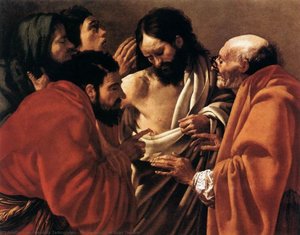
Über den Künstler
frühes Leben und Ausbildung
Sandro Botticelli, geboren Alessandro di Mariano di Vanni Filipepi um 1445, war eine zentrale Figur im frühen italienischen Frührenaissance der Malerei. Zunächst posthumig vernachlässigt, wurde Botticellis Werk im späten 19. Jahrhundert von den Präraffaeliten revitalisiert und führte zu einer Neubewertung seiner künstlerischen Beiträge. Botticelli wurde in Florenz, Italien, geboren und lebte sein ganzes Leben im selben Viertel. Seine Familie, darunter sein Vater Mariano di Vanni d’Amedeo Filipepi, war in verschiedene Berufe involviert, was sie mit Künstlern in Kontakt brachte. Giorgio Vasari berichtete, dass Botticelli zunächst als Goldschmied ausgebildet wurde.Künstlerischer Stil und bemerkenswerte Werke
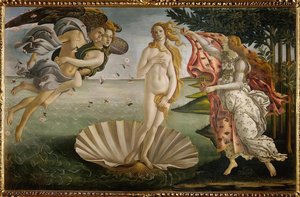
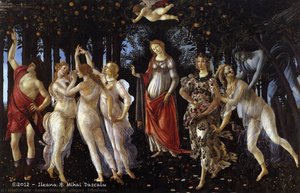
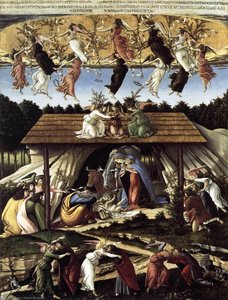
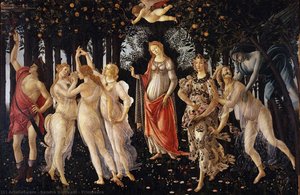
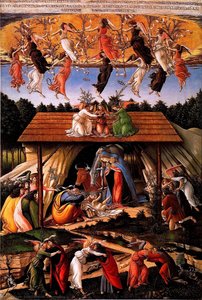
Botticellis Werk ist durch elegante Linearität gekennzeichnet, die die Lücke zwischen der späten italienischen Gotik und dem frühen Frührenaissance schließt. Seine berühmtesten Werke, die Geburt des Venus und Primavera, werden in der Uffizialleerie in Florenz ausgestellt, die eine bedeutende Sammlung seiner Kunst beherbergt. * die Geburt des Venus (ansicht auf ArtsDot) * Primavera (Sandro Botticellis Kunst erkunden auf ArtsDot) * Mystische Geburt (Nationalgalerie, London), datiert 1501, ist das einzige Werk von Botticelli mit einem klaren Datum.Vermächtnis und Einfluss
Botticellis Stil entwickelte sich in den 1490er Jahren zu einem persönlicheren Ansatz und unterschied sich von Zeitgenossen wie Leonardo da Vinci und dem aufkommenden Hochrenaissance-Stil. Sein Werk wurde als bedeutende Beiträge zur italienischen Renaissance Kunstbewegung anerkannt. * Die italienische Renaissance Kunstbewegung * Sandro Botticelli auf Wikipedia- Bekannte Künstler der italienischen Renaissance umfassen Sandro Botticelli, Leonardo da Vinci, Michelangelo und Tizian.
- Die Uffizialleerie in Florenz beherbergt eine bedeutende Sammlung von Botticellis Kunst.
- Botticellis Werk wurde als eine zentrale Figur im frühen italienischen Frührenaissance der Malerei anerkannt.
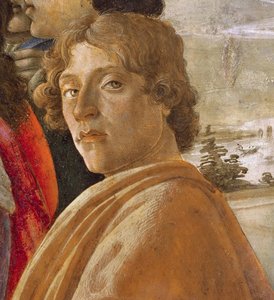
Sandro Botticelli
1445 - 1510 , Italien
Kurzinfos
- Beeinflusste Künstler: ['Präraffaeliten']
- Bemerkenswerte Werke:
- Die Geburt der Venus
- Primavera
- Mystische Geburt
- Einflussreiche Künstler:
- Fra Angelico
- Paolo Uccello
- Geburtsdatum: ca. 1445
- Geburtsort: Florenz, Italien
- Künstlerische Bewegung: Frührenaissance
- Nationalität: Italienisch
- Sterbedatum: 1510
- Vollständiger Name: Sandro Botticelli
Ähnliche Artikel
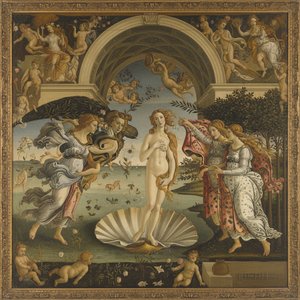
Sandro Botticelli: Die 25 Meisterwerke des Renaissance-Genies – Kunst für Ihr Zuhause
Entdecken Sie die 25 schönsten Meisterwerke von Sandro Botticelli! Erleben Sie die Renaissance-Kunst mit 'Geburt der Venus', 'Primavera' & mehr. Hochwertige Reproduktionen für Ihr Zuhause – jetzt auf ArtsDot.com!
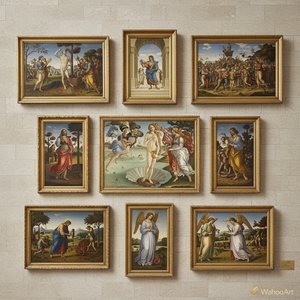
Frührenaissance: Die 10 Meisterwerke, die eine Epoche prägten – Kunst für Ihr Zuhause
Entdecken Sie die 10 prägendsten Meisterwerke der Frührenaissance! Von Giotto bis Botticelli – erleben Sie Kunstgeschichte hautnah. Hochwertige Reproduktionen für Ihr Zuhause auf .

Crimson Threads of Narrative: Exploring Symbolism & Representation in Artworks Featuring the Red Dress
Explore the rich symbolism of the red dress in art history! From ancient power displays to iconic portraits like Cézanne’s 'Madame Cezanne', discover the cultural and artistic significance behind this captivating color. Expert analysis & insights.
Die 25 Meisterwerke der Uffizien: Kunstgeschichte für Ihr Zuhause | ArtsDot
Entdecken Sie die 25 berühmtesten Meisterwerke der Uffizien, Florenz! Von Botticelli bis Leonardo da Vinci – Kunstgeschichte erleben. Hochwertige Reproduktionen & Inspiration für Ihr Zuhause auf ArtsDot.com.
El Greco: Die 25 Meisterwerke – Kunst für Ihr Zuhause | ArtsDot
Entdecken Sie die 25 bedeutendsten Meisterwerke von El Greco! Erleben Sie die spirituelle Tiefe und den dramatischen Stil des griechischen Malers. Hochwertige Kunstdrucke & Inspiration für Ihr Zuhause auf ArtsDot.com.