 Vorschau anzeigen
 Versenden
 Teilen
 Details anzeigen

 Herunterladen
 Ähnliche Objekte
 Röntgenaufnahme
 Diashow
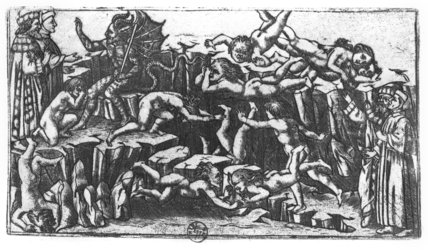
Hell, From 'the Divine Comedy' By Dante Alighieri

 Weiterlesen
Giclée / Kunstdruck
Giclée- oder Leinwanddruck in Museumsqualität mit schneller Produktion und flexiblen Veredelungsoptionen. ( Handgemalte Reproduktion bestellen Bild kaufen)




































Wählen Sie aus unseren vordefinierten Formaten, die den ursprünglichen Proportionen des Kunstwerks entsprechen.

Sie können Ihre eigenen Maße eingeben, um ein bestimmtes Format oder einen speziellen Platz einzupassen. Wenn das von Ihnen gewählte Format nicht den Proportionen des Originalbildes entspricht, werden wir das Kunstwerk entweder beschneiden oder das Bild mit einem gespiegelten oder einfarbigen Rand erweitern. Ein digitaler Entwurf wird Ihnen zur Genehmigung zugesandt, bevor die Produktion beginnt.
Bitte beachten Sie, dass die Vorschau auf dem Bildschirm nicht den tatsächlichen Zuschnitt oder die Erweiterung widerspiegelt. Nur der Entwurf zeigt die endgültige Komposition präzise an.
Obwohl Sondermaße verfügbar sind, empfehlen wir die Auswahl eines Maßes aus der vordefinierten Liste, um die ursprünglichen Proportionen zu bewahren.
Weltweiter Versand () innerhalb von 2 Wochen statt der üblichen 4/5 Wochen. (3 September)

Kostenloser weltweiter Expressversand

Hochwertige Leinenleinwand

Umfassender Versicherungsschutz beim Versand

Zollgebühren-Rückerstattungsgarantie

Garantie für exakte Farbtreue

60 Tage Rückgaberecht (nur bei Mängeln)

100% Geld-zurück-Garantie

Mengenrabatt verfügbar
 Die Glasoption ist nur für Größen unter 110 cm verfügbar.

Hell, From 'the Divine Comedy' By Dante Alighieri
Giclée / Kunstdruck
Format der Reproduktion
-


Gesamtpreis
$ 62
A Descent Into Darkness: Botticelli’s ‘Hell’ – A Study in Renaissance Horror
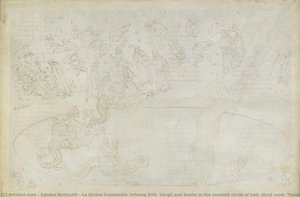
The artwork presents a chilling glimpse into Dante Alighieri's vision of Hell, meticulously rendered by Sandro Botticelli in 1480. Commissioned for Lorenzo de Medici and his court—a testament to the Medicis’ patronage of humanist scholarship and artistic innovation—this monochrome illustration transcends mere depiction; it embodies the anxieties and intellectual fervor of its era. More than just a visual representation of Dante's Inferno, ‘Hell’ stands as a profound meditation on morality, judgment, and the inescapable consequences of earthly failings.Composition and Narrative Depth
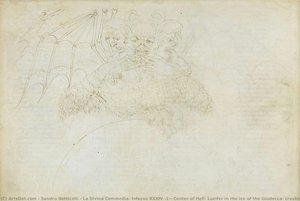
Botticelli’s masterful compositional choices immediately establish a sense of unease. The scene unfolds within a claustrophobic landscape dominated by jagged rocks and an abyss—a deliberate stylistic device designed to convey the immensity of Hell's torment. At its core lies a colossal demonic figure, radiating menace and authority, encircled by tormented souls writhing in agony. Two figures positioned on either side observe this horrific tableau, hinting at a theological debate regarding divine justice and human responsibility. The arrangement isn’t simply aesthetically pleasing; it’s strategically crafted to guide the viewer's gaze through the narrative arc of Dante’s poem—a journey into the underworld fraught with peril and despair.Technique: Pen and Ink Mastery
Botticelli employed a technique rooted in meticulous observation and painstaking execution – pen and ink drawing. Utilizing hatching and cross-hatching, he achieved remarkable textural depth and tonal variation without resorting to color. This method allowed for unparalleled control over shading, capturing the chilling luminescence of Hell’s fires and conveying the palpable suffering etched upon the faces of the tormented figures. The artist's unwavering dedication to detail—evident in every contour and shadow—reflects the humanist preoccupation with anatomical accuracy prevalent during the Renaissance, albeit channeled into a profoundly unsettling subject matter.Symbolism: Dante’s Inferno Revisited
‘Hell’ is inextricably linked to Dante Alighieri’s seminal poem ‘The Divine Comedy,’ which sought to synthesize Christian theology with classical philosophy. Botticelli's illustration faithfully portrays the ninth circle of Hell—the realm reserved for traitors—where souls are eternally tormented by grotesque punishments mirroring their sins. The demonic figure embodies Lucifer, representing pride and rebellion against God; its posture exudes dominance and cruelty. The swirling masses of tormented souls symbolize the inescapable torment awaiting those who reject divine grace. Botticelli’s depiction isn't merely gruesome; it serves as a powerful reminder of the moral imperative to strive for righteousness and avoid succumbing to temptation—themes central to Dante’s humanist vision of humanity’s relationship with God.Emotional Resonance: A Portrait of Despair
The artwork’s impact transcends its formal qualities, eliciting an emotional response that lingers long after viewing. The pervasive gloom, coupled with the grotesque imagery and contorted poses of the figures, communicates a visceral sense of dread and anguish—mirroring Dante's own harrowing experience traversing Hell. Botticelli’s masterful rendering captures not only the physical horrors of torment but also the psychological devastation inflicted upon those condemned to eternal suffering. It compels contemplation on mortality, sin, and redemption, cementing its place as an enduring emblem of Renaissance artistic ambition and intellectual rigor.Concluding Thoughts: An Artistic Legacy
Botticelli's ‘Hell’ remains a captivating testament to the power of art to grapple with profound existential questions. Its meticulous technique, symbolic depth, and masterful composition continue to inspire artists and collectors alike—a legacy rooted in Dante’s poetic vision and Botticelli’s unwavering commitment to artistic excellence. It stands as an unforgettable portrayal of human suffering and divine judgment – a masterpiece that transcends time and speaks directly to the enduring fascination with themes of morality and eternity.Ähnliche Kunstwerke
Über den Künstler
frühes Leben und Ausbildung
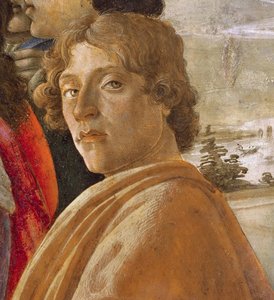
Sandro Botticelli, geboren Alessandro di Mariano di Vanni Filipepi um 1445, war eine zentrale Figur im frühen italienischen Frührenaissance der Malerei. Zunächst posthumig vernachlässigt, wurde Botticellis Werk im späten 19. Jahrhundert von den Präraffaeliten revitalisiert und führte zu einer Neubewertung seiner künstlerischen Beiträge. Botticelli wurde in Florenz, Italien, geboren und lebte sein ganzes Leben im selben Viertel. Seine Familie, darunter sein Vater Mariano di Vanni d’Amedeo Filipepi, war in verschiedene Berufe involviert, was sie mit Künstlern in Kontakt brachte. Giorgio Vasari berichtete, dass Botticelli zunächst als Goldschmied ausgebildet wurde.Künstlerischer Stil und bemerkenswerte Werke
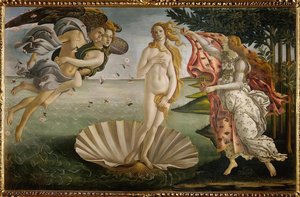
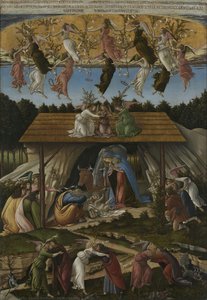
Botticellis Werk ist durch elegante Linearität gekennzeichnet, die die Lücke zwischen der späten italienischen Gotik und dem frühen Frührenaissance schließt. Seine berühmtesten Werke, die Geburt des Venus und Primavera, werden in der Uffizialleerie in Florenz ausgestellt, die eine bedeutende Sammlung seiner Kunst beherbergt. * die Geburt des Venus (ansicht auf ArtsDot) * Primavera (Sandro Botticellis Kunst erkunden auf ArtsDot) * Mystische Geburt (Nationalgalerie, London), datiert 1501, ist das einzige Werk von Botticelli mit einem klaren Datum.Vermächtnis und Einfluss
Botticellis Stil entwickelte sich in den 1490er Jahren zu einem persönlicheren Ansatz und unterschied sich von Zeitgenossen wie Leonardo da Vinci und dem aufkommenden Hochrenaissance-Stil. Sein Werk wurde als bedeutende Beiträge zur italienischen Renaissance Kunstbewegung anerkannt. * Die italienische Renaissance Kunstbewegung * Sandro Botticelli auf Wikipedia- Bekannte Künstler der italienischen Renaissance umfassen Sandro Botticelli, Leonardo da Vinci, Michelangelo und Tizian.
- Die Uffizialleerie in Florenz beherbergt eine bedeutende Sammlung von Botticellis Kunst.
- Botticellis Werk wurde als eine zentrale Figur im frühen italienischen Frührenaissance der Malerei anerkannt.
Sandro Botticelli
1445 - 1510 , Italien
Kurzinfos
- Beeinflusste Künstler: ['Präraffaeliten']
- Bemerkenswerte Werke:
- Die Geburt der Venus
- Primavera
- Mystische Geburt
- Einflussreiche Künstler:
- Fra Angelico
- Paolo Uccello
- Geburtsdatum: ca. 1445
- Geburtsort: Florenz, Italien
- Künstlerische Bewegung: Frührenaissance
- Nationalität: Italienisch
- Sterbedatum: 1510
- Vollständiger Name: Sandro Botticelli
Ähnliche Artikel
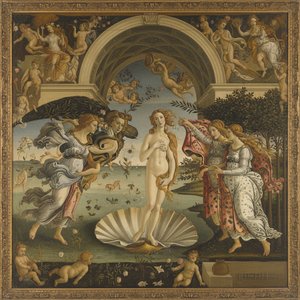
Sandro Botticelli: Die 25 Meisterwerke des Renaissance-Genies – Kunst für Ihr Zuhause
Entdecken Sie die 25 schönsten Meisterwerke von Sandro Botticelli! Erleben Sie die Renaissance-Kunst mit 'Geburt der Venus', 'Primavera' & mehr. Hochwertige Reproduktionen für Ihr Zuhause – jetzt auf ArtsDot.com!
Dante Gabriel Rossetti: Die 25 Meisterwerke des Präraffelitismus | ArtsDot
Entdecken Sie die 25 schönsten Gemälde von Dante Gabriel Rossetti! Tauchen Sie ein in die Welt der Präraffeliten, symbolistischer Kunst & viktorianischer Romantik. Hochwertige Reproduktionen für Ihr Zuhause – jetzt bei ArtsDot.com!
The Refined Aesthetic of Victorian Illustration: A Study in Narrative & Technique
Explore the captivating world of Victorian illustration! Discover Pre-Raphaelite influences, key artists like Rossetti & Stephens, and the era's rich narrative detail. A deep dive for art enthusiasts.

Angelo Chiacchio: A Mid-Century American Illustration Master & the Rise of Commercial Art
Explore the captivating world of Angelo Chiacchio, a master of mid-century American illustration. Discover his evolution, signature style, and lasting impact on commercial art & design. Learn about his legacy at the Museum of American Illustration.

Kay Rasmus Nielsen: A Golden Age Illustrator's Enchanting Legacy of Symbolism & Narrative
Explore the captivating world of Kay Rasmus Nielsen, a celebrated Golden Age illustrator renowned for his Art Nouveau fairy tale art & Disney contributions. Discover his unique style, enduring legacy, and how to collect his enchanting works.