

 Vorschau anzeigen
 Versenden
 Teilen
 Details anzeigen

 Herunterladen
 Ähnliche Objekte
 Röntgenaufnahme
 Diashow
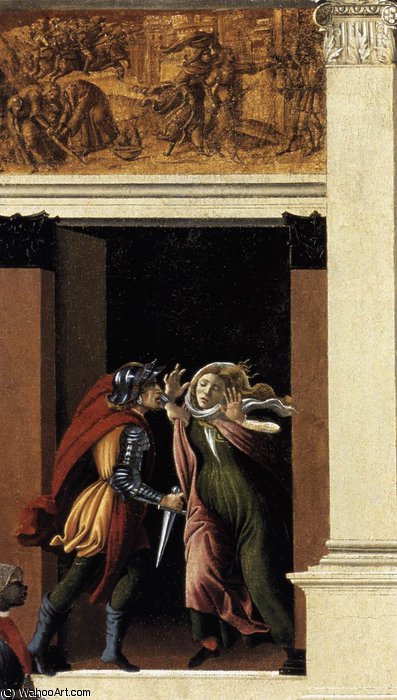
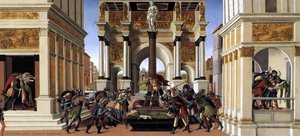
The Story of Lucretia (detail)

 Weiterlesen
Erwerben Sie ein hochauflösendes, optimiertes digitales Bild, das der Online-Vorschau weit überlegen ist.
Jede Datei wird von unseren hauseigenen Spezialisten mit modernsten Werkzeugen und fachmännischer manueller Retusche sorgfältig vorbereitet. Wir stellen sicher, dass jedes Bild eine außergewöhnliche Klarheit, präzise Farbgenauigkeit und feinste Details aufweist.
Die endgültige Datei wird innerhalb von 72 Stunden per E-Mail zugestellt und ist für den sofortigen Einsatz in professionellen, redaktionellen und Druckumgebungen optimiert. Es handelt sich um dieselbe Qualität, der führende Designstudios, Verlage und Galerien vertrauen.
Digitales Bild
Laden Sie eine hochauflösende Datei für die persönliche Präsentation, den Druck und kreative Projekte herunter. ( Druck bestellen Handgemalte Reproduktion bestellen)
In jeder Bestellung digitaler Bilder enthalten
Professionelle digitale Bereitstellung, garantiert
Wenn Sie sich für ArtsDot.com entscheiden, erhalten Sie nicht nur ein Bild – Sie erhalten ein professionell aufbereitetes digitales Kunstwerk, das mit höchster Präzision erstellt und durch eine Zufriedenheitsgarantie abgesichert wird. Hier ist alles, was automatisch mit Ihrer Bestellung geliefert wird:

Schnelle E-Mail-Zustellung
Ihre hochauflösende digitale Bilddatei wird Ihnen innerhalb von 72 Stunden nach der Bestellung per E-Mail zugestellt – bereit zur sofortigen Verwendung.

KI-optimierte digitale Datei
Ihre Kunstwerke werden professionell mithilfe fortschrittlicher KI-Tools und manueller Bearbeitung optimiert, um maximale Detailtreue, Klarheit und Farbgenauigkeit zu gewährleisten.

Lebenslanger kostenloser Neudruckservice
Datei versehentlich gelöscht oder verloren? Keine Sorge – wir senden sie Ihnen jederzeit kostenlos erneut zu.

Keine Einfuhrgebühren – jemals
Genießen Sie Ihr Kunstwerk sofort ohne Zollgebühren, Einfuhrabgaben oder Versandkosten – digitale Downloads sind immer steuerfrei.

Garantierte Farbtreue
Wir garantieren, dass Ihr digitales Bild mithilfe professioneller Werkzeuge und Farbmanagement die Originalfarben so präzise wie möglich wiedergibt.

60-Tage-Zufriedenheitsgarantie
Sollten Sie mit Ihrem digitalen Bild nicht zufrieden sein, werden wir es überarbeiten oder Ihnen innerhalb von 60 Tagen 100% erstatten – ohne Wenn und Aber.

100% Geld-zurück-Garantie
Nicht zufrieden? Erhalten Sie innerhalb von 60 Tagen nach Erhalt Ihrer digitalen Datei eine vollständige Rückerstattung – ohne Angabe von Gründen.

Rabatte bei Großbestellungen
3 Bilder kaufen, 10% sparen – 5 Bilder kaufen, 15% sparen – Ab 10 Bildern 20% sparen. Ideal für kreative Projekte, Galerien und Agenturen.
Details zum Sammlerstück
A Chronicle of Roman Tragedy: Botticelli's "The Story of Lucretia"
Sandro Botticelli’s “The Story of Lucretia” is not merely a depiction of a classical myth; it’s a profound meditation on honor, betrayal, and the devastating consequences of unchecked power. Executed with the characteristic grace and meticulous detail that define Botticelli's oeuvre, this painting captures a pivotal moment in Roman history – the suicide of Lucretia after she was violated by Sextus Tarquinius, son of the tyrannical King Tarquin Superbus. The scene unfolds with an arresting intensity, drawing the viewer into the heart of this tragic narrative and prompting reflection on themes that resonate across centuries.
- Historical Context: The story of Lucretia is rooted in Livy’s *Ab Urbe Condita*, a foundational text of Roman history. It served as a potent allegory for the overthrow of the monarchy and the establishment of the Republic, embodying virtues like courage, integrity, and resistance against tyranny. Botticelli's interpretation aligns with this historical significance, elevating Lucretia to a symbol of female virtue tragically extinguished by corrupt authority.
- Botticelli’s Style: Characteristic of Botticelli’s mature style, the composition is dominated by flowing lines and elegant figures, imbued with a sense of ethereal beauty. The artist employs a tempera-on-panel technique, known for its luminous quality and ability to retain fine detail – qualities that are particularly evident in the rendering of Lucretia's face, conveying both anguish and resolute dignity.
Symbolism and Narrative Composition
The painting’s narrative is meticulously constructed. Lucretia, positioned centrally, embodies passive resistance and unwavering moral fortitude. Her posture, though vulnerable, speaks volumes about her refusal to compromise her honor. The man holding the knife represents a desperate attempt at defense, highlighting the violation's brutal nature and the urgency of the situation. Sextus Tarquinius, depicted with a predatory gaze, symbolizes the corrupting influence of power and the threat it poses to virtue. The surrounding figures – likely attendants or witnesses – contribute to the scene’s dramatic tension, amplifying the emotional weight of the event.
- Color Palette: Botticelli utilizes a restrained yet evocative color palette dominated by cool blues, greens, and ochres. These muted tones heighten the sense of solemnity and underscore the tragic nature of the story. The use of red, sparingly applied to Lucretia’s garment, draws attention to her sacrifice and symbolizes her blood – both literally and figuratively.
- Gesture and Expression: Botticelli's masterful handling of gesture and expression is crucial to conveying the emotional core of the scene. Lucretia’s downcast eyes and slightly parted lips communicate profound sorrow, while Sextus Tarquinius’s aggressive stance embodies his transgression. These subtle details elevate the painting beyond a simple narrative illustration.
Emotional Impact and Artistic Legacy
"The Story of Lucretia" transcends its historical origins to offer a timeless exploration of human suffering and moral courage. Botticelli's ability to capture such intense emotion through his figures is remarkable, inviting viewers to contemplate the complexities of honor, shame, and justice. This painting stands as a testament to Botticelli’s artistic genius and his profound understanding of the human condition. Its influence can be seen in countless subsequent works exploring themes of tragedy and virtue.
- Technical Detail: The meticulous detail evident in the rendering of fabrics, armor, and facial features demonstrates Botticelli's exceptional technical skill and his commitment to realism within a stylized framework.
- Subject Matter Relevance: The painting’s themes – justice, tyranny, and female virtue – continue to resonate with audiences today, solidifying its place as one of Botticelli’s most enduring masterpieces.
Ähnliche Kunstwerke
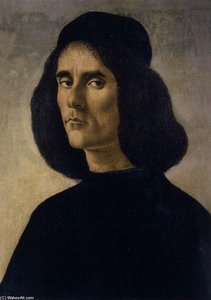
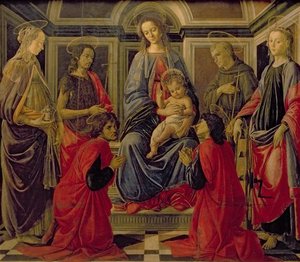
Biografie des Künstlers
frühes Leben und Ausbildung
Sandro Botticelli, geboren Alessandro di Mariano di Vanni Filipepi um 1445, war eine zentrale Figur im frühen italienischen Frührenaissance der Malerei. Zunächst posthumig vernachlässigt, wurde Botticellis Werk im späten 19. Jahrhundert von den Präraffaeliten revitalisiert und führte zu einer Neubewertung seiner künstlerischen Beiträge. Botticelli wurde in Florenz, Italien, geboren und lebte sein ganzes Leben im selben Viertel. Seine Familie, darunter sein Vater Mariano di Vanni d’Amedeo Filipepi, war in verschiedene Berufe involviert, was sie mit Künstlern in Kontakt brachte. Giorgio Vasari berichtete, dass Botticelli zunächst als Goldschmied ausgebildet wurde.Künstlerischer Stil und bemerkenswerte Werke
Botticellis Werk ist durch elegante Linearität gekennzeichnet, die die Lücke zwischen der späten italienischen Gotik und dem frühen Frührenaissance schließt. Seine berühmtesten Werke, die Geburt des Venus und Primavera, werden in der Uffizialleerie in Florenz ausgestellt, die eine bedeutende Sammlung seiner Kunst beherbergt. * die Geburt des Venus (ansicht auf ArtsDot) * Primavera (Sandro Botticellis Kunst erkunden auf ArtsDot) * Mystische Geburt (Nationalgalerie, London), datiert 1501, ist das einzige Werk von Botticelli mit einem klaren Datum.Vermächtnis und Einfluss
Botticellis Stil entwickelte sich in den 1490er Jahren zu einem persönlicheren Ansatz und unterschied sich von Zeitgenossen wie Leonardo da Vinci und dem aufkommenden Hochrenaissance-Stil. Sein Werk wurde als bedeutende Beiträge zur italienischen Renaissance Kunstbewegung anerkannt. * Die italienische Renaissance Kunstbewegung * Sandro Botticelli auf Wikipedia- Bekannte Künstler der italienischen Renaissance umfassen Sandro Botticelli, Leonardo da Vinci, Michelangelo und Tizian.
- Die Uffizialleerie in Florenz beherbergt eine bedeutende Sammlung von Botticellis Kunst.
- Botticellis Werk wurde als eine zentrale Figur im frühen italienischen Frührenaissance der Malerei anerkannt.
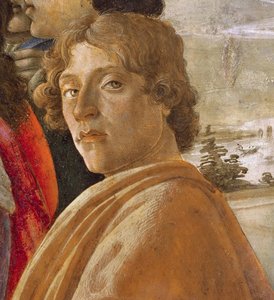
Sandro Botticelli
1445 - 1510 , Italien
Kurzinfos
- Beeinflusste Künstler: ['Präraffaeliten']
- Bemerkenswerte Werke:
- Die Geburt der Venus
- Primavera
- Mystische Geburt
- Einflussreiche Künstler:
- Fra Angelico
- Paolo Uccello
- Geburtsdatum: ca. 1445
- Geburtsort: Florenz, Italien
- Künstlerische Bewegung: Frührenaissance
- Nationalität: Italienisch
- Sterbedatum: 1510
- Vollständiger Name: Sandro Botticelli

