 Vorschau anzeigen
 Versenden
 Teilen
 Details anzeigen

 Herunterladen
 Ähnliche Objekte
 Röntgenaufnahme
 Diashow
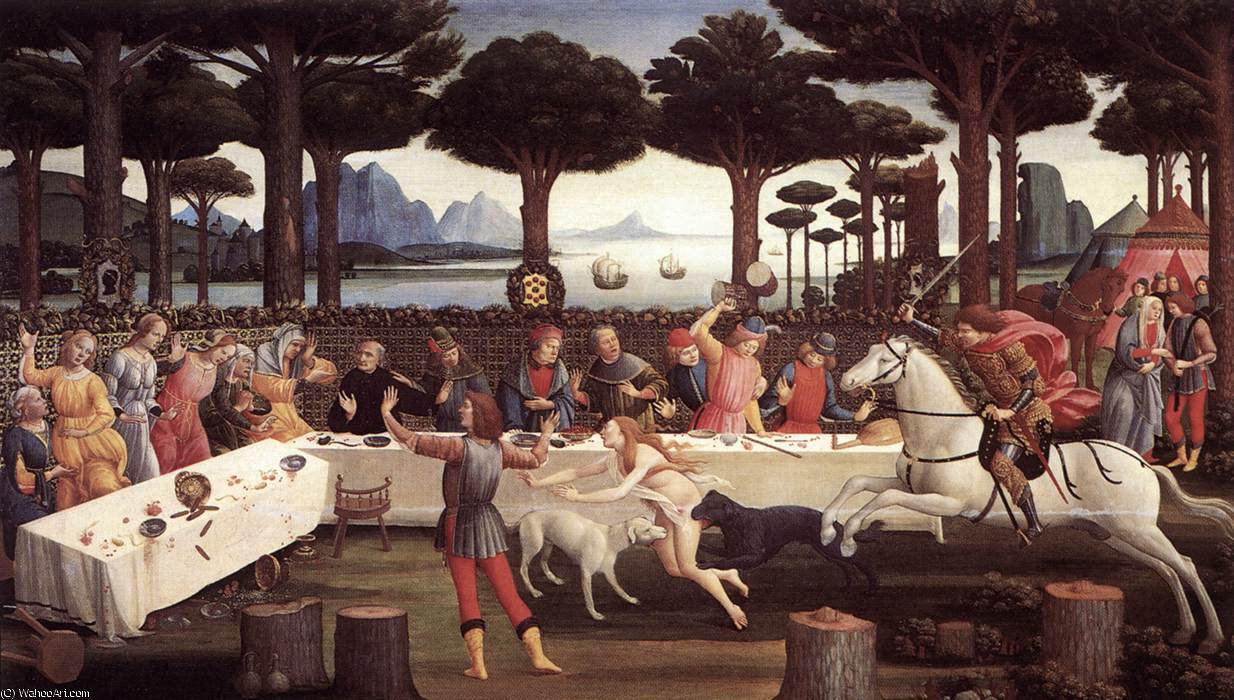
The Story of Nastagio degli Onesti


 Weiterlesen
Giclée / Kunstdruck
Giclée- oder Leinwanddruck in Museumsqualität mit schneller Produktion und flexiblen Veredelungsoptionen. ( Handgemalte Reproduktion bestellen Bild kaufen)




P118B $10

P118H $10

P118W $10

P438Z $10

P508JH $12

P508YH $12

P805H $10

P805Z $10

P919BZ $10

P919G $10

P919XJ $10

P959ZH $10

P968JZ $12

W106C $8

W218G $10

W218JH $8

W218Y $10

W307PJ $10

W316G $10

W316PJ $8

W316Y $10

W398PJ $8

W4111J $10

W500HY $15

W500JH $15

W692G $12

W849H $8

W940BG $15

W953PJ $8




Wählen Sie aus unseren vordefinierten Formaten, die den ursprünglichen Proportionen des Kunstwerks entsprechen.

Sie können Ihre eigenen Maße eingeben, um ein bestimmtes Format oder einen speziellen Platz einzupassen. Wenn das von Ihnen gewählte Format nicht den Proportionen des Originalbildes entspricht, werden wir das Kunstwerk entweder beschneiden oder das Bild mit einem gespiegelten oder einfarbigen Rand erweitern. Ein digitaler Entwurf wird Ihnen zur Genehmigung zugesandt, bevor die Produktion beginnt.
Bitte beachten Sie, dass die Vorschau auf dem Bildschirm nicht den tatsächlichen Zuschnitt oder die Erweiterung widerspiegelt. Nur der Entwurf zeigt die endgültige Komposition präzise an.
Obwohl Sondermaße verfügbar sind, empfehlen wir die Auswahl eines Maßes aus der vordefinierten Liste, um die ursprünglichen Proportionen zu bewahren.
Weltweiter Versand () innerhalb von 2 Wochen statt der üblichen 4/5 Wochen. (25 August)

Kostenloser weltweiter Expressversand

Hochwertige Leinenleinwand

Umfassender Versicherungsschutz beim Versand

Zollgebühren-Rückerstattungsgarantie

Garantie für exakte Farbtreue

60 Tage Rückgaberecht (nur bei Mängeln)

100% Geld-zurück-Garantie

Mengenrabatt verfügbar
 Die Glasoption ist nur für Größen unter 110 cm verfügbar.

The Story of Nastagio degli Onesti
Giclée / Kunstdruck
Format der Reproduktion
-


Gesamtpreis
$ 62
Sammlerstück-Beschreibung
A Tapestry of Human Emotion and Renaissance Grace
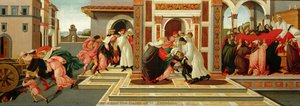
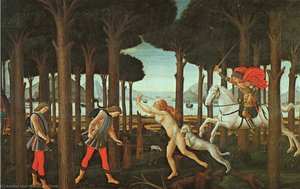
In the luminous realm of the Florentine Renaissance, few works capture the delicate interplay between earthly passion and spectral justice as poignantly as Sandro Botticelli’s “The Story of Nastagio degli Onesti.” This masterpiece, born from the fertile literary imagination of Giovanni Boccaccio’s Decameron, is far more than a mere illustration of a tale; it is a profound meditation on the complexities of unrequited love and the pursuit of redemption. As one gazes upon this tempera on wood panel, one is immediately transported to a world where the boundaries between reality and myth blur, inviting the viewer into a narrative that is as much about the human heart as it is about the dramatic events unfolding within the frame.
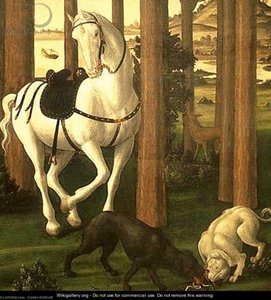
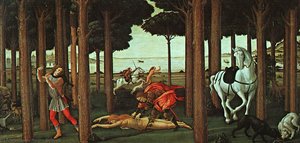
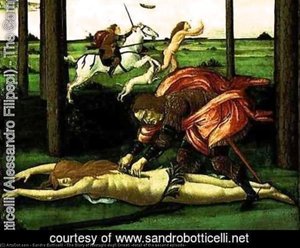
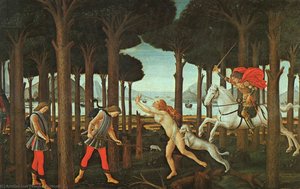
The scene unfolds with a breathtaking cinematic quality, presenting a pivotal moment in Nastagio’s romantic odyssey. Botticelli masterfully orchestrates a gathering of figures around a dining table, where the abundance of food and the presence of noble horses serve as symbols of status and vitality. Yet, beneath this surface of courtly elegance lies a deeper, more unsettling tension. The meticulous arrangement of characters—some engaged in quiet conversation, others lost in thought—creates a sense of lived experience, grounding the fantastical elements of the story in a palpable, breathing reality. For the discerning collector, this painting offers an unparalleled window into the humanist spirit of the 15th century, where every detail is a deliberate brushstroke of storytelling.
Mastery of Technique and the Luminous Glow of Tempera
To behold this work is to witness the pinnacle of Botticelli’s technical prowess. Utilizing the traditional medium of tempera on wood, the artist achieved a level of precision and luminosity that remains awe-inspiring centuries later. The tempera technique, requiring a disciplined and patient application of pigment, allows for a remarkable clarity of line and a subtle gradation of tones. This is evident in the delicate contours of the human figures and the rich, varied textures of the fabrics that drape elegantly across the scene. The light does not merely hit the surface; it seems to emanate from within the panel itself, casting a soft, ethereal glow that breathes life into the lush landscapes and polished surfaces.
For interior designers and lovers of fine art, the visual impact of such craftsmanship is profound. The painting’s ability to balance intricate detail with a cohesive, harmonious composition makes it a commanding presence in any curated space. Whether placed in a sunlit gallery or a sophisticated study, the work’s subtle interplay of light and shadow provides a sense of depth and movement that captivates the eye. It is a piece that demands contemplation, rewarding the viewer with new discoveries—a glint on a silver cup, the soft musculature of a horse, or the fleeting expression on a face—with every encounter.
A Timeless Legacy for the Modern Collector
Beyond its aesthetic splendor, “The Story of Nastagio degli Onesti” carries an emotional weight that transcends time. It speaks to the universal experiences of longing, deception, and the transformative power of fate. The inclusion of subtle symbols, such as the passage of time suggested by a clock or the nobility represented by the central horse, adds layers of intellectual depth for those who seek art with substance. This is not merely a decorative object; it is a narrative vessel that carries the echoes of Florentine history and the enduring human condition.
Owning a high-quality reproduction of this Botticelli masterpiece allows one to bring a piece of the Renaissance into the contemporary home. It serves as an anchor of culture and sophistication, offering a continuous dialogue between the classical past and the modern present. For those looking to inspire awe in guests or find personal solace in the beauty of historical storytelling, this artwork stands as a testament to the eternal power of art to capture the soul.
Ähnliche Kunstwerke
Über den Künstler
frühes Leben und Ausbildung
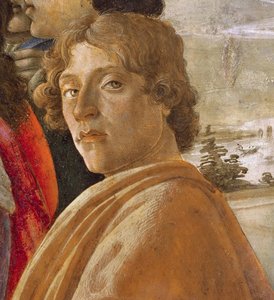
Sandro Botticelli, geboren Alessandro di Mariano di Vanni Filipepi um 1445, war eine zentrale Figur im frühen italienischen Frührenaissance der Malerei. Zunächst posthumig vernachlässigt, wurde Botticellis Werk im späten 19. Jahrhundert von den Präraffaeliten revitalisiert und führte zu einer Neubewertung seiner künstlerischen Beiträge. Botticelli wurde in Florenz, Italien, geboren und lebte sein ganzes Leben im selben Viertel. Seine Familie, darunter sein Vater Mariano di Vanni d’Amedeo Filipepi, war in verschiedene Berufe involviert, was sie mit Künstlern in Kontakt brachte. Giorgio Vasari berichtete, dass Botticelli zunächst als Goldschmied ausgebildet wurde.Künstlerischer Stil und bemerkenswerte Werke
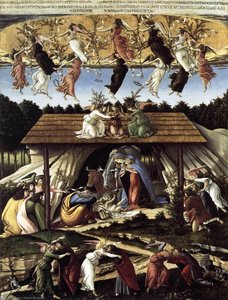
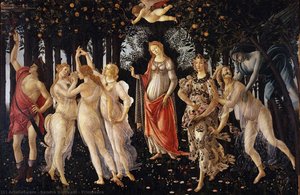
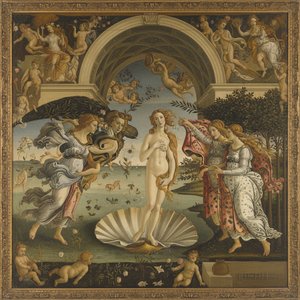
Botticellis Werk ist durch elegante Linearität gekennzeichnet, die die Lücke zwischen der späten italienischen Gotik und dem frühen Frührenaissance schließt. Seine berühmtesten Werke, die Geburt des Venus und Primavera, werden in der Uffizialleerie in Florenz ausgestellt, die eine bedeutende Sammlung seiner Kunst beherbergt. * die Geburt des Venus (ansicht auf ArtsDot) * Primavera (Sandro Botticellis Kunst erkunden auf ArtsDot) * Mystische Geburt (Nationalgalerie, London), datiert 1501, ist das einzige Werk von Botticelli mit einem klaren Datum.Vermächtnis und Einfluss
Botticellis Stil entwickelte sich in den 1490er Jahren zu einem persönlicheren Ansatz und unterschied sich von Zeitgenossen wie Leonardo da Vinci und dem aufkommenden Hochrenaissance-Stil. Sein Werk wurde als bedeutende Beiträge zur italienischen Renaissance Kunstbewegung anerkannt. * Die italienische Renaissance Kunstbewegung * Sandro Botticelli auf Wikipedia- Bekannte Künstler der italienischen Renaissance umfassen Sandro Botticelli, Leonardo da Vinci, Michelangelo und Tizian.
- Die Uffizialleerie in Florenz beherbergt eine bedeutende Sammlung von Botticellis Kunst.
- Botticellis Werk wurde als eine zentrale Figur im frühen italienischen Frührenaissance der Malerei anerkannt.
Sandro Botticelli
1445 - 1510 , Italien
Kurzinfos
- Beeinflusste Künstler: ['Präraffaeliten']
- Bemerkenswerte Werke:
- Die Geburt der Venus
- Primavera
- Mystische Geburt
- Einflussreiche Künstler:
- Fra Angelico
- Paolo Uccello
- Geburtsdatum: ca. 1445
- Geburtsort: Florenz, Italien
- Künstlerische Bewegung: Frührenaissance
- Nationalität: Italienisch
- Sterbedatum: 1510
- Vollständiger Name: Sandro Botticelli
Ähnliche Artikel
Sandro Botticelli: Die 25 Meisterwerke des Renaissance-Genies – Kunst für Ihr Zuhause
Entdecken Sie die 25 schönsten Meisterwerke von Sandro Botticelli! Erleben Sie die Renaissance-Kunst mit 'Geburt der Venus', 'Primavera' & mehr. Hochwertige Reproduktionen für Ihr Zuhause – jetzt auf ArtsDot.com!
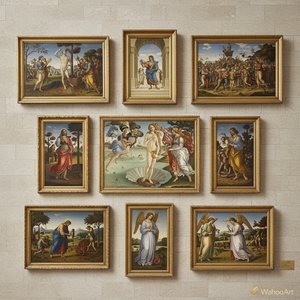
Frührenaissance: Die 10 Meisterwerke, die eine Epoche prägten – Kunst für Ihr Zuhause
Entdecken Sie die 10 prägendsten Meisterwerke der Frührenaissance! Von Giotto bis Botticelli – erleben Sie Kunstgeschichte hautnah. Hochwertige Reproduktionen für Ihr Zuhause auf .
Die 25 Meisterwerke der Uffizien: Kunstgeschichte für Ihr Zuhause | ArtsDot
Entdecken Sie die 25 berühmtesten Meisterwerke der Uffizien, Florenz! Von Botticelli bis Leonardo da Vinci – Kunstgeschichte erleben. Hochwertige Reproduktionen & Inspiration für Ihr Zuhause auf ArtsDot.com.
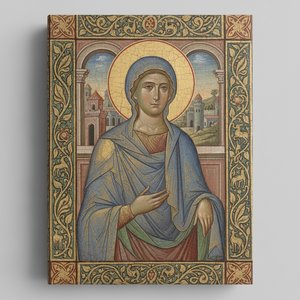
Meisterwerke der Temperamalerei: 10 Panelbilder, die Kunstgeschichte schrieben | ArtsDot
Entdecken Sie die 10 legendärsten Meisterwerke der Temperamalerei auf Holz! Von Giotto bis Botticelli – erfahren Sie die Geschichten hinter ikonischen Panelbildern und lassen Sie sich von Renaissance-Kunst inspirieren. Hochwertige Reproduktionen finden Sie auf ArtsDot.com.
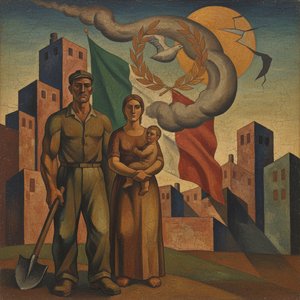
Mario Sironi: Eine Poetik der modernen italienischen Identität zwischen Symbolismus und Gesellschaftskritik
Entdecken Sie Mario Sironis wegweisendes Werk und seine Auseinandersetzung mit der italienischen Identität. Analysen, Biografie, Novecento Italiano & die politische Dimension – Expertenwissen auf ArtsDot.