

 Vorschau anzeigen
 Versenden
 Teilen
 Details anzeigen

 Herunterladen
 Ähnliche Objekte
 Röntgenaufnahme
 Diashow
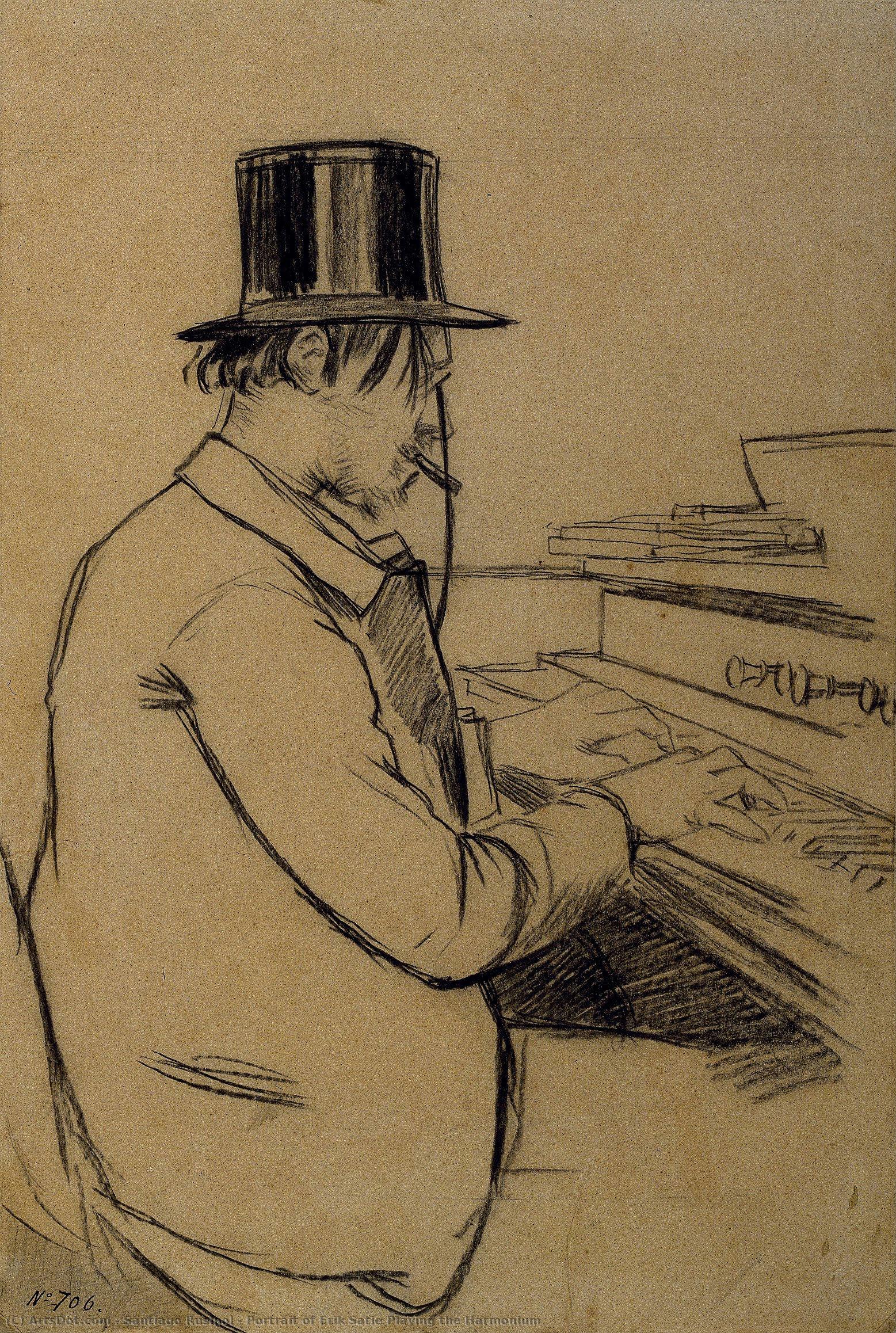
Portrait of Erik Satie Playing the Harmonium
 Oil On Canvas
- WallArt
- Catalan Modernisme
 1891
1891- 19th Century
 197.0 x 292.0 cm
 Museu Nacional d’Art de Catalunya
 Weiterlesen
Handgefertigte Ölreproduktion
Handgemaltes Ölgemälde auf Leinwand in Ihrer Wunschgröße und mit Rahmen, auf Bestellung von unseren Künstlern angefertigt. ( Druck bestellen Bild kaufen)




P118B $10

P118H $10

P118W $10

P438Z $10

P508JH $12

P508YH $12

P805H $10

P805Z $10

P919BZ $10

P919G $10

P919XJ $10

P959ZH $10

P968JZ $12

W106C $8

W218G $10

W218JH $8

W218Y $10

W307PJ $10

W316G $10

W316PJ $8

W316Y $10

W398PJ $8

W4111J $10

W500HY $15

W500JH $15

W692G $12

W849H $8

W940BG $15

W953PJ $8




Wählen Sie aus unseren vordefinierten Formaten, die den ursprünglichen Proportionen des Kunstwerks entsprechen.

Sie können Ihre eigenen Maße eingeben, um einen bestimmten Rahmen oder Platz auszufüllen. Wenn die gewählte Größe nicht den Proportionen des Originalbildes entspricht, werden wir das Kunstwerk entweder beschneiden oder das Gemälde durch zusätzliche, handgemalte Elemente erweitern. Ein digitales Mockup wird Ihnen zur Genehmigung zugesandt, bevor die Produktion beginnt.
Bitte beachten Sie, dass die Bildschirmvorschau nicht die tatsächliche Beschneidung oder Erweiterung widerspiegelt. Nur das Mockup zeigt die endgültige Komposition exakt an.
Obwohl Sondermaße verfügbar sind, empfehlen wir, eine Größe aus der vordefinierten Liste zu wählen, um die ursprünglichen Proportionen beizubehalten.
Nach der Bestellung wird das ArtsDot.com-Team dem Kunden Anweisungen per E-Mail zusenden und eine Mockup-Vorschau bereitstellen.
Weltweiter Versand () in nur 3 bis 4 Wochen statt der üblichen 5 Wochen. (28 August). Keine Kompromisse bei der Qualität.

Kostenloser weltweiter Expressversand

Hochwertige Leinenleinwand

Umfassender Versicherungsschutz beim Versand

Zollgebühren-Rückerstattungsgarantie

Garantie für exakte Farbtreue

60 Tage Rückgaberecht (nur bei Mängeln)

100% Geld-zurück-Garantie

Mengenrabatt verfügbar
 Die Glasoption ist nur für Größen unter 110 cm verfügbar.

Portrait of Erik Satie Playing the Harmonium
Art der Reproduktion
Format der Reproduktion
-


Gesamtpreis
$ 263
A Portrait of Melancholy Genius: Santiago Rusiñol's "Portrait of Erik Satie Playing the Harmonium"
Santiago Rusiñol’s “Portrait of Erik Satie Playing the Harmonium” (1891) is more than a simple depiction of a musician; it’s a poignant meditation on artistic isolation, intellectual contemplation, and the burgeoning spirit of Modernisme that was reshaping Barcelona at the turn of the century. Executed in stark black and white, the drawing captures a moment of profound stillness within a cluttered, almost claustrophobic, interior space – a space that speaks volumes about Satie’s character and Rusiñol's artistic vision.
- The Subject: The central figure is Erik Satie, the notoriously reclusive French composer, rendered with an unflinching realism. He sits hunched over a harmonium, his posture suggesting both intense concentration and a certain weariness. The inclusion of a cigarette – a common motif in Rusiñol’s work – adds to the impression of a man lost in thought, seeking solace in habit and solitude.
- Composition & Technique: Rusiñol's masterful use of line is immediately striking. He employs a loose, expressive style reminiscent of Impressionism, yet grounded in the solid forms of Realism. The drawing’s texture is achieved through varying pressures on the charcoal, creating areas of deep shadow and delicate highlights that define Satie’s face and the contours of the instrument.
Historical Context: Barcelona and the Modernisme Movement
Created in 1891, this portrait reflects a crucial period in Rusiñol's artistic development and aligns perfectly with the broader currents of Catalan Modernisme. Barcelona was undergoing a dramatic transformation – a surge of architectural innovation, industrial growth, and a fervent desire to forge a distinctly Catalan identity. Rusiñol, deeply involved in this movement, sought to capture not just physical appearances but also the spirit of his time. The presence of books scattered around the room hints at Satie’s intellectual pursuits, reflecting the Modernist emphasis on knowledge, experimentation, and challenging traditional norms.
- Catalan Modernisme: This movement championed a new aesthetic rooted in Catalan identity, incorporating elements of Gothic Revival, Art Nouveau, and Symbolism. Rusiñol's work embodies this spirit through its expressive brushwork and exploration of themes relevant to the modern age.
- Rusiñol’s Early Career: Prior to this portrait, Rusiñol had been exploring Orientalist themes and historical subjects, demonstrating a versatility that would later define his career. His travels throughout Spain undoubtedly informed his artistic sensibilities, exposing him to diverse cultural influences.
Symbolism and Emotional Resonance
The composition of the drawing is laden with symbolic weight. The cluttered room – filled with books and discarded objects – suggests a mind overflowing with ideas, perhaps bordering on obsession. Satie’s solitary activity reinforces the theme of isolation, a characteristic often associated with creative genius. The dark tones contribute to a sense of melancholy and introspection, inviting viewers to contemplate the artist's inner world. The act of playing the harmonium itself can be interpreted as an attempt to impose order on chaos, or perhaps simply a means of finding refuge from the pressures of the outside world.
- The Harmonium: As a relatively inexpensive instrument, the harmonium represented accessibility to music for those who couldn't afford grand pianos. It also symbolized introspection and quiet contemplation.
- Mood & Atmosphere: The overall effect is one of quiet intensity – a snapshot of a moment suspended in time, capturing the essence of a brilliant but troubled artist.
A Statement Piece for Your Space
This hand-painted reproduction of Santiago Rusiñol’s “Portrait of Erik Satie Playing the Harmonium” offers an exceptional opportunity to bring a touch of artistic brilliance into your home or office. Measuring 197 x 292 cm, this large format piece commands attention and creates a focal point within any room. The meticulous detail and rich tonal range faithfully recreate Rusiñol’s original drawing, ensuring that it will be a treasured addition to any art collection for years to come. Perfect for interior designers seeking to evoke a sense of intellectual curiosity and artistic contemplation, or collectors drawn to the evocative power of Modernisme.
Ähnliche Kunstwerke

Über den Künstler
Santiago Rusiñol: Ein Leben in Kunst und Modernisme
- Geboren: 25. Februar 1861, Barcelona, Spanien
- Gestorben: 13. Juni 1931, Aranjuez, Spanien
- Nationalität: Spanisch
- Bewegung: Katalanischer Modernisme, Symbolismus, Impressionismus
Frühes Leben und künstlerische Entwicklung
- Rusiñol wurde in eine Familie von Textilindustriellen in Manlleu geboren, zog später aber nach Barcelona. Trotz familiärer Erwartungen verfolgte er schon in jungen Jahren seine Leidenschaft für die Kunst.
- Er erhielt seine erste Ausbildung im Centro de Acuarelistas de Barcelona unter Tomás Moragas und konzentrierte sich auf Aquarelltechniken und Realismusprinzipien.
- Frühe Werke spiegelten Orientalismen und historische Themen wider, bevor sie in den 1880er Jahren zu Stadtansichten und Landschaften übergingen.
- Seine Reisen durch Spanien beeinflussten seine künstlerische Entwicklung erheblich und setzten ihn verschiedenen kulturellen und architektonischen Umgebungen aus.
Pariser Einflüsse und künstlerische Reife
- 1889 zog Rusiñol nach Paris, ein entscheidender Moment in seiner Karriere. Er lebte in Montmartre zusammen mit anderen Künstlern wie Ramon Casas und Ignacio Zuloaga.
- Die Pariser Kunstszene eröffnete ihm den Impressionismus und Symbolismus und prägte seine künstlerische Stilrichtung tiefgreifend. Er wurde von Künstlern wie Edgar Degas und Pierre-Auguste Renoir beeinflusst.
- Seine Gemälde dieser Zeit stellten oft das Stadtleben dar und fingen ein Gefühl der Einsamkeit und Melancholie durch lockere Pinselstriche und gedämpfte Töne ein.
- Er engagierte sich in literarischen Kreisen, arbeitete mit Symbolisten-Dichtern und Schriftstellern zusammen und bereicherte so seine künstlerische Vision weiter.
Rückkehr nach Katalonien und die Bewegung des katalanischen Modernisme
- Rusiñols Rückkehr nach Katalonien in den 1890er Jahren markierte ein bedeutendes Kapitel in seiner Karriere und die Entwicklung des katalanischen Modernisme.
- Er ließ sich in Sitges nieder und verwandelte es in ein kulturelles Zentrum für Künstler und Intellektuelle. Sein Haus, Cau Ferrat, wurde zu einem renommierten Kunstsalon.
- Rusiñol spielte eine Schlüsselrolle bei der Förderung der Modernismus-Bewegung zusammen mit Figuren wie Pere Romeu und Miquel Utrillo.
- Seine Gemälde konzentrierten sich in dieser Zeit zunehmend auf Landschaften, Gärten und architektonische Themen, was seine tiefe Verbindung zur Natur und katalanischen Identität widerspiegelte.
Vermächtnis und historische Bedeutung
- Santiago Rusiñol gilt als eine führende Figur des katalanischen Modernisme und hat maßgeblich zur künstlerischen und kulturellen Entwicklung der Bewegung beigetragen.
- Seine Gemälde werden für ihre Mischung aus Symbolisten-Einflüssen, impressionistischen Techniken und ergreifenden Darstellungen von Landschaften und Gärten gefeiert.
- Er hinterließ ein Vermächtnis modernistischer Gebäude in Sitges, das seinen Einfluss auf die katalanische Architektur und Stadtplanung weiter festigte.
- Rusiñols Werk inspiriert weiterhin Künstler und Kunstliebhaber gleichermaßen und zeigt die Schönheit und den kulturellen Reichtum Kataloniens während der Fin-de-Siècle-Ära.
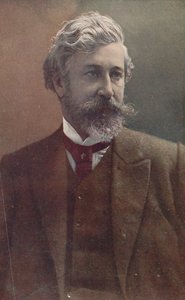
Santiago Rusiñol
1861 - 1931 , Spanien
Kurzinfos
- Beeinflusste Künstler:
- Edgar Degas
- James Abbot Whistler
- Bekannte Werke:
- Gärten von Aranjuez
- Porträt von Utrillo
- Mallorquinischer Garten
- Geburtsdatum: 25. Februar 1861
- Geburtsort: Barcelona, Spanien
- Künstlerische Richtung: Modernisme, Symbolismus
- Nationalität: Spanisch
- Sterbedatum: 13. Juni 1931
- Vollständiger Name: Santiago Rusiñol i Prats
- Von Künstlern Beeinflusst: ['Pablo Picasso']
Ähnliche Artikel

Giclée Prints: Archival Quality & Aesthetic Nuances for the Discerning Collector
Explore the world of giclée prints with ArtsDot. Learn about archival quality, aesthetic nuances & investment potential. Expert guidance for discerning art collectors seeking museum-quality reproductions and lasting value.

Die Top 10 berühmter Gemälde im Reich der dunklen Töne |
Entdecken Sie die Top 10 berühmter Gemälde, beherrscht von dunklen Tönen! Von Caravaggio bis Manet – erfahren Sie die Geschichten hinter Meisterwerken der Kunstgeschichte. Finden Sie Ihre perfekte Reproduktion auf .

The Enduring Legacy of Fine Art Prints: Technique, History & Aesthetic Impact
Explore the rich history & techniques of fine art prints. Discover investment potential, assess authenticity, and learn how to preserve your collection with expert guidance. Trusted insights for discerning collectors.

Echoes of Time: Exploring the Enduring Appeal & Historical Context of Vintage Art Prints
Explore the captivating world of vintage art prints! Discover their history, collecting tips & enduring appeal. Expert insights on chromolithography and building a legacy collection with ArtsDot.
The Enduring Legacy of Printmaking: Techniques, Themes & Artistic Innovation Across Centuries
Explore the rich history of printmaking with ArtsDot. Discover techniques from intaglio to lithography, learn about collecting valuable prints & find museum-quality reproductions. Expert insights for art enthusiasts and collectors.

