 Vorschau anzeigen
 Versenden
 Teilen
 Details anzeigen

 Herunterladen
 Ähnliche Objekte
 Röntgenaufnahme
 Diashow
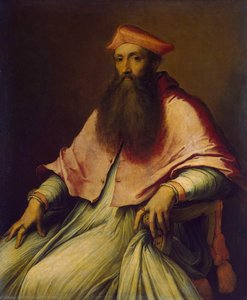
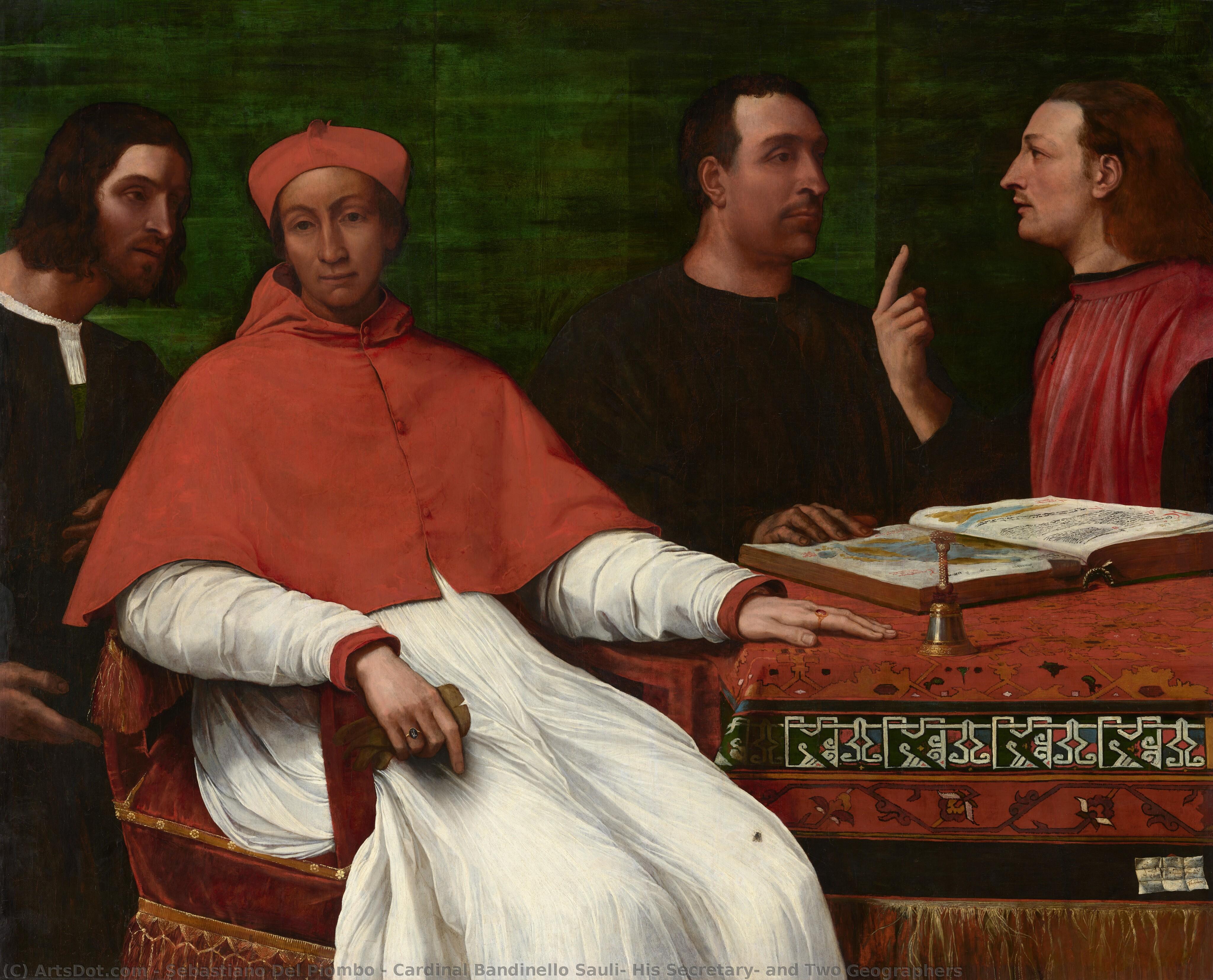
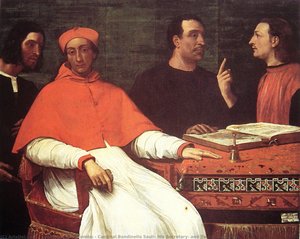
Cardinal Bandinello Sauli, His Secretary, and Two Geographers
 Oil On Panel
- High Renaissance
 1516
1516- Renaissance
 154.0 x 182.0 cm
 Weiterlesen
Handgefertigte Ölreproduktion
Handgemaltes Ölgemälde auf Leinwand in Ihrer Wunschgröße und mit Rahmen, auf Bestellung von unseren Künstlern angefertigt. ( Druck bestellen Bild kaufen)




P118B $10

P118H $10

P118W $10

P438Z $10

P508JH $12

P508YH $12

P805H $10

P805Z $10

P919BZ $10

P919G $10

P919XJ $10

P959ZH $10

P968JZ $12

W106C $8

W218G $10

W218JH $8

W218Y $10

W307PJ $10

W316G $10

W316PJ $8

W316Y $10

W398PJ $8

W4111J $10

W500HY $15

W500JH $15

W692G $12

W849H $8

W940BG $15

W953PJ $8




Wählen Sie aus unseren vordefinierten Formaten, die den ursprünglichen Proportionen des Kunstwerks entsprechen.

Sie können Ihre eigenen Maße eingeben, um einen bestimmten Rahmen oder Platz auszufüllen. Wenn die gewählte Größe nicht den Proportionen des Originalbildes entspricht, werden wir das Kunstwerk entweder beschneiden oder das Gemälde durch zusätzliche, handgemalte Elemente erweitern. Ein digitales Mockup wird Ihnen zur Genehmigung zugesandt, bevor die Produktion beginnt.
Bitte beachten Sie, dass die Bildschirmvorschau nicht die tatsächliche Beschneidung oder Erweiterung widerspiegelt. Nur das Mockup zeigt die endgültige Komposition exakt an.
Obwohl Sondermaße verfügbar sind, empfehlen wir, eine Größe aus der vordefinierten Liste zu wählen, um die ursprünglichen Proportionen beizubehalten.
Nach der Bestellung wird das ArtsDot.com-Team dem Kunden Anweisungen per E-Mail zusenden und eine Mockup-Vorschau bereitstellen.
Weltweiter Versand () in nur 3 bis 4 Wochen statt der üblichen 5 Wochen. (27 August). Keine Kompromisse bei der Qualität.

Kostenloser weltweiter Expressversand

Hochwertige Leinenleinwand

Umfassender Versicherungsschutz beim Versand

Zollgebühren-Rückerstattungsgarantie

Garantie für exakte Farbtreue

60 Tage Rückgaberecht (nur bei Mängeln)

100% Geld-zurück-Garantie

Mengenrabatt verfügbar
 Die Glasoption ist nur für Größen unter 110 cm verfügbar.

Cardinal Bandinello Sauli, His Secretary, and Two Geographers
Art der Reproduktion
Format der Reproduktion
-


Gesamtpreis
$ 263
Beschreibung des Kunstwerks
A Moment Frozen in Renaissance Splendor
In the quiet, focused atmosphere of a sixteenth-century study, Sebastiano del Piombo captures a profound moment of intellectual and ecclesiastical convergence. Cardinal Bandinello Sauli, His Secretary, and Two Geographers is not merely a portrait of powerful men; it is a window into the very soul of the High Renaissance, where theology, science, and diplomacy intertwined. The composition draws the viewer immediately to the commanding presence of Cardinal Sauli, whose steady, dark gaze pierches through the centuries to meet our own. Seated with an air of composed authority, the Cardinal serves as the gravitational center of the work, his vibrant red cap and voluminous white robes providing a brilliant contrast against the deep, forest-green backdrop that envelops the scene.
The painting breathes with a sense of lived reality, achieved through Sebastiano’s masterful command of texture and light. One cannot help but marvel at the meticulous detail—the way the light catches the gold rings on the Cardinal's fingers, or the subtle sheen of the wine-red velvet chair upon which he rests. In a stroke of breathtaking virtuosity, the artist even included a tiny, painted fly resting upon the Cardinal’s knee, a trompe l'oeil detail that blurs the line between the painted world and our own, reminding us of the fleeting nature of life amidst the permanence of art.
The Synthesis of Venetian Color and Roman Gravity
To understand this masterpiece, one must look to the unique biography of its creator. Sebastiano del Piombo was a painter of dual identities, possessing a Venetian soul tempered by Roman grandeur. Having been trained in the luminous, atmospheric traditions of Venice under the influence of masters like Giorgione, he brought an unparalleled ability to manipulate color and light to the more structured, monumental style of Rome. In this work, we see this synthesis at its peak. The rich, saturated hues—the crimson reds, the harvest yellows, and the deep blacks—speak to his Venetian heritage, while the imposing, sculptural weight of the figures reflects the Roman influence of contemporaries like Raphael.
The technique employed here is nothing short of extraordinary. The artist uses light not just to illuminate, but to sculpt form. Notice how the shadows fall softly across the faces of the secretaries and geographers, lending them a three-dimensional presence that feels almost tactile. This interplay of light and shadow creates a psychological depth, suggesting that the conversation occurring around the table is one of great weight and consequence. The patterned cloth covering the table, with its intricate weave of black, white, and gold, adds a layer of sensory richness that invites the eye to linger on the craftsmanship of the era.
An Intellectual Tapestry for the Discerning Collector
For the art lover or the interior designer, this painting offers much more than aesthetic beauty; it offers a narrative of human connection and the pursuit of knowledge. The presence of the open book and the focused gestures of the men suggest a shared devotion to study and discovery. It is a piece that celebrates the intellect, making it an ideal centerpiece for a library, a formal study, or a sophisticated living space where conversation and contemplation are valued.
Owning a high-quality reproduction of this work allows one to bring the prestige of the High Renaissance into a modern environment. The painting’s balanced composition and dramatic color palette make it incredibly versatile, capable of anchoring a room with its historical gravity while providing a sophisticated focal point that sparks curiosity. It is an invitation to surround oneself with the elegance of the past, evoking an era when every brushstroke was an act of devotion to beauty, truth, and the enduring power of the human spirit.
Ähnliche Kunstwerke
Über den Künstler
Frühes Leben und Ausbildung
Sebastiano del Piombo, ein italienischer Maler der Hochrenaissance, hinterließ mit seiner einzigartigen Verbindung aus venezianischer Farbe und römischen monumentalen Formen einen bleibenden Eindruck in der Kunstwelt. Geboren um 1485 in Venedig, ist Sebastianos frühes Leben von Geheimnissen umgeben, aber es ist bekannt, dass er erst spät im Leben mit dem Malen begann und Schüler Giorgiones (1477/78 oder 1473/74 – 1510) wurde, einem bedeutenden Maler der venezianischen Hochrenaissance.Aufstieg in Rom
Sebastianos Karriere gewann an Schwung, als er 1511 nach Rom zog, wo er zusammen mit Raffael arbeitete und schließlich zu den wenigen Malern gehörte, die eine gute Beziehung zu Michelangelo pflegten, der ihn ermutigte, gegen Raffael um Aufträge zu konkurrieren. Diese Erfahrung führte dazu, dass Sebastiano zum führenden Maler Roms nach Raffaels Tod im Jahr 1520 wurde.Wichtige Werke und Kooperationen
- Die drei Philosophen (Kunsthistorisches Museum, Wien, Österreich), eine Zusammenarbeit mit Giorgione, zeigt Sebastianos einzigartigen Stil.
- Moses empfängt die Gesetzestafeln (Detail) (Madonna dell'orto, Venedig, Italien) demonstriert seine Meisterschaft in Öl auf Leinwand.
Entwicklung und künstlerischer Stil
Sebastiano del Piombo vereinte Elemente des venezianischen Kolorits mit der monumentalen Stärke römischer Kunst. Sein Stil zeichnete sich durch eine kraftvolle Darstellung von Figuren aus, oft größer als das Leben, die er durch lebendige Farben und eindrucksvolle Lichteffekte ausglichen konnte. Er bevorzugte Ölfarben und schuf sowohl Porträts als auch religiöse Szenen. Obwohl er in seinen frühen Jahren in Venedig bereits einen eigenen Stil entwickelte, festigte er ihn in Rom unter dem Einfluss Michelangelos.Bedeutung und Vermächtnis
Trotz seiner Bedeutung zu Lebzeiten war Sebastiano del Piombos Einfluss auf andere Künstler begrenzt, da er wenige prominente Schüler hatte und seine Werke nur selten verbreitet wurden. Sein einzigartiger Stil, der venezianische Farbenreichtum mit römischer Monumentalität verbindet, inspiriert jedoch weiterhin Kunstliebhaber. Erkunden Sie weitere Werke von Giorgione auf ArtsDot, Vertiefen Sie sich in Sebastiano del Piombos Biografie auf Wikipedia, Entdecken Sie Sebastiano del Piombos Profil auf ArtsDot. Wichtige Daten: * Geboren: ca. 1485, Venedig * Gestorben: 21. Juni 1547 * Bemerkenswerte Zusammenarbeit: Die drei Philosophen, mit Giorgione (Kunsthistorisches Museum, Wien, Österreich)
Sebastiano del Piombo
1485 - 1547 , Italien
Kurzinfos
- Beeinflusste Künstler:
- Giorgione
- Raphael
- Michelangelo
- Bemerkenswerte Werke:
- Die drei Philosophen
- Moses empfängt die Tabellen
- Geburtsdatum: ca. 1485
- Geburtsort: Venedig, Italien
- Künstlerische Richtung: Hochrenaissance
- Nationalität: Italiener
- Todatum: 21. Juni 1547
- Vollständiger Name: Sebastiano del Piombo
Ähnliche Artikel
Sebastiano del Piombo: Bridging Venetian Colorism & Roman Grand Manner Portraiture
Explore the captivating art of Sebastiano del Piombo, a Renaissance master bridging Venetian colorism & Roman grandeur. Discover his iconic portraits and lasting influence on art history. Learn more at ArtsDot.
Sebastiano Ricci: Venezianischer Meister der Barockillusion und Rokoko-Eleganz
Entdecken Sie das Werk des venezianischen Barockmeisters Sebastiano Ricci! Erfahren Sie mehr über seinen Stil, seine Fresken und sein Vermächtnis. Kunstberatung & hochwertige Reproduktionen bei ArtsDot.

Jacopo Tintoretto: Die 25 Meisterwerke des venezianischen Dramatikers | ArtsDot
Entdecken Sie die 25 Meisterwerke von Jacopo Tintoretto! Tauchen Sie ein in die dramatische Welt der venezianischen Renaissance. Hochwertige Kunst-Reproduktionen & Inspiration für Ihr Zuhause – jetzt auf ArtsDot.com.
Andrea del Sarto: Florentinische Eleganz und die Meisterschaft der Renaissance
Entdecken Sie das Werk von Andrea del Sarto, einem Meister der Florentiner Renaissance. Erfahren Sie mehr über seine Fresken, seinen Stil und sein Vermächtnis in diesem umfassenden Artikel. Hochwertige Reproduktionen bei ArtsDot!
The Golden Light of Innovation: Exploring the Venetian Renaissance Art Movement (1430–1580)
Explore the Golden Age of Venetian art (1430–1580). Discover Giorgione, Titian & Tintoretto's techniques, the 'colorito' revolution, and lasting influence. Expert insights for collectors & enthusiasts.