

 Vorschau anzeigen
 Versenden
 Teilen
 Details anzeigen

 Herunterladen
 Ähnliche Objekte
 Röntgenaufnahme
 Diashow
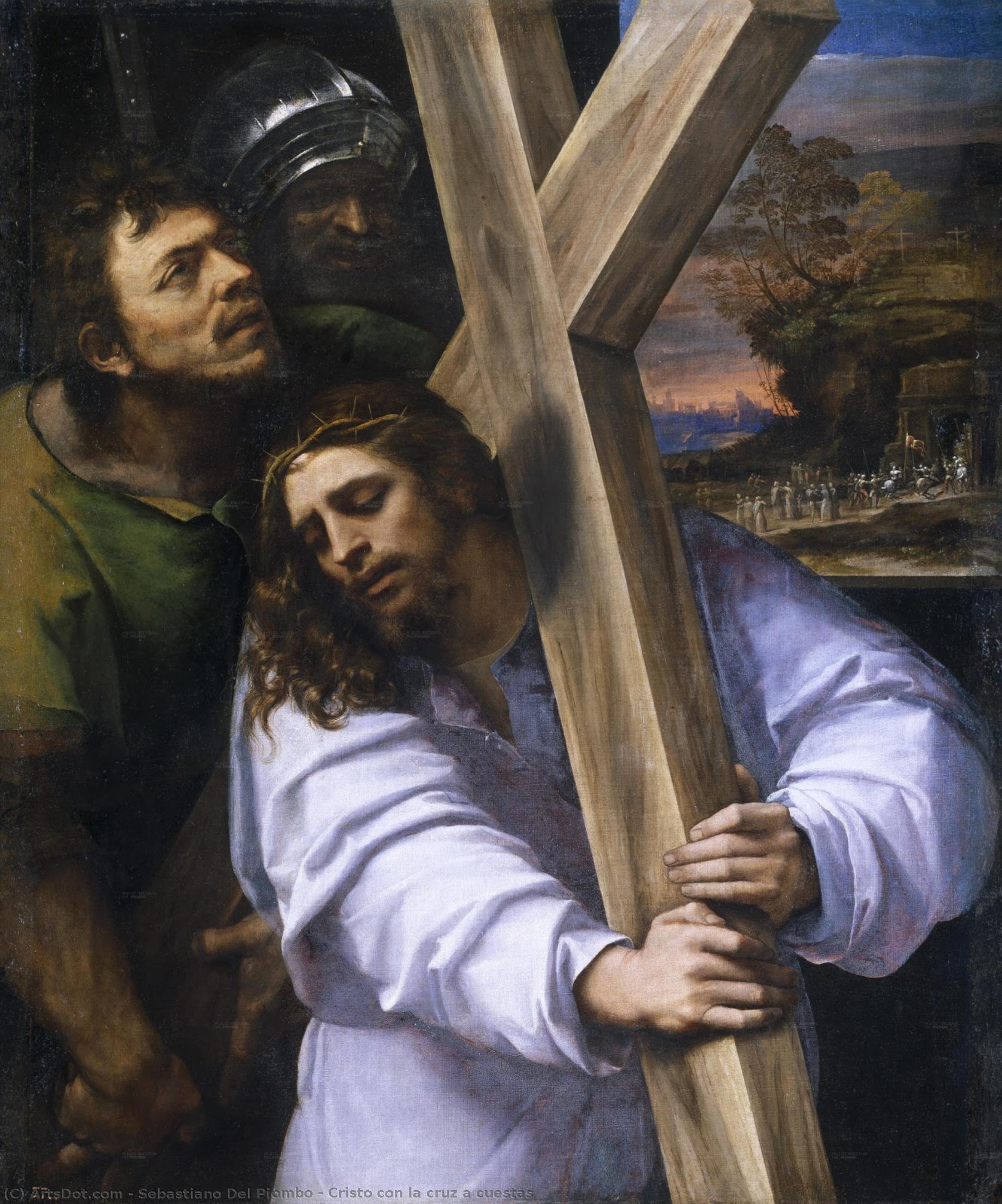
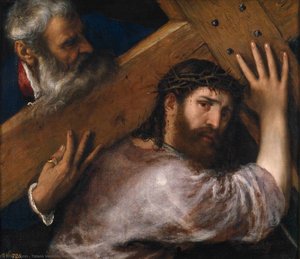
Cristo con la cruz a cuestas


 Weiterlesen
Erwerben Sie ein hochauflösendes, optimiertes digitales Bild, das der Online-Vorschau weit überlegen ist.
Jede Datei wird von unseren hauseigenen Spezialisten mit modernsten Werkzeugen und fachmännischer manueller Retusche sorgfältig vorbereitet. Wir stellen sicher, dass jedes Bild eine außergewöhnliche Klarheit, präzise Farbgenauigkeit und feinste Details aufweist.
Die endgültige Datei wird innerhalb von 72 Stunden per E-Mail zugestellt und ist für den sofortigen Einsatz in professionellen, redaktionellen und Druckumgebungen optimiert. Es handelt sich um dieselbe Qualität, der führende Designstudios, Verlage und Galerien vertrauen.
Digitales Bild
Laden Sie eine hochauflösende Datei für die persönliche Präsentation, den Druck und kreative Projekte herunter. ( Druck bestellen Handgemalte Reproduktion bestellen)
In jeder Bestellung digitaler Bilder enthalten
Professionelle digitale Bereitstellung, garantiert
Wenn Sie sich für ArtsDot.com entscheiden, erhalten Sie nicht nur ein Bild – Sie erhalten ein professionell aufbereitetes digitales Kunstwerk, das mit höchster Präzision erstellt und durch eine Zufriedenheitsgarantie abgesichert wird. Hier ist alles, was automatisch mit Ihrer Bestellung geliefert wird:

Schnelle E-Mail-Zustellung
Ihre hochauflösende digitale Bilddatei wird Ihnen innerhalb von 72 Stunden nach der Bestellung per E-Mail zugestellt – bereit zur sofortigen Verwendung.

KI-optimierte digitale Datei
Ihre Kunstwerke werden professionell mithilfe fortschrittlicher KI-Tools und manueller Bearbeitung optimiert, um maximale Detailtreue, Klarheit und Farbgenauigkeit zu gewährleisten.

Lebenslanger kostenloser Neudruckservice
Datei versehentlich gelöscht oder verloren? Keine Sorge – wir senden sie Ihnen jederzeit kostenlos erneut zu.

Keine Einfuhrgebühren – jemals
Genießen Sie Ihr Kunstwerk sofort ohne Zollgebühren, Einfuhrabgaben oder Versandkosten – digitale Downloads sind immer steuerfrei.

Garantierte Farbtreue
Wir garantieren, dass Ihr digitales Bild mithilfe professioneller Werkzeuge und Farbmanagement die Originalfarben so präzise wie möglich wiedergibt.

60-Tage-Zufriedenheitsgarantie
Sollten Sie mit Ihrem digitalen Bild nicht zufrieden sein, werden wir es überarbeiten oder Ihnen innerhalb von 60 Tagen 100% erstatten – ohne Wenn und Aber.

100% Geld-zurück-Garantie
Nicht zufrieden? Erhalten Sie innerhalb von 60 Tagen nach Erhalt Ihrer digitalen Datei eine vollständige Rückerstattung – ohne Angabe von Gründen.

Rabatte bei Großbestellungen
3 Bilder kaufen, 10% sparen – 5 Bilder kaufen, 15% sparen – Ab 10 Bildern 20% sparen. Ideal für kreative Projekte, Galerien und Agenturen.
Details zum Sammlerstück
Cristo con la cruz a cuestas: A Roman Soul’s Venetian Echoes
Sebastiano del Piombo's 1516 painting, *Cristo con la cruz a cuestas* (Christ Carrying the Cross), is not merely a depiction of a pivotal biblical event; it’s a carefully constructed dialogue between the vibrant colorism of Venice and the imposing grandeur of Rome. This work, currently housed in the Museo Nacional del Prado in Madrid, offers a poignant glimpse into the artist's unique artistic journey – a synthesis of regional influences that resulted in a profoundly moving and technically masterful image. The scene unfolds within an intimate interior space, a deliberate departure from the more common depictions of Christ’s crucifixion along the Via Dolorosa. Instead, Piombo places us close to the event, surrounded by figures who bear witness to this immense suffering, creating a palpable sense of emotional turmoil and human drama.
The composition is immediately arresting. At its heart stands Jesus, his body stretched taut upon the cross, an embodiment of sacrifice and endurance. His arms, outstretched in a gesture of profound resignation, draw our gaze upwards. Surrounding him are five individuals – a man near the left side, another close to the center, a third towards the right, and two further on the far right – each contributing to the scene’s layered narrative. The inclusion of these figures, including a sayon (a Roman soldier) and a figure representing Pilate's palace, elevates the painting beyond a simple representation of suffering; it becomes a meditation on power, judgment, and the weight of human responsibility. The architectural backdrop, subtly echoing Roman forms, anchors the scene within a broader historical context, suggesting a deliberate connection to the classical world that was so influential during the High Renaissance.
A Venetian Master in Roman Dress
Sebastiano del Piombo’s artistic lineage is complex and fascinating. Born Sebastiano Luciani in Venice around 1485, he initially pursued a career as a musician – a skill evident in his meticulous attention to detail and the expressive quality of his figures. However, it was in Rome that he truly blossomed, absorbing the stylistic principles of the Roman Renaissance while retaining a distinctly Venetian sensibility. This is most strikingly apparent in the painting’s color palette: rich, saturated hues—deep reds, blues, and golds—that evoke the vibrant atmosphere of Venice, contrasted with the more restrained, monumental forms characteristic of Roman art. His training under Giorgione and Giovanni Bellini instilled within him a deep appreciation for atmospheric perspective and a poetic sensibility that would inform his entire oeuvre.
The painting’s technique is equally noteworthy. Piombo employed a masterful use of *sfumato*, creating subtle gradations of tone and color that soften the edges of forms and imbue the scene with an ethereal quality. The meticulous rendering of textures – the rough fabric of the cross, the sweat-drenched skin of Christ—demonstrates his exceptional technical skill. Furthermore, Piombo’s use of light is particularly effective, casting dramatic shadows across the figures and highlighting their emotional states. Notice how the light emphasizes the weight of the cross, amplifying the sense of suffering and vulnerability.
Symbolism and Emotional Resonance
Beyond its formal qualities, *Cristo con la cruz a cuestas* is rich in symbolic meaning. The placement of the figures within an interior space suggests a focus on the psychological impact of Christ’s sacrifice rather than merely depicting a historical event. The presence of the sayon and Pilate's palace underscores the themes of judgment and power, reminding us that Christ’s suffering was not simply a religious act but also a political one. The kneeling figure of Mary, sister of Lazarus, embodies grief and compassion, while the figures in the background represent the indifference or complicity of those who witnessed this event.
Ultimately, *Cristo con la cruz a cuestas* is a profoundly moving work of art that transcends its historical context. It speaks to universal themes of suffering, sacrifice, and redemption, inviting viewers to contemplate the human condition and the enduring power of faith. The painting’s emotional resonance stems not only from its dramatic composition and masterful technique but also from Piombo's ability to capture the profound sense of anguish and hope that permeates this iconic image of Christian martyrdom.
ArtsDot Reproduction – Bringing History to Life
ArtsDot is proud to offer a meticulously crafted, hand-painted reproduction of *Cristo con la cruz a cuestas*. Our artists replicate Piombo’s masterful technique and vibrant color palette with the utmost care, ensuring that every detail—from the subtle gradations of tone to the expressive gestures of the figures—is faithfully reproduced. Available in a range of sizes, our reproductions are perfect for adorning your home or office, bringing this timeless masterpiece into a contemporary setting. Each reproduction is created using archival-quality materials and techniques, guaranteeing its longevity and beauty for generations to come. Explore our selection today and experience the power of art firsthand.
Ähnliche Kunstwerke
Biografie des Künstlers
Frühes Leben und Ausbildung
Sebastiano del Piombo, ein italienischer Maler der Hochrenaissance, hinterließ mit seiner einzigartigen Verbindung aus venezianischer Farbe und römischen monumentalen Formen einen bleibenden Eindruck in der Kunstwelt. Geboren um 1485 in Venedig, ist Sebastianos frühes Leben von Geheimnissen umgeben, aber es ist bekannt, dass er erst spät im Leben mit dem Malen begann und Schüler Giorgiones (1477/78 oder 1473/74 – 1510) wurde, einem bedeutenden Maler der venezianischen Hochrenaissance.Aufstieg in Rom
Sebastianos Karriere gewann an Schwung, als er 1511 nach Rom zog, wo er zusammen mit Raffael arbeitete und schließlich zu den wenigen Malern gehörte, die eine gute Beziehung zu Michelangelo pflegten, der ihn ermutigte, gegen Raffael um Aufträge zu konkurrieren. Diese Erfahrung führte dazu, dass Sebastiano zum führenden Maler Roms nach Raffaels Tod im Jahr 1520 wurde.Wichtige Werke und Kooperationen
- Die drei Philosophen (Kunsthistorisches Museum, Wien, Österreich), eine Zusammenarbeit mit Giorgione, zeigt Sebastianos einzigartigen Stil.
- Moses empfängt die Gesetzestafeln (Detail) (Madonna dell'orto, Venedig, Italien) demonstriert seine Meisterschaft in Öl auf Leinwand.
Entwicklung und künstlerischer Stil
Sebastiano del Piombo vereinte Elemente des venezianischen Kolorits mit der monumentalen Stärke römischer Kunst. Sein Stil zeichnete sich durch eine kraftvolle Darstellung von Figuren aus, oft größer als das Leben, die er durch lebendige Farben und eindrucksvolle Lichteffekte ausglichen konnte. Er bevorzugte Ölfarben und schuf sowohl Porträts als auch religiöse Szenen. Obwohl er in seinen frühen Jahren in Venedig bereits einen eigenen Stil entwickelte, festigte er ihn in Rom unter dem Einfluss Michelangelos.Bedeutung und Vermächtnis
Trotz seiner Bedeutung zu Lebzeiten war Sebastiano del Piombos Einfluss auf andere Künstler begrenzt, da er wenige prominente Schüler hatte und seine Werke nur selten verbreitet wurden. Sein einzigartiger Stil, der venezianische Farbenreichtum mit römischer Monumentalität verbindet, inspiriert jedoch weiterhin Kunstliebhaber. Erkunden Sie weitere Werke von Giorgione auf ArtsDot, Vertiefen Sie sich in Sebastiano del Piombos Biografie auf Wikipedia, Entdecken Sie Sebastiano del Piombos Profil auf ArtsDot. Wichtige Daten: * Geboren: ca. 1485, Venedig * Gestorben: 21. Juni 1547 * Bemerkenswerte Zusammenarbeit: Die drei Philosophen, mit Giorgione (Kunsthistorisches Museum, Wien, Österreich)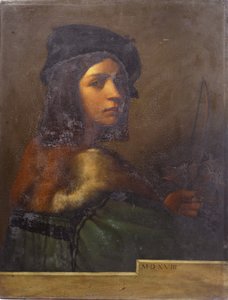
Sebastiano del Piombo
1485 - 1547 , Italien
Kurzinfos
- Beeinflusste Künstler:
- Giorgione
- Raphael
- Michelangelo
- Bemerkenswerte Werke:
- Die drei Philosophen
- Moses empfängt die Tabellen
- Geburtsdatum: ca. 1485
- Geburtsort: Venedig, Italien
- Künstlerische Richtung: Hochrenaissance
- Nationalität: Italiener
- Todatum: 21. Juni 1547
- Vollständiger Name: Sebastiano del Piombo

