 Vorschau anzeigen
 Versenden
 Teilen
 Details anzeigen

 Herunterladen
 Ähnliche Objekte
 Röntgenaufnahme
 Diashow
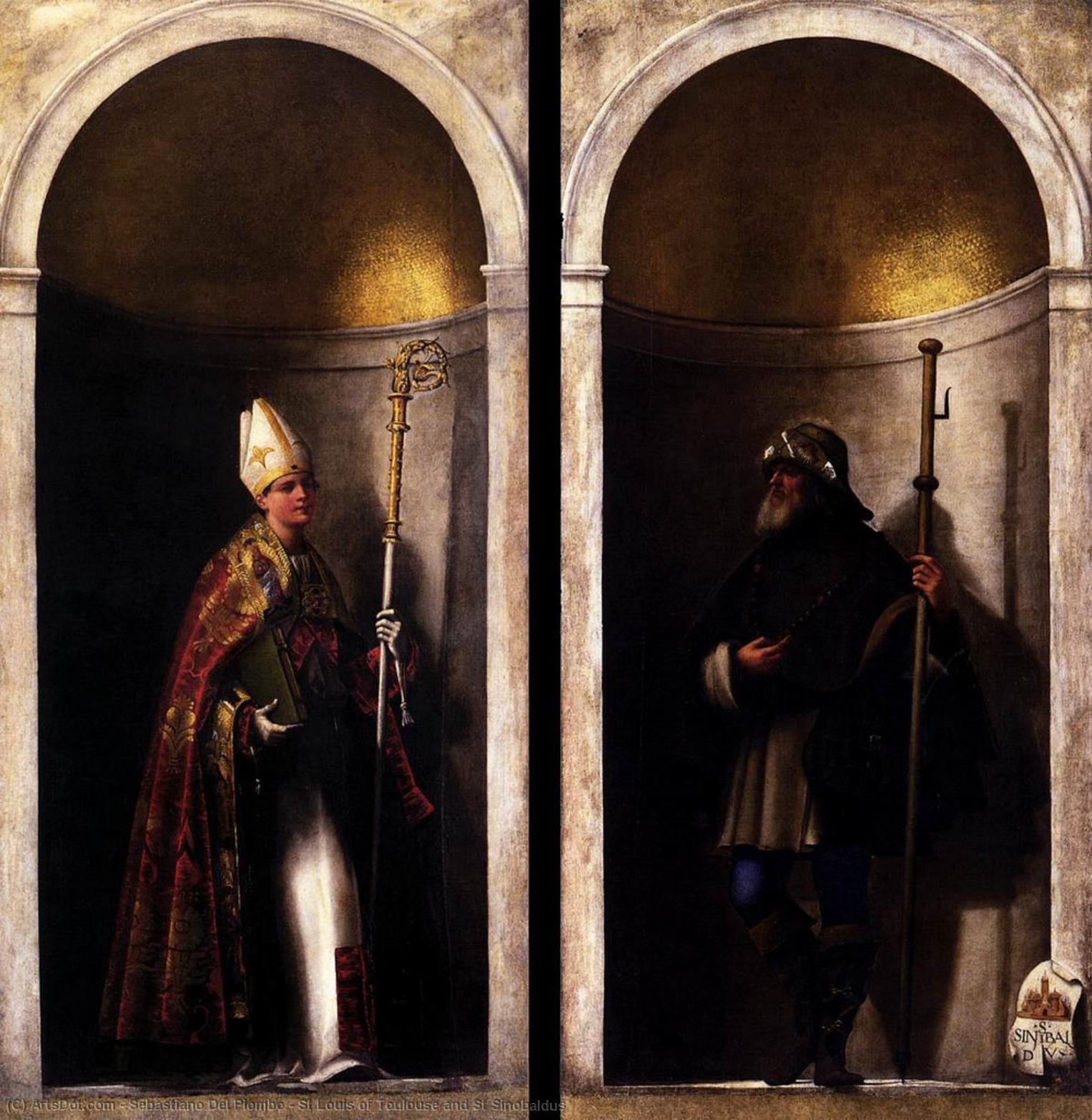
St Louis of Toulouse and St Sinobaldus
 Oil On Canvas
- WallArt
- Baroque Mannerism
 1509
1509 293.0 x 137.0 cm
 San Bartolomeo
 Weiterlesen
Giclée / Kunstdruck
Giclée- oder Leinwanddruck in Museumsqualität mit schneller Produktion und flexiblen Veredelungsoptionen. ( Handgemalte Reproduktion bestellen Bild kaufen)




P118B $10

P118H $10

P118W $10

P438Z $10

P508JH $12

P508YH $12

P805H $10

P805Z $10

P919BZ $10

P919G $10

P919XJ $10

P959ZH $10

P968JZ $12

W106C $8

W218G $10

W218JH $8

W218Y $10

W307PJ $10

W316G $10

W316PJ $8

W316Y $10

W398PJ $8

W4111J $10

W500HY $15

W500JH $15

W692G $12

W849H $8

W940BG $15

W953PJ $8




Wählen Sie aus unseren vordefinierten Formaten, die den ursprünglichen Proportionen des Kunstwerks entsprechen.

Sie können Ihre eigenen Maße eingeben, um ein bestimmtes Format oder einen speziellen Platz einzupassen. Wenn das von Ihnen gewählte Format nicht den Proportionen des Originalbildes entspricht, werden wir das Kunstwerk entweder beschneiden oder das Bild mit einem gespiegelten oder einfarbigen Rand erweitern. Ein digitaler Entwurf wird Ihnen zur Genehmigung zugesandt, bevor die Produktion beginnt.
Bitte beachten Sie, dass die Vorschau auf dem Bildschirm nicht den tatsächlichen Zuschnitt oder die Erweiterung widerspiegelt. Nur der Entwurf zeigt die endgültige Komposition präzise an.
Obwohl Sondermaße verfügbar sind, empfehlen wir die Auswahl eines Maßes aus der vordefinierten Liste, um die ursprünglichen Proportionen zu bewahren.
Weltweiter Versand () innerhalb von 2 Wochen statt der üblichen 4/5 Wochen. (2 September)

Kostenloser weltweiter Expressversand

Hochwertige Leinenleinwand

Umfassender Versicherungsschutz beim Versand

Zollgebühren-Rückerstattungsgarantie

Garantie für exakte Farbtreue

60 Tage Rückgaberecht (nur bei Mängeln)

100% Geld-zurück-Garantie

Mengenrabatt verfügbar
 Die Glasoption ist nur für Größen unter 110 cm verfügbar.

St Louis of Toulouse and St Sinobaldus
Giclée / Kunstdruck
Format der Reproduktion
-


Gesamtpreis
$ 62
Sebastiano del Piombo: A Venetian Vision Embracing Roman Majesty
Sebastiano del Piombo (1485-1547) stands as an intriguing figure in the High Renaissance, a painter whose career unfolded across two distinct artistic landscapes – Venice and Rome – resulting in a singular oeuvre characterized by a masterful fusion of Venetian colorism with the monumental grandeur of Roman Mannerism. Unlike many artists of his era who adhered to established conventions from their formative years, del Piombo’s artistic journey began somewhat later, initially drawn to music before dedicating himself wholeheartedly to painting in his late teens or early twenties. This initial exposure to musical pursuits instilled within him a profound appreciation for harmonic balance and expressive nuance that would permeate his subsequent works.
His Venetian upbringing profoundly shaped his aesthetic sensibilities; he absorbed the vibrant hues and atmospheric perspective championed by Giorgione, whose influence is undeniably evident in paintings like “The Tempest,” where shimmering blues and greens evoke an ethereal mood. However, recognizing the limitations of solely embracing Venetian tradition, del Piombo skillfully transitioned to Rome around 1511, immersing himself in the artistic fervor of Michelangelo’s workshop and engaging with the intellectual currents of humanist scholarship.
St Louis of Toulouse and St Sinobaldus: A Study in Contrasting Influences
“St Louis of Toulouse and St Sinobaldus,” completed circa 1509, exemplifies this pivotal shift. The painting depicts two figures standing beneath an arched gateway – a priest and a monk – bathed in diffused light that underscores the solemnity of the scene. Del Piombo’s technique demonstrates a meticulous attention to detail, utilizing oil paint on canvas with remarkable precision to capture textures and tonal gradations. Unlike the luminous color palettes typical of Venetian painting, “St Louis” leans towards a more subdued palette dominated by earthy browns and ochres, reflecting the stylistic preferences of Roman artists during this period.
The composition itself is deliberately structured, mirroring the architectural grandeur of Roman basilicas. The arched gateway serves as a visual anchor, directing the viewer’s gaze upwards toward the heavens – a motif frequently employed in Renaissance art to convey spiritual aspiration and divine majesty. Del Piombo skillfully employs chiaroscuro—the dramatic interplay between light and shadow—to sculpt the figures' forms and heighten their emotional impact.
Symbolism and Emotional Resonance
Beyond its formal considerations, “St Louis of Toulouse” carries significant symbolic weight. The priest represents ecclesiastical authority and spiritual guidance, while the monk embodies ascetic piety and contemplation. Their positioning beneath the archway symbolizes faith’s connection to divine grace—a central theme in Renaissance theology. Del Piombo's masterful rendering captures not merely physical likeness but also psychological depth, conveying a sense of solemn reverence and quiet introspection.
The inclusion of a book held by one figure reinforces this symbolic dimension, signifying knowledge and scripture as instruments of spiritual enlightenment. The subtle facial expressions of the figures convey emotion—a contemplative gaze reflecting inner piety—further enriching the painting’s narrative power. Del Piombo's ability to evoke profound emotional resonance underscores his artistic genius and cements “St Louis”’s place among the most enduring masterpieces of the High Renaissance.
A Legacy of Venetian Colorism & Roman Grand Manner
“St Louis of Toulouse” stands as a testament to Sebastiano del Piombo's remarkable talent—a painter who successfully reconciled the vibrant chromatic traditions of Venice with the monumental stylistic ideals of Rome. His legacy continues to inspire artists and collectors alike, reminding us that true artistic innovation arises from embracing diverse influences and forging new expressive pathways.
Ähnliche Kunstwerke
Über den Künstler
Frühes Leben und Ausbildung
Sebastiano del Piombo, ein italienischer Maler der Hochrenaissance, hinterließ mit seiner einzigartigen Verbindung aus venezianischer Farbe und römischen monumentalen Formen einen bleibenden Eindruck in der Kunstwelt. Geboren um 1485 in Venedig, ist Sebastianos frühes Leben von Geheimnissen umgeben, aber es ist bekannt, dass er erst spät im Leben mit dem Malen begann und Schüler Giorgiones (1477/78 oder 1473/74 – 1510) wurde, einem bedeutenden Maler der venezianischen Hochrenaissance.Aufstieg in Rom
Sebastianos Karriere gewann an Schwung, als er 1511 nach Rom zog, wo er zusammen mit Raffael arbeitete und schließlich zu den wenigen Malern gehörte, die eine gute Beziehung zu Michelangelo pflegten, der ihn ermutigte, gegen Raffael um Aufträge zu konkurrieren. Diese Erfahrung führte dazu, dass Sebastiano zum führenden Maler Roms nach Raffaels Tod im Jahr 1520 wurde.Wichtige Werke und Kooperationen
- Die drei Philosophen (Kunsthistorisches Museum, Wien, Österreich), eine Zusammenarbeit mit Giorgione, zeigt Sebastianos einzigartigen Stil.
- Moses empfängt die Gesetzestafeln (Detail) (Madonna dell'orto, Venedig, Italien) demonstriert seine Meisterschaft in Öl auf Leinwand.
Entwicklung und künstlerischer Stil
Sebastiano del Piombo vereinte Elemente des venezianischen Kolorits mit der monumentalen Stärke römischer Kunst. Sein Stil zeichnete sich durch eine kraftvolle Darstellung von Figuren aus, oft größer als das Leben, die er durch lebendige Farben und eindrucksvolle Lichteffekte ausglichen konnte. Er bevorzugte Ölfarben und schuf sowohl Porträts als auch religiöse Szenen. Obwohl er in seinen frühen Jahren in Venedig bereits einen eigenen Stil entwickelte, festigte er ihn in Rom unter dem Einfluss Michelangelos.Bedeutung und Vermächtnis
Trotz seiner Bedeutung zu Lebzeiten war Sebastiano del Piombos Einfluss auf andere Künstler begrenzt, da er wenige prominente Schüler hatte und seine Werke nur selten verbreitet wurden. Sein einzigartiger Stil, der venezianische Farbenreichtum mit römischer Monumentalität verbindet, inspiriert jedoch weiterhin Kunstliebhaber. Erkunden Sie weitere Werke von Giorgione auf ArtsDot, Vertiefen Sie sich in Sebastiano del Piombos Biografie auf Wikipedia, Entdecken Sie Sebastiano del Piombos Profil auf ArtsDot. Wichtige Daten: * Geboren: ca. 1485, Venedig * Gestorben: 21. Juni 1547 * Bemerkenswerte Zusammenarbeit: Die drei Philosophen, mit Giorgione (Kunsthistorisches Museum, Wien, Österreich)
Sebastiano del Piombo
1485 - 1547 , Italien
Kurzinfos
- Beeinflusste Künstler:
- Giorgione
- Raphael
- Michelangelo
- Bemerkenswerte Werke:
- Die drei Philosophen
- Moses empfängt die Tabellen
- Geburtsdatum: ca. 1485
- Geburtsort: Venedig, Italien
- Künstlerische Richtung: Hochrenaissance
- Nationalität: Italiener
- Todatum: 21. Juni 1547
- Vollständiger Name: Sebastiano del Piombo
Ähnliche Artikel
Sebastiano del Piombo: Bridging Venetian Colorism & Roman Grand Manner Portraiture
Explore the captivating art of Sebastiano del Piombo, a Renaissance master bridging Venetian colorism & Roman grandeur. Discover his iconic portraits and lasting influence on art history. Learn more at ArtsDot.

Jacopo Tintoretto: Die 25 Meisterwerke des venezianischen Dramatikers | ArtsDot
Entdecken Sie die 25 Meisterwerke von Jacopo Tintoretto! Tauchen Sie ein in die dramatische Welt der venezianischen Renaissance. Hochwertige Kunst-Reproduktionen & Inspiration für Ihr Zuhause – jetzt auf ArtsDot.com.
Sebastiano Ricci: Venezianischer Meister der Barockillusion und Rokoko-Eleganz
Entdecken Sie das Werk des venezianischen Barockmeisters Sebastiano Ricci! Erfahren Sie mehr über seinen Stil, seine Fresken und sein Vermächtnis. Kunstberatung & hochwertige Reproduktionen bei ArtsDot.
Jacopo Palma il Giovane: A Venetian Master's Poetic Evolution
Explore the captivating world of Jacopo Palma il Giovane, a pivotal Venetian Renaissance master. Discover his unique style, influenced by Titian & Tintoretto, and learn about key works perfect for discerning collectors.
The Golden Light of Innovation: Exploring the Venetian Renaissance Art Movement (1430–1580)
Explore the Golden Age of Venetian art (1430–1580). Discover Giorgione, Titian & Tintoretto's techniques, the 'colorito' revolution, and lasting influence. Expert insights for collectors & enthusiasts.