 Vorschau anzeigen
 Versenden
 Teilen
 Details anzeigen

 Herunterladen
 Ähnliche Objekte
 Röntgenaufnahme
 Diashow
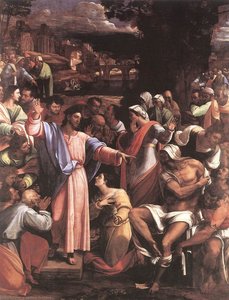
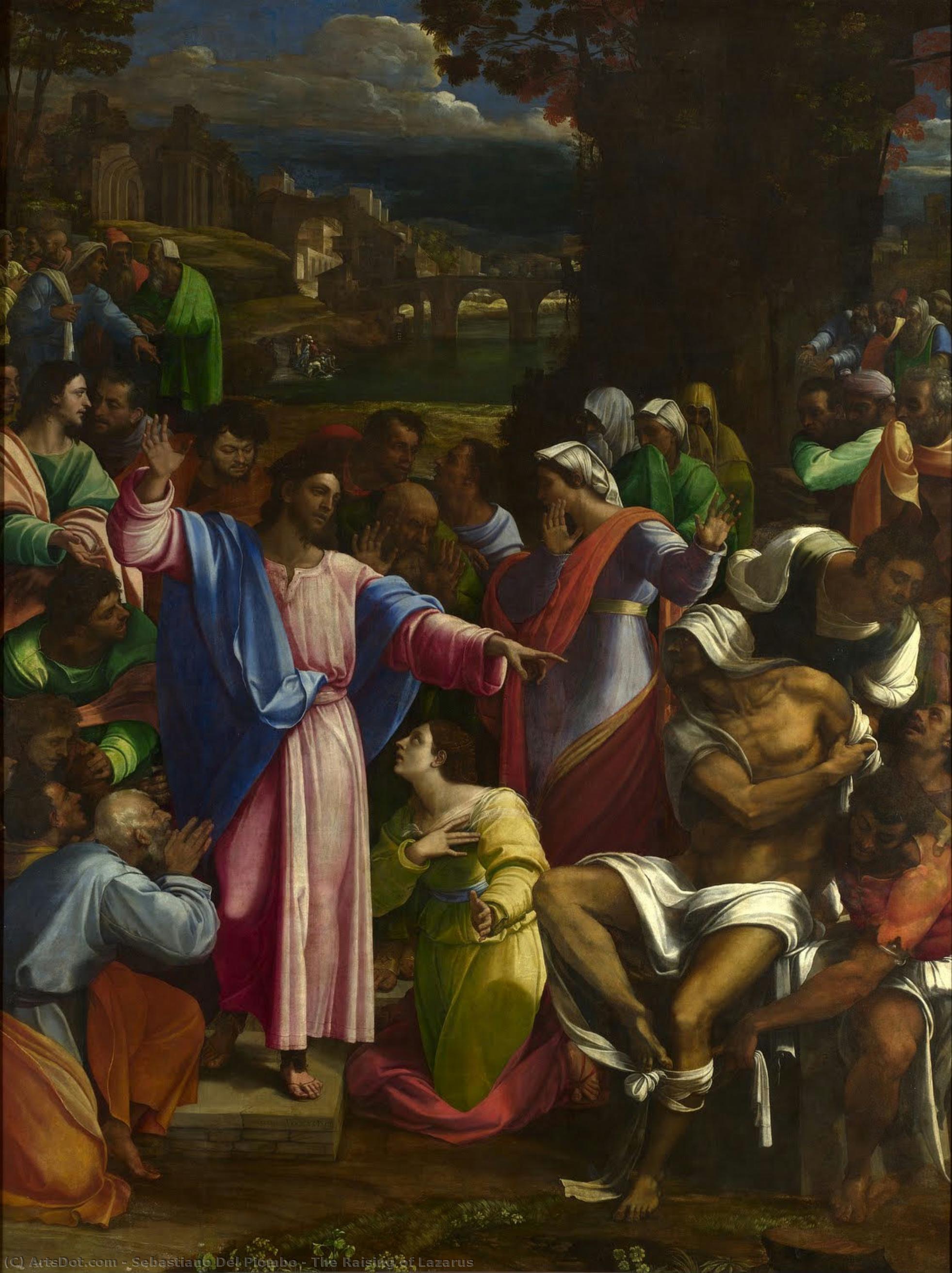
The Raising of Lazarus
 Acrylic On Canvas
- WallArt
- High Renaissance, Mannerism
 1517
1517 381.0 x 289.0 cm
 National Gallery
 Weiterlesen
Handgefertigte Ölreproduktion
Handgemaltes Ölgemälde auf Leinwand in Ihrer Wunschgröße und mit Rahmen, auf Bestellung von unseren Künstlern angefertigt. ( Druck bestellen Bild kaufen)




P118B $10

P118H $10

P118W $10

P438Z $10

P508JH $12

P508YH $12

P805H $10

P805Z $10

P919BZ $10

P919G $10

P919XJ $10

P959ZH $10

P968JZ $12

W106C $8

W218G $10

W218JH $8

W218Y $10

W307PJ $10

W316G $10

W316PJ $8

W316Y $10

W398PJ $8

W4111J $10

W500HY $15

W500JH $15

W692G $12

W849H $8

W940BG $15

W953PJ $8




Wählen Sie aus unseren vordefinierten Formaten, die den ursprünglichen Proportionen des Kunstwerks entsprechen.

Sie können Ihre eigenen Maße eingeben, um einen bestimmten Rahmen oder Platz auszufüllen. Wenn die gewählte Größe nicht den Proportionen des Originalbildes entspricht, werden wir das Kunstwerk entweder beschneiden oder das Gemälde durch zusätzliche, handgemalte Elemente erweitern. Ein digitales Mockup wird Ihnen zur Genehmigung zugesandt, bevor die Produktion beginnt.
Bitte beachten Sie, dass die Bildschirmvorschau nicht die tatsächliche Beschneidung oder Erweiterung widerspiegelt. Nur das Mockup zeigt die endgültige Komposition exakt an.
Obwohl Sondermaße verfügbar sind, empfehlen wir, eine Größe aus der vordefinierten Liste zu wählen, um die ursprünglichen Proportionen beizubehalten.
Nach der Bestellung wird das ArtsDot.com-Team dem Kunden Anweisungen per E-Mail zusenden und eine Mockup-Vorschau bereitstellen.
Weltweiter Versand () in nur 3 bis 4 Wochen statt der üblichen 5 Wochen. (21 August). Keine Kompromisse bei der Qualität.

Kostenloser weltweiter Expressversand

Hochwertige Leinenleinwand

Umfassender Versicherungsschutz beim Versand

Zollgebühren-Rückerstattungsgarantie

Garantie für exakte Farbtreue

60 Tage Rückgaberecht (nur bei Mängeln)

100% Geld-zurück-Garantie

Mengenrabatt verfügbar
 Die Glasoption ist nur für Größen unter 110 cm verfügbar.

The Raising of Lazarus
Art der Reproduktion
Format der Reproduktion
-


Gesamtpreis
$ 263
Beschreibung des Kunstwerks
The Dramatic Resurrection: Sebastiano del Piombo’s “Raising of Lazarus”
Sebastiano del Piombo's "The Raising of Lazarus," painted in 1517, is not merely a depiction of a biblical scene; it’s a profound meditation on faith, death, and the transformative power of divine grace. This monumental altarpiece, measuring an impressive 381 x 289 cm, immediately commands attention with its overwhelming scale and vibrant palette – a hallmark of Venetian painting at its peak. Del Piombo, a figure often overshadowed by his more celebrated contemporaries, masterfully employs color and composition to convey the sheer drama and spiritual weight of this pivotal moment from the Gospel of John.
The scene unfolds within a richly detailed architectural setting, characteristic of the artist’s Roman period. The stark, almost brutal simplicity of the tomb – a rough-hewn stone structure – contrasts sharply with the opulent fabrics and expressive gestures of the figures surrounding it. Jesus Christ stands at the center, his outstretched arms radiating an aura of authority and compassion. His face is serene yet intense, conveying both the physical exertion of raising Lazarus from his deathbed and the profound spiritual significance of the miracle. Beside him are Mary and Martha, their faces etched with a mixture of grief and astonishment – emotions rendered with remarkable sensitivity by Del Piombo’s skilled brushwork.
A Venetian Masterstroke: Technique and Style
Del Piombo's style in "The Raising of Lazarus" is a fascinating synthesis of Venetian colorism and Roman grandeur. He inherited the rich, luminous colors and atmospheric perspective favored by Giorgione, evident in the deep blues of the shadows and the vibrant reds of Jesus’ robe. However, he also embraced the more formal, balanced compositions and monumental scale associated with Roman art, particularly the work of Raphael and Michelangelo. The painting demonstrates a masterful use of *sfumato*, creating soft transitions between light and shadow, lending an ethereal quality to the scene. The figures are rendered with a dynamic sense of movement, capturing the moment of resurrection with palpable energy.
Technically, Del Piombo employed oil paints on a large wooden panel, allowing for layering and blending that enhanced the richness of his colors and the depth of his forms. The meticulous detail in the rendering of fabrics – the folds of Mary’s cloak, the texture of Lazarus' skin – speaks to the artist’s dedication to realism and his ability to capture the nuances of human expression.
Symbolism and Spiritual Depth
Beyond its visual impact, “The Raising of Lazarus” is laden with symbolic meaning. The tomb itself represents death and decay, while Jesus’ act of raising Lazarus signifies victory over mortality and the promise of eternal life. The presence of Mary and Martha underscores the importance of familial love and devotion in the Christian faith. Furthermore, the scene can be interpreted as a metaphor for spiritual rebirth – the shedding of old habits and beliefs to embrace a new understanding of God's grace.
The inclusion of onlookers, depicted in the background, adds another layer of complexity. Some are mourning, reflecting on the tragedy of loss; others are gazing with awe and wonder at the miracle unfolding before them. This diverse group represents the human response to faith – a mixture of grief, hope, and reverence.
A Legacy of Dramatic Emotion
“The Raising of Lazarus” remains a powerfully emotive work of art, captivating viewers centuries after its creation. Del Piombo’s masterful command of color, composition, and technique elevates this biblical scene to the level of timeless drama. It's a testament to his unique artistic vision – a synthesis of Venetian sensuality and Roman formality that continues to resonate with audiences today. Reproductions of this magnificent painting offer an opportunity to experience firsthand the profound spiritual depth and emotional intensity of one of the Renaissance’s most compelling masterpieces.
Ähnliche Kunstwerke
Über den Künstler
Frühes Leben und Ausbildung
Sebastiano del Piombo, ein italienischer Maler der Hochrenaissance, hinterließ mit seiner einzigartigen Verbindung aus venezianischer Farbe und römischen monumentalen Formen einen bleibenden Eindruck in der Kunstwelt. Geboren um 1485 in Venedig, ist Sebastianos frühes Leben von Geheimnissen umgeben, aber es ist bekannt, dass er erst spät im Leben mit dem Malen begann und Schüler Giorgiones (1477/78 oder 1473/74 – 1510) wurde, einem bedeutenden Maler der venezianischen Hochrenaissance.Aufstieg in Rom
Sebastianos Karriere gewann an Schwung, als er 1511 nach Rom zog, wo er zusammen mit Raffael arbeitete und schließlich zu den wenigen Malern gehörte, die eine gute Beziehung zu Michelangelo pflegten, der ihn ermutigte, gegen Raffael um Aufträge zu konkurrieren. Diese Erfahrung führte dazu, dass Sebastiano zum führenden Maler Roms nach Raffaels Tod im Jahr 1520 wurde.Wichtige Werke und Kooperationen
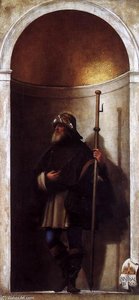
- Die drei Philosophen (Kunsthistorisches Museum, Wien, Österreich), eine Zusammenarbeit mit Giorgione, zeigt Sebastianos einzigartigen Stil.
- Moses empfängt die Gesetzestafeln (Detail) (Madonna dell'orto, Venedig, Italien) demonstriert seine Meisterschaft in Öl auf Leinwand.
Entwicklung und künstlerischer Stil
Sebastiano del Piombo vereinte Elemente des venezianischen Kolorits mit der monumentalen Stärke römischer Kunst. Sein Stil zeichnete sich durch eine kraftvolle Darstellung von Figuren aus, oft größer als das Leben, die er durch lebendige Farben und eindrucksvolle Lichteffekte ausglichen konnte. Er bevorzugte Ölfarben und schuf sowohl Porträts als auch religiöse Szenen. Obwohl er in seinen frühen Jahren in Venedig bereits einen eigenen Stil entwickelte, festigte er ihn in Rom unter dem Einfluss Michelangelos.Bedeutung und Vermächtnis
Trotz seiner Bedeutung zu Lebzeiten war Sebastiano del Piombos Einfluss auf andere Künstler begrenzt, da er wenige prominente Schüler hatte und seine Werke nur selten verbreitet wurden. Sein einzigartiger Stil, der venezianische Farbenreichtum mit römischer Monumentalität verbindet, inspiriert jedoch weiterhin Kunstliebhaber. Erkunden Sie weitere Werke von Giorgione auf ArtsDot, Vertiefen Sie sich in Sebastiano del Piombos Biografie auf Wikipedia, Entdecken Sie Sebastiano del Piombos Profil auf ArtsDot. Wichtige Daten: * Geboren: ca. 1485, Venedig * Gestorben: 21. Juni 1547 * Bemerkenswerte Zusammenarbeit: Die drei Philosophen, mit Giorgione (Kunsthistorisches Museum, Wien, Österreich)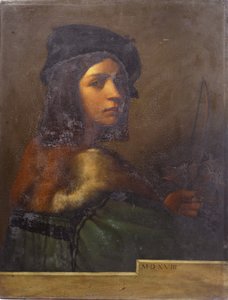
Sebastiano del Piombo
1485 - 1547 , Italien
Kurzinfos
- Beeinflusste Künstler:
- Giorgione
- Raphael
- Michelangelo
- Bemerkenswerte Werke:
- Die drei Philosophen
- Moses empfängt die Tabellen
- Geburtsdatum: ca. 1485
- Geburtsort: Venedig, Italien
- Künstlerische Richtung: Hochrenaissance
- Nationalität: Italiener
- Todatum: 21. Juni 1547
- Vollständiger Name: Sebastiano del Piombo
Ähnliche Artikel
Sebastiano del Piombo: Bridging Venetian Colorism & Roman Grand Manner Portraiture
Explore the captivating art of Sebastiano del Piombo, a Renaissance master bridging Venetian colorism & Roman grandeur. Discover his iconic portraits and lasting influence on art history. Learn more at ArtsDot.
Andrea del Sarto: Florentinische Eleganz und die Meisterschaft der Renaissance
Entdecken Sie das Werk von Andrea del Sarto, einem Meister der Florentiner Renaissance. Erfahren Sie mehr über seine Fresken, seinen Stil und sein Vermächtnis in diesem umfassenden Artikel. Hochwertige Reproduktionen bei ArtsDot!
Museo del Prado: Die 25 Meisterwerke – Kunst für Ihr Zuhause | ArtsDot
Entdecken Sie die 25 Meisterwerke des Museo del Prado! Von Velázquez bis Goya – Kunstgeschichte, Techniken & Geschichten berühmter Gemälde. Finden Sie hochwertige Reproduktionen für Ihr Zuhause auf ArtsDot.com.

Illuminating Faith: Biblical Narrative & Artistic Expression Through the Ages
Explore the rich history of biblical art from Giotto to the Renaissance masters with ArtsDot. Discover symbolism, techniques & enduring legacies. Museum-quality reproductions & expert insights.
Cecco del Caravaggio: Rediscovering the Shadowy Genius of Francesco Buoneri
Explore the captivating world of Cecco del Caravaggio (Francesco Buoneri), a pivotal Baroque artist. Discover his dramatic realism, mysterious life, and lasting legacy with ArtsDot's expert analysis.