 Vorschau anzeigen
 Versenden
 Teilen
 Details anzeigen

 Herunterladen
 Ähnliche Objekte
 Röntgenaufnahme
 Diashow
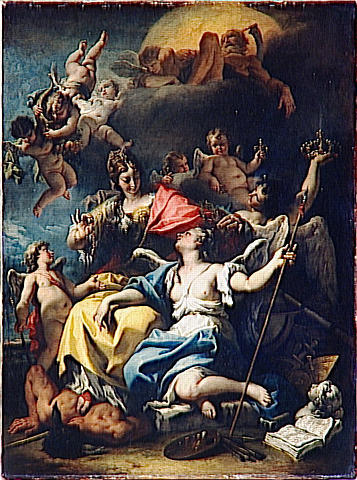
ALLEGORIE DE LA FRANCE, SOUS LA FIGURE DE MINERVE (LA SAGESSE) QUI FOULE AUX PIEDS L'IGNORANCE ET COURONNE LA VERTU GUERRIERE


 Weiterlesen
Handgefertigte Ölreproduktion
Handgemaltes Ölgemälde auf Leinwand in Ihrer Wunschgröße und mit Rahmen, auf Bestellung von unseren Künstlern angefertigt. ( Druck bestellen Bild kaufen)




P118B $10

P118H $10

P118W $10

P438Z $10

P508JH $12

P508YH $12

P805H $10

P805Z $10

P919BZ $10

P919G $10

P919XJ $10

P959ZH $10

P968JZ $12

W106C $8

W218G $10

W218JH $8

W218Y $10

W307PJ $10

W316G $10

W316PJ $8

W316Y $10

W398PJ $8

W4111J $10

W500HY $15

W500JH $15

W692G $12

W849H $8

W940BG $15

W953PJ $8




Wählen Sie aus unseren vordefinierten Formaten, die den ursprünglichen Proportionen des Kunstwerks entsprechen.

Sie können Ihre eigenen Maße eingeben, um einen bestimmten Rahmen oder Platz auszufüllen. Wenn die gewählte Größe nicht den Proportionen des Originalbildes entspricht, werden wir das Kunstwerk entweder beschneiden oder das Gemälde durch zusätzliche, handgemalte Elemente erweitern. Ein digitales Mockup wird Ihnen zur Genehmigung zugesandt, bevor die Produktion beginnt.
Bitte beachten Sie, dass die Bildschirmvorschau nicht die tatsächliche Beschneidung oder Erweiterung widerspiegelt. Nur das Mockup zeigt die endgültige Komposition exakt an.
Obwohl Sondermaße verfügbar sind, empfehlen wir, eine Größe aus der vordefinierten Liste zu wählen, um die ursprünglichen Proportionen beizubehalten.
Nach der Bestellung wird das ArtsDot.com-Team dem Kunden Anweisungen per E-Mail zusenden und eine Mockup-Vorschau bereitstellen.
Weltweiter Versand () in nur 3 bis 4 Wochen statt der üblichen 5 Wochen. (2 September). Keine Kompromisse bei der Qualität.

Kostenloser weltweiter Expressversand

Hochwertige Leinenleinwand

Umfassender Versicherungsschutz beim Versand

Zollgebühren-Rückerstattungsgarantie

Garantie für exakte Farbtreue

60 Tage Rückgaberecht (nur bei Mängeln)

100% Geld-zurück-Garantie

Mengenrabatt verfügbar
 Die Glasoption ist nur für Größen unter 110 cm verfügbar.

ALLEGORIE DE LA FRANCE, SOUS LA FIGURE DE MINERVE (LA SAGESSE) QUI FOULE AUX PIEDS L'IGNORANCE ET COURONNE LA VERTU GUERRIERE
Art der Reproduktion
Format der Reproduktion
-


Gesamtpreis
$ 263
The Weight of Wisdom: Sebastiano Ricci’s Allegory of France
Sebastiano Ricci's "Allegorie de la France, Sous la Figure de Minerve," painted in 1718, is more than just a decorative fresco; it’s a potent visual argument for the burgeoning power and philosophical direction of Louis XIV’s France. This monumental work, now housed within the Louvre Museum, captures a pivotal moment – the assertion of reason and virtue against the encroaching darkness of ignorance – rendered with Ricci's signature blend of dramatic Baroque intensity and luminous Venetian light. The painting immediately commands attention, not merely for its scale but for the carefully orchestrated drama unfolding within its richly colored depths.
At first glance, the scene presents a complex allegorical tableau. Minerva, the Roman goddess of wisdom, stands triumphant at the center, her helmet ablaze with the sun – a direct reference to Louis XIV’s claim to divine right and his association with Apollo, the god of light and reason. She is not simply observing; she actively intervenes, wielding a staff to push back against a swirling vortex of darkness representing Ignorance. Beneath her feet lies a fallen figure, symbolizing the vanquished past, while a radiant figure crowned with laurels embodies Virtue, being bestowed upon by Minerva herself. The composition isn’t static; it's a dynamic struggle, a visual representation of France’s intellectual and political ascent.
A Venetian Master in the Heart of French Grandeur
Ricci, born in Belluno in 1659 and trained primarily in Venice, was a fascinating figure – an Italian artist who profoundly influenced the artistic landscape of France. His style, deeply rooted in the late Baroque traditions of Venice, is characterized by its dramatic use of light and shadow, rich color palettes, and dynamic compositions. He skillfully adapted these Venetian techniques to the demands of French courtly painting, creating works that were both visually stunning and politically charged. Ricci’s background as an uncle to Marco Ricci, a landscape painter, also subtly informs the work; even within this allegorical scene, there's a sense of depth and atmospheric perspective, hinting at the natural world beyond the immediate narrative.
The fresco was originally conceived as a “morceau de réception,” or piece for presentation to the Académie Royale de Peinture et de Sculpture in Paris. This suggests that Ricci intended it not just as a decorative commission but also as a demonstration of his artistic prowess and a subtle endorsement of the French monarchy’s values. The meticulous detail, from the folds of Minerva's robes to the expressions on the faces of the figures, speaks to Ricci’s mastery of technique and his commitment to creating works that were both visually impressive and intellectually stimulating.
Symbolism and the Language of Power
Beyond its immediate narrative, “Allegorie de la France” is laden with symbolic meaning. The choice of Minerva as the central figure is deliberate; she represents not just wisdom but also justice, strategic thinking, and the pursuit of knowledge – qualities highly valued by Louis XIV’s court. The sun emanating from her helmet symbolizes the enlightenment brought about by reason and the power of the French monarchy to illuminate Europe with its intellectual achievements. The swirling darkness beneath her feet is a potent visual metaphor for the chaos and uncertainty that characterized the era, while the crown bestowed upon Virtue signifies the rewards of moral rectitude. Even the positioning of the figures – Minerva elevated, Virtue grounded – reinforces the hierarchical structure of power within the French court.
A Legacy in Reproduction
Today, reproductions of “Allegorie de la France” continue to captivate viewers with their dramatic intensity and rich symbolism. The painting’s enduring appeal lies not only in its artistic merit but also in its reflection of a pivotal moment in European history – the rise of France as a dominant force on the continent. When commissioning a high-quality reproduction, consider the scale and framing options to best complement your space, allowing this powerful allegory to continue to resonate within your home or office.
Ähnliche Kunstwerke
Über den Künstler
Sebastiano Ricci: Ein Leben in Farbe und Bewegung
Sebastiano Ricci, geboren am 1. August 1659 in Belluno und gestorben am 15. Mai 1734, war ein bedeutender italienischer Maler der späten Barockzeit in Venedig. Er gilt als Vertreter des venezianischen Malstils, bekannt für seine großformatigen Fresken und die kraftvolle, leuchtende Darstellung seiner Motive.
Frühe Jahre und Ausbildung
Ricci begann seine künstlerische Laufbahn bereits in jungen Jahren. 1671 wurde er in die Lehre bei Federico Cervelli in Venedig gegeben. Einige Quellen nennen jedoch auch Sebastiano Mazzoni als seinen ersten Lehrer. Seine Jugend war von persönlichen Schwierigkeiten geprägt, darunter eine ungewollte Schwangerschaft und anschließende Anklagen, die zu einer kurzzeitigen Haftstrafe führten. Diese Ereignisse zwangen ihn, seine Karriere mehrfach neu auszurichten.
Künstlerischer Stil und Einflüsse
Ricci’s Stil wurde maßgeblich von Giovanni Gioseffo dal Soles Werk beeinflusst, während er sich in Bologna aufhielt. Seine Gemälde zeichnen sich durch eine dynamische Komposition, leuchtende Farben und einen kraftvollen Ausdruck aus. Er vereinte Elemente des venezianischen Barock mit Einflüssen der Bologneser Schule und entwickelte so seinen eigenen Stil, der die Großzügigkeit und das Drama der Barockmalerei widerspiegelt.
- Einflüsse: Giovanni Gioseffo dal Sole, Pietro da Cortona
- Merkmale: Dynamische Kompositionen, leuchtende Farben, kraftvoller Ausdruck, großformatige Fresken
Wichtige Werke und Aufträge
Ricci hinterließ eine Reihe bedeutender Werke, die seinen Ruf als herausragender Maler festigten:
- Bacchus und Ariadne: Dieses Gemälde, das sich in der National Gallery London befindet, demonstriert Riccis Beherrschung des Barockstils.
- Memorial to Admiral Sir Clowdisley Shovell: Ein beeindruckendes Porträt, das die Essenz eines historischen Moments einfängt.
- Dekoration des Oratorium der Madonna del Serraglio (1685-1687): In Zusammenarbeit mit Ferdinando Galli-Bibiena schuf Ricci eine prächtige Freskenausstattung, für die er 4.482 Lire erhielt.
- Venus nimmt Abschied von Adonis: Ein Werk, das seine Fähigkeit zeigt, himmlische Darstellungen zu schaffen und eine Atmosphäre der Anmut und Schönheit zu vermitteln.
Späteres Leben und Vermächtnis
Ricci’s Karriere war von Umwälzungen und Skandalen geprägt, doch er schuf weiterhin bedeutende Werke. Er fand auch ausländische Förderung, insbesondere in London, wo er für Lord Burlington arbeitete. Sein Einfluss reichte über Italien hinaus, und seine Arbeiten inspirierten nachfolgende Generationen von Künstlern. Giovanni Domenico Ferretti, ein florentinischer Maler des Rokoko, wurde von Riccis Stil beeinflusst. Ricci starb 1734 in Venedig und hinterließ ein Werk, das die Blütezeit der venezianischen Barockmalerei widerspiegelt.
Sebastiano Ricci
1659 - 1734 , Italien
Kurzinfos
- Beeinflusste Künstler: ['Giovanni Gioseffo dal Sole']
- Bemerkenswerte Werke:
- Bacchus und Ariadne
- Memorial to Admiral Shovell
- Venus verlässt Adonis
- Geburtsdatum: 1. August 1659
- Geburtsort: Belluno, Italien
- Künstlerische Bewegung: Spätbarock
- Nationalität: Italienisch
- Todatum: 15. Mai 1734
- Vollständiger Name: Sebastiano Ricci
- Von Ihm Beeinflusste Künstler:
- Luigi Bonazza
- Giovanni Domenico Ferretti
Ähnliche Artikel
Sebastiano Ricci: Venezianischer Meister der Barockillusion und Rokoko-Eleganz
Entdecken Sie das Werk des venezianischen Barockmeisters Sebastiano Ricci! Erfahren Sie mehr über seinen Stil, seine Fresken und sein Vermächtnis. Kunstberatung & hochwertige Reproduktionen bei ArtsDot.

Barocke Pracht: Wie Sie Opulenz und Emotionen in zeitgenössische Innenräume bringen
Entdecken Sie die Pracht des Barock! Expertenratgeber für luxuriöse Innenräume mit barocken Elementen. Inspiration, Tipps & hochwertige Kunst bei .

The Dramatic Flourish: Exploring the Baroque Movement's Enduring Legacy in Art History
Explore the dramatic world of Baroque art! Discover iconic artists like Caravaggio & Rubens, defining techniques, and its lasting impact on art history. Expert insights for collectors & enthusiasts at ArtsDot.

Barock Meisterwerke: Die 10 prägendsten Kunstwerke für Ihr Zuhause |
Entdecken Sie die 10 prägendsten Meisterwerke des Barock! Caravaggio, Rembrandt & Co. – Erfahren Sie die Geschichten hinter ikonischen Gemälde und finden Sie hochwertige Kunst Reproduktionen für Ihr Zuhause auf .

The Visceral Stage: Exploring Dramatic Narratives & Emotional Intensity in Baroque Art
Explore the dramatic world of Baroque art! Discover iconic masters like Caravaggio & Rembrandt, their techniques, and the movement's lasting impact. Expert insights for collectors & enthusiasts at ArtsDot.