 Vorschau anzeigen
 Versenden
 Teilen
 Details anzeigen

 Herunterladen
 Ähnliche Objekte
 Röntgenaufnahme
 Diashow
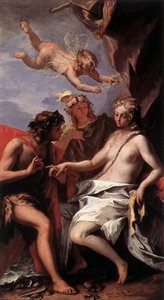
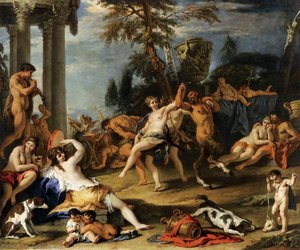
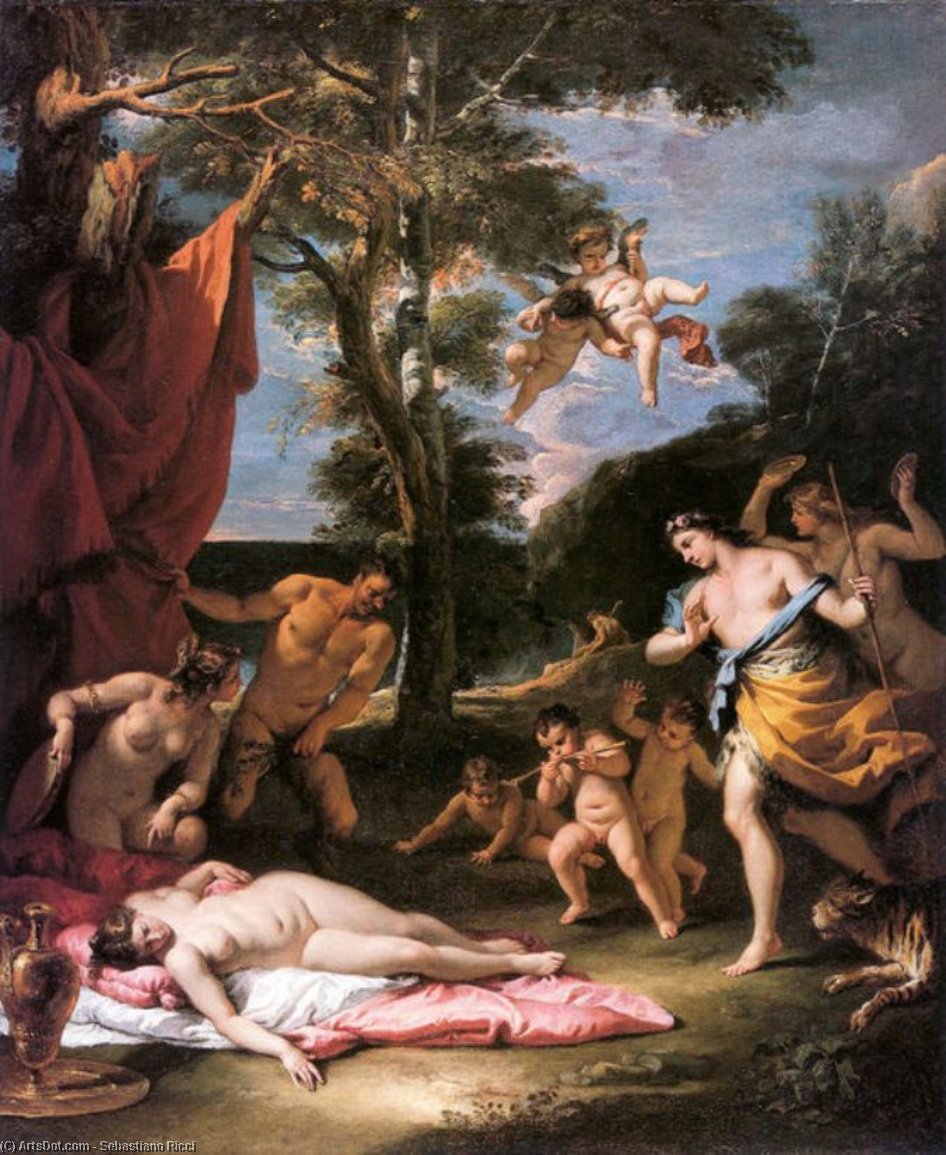
Meeting of Bacchus and Ariadne
 Öl auf Leinwand
- Wandkunst
- Baroque
 1713
1713 76.0 x 63.0 cm
 National Gallery
 Weiterlesen
Handgefertigte Ölreproduktion
Handgemaltes Ölgemälde auf Leinwand in Ihrer Wunschgröße und mit Rahmen, auf Bestellung von unseren Künstlern angefertigt. ( Druck bestellen Bild kaufen)




P118B $10

P118H $10

P118W $10

P438Z $10

P508JH $12

P508YH $12

P805H $10

P805Z $10

P919BZ $10

P919G $10

P919XJ $10

P959ZH $10

P968JZ $12

W106C $8

W218G $10

W218JH $8

W218Y $10

W307PJ $10

W316G $10

W316PJ $8

W316Y $10

W398PJ $8

W4111J $10

W500HY $15

W500JH $15

W692G $12

W849H $8

W940BG $15

W953PJ $8




Wählen Sie aus unseren vordefinierten Formaten, die den ursprünglichen Proportionen des Kunstwerks entsprechen.

Sie können Ihre eigenen Maße eingeben, um einen bestimmten Rahmen oder Platz auszufüllen. Wenn die gewählte Größe nicht den Proportionen des Originalbildes entspricht, werden wir das Kunstwerk entweder beschneiden oder das Gemälde durch zusätzliche, handgemalte Elemente erweitern. Ein digitales Mockup wird Ihnen zur Genehmigung zugesandt, bevor die Produktion beginnt.
Bitte beachten Sie, dass die Bildschirmvorschau nicht die tatsächliche Beschneidung oder Erweiterung widerspiegelt. Nur das Mockup zeigt die endgültige Komposition exakt an.
Obwohl Sondermaße verfügbar sind, empfehlen wir, eine Größe aus der vordefinierten Liste zu wählen, um die ursprünglichen Proportionen beizubehalten.
Nach der Bestellung wird das ArtsDot.com-Team dem Kunden Anweisungen per E-Mail zusenden und eine Mockup-Vorschau bereitstellen.
Weltweiter Versand () in nur 3 bis 4 Wochen statt der üblichen 5 Wochen. (27 August). Keine Kompromisse bei der Qualität.

Kostenloser weltweiter Expressversand

Hochwertige Leinenleinwand

Umfassender Versicherungsschutz beim Versand

Zollgebühren-Rückerstattungsgarantie

Garantie für exakte Farbtreue

60 Tage Rückgaberecht (nur bei Mängeln)

100% Geld-zurück-Garantie

Mengenrabatt verfügbar
 Die Glasoption ist nur für Größen unter 110 cm verfügbar.

Meeting of Bacchus and Ariadne
Art der Reproduktion
Format der Reproduktion
-


Gesamtpreis
$ 263
Beschreibung des Kunstwerks
A Symphony of Myth and Baroque Grandeur: Exploring Sebastiano Ricci’s “Meeting of Bacchus and Ariadne”
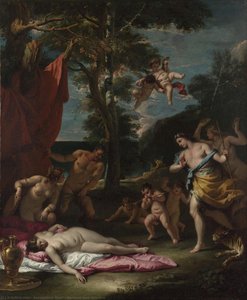
The painting "Meeting of Bacchus and Ariadne," executed by Sebastiano Ricci in 1713-1715, stands as a cornerstone of Venetian baroque art—a testament to the opulent aesthetic sensibilities of its era and a masterful demonstration of Ricci’s unparalleled skill in capturing dramatic emotion and intricate detail. Commissioned for the Royal Academy of Arts in London, this monumental fresco transcends mere depiction; it embodies a profound engagement with classical mythology and elevates it into a celebration of sensual pleasure and divine union.Subject Matter and Narrative Depth
At its core lies the iconic tale recounted by Apollonian poet Euripides—the clandestine rendezvous between Dionysus (Bacchus), god of wine, revelry, and ecstasy, and Ariadne, princess of Crete and lover of Theseus. Ricci skillfully portrays the couple nestled in a lavish bed draped with sumptuous fabrics, bathed in diffused light that underscores the intimacy of their encounter. Surrounding them is a vibrant tableau populated by nymphs and satyrs—figures emblematic of pagan fertility and Dionysiac frenzy—who participate in an exuberant dance of celebration. The inclusion of animals – notably a dog guarding Ariadne’s chamber and birds perched aloft – adds layers of symbolic significance, representing loyalty, vigilance, and aspiration towards the heavens. Ricci doesn't simply narrate the myth; he inhabits it, conveying its emotional core with palpable dynamism.Technique and Artistic Style: Baroque Mastery
Ricci’s technique exemplifies the baroque style’s hallmark characteristics: dramatic chiaroscuro—the masterful manipulation of light and shadow—creates a breathtaking illusion of depth and enhances the theatrical quality of the scene. Ricci employs a rich palette dominated by reds, golds, and blues, colors traditionally associated with royalty and divinity, further amplifying the grandeur of the composition. The artist’s meticulous attention to detail is evident in every brushstroke, from the intricate drapery folds to the expressive faces of the figures—each rendered with remarkable realism and imbued with palpable emotion. Ricci's approach aligns perfectly with the prevailing artistic conventions of his time, prioritizing emotional impact over strict anatomical accuracy.Historical Context: Venice at Its Zenith
Venice in the early 18th century was experiencing a golden age of artistic patronage under Cardinal Alessandro Velázquez—a period marked by unprecedented wealth and cultural ambition. Ricci’s fresco reflects this spirit of grandeur and sophistication, aligning with the Academy's desire to showcase Venetian artistry on an international stage. The painting emerged during a time when baroque art sought to evoke awe and inspire contemplation, mirroring the broader intellectual currents of the era – particularly Neoclassical thought which was beginning to challenge the excesses of its predecessor. Ricci’s work stands as a powerful reminder of Venice's role as a beacon of artistic innovation and cultural prestige.Symbolism: Pleasure, Fertility, Divine Union
Beyond its narrative depiction, “Meeting of Bacchus and Ariadne” is laden with symbolic resonance. The bed itself represents sensual pleasure and intimacy—a deliberate allusion to the pagan ideals of beauty and desire. Dionysus embodies liberation from restraint and embraces spontaneity, while Ariadne symbolizes purity and grace amidst the wildness of the mythological realm. The dance of nymphs and satyrs underscores the fecundity of nature and celebrates the joyous affirmation of life’s primal impulses. Ricci's masterful use of color and composition reinforces these themes, creating a visual experience that transcends mere representation—it aspires to communicate profound spiritual truths.Emotional Impact: Capturing Sublime Beauty
Ultimately, Ricci succeeds in transporting the viewer into the heart of the mythological drama. The painting evokes feelings of exhilaration, passion, and wonder—a testament to Ricci’s ability to capture the sublime beauty of baroque art. Its luminous colors, dramatic lighting, and dynamic movement compel contemplation, inviting viewers to immerse themselves in a world of sensual delight and divine inspiration. “Meeting of Bacchus and Ariadne” remains an enduring masterpiece—a timeless embodiment of Venetian artistic excellence and a captivating exploration of human desire and spiritual aspiration.Ähnliche Kunstwerke


Über den Künstler
Sebastiano Ricci: Ein Leben in Farbe und Bewegung
Sebastiano Ricci, geboren am 1. August 1659 in Belluno und gestorben am 15. Mai 1734, war ein bedeutender italienischer Maler der späten Barockzeit in Venedig. Er gilt als Vertreter des venezianischen Malstils, bekannt für seine großformatigen Fresken und die kraftvolle, leuchtende Darstellung seiner Motive.
Frühe Jahre und Ausbildung
Ricci begann seine künstlerische Laufbahn bereits in jungen Jahren. 1671 wurde er in die Lehre bei Federico Cervelli in Venedig gegeben. Einige Quellen nennen jedoch auch Sebastiano Mazzoni als seinen ersten Lehrer. Seine Jugend war von persönlichen Schwierigkeiten geprägt, darunter eine ungewollte Schwangerschaft und anschließende Anklagen, die zu einer kurzzeitigen Haftstrafe führten. Diese Ereignisse zwangen ihn, seine Karriere mehrfach neu auszurichten.
Künstlerischer Stil und Einflüsse
Ricci’s Stil wurde maßgeblich von Giovanni Gioseffo dal Soles Werk beeinflusst, während er sich in Bologna aufhielt. Seine Gemälde zeichnen sich durch eine dynamische Komposition, leuchtende Farben und einen kraftvollen Ausdruck aus. Er vereinte Elemente des venezianischen Barock mit Einflüssen der Bologneser Schule und entwickelte so seinen eigenen Stil, der die Großzügigkeit und das Drama der Barockmalerei widerspiegelt.
- Einflüsse: Giovanni Gioseffo dal Sole, Pietro da Cortona
- Merkmale: Dynamische Kompositionen, leuchtende Farben, kraftvoller Ausdruck, großformatige Fresken
Wichtige Werke und Aufträge
Ricci hinterließ eine Reihe bedeutender Werke, die seinen Ruf als herausragender Maler festigten:
- Bacchus und Ariadne: Dieses Gemälde, das sich in der National Gallery London befindet, demonstriert Riccis Beherrschung des Barockstils.
- Memorial to Admiral Sir Clowdisley Shovell: Ein beeindruckendes Porträt, das die Essenz eines historischen Moments einfängt.
- Dekoration des Oratorium der Madonna del Serraglio (1685-1687): In Zusammenarbeit mit Ferdinando Galli-Bibiena schuf Ricci eine prächtige Freskenausstattung, für die er 4.482 Lire erhielt.
- Venus nimmt Abschied von Adonis: Ein Werk, das seine Fähigkeit zeigt, himmlische Darstellungen zu schaffen und eine Atmosphäre der Anmut und Schönheit zu vermitteln.
Späteres Leben und Vermächtnis
Ricci’s Karriere war von Umwälzungen und Skandalen geprägt, doch er schuf weiterhin bedeutende Werke. Er fand auch ausländische Förderung, insbesondere in London, wo er für Lord Burlington arbeitete. Sein Einfluss reichte über Italien hinaus, und seine Arbeiten inspirierten nachfolgende Generationen von Künstlern. Giovanni Domenico Ferretti, ein florentinischer Maler des Rokoko, wurde von Riccis Stil beeinflusst. Ricci starb 1734 in Venedig und hinterließ ein Werk, das die Blütezeit der venezianischen Barockmalerei widerspiegelt.
Sebastiano Ricci
1659 - 1734 , Italien
Kurzinfos
- Beeinflusste Künstler: ['Giovanni Gioseffo dal Sole']
- Bemerkenswerte Werke:
- Bacchus und Ariadne
- Memorial to Admiral Shovell
- Venus verlässt Adonis
- Geburtsdatum: 1. August 1659
- Geburtsort: Belluno, Italien
- Künstlerische Bewegung: Spätbarock
- Nationalität: Italienisch
- Todatum: 15. Mai 1734
- Vollständiger Name: Sebastiano Ricci
- Von Ihm Beeinflusste Künstler:
- Luigi Bonazza
- Giovanni Domenico Ferretti
Ähnliche Artikel

Baroque Classicism: Reconciling Drama & Order in 17th-Century Art
Explore the captivating world of Baroque Classicism! Discover its history, key artists like Caravaggio & Rubens, and defining characteristics. Expert insights & high-quality reproductions at ArtsDot.
Echoes of Olympus: Mythological Narratives in Western Art Through the Ages
Explore the captivating history of mythological narratives in Western art! From ancient Greece to modern masterpieces, discover iconic artworks & symbolism. Expert analysis and high-quality reproductions at ArtsDot.

Barocke Pracht: Wie Sie Opulenz und Emotionen in zeitgenössische Innenräume bringen
Entdecken Sie die Pracht des Barock! Expertenratgeber für luxuriöse Innenräume mit barocken Elementen. Inspiration, Tipps & hochwertige Kunst bei .
Guido Reni: Meister des Barockklassizismus und die Perfektion künstlerischer Vollendung
Entdecken Sie Guido Renis Meisterwerke und die faszinierende Welt des Barockklassizismus. Expertenanalyse seiner Technik, Ikonografie & seines Einflusses auf die Kunstgeschichte. Jetzt lesen!

Jacopo Tintoretto: Die 25 Meisterwerke des venezianischen Dramatikers | ArtsDot
Entdecken Sie die 25 Meisterwerke von Jacopo Tintoretto! Tauchen Sie ein in die dramatische Welt der venezianischen Renaissance. Hochwertige Kunst-Reproduktionen & Inspiration für Ihr Zuhause – jetzt auf ArtsDot.com.