 Vorschau anzeigen
 Versenden
 Teilen
 Details anzeigen

 Herunterladen
 Ähnliche Objekte
 Röntgenaufnahme
 Diashow
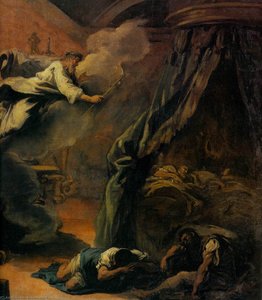
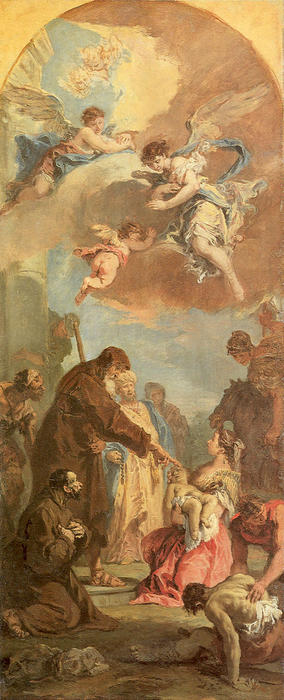
Miracle of Saint Francis of Paola
 Oil On Canvas
- WallArt
- Baroque
 1733
1733 84.0 x 35.0 cm
 National Gallery of Art
 Weiterlesen
Handgefertigte Ölreproduktion
Handgemaltes Ölgemälde auf Leinwand in Ihrer Wunschgröße und mit Rahmen, auf Bestellung von unseren Künstlern angefertigt. ( Druck bestellen Bild kaufen)




P118B $10

P118H $10

P118W $10

P438Z $10

P508JH $12

P508YH $12

P805H $10

P805Z $10

P919BZ $10

P919G $10

P919XJ $10

P959ZH $10

P968JZ $12

W106C $8

W218G $10

W218JH $8

W218Y $10

W307PJ $10

W316G $10

W316PJ $8

W316Y $10

W398PJ $8

W4111J $10

W500HY $15

W500JH $15

W692G $12

W849H $8

W940BG $15

W953PJ $8




Wählen Sie aus unseren vordefinierten Formaten, die den ursprünglichen Proportionen des Kunstwerks entsprechen.

Sie können Ihre eigenen Maße eingeben, um einen bestimmten Rahmen oder Platz auszufüllen. Wenn die gewählte Größe nicht den Proportionen des Originalbildes entspricht, werden wir das Kunstwerk entweder beschneiden oder das Gemälde durch zusätzliche, handgemalte Elemente erweitern. Ein digitales Mockup wird Ihnen zur Genehmigung zugesandt, bevor die Produktion beginnt.
Bitte beachten Sie, dass die Bildschirmvorschau nicht die tatsächliche Beschneidung oder Erweiterung widerspiegelt. Nur das Mockup zeigt die endgültige Komposition exakt an.
Obwohl Sondermaße verfügbar sind, empfehlen wir, eine Größe aus der vordefinierten Liste zu wählen, um die ursprünglichen Proportionen beizubehalten.
Nach der Bestellung wird das ArtsDot.com-Team dem Kunden Anweisungen per E-Mail zusenden und eine Mockup-Vorschau bereitstellen.
Weltweiter Versand () in nur 3 bis 4 Wochen statt der üblichen 5 Wochen. (29 August). Keine Kompromisse bei der Qualität.

Kostenloser weltweiter Expressversand

Hochwertige Leinenleinwand

Umfassender Versicherungsschutz beim Versand

Zollgebühren-Rückerstattungsgarantie

Garantie für exakte Farbtreue

60 Tage Rückgaberecht (nur bei Mängeln)

100% Geld-zurück-Garantie

Mengenrabatt verfügbar
 Die Glasoption ist nur für Größen unter 110 cm verfügbar.

Miracle of Saint Francis of Paola
Art der Reproduktion
Format der Reproduktion
-


Gesamtpreis
$ 263
A Vision of Faith and Divine Intervention
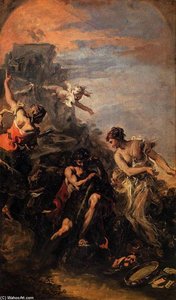
Sebastiano Ricci’s “Miracle of Saint Francis of Paola,” painted in 1733, is more than just a religious depiction; it's a vibrant tableau of faith, hope, and the tangible power of divine grace. The scene unfolds within a meticulously rendered Italian interior – a modest room bathed in diffused light that suggests both earthly reality and an ethereal presence. At its heart stands Saint Francis of Paola (1416-1507), not as a stern ascetic, but as a figure radiating warmth and compassion. He’s depicted mid-action, his arms outstretched towards a young woman kneeling before him, her forehead gently touched by his hand. This simple gesture – a touch that seems to bypass the physical realm – is the catalyst for a miraculous healing.
Ricci, a pivotal figure in late Baroque Venetian painting, masterfully captures the drama of this moment with a dynamic composition and an impressive command of color and light. His style, heavily influenced by the grand manner fresco traditions of earlier masters like Dal Monte and Titian, is characterized by rich textures, luminous flesh tones, and a dramatic use of chiaroscuro – the interplay between light and shadow – that intensifies the emotional impact of the scene. The artist skillfully employs a pyramidal structure to draw the viewer’s eye towards Saint Francis, emphasizing his central role as the conduit for divine intervention.
The Legend Behind the Canvas
The painting is rooted in a compelling legend surrounding Saint Francis of Paola, a charismatic friar known for his extraordinary miracles. Born in Calabria, he dedicated his life to poverty and prayer, earning renown for his ability to heal the sick and raise the dead. The central miracle depicted – the restoration of a young woman’s sight – is one of the most celebrated accounts from his life. Ricci doesn't simply illustrate this event; he imbues it with an almost palpable sense of urgency and spiritual significance. The surrounding figures—angels hovering above, a crowd gathered in silent witness, and the woman herself radiating gratitude—all contribute to the narrative’s emotional resonance.
It’s important to note that Ricci's depiction aligns with the broader devotional trends of the 18th century. The popularity of Saint Francis of Paola was surging during this period, fueled by his reputation for miracles and his association with the Order of Minims, a branch of the Franciscan order known for its strict observance of poverty and devotion to prayer. Ricci’s painting served as both a visual testament to the saint's power and a powerful encouragement for his followers.
Symbolism and Artistic Technique
Beyond the immediate narrative, “Miracle of Saint Francis of Paola” is rich in symbolic detail. The light emanating from Saint Francis’ hand symbolizes divine grace and healing. The woman’s posture—kneeling in humility and supplication—underscores her vulnerability and faith. The angels, rendered with delicate wings and serene expressions, represent the heavenly realm and God's intervention. Ricci’s masterful use of oil paint allows for a remarkable level of detail – from the folds of the fabric to the textures of the faces – creating a sense of realism that enhances the painting’s emotional impact.
The composition also incorporates elements of Italianate architecture, subtly suggesting the sanctity and timelessness of the scene. The use of warm earth tones—ochre, umber, and sienna—creates a harmonious atmosphere, while touches of gold highlight the divine presence. Ricci’s meticulous attention to detail and his skillful manipulation of light and shadow combine to produce a work that is both visually stunning and deeply moving.
A Legacy of Faith and Artistic Brilliance
“Miracle of Saint Francis of Paola” stands as a testament to Sebastiano Ricci's artistic talent and his ability to capture the essence of religious devotion. The painting’s enduring appeal lies in its powerful depiction of faith, hope, and the transformative power of divine grace. Today, reproductions of this captivating artwork continue to inspire viewers with their beauty and spiritual depth.
Ähnliche Kunstwerke
Über den Künstler
Sebastiano Ricci: Ein Leben in Farbe und Bewegung
Sebastiano Ricci, geboren am 1. August 1659 in Belluno und gestorben am 15. Mai 1734, war ein bedeutender italienischer Maler der späten Barockzeit in Venedig. Er gilt als Vertreter des venezianischen Malstils, bekannt für seine großformatigen Fresken und die kraftvolle, leuchtende Darstellung seiner Motive.
Frühe Jahre und Ausbildung
Ricci begann seine künstlerische Laufbahn bereits in jungen Jahren. 1671 wurde er in die Lehre bei Federico Cervelli in Venedig gegeben. Einige Quellen nennen jedoch auch Sebastiano Mazzoni als seinen ersten Lehrer. Seine Jugend war von persönlichen Schwierigkeiten geprägt, darunter eine ungewollte Schwangerschaft und anschließende Anklagen, die zu einer kurzzeitigen Haftstrafe führten. Diese Ereignisse zwangen ihn, seine Karriere mehrfach neu auszurichten.
Künstlerischer Stil und Einflüsse
Ricci’s Stil wurde maßgeblich von Giovanni Gioseffo dal Soles Werk beeinflusst, während er sich in Bologna aufhielt. Seine Gemälde zeichnen sich durch eine dynamische Komposition, leuchtende Farben und einen kraftvollen Ausdruck aus. Er vereinte Elemente des venezianischen Barock mit Einflüssen der Bologneser Schule und entwickelte so seinen eigenen Stil, der die Großzügigkeit und das Drama der Barockmalerei widerspiegelt.
- Einflüsse: Giovanni Gioseffo dal Sole, Pietro da Cortona
- Merkmale: Dynamische Kompositionen, leuchtende Farben, kraftvoller Ausdruck, großformatige Fresken
Wichtige Werke und Aufträge
Ricci hinterließ eine Reihe bedeutender Werke, die seinen Ruf als herausragender Maler festigten:
- Bacchus und Ariadne: Dieses Gemälde, das sich in der National Gallery London befindet, demonstriert Riccis Beherrschung des Barockstils.
- Memorial to Admiral Sir Clowdisley Shovell: Ein beeindruckendes Porträt, das die Essenz eines historischen Moments einfängt.
- Dekoration des Oratorium der Madonna del Serraglio (1685-1687): In Zusammenarbeit mit Ferdinando Galli-Bibiena schuf Ricci eine prächtige Freskenausstattung, für die er 4.482 Lire erhielt.
- Venus nimmt Abschied von Adonis: Ein Werk, das seine Fähigkeit zeigt, himmlische Darstellungen zu schaffen und eine Atmosphäre der Anmut und Schönheit zu vermitteln.
Späteres Leben und Vermächtnis
Ricci’s Karriere war von Umwälzungen und Skandalen geprägt, doch er schuf weiterhin bedeutende Werke. Er fand auch ausländische Förderung, insbesondere in London, wo er für Lord Burlington arbeitete. Sein Einfluss reichte über Italien hinaus, und seine Arbeiten inspirierten nachfolgende Generationen von Künstlern. Giovanni Domenico Ferretti, ein florentinischer Maler des Rokoko, wurde von Riccis Stil beeinflusst. Ricci starb 1734 in Venedig und hinterließ ein Werk, das die Blütezeit der venezianischen Barockmalerei widerspiegelt.
Sebastiano Ricci
1659 - 1734 , Italien
Kurzinfos
- Beeinflusste Künstler: ['Giovanni Gioseffo dal Sole']
- Bemerkenswerte Werke:
- Bacchus und Ariadne
- Memorial to Admiral Shovell
- Venus verlässt Adonis
- Geburtsdatum: 1. August 1659
- Geburtsort: Belluno, Italien
- Künstlerische Bewegung: Spätbarock
- Nationalität: Italienisch
- Todatum: 15. Mai 1734
- Vollständiger Name: Sebastiano Ricci
- Von Ihm Beeinflusste Künstler:
- Luigi Bonazza
- Giovanni Domenico Ferretti
Ähnliche Artikel
Francis Bacon: Die 25 Meisterwerke des existentiellen Schmerzes | ArtsDot
Entdecken Sie die 25 Meisterwerke von Francis Bacon! Erleben Sie existenzielle Schmerz, expressive Porträts & dunkle Farben. Kunstreproduktionen in Museumsqualiät auf ArtsDot.com – für Ihre Wanddekoration.
Sebastiano Ricci: Venezianischer Meister der Barockillusion und Rokoko-Eleganz
Entdecken Sie das Werk des venezianischen Barockmeisters Sebastiano Ricci! Erfahren Sie mehr über seinen Stil, seine Fresken und sein Vermächtnis. Kunstberatung & hochwertige Reproduktionen bei ArtsDot.

The Dramatic Flourish: Exploring the Baroque Movement's Enduring Legacy in Art History
Explore the dramatic world of Baroque art! Discover iconic artists like Caravaggio & Rubens, defining techniques, and its lasting impact on art history. Expert insights for collectors & enthusiasts at ArtsDot.

Barock Meisterwerke: Die 10 prägendsten Kunstwerke für Ihr Zuhause |
Entdecken Sie die 10 prägendsten Meisterwerke des Barock! Caravaggio, Rembrandt & Co. – Erfahren Sie die Geschichten hinter ikonischen Gemälde und finden Sie hochwertige Kunst Reproduktionen für Ihr Zuhause auf .

Barocke Pracht: Wie Sie Opulenz und Emotionen in zeitgenössische Innenräume bringen
Entdecken Sie die Pracht des Barock! Expertenratgeber für luxuriöse Innenräume mit barocken Elementen. Inspiration, Tipps & hochwertige Kunst bei .