 Vorschau anzeigen
 Versenden
 Teilen
 Details anzeigen

 Herunterladen
 Ähnliche Objekte
 Röntgenaufnahme
 Diashow
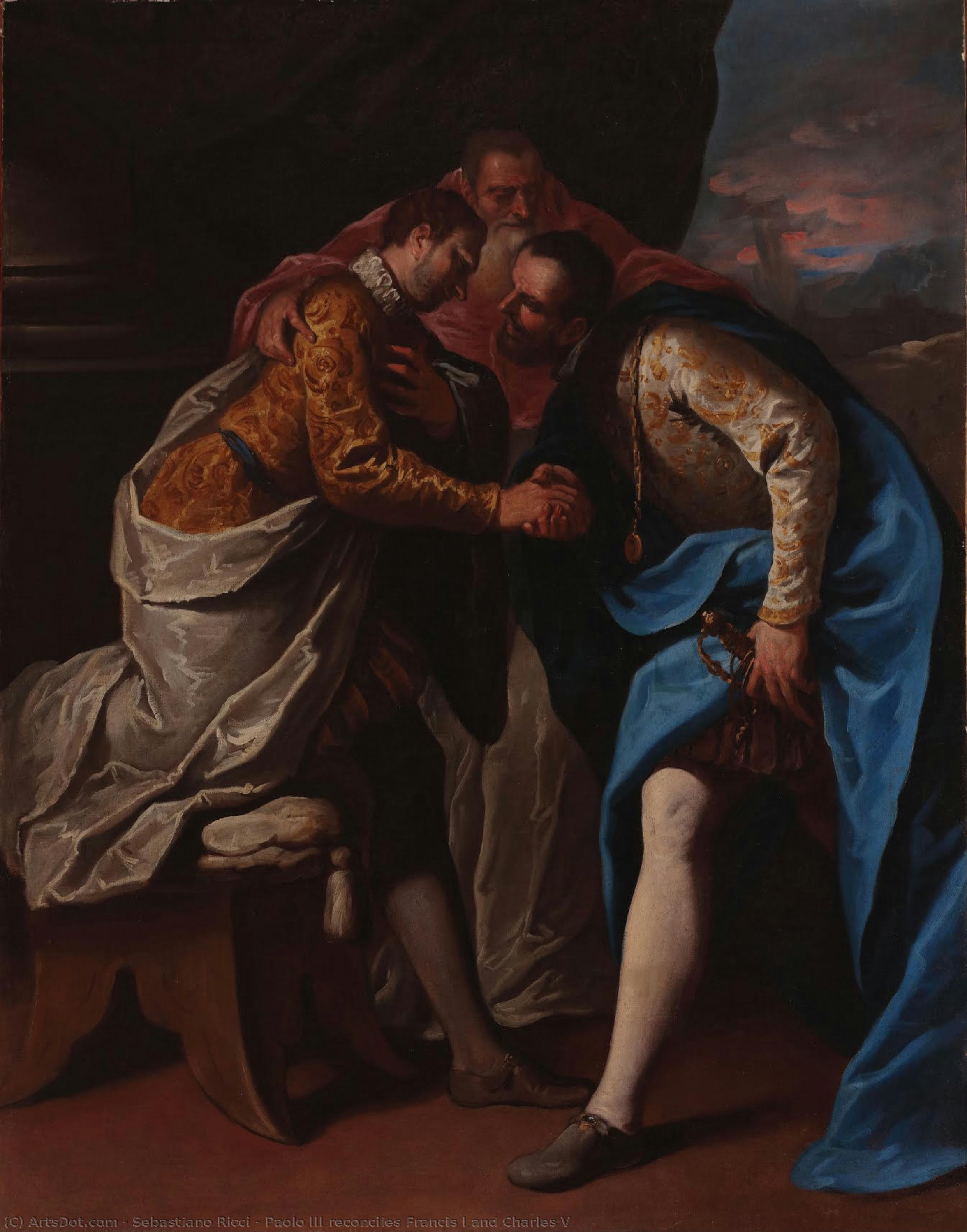
Paolo III reconciles Francis I and Charles V
 Oil On Canvas
- WallArt
- Baroque Painting
 Renaissance
 95.0 x 118.0 cm
 Musei Civici di Palazzo Farnese
 Weiterlesen
Giclée / Kunstdruck
Giclée- oder Leinwanddruck in Museumsqualität mit schneller Produktion und flexiblen Veredelungsoptionen. ( Handgemalte Reproduktion bestellen Bild kaufen)




P118B $10

P118H $10

P118W $10

P438Z $10

P508JH $12

P508YH $12

P805H $10

P805Z $10

P919BZ $10

P919G $10

P919XJ $10

P959ZH $10

P968JZ $12

W106C $8

W218G $10

W218JH $8

W218Y $10

W307PJ $10

W316G $10

W316PJ $8

W316Y $10

W398PJ $8

W4111J $10

W500HY $15

W500JH $15

W692G $12

W849H $8

W940BG $15

W953PJ $8




Wählen Sie aus unseren vordefinierten Formaten, die den ursprünglichen Proportionen des Kunstwerks entsprechen.

Sie können Ihre eigenen Maße eingeben, um ein bestimmtes Format oder einen speziellen Platz einzupassen. Wenn das von Ihnen gewählte Format nicht den Proportionen des Originalbildes entspricht, werden wir das Kunstwerk entweder beschneiden oder das Bild mit einem gespiegelten oder einfarbigen Rand erweitern. Ein digitaler Entwurf wird Ihnen zur Genehmigung zugesandt, bevor die Produktion beginnt.
Bitte beachten Sie, dass die Vorschau auf dem Bildschirm nicht den tatsächlichen Zuschnitt oder die Erweiterung widerspiegelt. Nur der Entwurf zeigt die endgültige Komposition präzise an.
Obwohl Sondermaße verfügbar sind, empfehlen wir die Auswahl eines Maßes aus der vordefinierten Liste, um die ursprünglichen Proportionen zu bewahren.
Weltweiter Versand () innerhalb von 2 Wochen statt der üblichen 4/5 Wochen. (26 August)

Kostenloser weltweiter Expressversand

Hochwertige Leinenleinwand

Umfassender Versicherungsschutz beim Versand

Zollgebühren-Rückerstattungsgarantie

Garantie für exakte Farbtreue

60 Tage Rückgaberecht (nur bei Mängeln)

100% Geld-zurück-Garantie

Mengenrabatt verfügbar
 Die Glasoption ist nur für Größen unter 110 cm verfügbar.

Paolo III reconciles Francis I and Charles V
Giclée / Kunstdruck
Format der Reproduktion
-


Gesamtpreis
$ 62
Sammlerstück-Beschreibung
Paolo III Reconciles Francis I and Charles V: A Venetian Masterpiece of Diplomacy
Sebastiano Ricci’s “Paolo III reconciles Francis I and Charles V” is more than just a depiction of a historical event; it's a meticulously crafted tableau brimming with the political tensions and calculated diplomacy of 16th-century Europe. Executed in oil on canvas, this artwork, measuring 95 x 118 cm, transports us to a pivotal moment orchestrated by Pope Paul III – a shrewd mediator attempting to quell simmering rivalries between the ambitious French King Francis I and the Holy Roman Emperor Charles V. The scene unfolds with a remarkable sense of immediacy, capturing the very essence of negotiation and the fragile balance of power.
- Subject Matter: The painting’s core subject is the reconciliation between these three dominant European figures. Ricci skillfully portrays them engaged in conversation, their gestures suggesting both seriousness and a tentative agreement.
- Costume & Symbolism: Each figure's attire speaks volumes about their status and allegiance. Francis I, identifiable by his blue clothing, represents France’s burgeoning power. Charles V, distinguished by his yellow and black outfit, embodies the vast territories of the Holy Roman Empire. Pope Paul III, positioned centrally, wears a gold robe – a clear symbol of his authority and role as arbiter.
- Composition & Technique: Ricci's brushwork is characterized by its luminous quality, a hallmark of Venetian painting during this period. The use of chiaroscuro—the dramatic interplay of light and shadow—adds depth and intensity to the scene, focusing attention on the key figures while subtly suggesting the complexities of their interactions.
The Context of Papal Mediation
To fully appreciate “Paolo III reconciles Francis I and Charles V,” it’s crucial to understand the historical context in which it was created. The mid-16th century witnessed a period of intense rivalry between France and the Holy Roman Empire, fueled by territorial disputes and dynastic ambitions. Pope Paul III, recognizing the potential for devastating conflict, skillfully leveraged his position as a neutral mediator to bring these powerful figures together. Ricci’s painting serves as a visual record of this delicate diplomatic maneuver, highlighting the importance of papal influence in European affairs.
The scene isn't merely a portrait; it’s a carefully constructed narrative reflecting the political realities of the time. The act of hand-on-shoulder between Francis I and Charles V subtly suggests camaraderie and mutual respect – a testament to Paul III’s persuasive abilities. Ricci masterfully captures this nuanced interaction, elevating the painting beyond a simple depiction of a meeting.
Sebastiano Ricci: A Venetian Baroque Visionary
Painted by Sebastiano Ricci (1659-1734), a prominent figure in the late Baroque school of Venice, this work exemplifies his signature style – characterized by its vibrant colors, dynamic compositions, and masterful use of light. Ricci’s training under Federico Cervelli and possibly Sebastiano Mazzoni instilled in him a deep understanding of Venetian artistic traditions, which he skillfully blended with his own innovative approach. His works, such as “Bacchus and Ariadne,” demonstrate his ability to create visually arresting scenes filled with movement and emotion.
Ricci’s legacy extends beyond individual masterpieces; he played a significant role in shaping the trajectory of Venetian painting during a period of transition. His influence can be seen in the works of subsequent generations of artists, solidifying his place as one of Venice's most important Baroque painters. This particular piece offers a rare glimpse into his artistic vision and technical prowess.
Ähnliche Kunstwerke



Über den Künstler
Sebastiano Ricci: Ein Leben in Farbe und Bewegung
Sebastiano Ricci, geboren am 1. August 1659 in Belluno und gestorben am 15. Mai 1734, war ein bedeutender italienischer Maler der späten Barockzeit in Venedig. Er gilt als Vertreter des venezianischen Malstils, bekannt für seine großformatigen Fresken und die kraftvolle, leuchtende Darstellung seiner Motive.
Frühe Jahre und Ausbildung
Ricci begann seine künstlerische Laufbahn bereits in jungen Jahren. 1671 wurde er in die Lehre bei Federico Cervelli in Venedig gegeben. Einige Quellen nennen jedoch auch Sebastiano Mazzoni als seinen ersten Lehrer. Seine Jugend war von persönlichen Schwierigkeiten geprägt, darunter eine ungewollte Schwangerschaft und anschließende Anklagen, die zu einer kurzzeitigen Haftstrafe führten. Diese Ereignisse zwangen ihn, seine Karriere mehrfach neu auszurichten.
Künstlerischer Stil und Einflüsse
Ricci’s Stil wurde maßgeblich von Giovanni Gioseffo dal Soles Werk beeinflusst, während er sich in Bologna aufhielt. Seine Gemälde zeichnen sich durch eine dynamische Komposition, leuchtende Farben und einen kraftvollen Ausdruck aus. Er vereinte Elemente des venezianischen Barock mit Einflüssen der Bologneser Schule und entwickelte so seinen eigenen Stil, der die Großzügigkeit und das Drama der Barockmalerei widerspiegelt.
- Einflüsse: Giovanni Gioseffo dal Sole, Pietro da Cortona
- Merkmale: Dynamische Kompositionen, leuchtende Farben, kraftvoller Ausdruck, großformatige Fresken
Wichtige Werke und Aufträge
Ricci hinterließ eine Reihe bedeutender Werke, die seinen Ruf als herausragender Maler festigten:
- Bacchus und Ariadne: Dieses Gemälde, das sich in der National Gallery London befindet, demonstriert Riccis Beherrschung des Barockstils.
- Memorial to Admiral Sir Clowdisley Shovell: Ein beeindruckendes Porträt, das die Essenz eines historischen Moments einfängt.
- Dekoration des Oratorium der Madonna del Serraglio (1685-1687): In Zusammenarbeit mit Ferdinando Galli-Bibiena schuf Ricci eine prächtige Freskenausstattung, für die er 4.482 Lire erhielt.
- Venus nimmt Abschied von Adonis: Ein Werk, das seine Fähigkeit zeigt, himmlische Darstellungen zu schaffen und eine Atmosphäre der Anmut und Schönheit zu vermitteln.
Späteres Leben und Vermächtnis
Ricci’s Karriere war von Umwälzungen und Skandalen geprägt, doch er schuf weiterhin bedeutende Werke. Er fand auch ausländische Förderung, insbesondere in London, wo er für Lord Burlington arbeitete. Sein Einfluss reichte über Italien hinaus, und seine Arbeiten inspirierten nachfolgende Generationen von Künstlern. Giovanni Domenico Ferretti, ein florentinischer Maler des Rokoko, wurde von Riccis Stil beeinflusst. Ricci starb 1734 in Venedig und hinterließ ein Werk, das die Blütezeit der venezianischen Barockmalerei widerspiegelt.
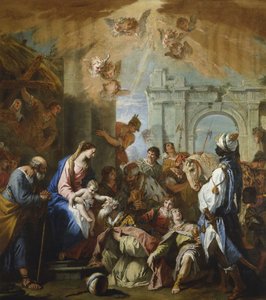
Sebastiano Ricci
1659 - 1734 , Italien
Kurzinfos
- Beeinflusste Künstler: ['Giovanni Gioseffo dal Sole']
- Bemerkenswerte Werke:
- Bacchus und Ariadne
- Memorial to Admiral Shovell
- Venus verlässt Adonis
- Geburtsdatum: 1. August 1659
- Geburtsort: Belluno, Italien
- Künstlerische Bewegung: Spätbarock
- Nationalität: Italienisch
- Todatum: 15. Mai 1734
- Vollständiger Name: Sebastiano Ricci
- Von Ihm Beeinflusste Künstler:
- Luigi Bonazza
- Giovanni Domenico Ferretti
Ähnliche Artikel
Francis Bacon: Die 25 Meisterwerke des existentiellen Schmerzes | ArtsDot
Entdecken Sie die 25 Meisterwerke von Francis Bacon! Erleben Sie existenzielle Schmerz, expressive Porträts & dunkle Farben. Kunstreproduktionen in Museumsqualiät auf ArtsDot.com – für Ihre Wanddekoration.
Sebastiano Ricci: Venezianischer Meister der Barockillusion und Rokoko-Eleganz
Entdecken Sie das Werk des venezianischen Barockmeisters Sebastiano Ricci! Erfahren Sie mehr über seinen Stil, seine Fresken und sein Vermächtnis. Kunstberatung & hochwertige Reproduktionen bei ArtsDot.

Barocke Pracht: Wie Sie Opulenz und Emotionen in zeitgenössische Innenräume bringen
Entdecken Sie die Pracht des Barock! Expertenratgeber für luxuriöse Innenräume mit barocken Elementen. Inspiration, Tipps & hochwertige Kunst bei .

The Dramatic Flourish: Exploring the Baroque Movement's Enduring Legacy in Art History
Explore the dramatic world of Baroque art! Discover iconic artists like Caravaggio & Rubens, defining techniques, and its lasting impact on art history. Expert insights for collectors & enthusiasts at ArtsDot.

Barock Meisterwerke: Die 10 prägendsten Kunstwerke für Ihr Zuhause |
Entdecken Sie die 10 prägendsten Meisterwerke des Barock! Caravaggio, Rembrandt & Co. – Erfahren Sie die Geschichten hinter ikonischen Gemälde und finden Sie hochwertige Kunst Reproduktionen für Ihr Zuhause auf .