 Vorschau anzeigen
 Versenden
 Teilen
 Details anzeigen

 Herunterladen
 Ähnliche Objekte
 Röntgenaufnahme
 Diashow
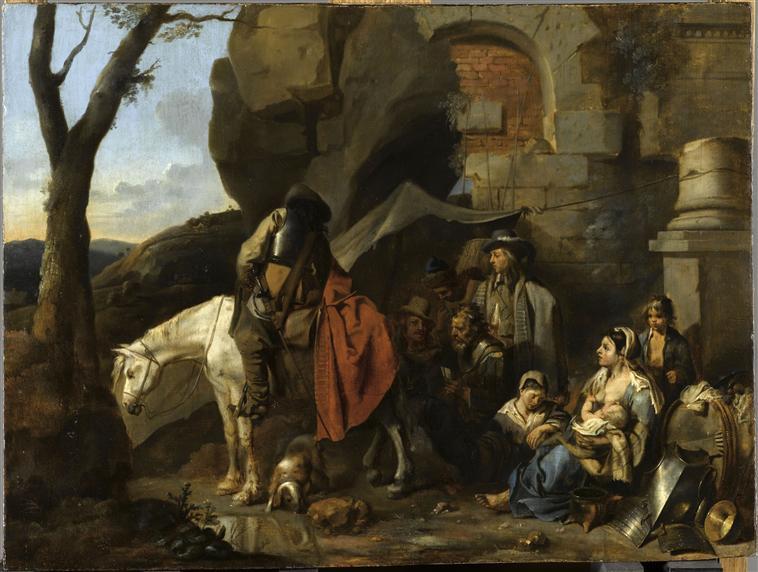
Halte de soldats dit autrefois Halte de bohémiens


 Weiterlesen
Giclée / Kunstdruck
Giclée- oder Leinwanddruck in Museumsqualität mit schneller Produktion und flexiblen Veredelungsoptionen. ( Handgemalte Reproduktion bestellen Bild kaufen)




P118B $10

P118H $10

P118W $10

P438Z $10

P508JH $12

P508YH $12

P805H $10

P805Z $10

P919BZ $10

P919G $10

P919XJ $10

P959ZH $10

P968JZ $12

W106C $8

W218G $10

W218JH $8

W218Y $10

W307PJ $10

W316G $10

W316PJ $8

W316Y $10

W398PJ $8

W4111J $10

W500HY $15

W500JH $15

W692G $12

W849H $8

W940BG $15

W953PJ $8




Wählen Sie aus unseren vordefinierten Formaten, die den ursprünglichen Proportionen des Kunstwerks entsprechen.

Sie können Ihre eigenen Maße eingeben, um ein bestimmtes Format oder einen speziellen Platz einzupassen. Wenn das von Ihnen gewählte Format nicht den Proportionen des Originalbildes entspricht, werden wir das Kunstwerk entweder beschneiden oder das Bild mit einem gespiegelten oder einfarbigen Rand erweitern. Ein digitaler Entwurf wird Ihnen zur Genehmigung zugesandt, bevor die Produktion beginnt.
Bitte beachten Sie, dass die Vorschau auf dem Bildschirm nicht den tatsächlichen Zuschnitt oder die Erweiterung widerspiegelt. Nur der Entwurf zeigt die endgültige Komposition präzise an.
Obwohl Sondermaße verfügbar sind, empfehlen wir die Auswahl eines Maßes aus der vordefinierten Liste, um die ursprünglichen Proportionen zu bewahren.
Weltweiter Versand () innerhalb von 2 Wochen statt der üblichen 4/5 Wochen. (23 August)

Kostenloser weltweiter Expressversand

Hochwertige Leinenleinwand

Umfassender Versicherungsschutz beim Versand

Zollgebühren-Rückerstattungsgarantie

Garantie für exakte Farbtreue

60 Tage Rückgaberecht (nur bei Mängeln)

100% Geld-zurück-Garantie

Mengenrabatt verfügbar
 Die Glasoption ist nur für Größen unter 110 cm verfügbar.

Halte de soldats dit autrefois Halte de bohémiens
Giclée / Kunstdruck
Format der Reproduktion
-


Gesamtpreis
$ 62
Sammlerstück-Beschreibung
Halte de soldats dit autrefois Halte de bohémiens – A Symphony of Light and Emotion
The artwork “Halte de soldats dit autrefois Halte de bohémiens” by Sébastien Bourdon, painted circa 1650-1660, stands as a testament to the Baroque aesthetic—a period defined by dramatic theatricality, opulent ornamentation, and an unwavering commitment to conveying profound emotion. More than just a depiction of a roadside scene, it’s a carefully constructed meditation on human interaction amidst the grandeur of nature and architectural ambition. Bourdon's masterful handling of chiaroscuro – the interplay between light and shadow – elevates this seemingly simple composition into a powerful statement about faith, contemplation, and the ephemeral beauty of existence.- Subject Matter: The painting portrays a tranquil tableau featuring a mounted soldier accompanied by a group of travelers or bohemiens resting at a stone outcrop overlooking a fortified structure. A majestic white horse dominates the left side of the frame, symbolizing nobility and strength, while figures are clustered on the right, suggesting a dynamic exchange between disparate social strata. Notably, a dog sits calmly beside one of the individuals, adding an element of domesticity to this otherwise formal setting.
- Style & Technique: Bourdon’s style firmly anchors itself within the Baroque tradition—characterized by monumental scale, dramatic lighting effects, and meticulous detail. He employs oil paints on canvas with painstaking precision, layering brushstrokes to build up form and texture realistically. The artist utilizes strong outlines for figures but softens them in areas where light falls, creating a sense of depth and volume that draws the viewer’s eye into the scene.
- Composition: The balanced composition is central to Bourdon's artistic vision. The soldier occupies a prominent position at the apex of the frame, commanding attention while simultaneously grounding the scene. The horse’s placement on the left side contributes to visual stability and reinforces its symbolic significance. Careful consideration has been given to spatial arrangement—the rocky outcrop serves as a backdrop, framing the figures and enhancing the illusion of depth.
- Color Palette: Bourdon's color palette leans heavily into earthy tones – browns, greens, grays, and ochres – reflecting the natural landscape and conveying a sense of solemnity. However, splashes of warmer hues—primarily in clothing and skin tones—introduce vibrancy and warmth, creating a subtle contrast that underscores the emotional core of the artwork. The white horse provides a striking focal point against this muted backdrop.
- Symbolism & Emotional Impact: Beyond its visual splendor, “Halte de soldats dit autrefois Halte de bohémiens” resonates with deeper symbolic meanings. The soldier represents authority and duty, while the travelers embody curiosity and intellectual engagement. The presence of the dog symbolizes companionship and loyalty—elements that contribute to the painting’s overall atmosphere of tranquility and contemplation. Bourdon's masterful use of light and shadow evokes a feeling of melancholy, prompting viewers to reflect on themes of mortality and the fleeting nature of earthly pleasures.
Historical Context & Influences
Bourdon’s artistic trajectory was profoundly shaped by the intellectual fervor of his time—the Baroque era—which flourished in France during Louis XIV's reign. He absorbed the stylistic innovations championed by fellow artists like Nicolas Poussin and Claude Lorrain, who sought to elevate painting beyond mere representation toward conveying spiritual truths through idealized landscapes and biblical narratives. Caravaggio’s dramatic chiaroscuro technique exerted a particularly powerful influence on Bourdon, inspiring him to employ similar techniques—characterized by stark contrasts between light and dark—to heighten emotional impact and create an immersive visual experience.Detailed Analysis of Technique
Bourdon's meticulous approach to painting is evident in every brushstroke. He meticulously builds up form through multiple layers of oil paint, achieving remarkable realism in the depiction of textures—the roughness of the rocks, the folds of clothing, and the sheen of the horse’s coat—all rendered with painstaking detail. The artist skillfully blends colors seamlessly, creating subtle gradations in tone that contribute to the painting's luminous quality. Furthermore, Bourdon’s masterful manipulation of perspective—linear perspective converging towards a vanishing point beyond the frame—creates an illusion of depth and space that transports the viewer into the scene.Legacy & Significance
“Halte de soldats dit autrefois Halte de bohémiens” remains a cornerstone of French Baroque art history, securing Bourdon’s place as one of the era's foremost painters. Its enduring appeal lies not only in its technical brilliance but also in its ability to evoke profound emotional responses—inspiring admiration for its masterful composition and conveying themes of faith, contemplation, and human dignity. The painting continues to captivate audiences today, serving as a poignant reminder of the artistic achievements of the seventeenth century and Bourdon’s indelible contribution to the canon of Western art.Ähnliche Kunstwerke





Über den Künstler
Ein Meister des Lichts und der Vielseitigkeit: Das Leben von Sébastien Bourdon
Sébastien Bourdon (1616–1671) bleibt eine der fesselndsten und facettenreichsten Gestalten des französischen Barock des siebzehnten Jahrhunderts. Geboren in Montpellier in eine Familie protestantischer Künstler, wurde sein frühes Leben von den lebendigen, wenngleich oft turbulenten künstlerischen Traditionen Südfrankreichs geprägt. Sein Weg vom jungen Lehrling zu einem Gründungsmitglied der Académie Royale de Peuchture et de Sculpture ist ein Zeugnis eines tiefgründigen, rastlosen Intellekts und einer unvergleichlichen Fähigkeit, die stilistischen Strömungen Europas in sich aufzunehmen. Nach seiner frühen Ausbildung in Paris führte Bourdons Pfad ihn über Bordeaux und Toulouse, bis er das geistige und künstlerische Herz des Kontinents erreichte: Rom. In Italien entfachte sein Talent erst wahrhaftig, als er in die Werke von Meistern wie Caravaggio, Nicolas Poussin und Claude Lorrain eintauchte. Diese Zeit intensiver Studien ermöglichte es ihm, eine einzigartige visuelle Sprache zu entwickeln – eine, die zwischen dem rauen, dramatischen Realismus der Caravaggisten und der leuchtenden, klassischen Eleganz der venezianischen Schule changieren konnte.Die Evolution von Stil und Technik
Was Bourdons Œuvre wahrhaftig auszeichnet, ist seine bemerkenswerte stilistische Fluidität, eine Qualität, die bei seinen Zeitgenossen gleichermaßen Bewunderung wie Kritik hervorrief. Seine Entwicklung war geprägt von einer Reihe transformativer Begegnungen mit verschiedenen europäischen Traditionen. Nach einem entscheidenden Besuch in Venedig durchlief seine Palette eine tiefgreifende Metamorphose; die härteren Kontraste seiner frühen Ausbildung wichen einer reicheren, atmosphärischeren Farbwahl, inspiriert von den venezianischen Meistern. Diese Evolution erlaubte es ihm, meisterhaft zwischen disparaten Genres zu navigieren. In der Porträtmalerei pflegte er oft einen rubensianischen Ansatz oder bevorzugte intime Kompositionen in Brustbildform, welche die psychologische Tiefe und Eleganz seiner Dargestellten einfingen, wie etwa die schwedische Adlige in Gräfin Ebba Sparre. Im Gegensatz dazu nutzten seine religiösen Werke ein dramatisches Chiaroscuro*, um spirituelle Ehrfurcht zu evozieren, am deutlichsten in seinem monumentalen Meisterwerk, Die Kreuzigung des Heiligen Petrus, geschaffen für die Kathedrale Notre Dame.Vermächtnis und historische Bedeutung
Über seine einzelnen Leinwände hinaus spielte Bourdon eine entscheidende Rolle bei der Institutionalisierung der französischen Kunst. Als Mitbegründer der Königlichen Akademie im Jahr 1648 half er dabei, jene Exzellenzstandards zu etablieren, die die französische Malerei über Generationen hinweg definieren sollten. Seine Karriere war zudem durch eine außergewöhnliche Breite des Wirkens gekennzeichnet; sein Ruf als erstklassiger Porträtist führte ihn an den Hof von Königin Christina von Schweden, wo er als Hofmaler diente und die anspruchsvolle Ästhetik von Paris und Rom nach Stockholm brachte. Ob er nun die erschütternde Spannung von Moses und die bronzene Schlange darstellte oder die heitere Erhabenheit klassischer Landschaften – Bourdons Werk verkörpert den dualen Geist der Barockära: das intensive emotionale Drama des menschlichen Daseins und das ausgewogene, intellektuelle Streben nach klassischer Schönheit. Seine Fähigkeit, die naturalistisch geprägten Traditionen Frankreichs mit den monumentalen Stilen Italiens zu synthetisieren, sichert ihm seinen bleibenden Platz im Pantheon der europäischen Kunstgeschichte.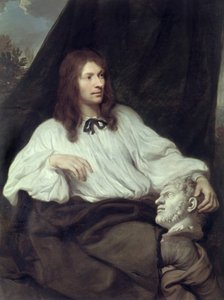
Sébastien Bourdon
1616 - 1671 , Frankreich
Kurzinfos
- Artistic Movement Or Style: Barock
- Artists Or Movements Influenced By This Artist: ['Französische Barockkunst']
- Artists Who Influenced This Artist:
- Nicolas Poussin
- Claude Lorrain
- Caravaggio
- Date Of Birth: 2 Februar 1616
- Date Of Death: 8 Mai 1671
- Full Name: Sébastien Bourdon
- Nationality: Französisch
- Notable Artworks: ['Die Kreuzigung des Petrus']
- Place Of Birth: Montpellier, Frankreich
Ähnliche Artikel
Decoding Baroque Grandeur: A Guide to the Drama and Emotion of 17th-Century Art
Explore the breathtaking drama of 17th-century Baroque art. Our expert guide decodes the use of chiaroscuro, emotional intensity, and historical grandeur to help you appreciate and curate timeless masterpieces for your collection.

The Visceral Stage: Exploring Dramatic Narratives & Emotional Intensity in Baroque Art
Explore the dramatic world of Baroque art! Discover iconic masters like Caravaggio & Rembrandt, their techniques, and the movement's lasting impact. Expert insights for collectors & enthusiasts at ArtsDot.

Barock Meisterwerke: Die 10 prägendsten Kunstwerke für Ihr Zuhause |
Entdecken Sie die 10 prägendsten Meisterwerke des Barock! Caravaggio, Rembrandt & Co. – Erfahren Sie die Geschichten hinter ikonischen Gemälde und finden Sie hochwertige Kunst Reproduktionen für Ihr Zuhause auf .

Giclée Prints: Archival Quality & Aesthetic Nuances for the Discerning Collector
Explore the world of giclée prints with ArtsDot. Learn about archival quality, aesthetic nuances & investment potential. Expert guidance for discerning art collectors seeking museum-quality reproductions and lasting value.

The Dramatic Flourish: Exploring the Baroque Movement's Enduring Legacy in Art History
Explore the dramatic world of Baroque art! Discover iconic artists like Caravaggio & Rubens, defining techniques, and its lasting impact on art history. Expert insights for collectors & enthusiasts at ArtsDot.