

 Vorschau anzeigen
 Versenden
 Teilen
 Details anzeigen

 Herunterladen
 Ähnliche Objekte
 Röntgenaufnahme
 Diashow
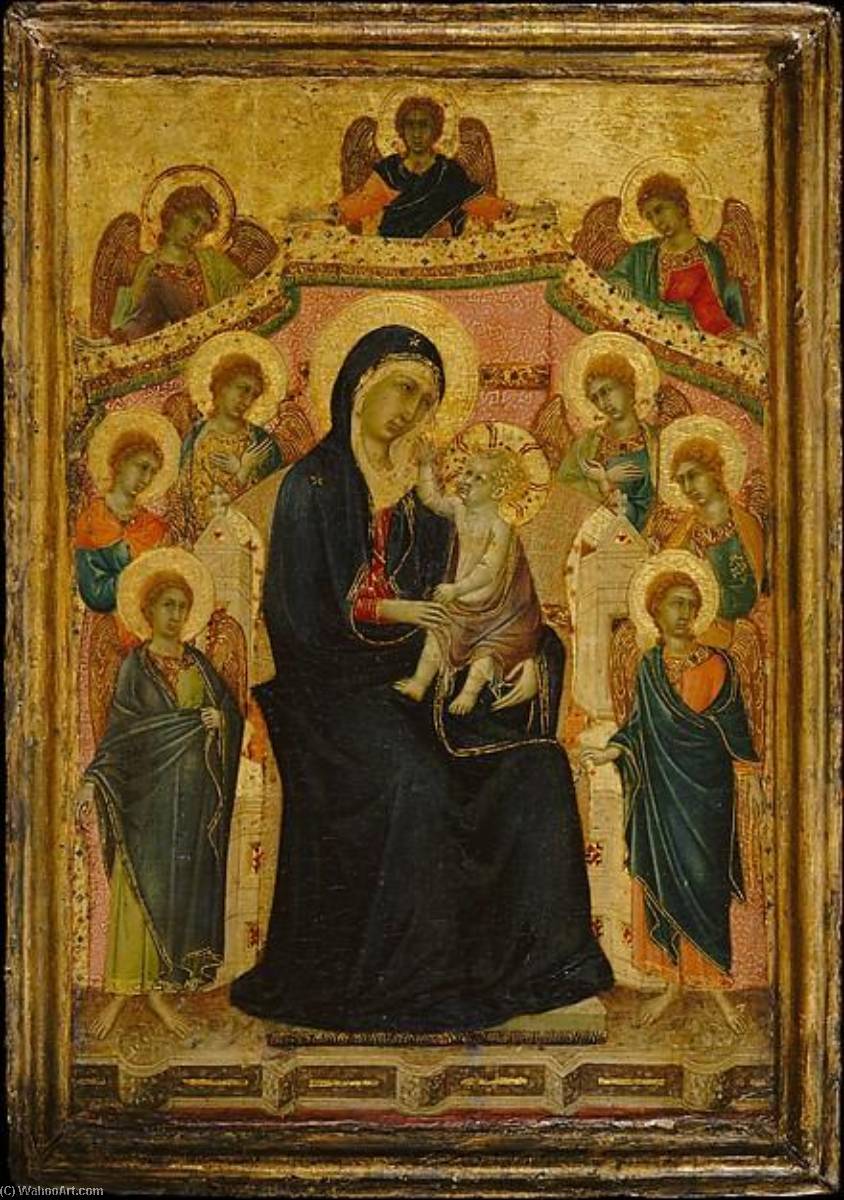
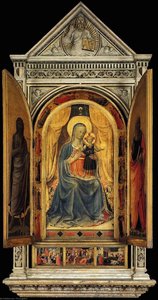
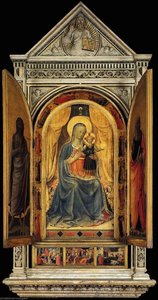
Madonna and Child with Nine Angels
 1315
1315 38.0 x 27.0 cm
 Weiterlesen
Erwerben Sie ein hochauflösendes, optimiertes digitales Bild, das der Online-Vorschau weit überlegen ist.
Jede Datei wird von unseren hauseigenen Spezialisten mit modernsten Werkzeugen und fachmännischer manueller Retusche sorgfältig vorbereitet. Wir stellen sicher, dass jedes Bild eine außergewöhnliche Klarheit, präzise Farbgenauigkeit und feinste Details aufweist.
Die endgültige Datei wird innerhalb von 72 Stunden per E-Mail zugestellt und ist für den sofortigen Einsatz in professionellen, redaktionellen und Druckumgebungen optimiert. Es handelt sich um dieselbe Qualität, der führende Designstudios, Verlage und Galerien vertrauen.
Digitales Bild
Laden Sie eine hochauflösende Datei für die persönliche Präsentation, den Druck und kreative Projekte herunter. ( Druck bestellen Handgemalte Reproduktion bestellen)
In jeder Bestellung digitaler Bilder enthalten
Professionelle digitale Bereitstellung, garantiert
Wenn Sie sich für ArtsDot.com entscheiden, erhalten Sie nicht nur ein Bild – Sie erhalten ein professionell aufbereitetes digitales Kunstwerk, das mit höchster Präzision erstellt und durch eine Zufriedenheitsgarantie abgesichert wird. Hier ist alles, was automatisch mit Ihrer Bestellung geliefert wird:

Schnelle E-Mail-Zustellung
Ihre hochauflösende digitale Bilddatei wird Ihnen innerhalb von 72 Stunden nach der Bestellung per E-Mail zugestellt – bereit zur sofortigen Verwendung.

KI-optimierte digitale Datei
Ihre Kunstwerke werden professionell mithilfe fortschrittlicher KI-Tools und manueller Bearbeitung optimiert, um maximale Detailtreue, Klarheit und Farbgenauigkeit zu gewährleisten.

Lebenslanger kostenloser Neudruckservice
Datei versehentlich gelöscht oder verloren? Keine Sorge – wir senden sie Ihnen jederzeit kostenlos erneut zu.

Keine Einfuhrgebühren – jemals
Genießen Sie Ihr Kunstwerk sofort ohne Zollgebühren, Einfuhrabgaben oder Versandkosten – digitale Downloads sind immer steuerfrei.

Garantierte Farbtreue
Wir garantieren, dass Ihr digitales Bild mithilfe professioneller Werkzeuge und Farbmanagement die Originalfarben so präzise wie möglich wiedergibt.

60-Tage-Zufriedenheitsgarantie
Sollten Sie mit Ihrem digitalen Bild nicht zufrieden sein, werden wir es überarbeiten oder Ihnen innerhalb von 60 Tagen 100% erstatten – ohne Wenn und Aber.

100% Geld-zurück-Garantie
Nicht zufrieden? Erhalten Sie innerhalb von 60 Tagen nach Erhalt Ihrer digitalen Datei eine vollständige Rückerstattung – ohne Angabe von Gründen.

Rabatte bei Großbestellungen
3 Bilder kaufen, 10% sparen – 5 Bilder kaufen, 15% sparen – Ab 10 Bildern 20% sparen. Ideal für kreative Projekte, Galerien und Agenturen.
Ähnliche Kunstwerke
Biografie des Künstlers
Segna di Buonaventure: A Shadow of Siena’s Brilliance
Segna di Buonaventure, a name that echoes through the annals of early Trecento painting, remains an intriguing figure shrouded in a degree of mystery. Born around 1298 in Siena, Italy, and tragically dying sometime before 1331, his life spanned a period of immense artistic ferment – the very dawn of the Renaissance – and he left behind a remarkably small but intensely significant body of work. While much about his early training and precise biographical details remains elusive, we can piece together a compelling portrait of an artist deeply rooted in the Sienese school yet possessing a unique, almost austere sensibility that distinguished him from his more celebrated contemporaries like Duccio di Buoninsegna, his uncle. His existence is documented through relatively sparse archival evidence, primarily relying on mentions within guild records and convent notices, lending a certain air of scholarly intrigue to his artistic legacy. Despite the limited information, Segna’s paintings offer a valuable glimpse into the evolving visual language of the period, showcasing both the influence of Byzantine traditions and the nascent experimentation with naturalism that would define the Renaissance.Early Influences and Artistic Development
Segna's artistic journey is believed to have begun under the tutelage of his uncle, Duccio di Buoninsegna, a towering figure in Sienese painting. Duccio’s workshop at Siena was a crucible of innovation, where artists honed their skills in tempera on gesso panels – a technique favored for its luminosity and durability. Segna's early works demonstrate a clear debt to Duccio’s style, particularly in the use of gold leaf to create shimmering halos around figures and the meticulous rendering of drapery with intricate web-like patterns. However, unlike Duccio’s often exuberant and emotionally charged compositions, Segna’s paintings possess a more restrained elegance, characterized by a sense of solemnity and a focus on formal clarity. The influence of Byzantine iconography is also readily apparent in his work – the stylized poses, the hierarchical arrangement of figures, and the use of flattened perspective all point to a deep engagement with the artistic traditions of Constantinople. It’s believed that Segna spent time in Florence during this period, absorbing influences from the burgeoning Florentine school, which was beginning to experiment with linear perspective and naturalistic representation.Key Works and Distinctive Style
Despite his relatively small output – only four paintings definitively attributed to him have survived – Segna’s works are remarkably distinctive. His most celebrated pieces include “St. Magdalen” (circa 1315-1320) and “Mary Magdalen” (circa 1320), both housed in the collection of ArtsDot, which showcase his mastery of tempera on wood. "St. Magdalen" is particularly striking for its dramatic lighting and the artist’s ability to convey a sense of profound sorrow through the figure's posture and expression. The painting’s composition is carefully balanced, with the saint presented in a three-quarter view that emphasizes her vulnerability and spiritual intensity. “Mary Magdalen” similarly demonstrates Segna’s skill in rendering human form and emotion, capturing the saint’s penitent gaze and humble demeanor. Beyond these iconic portraits, he created a "Crucifix" (circa 1320), a powerfully emotive depiction of Christ on the cross, characterized by its stark simplicity and emotional directness. His work is notable for its use of muted colors and a preference for clear, precise lines, creating an atmosphere of quiet contemplation.Symbolism and Historical Context
Segna’s paintings are not merely aesthetically pleasing; they are rich in symbolic meaning. The halos surrounding the figures, for example, represent their sanctity and divine grace. The use of gold leaf symbolizes spiritual illumination and transcendence. Furthermore, his works reflect the prevailing religious climate of 14th-century Italy, a period marked by both fervent piety and growing intellectual curiosity. The Church was undergoing significant reforms, and artists were increasingly called upon to create images that would inspire devotion and reinforce orthodox doctrine. Segna’s paintings can be seen as part of this broader cultural dialogue, offering a visual representation of faith and spirituality within the context of his time. His work also provides insight into the economic and social dynamics of Siena during the early 14th century, reflecting the city's status as a major center of trade and craftsmanship.Legacy and Historical Significance
Segna di Buonaventure’s legacy is one of quiet significance. He wasn’t a flamboyant innovator like his uncle Duccio, but rather a steady, reliable artist who contributed significantly to the development of Sienese painting. His work represents a crucial link between the Byzantine traditions that had shaped Italian art for centuries and the emerging naturalism of the Renaissance. His restrained style, characterized by clarity, solemnity, and a profound sense of spirituality, offers a valuable counterpoint to the more exuberant expressions of his contemporaries. While he may not be as widely celebrated as some of his peers, Segna’s paintings continue to fascinate art historians and viewers alike, offering a poignant glimpse into the artistic world of early 14th-century Siena – a world where shadow and light, faith and doubt, intertwined to create works of enduring beauty.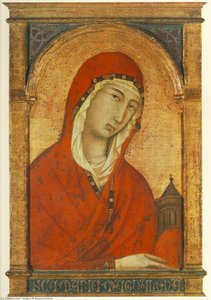
segna di buonaventure
1298 - 1326
Kurzinfos
- Artistic Movement Or Style: Trecento
- Artists Or Movements Influenced By This Artist: ['Sienese School']
- Artists Who Influenced This Artist: ['Duccio di Buoninsegna']
- Date Of Birth: c.1298
- Date Of Death: 1326/31
- Full Name: Segna di Buonaventure
- Nationality: Italian
- Notable Artworks:
- St Magdalen
- Mary Magdalen
- Crucifix
- Place Of Birth: Siena, Italy

