

 Vorschau anzeigen
 Versenden
 Teilen
 Details anzeigen

 Herunterladen
 Ähnliche Objekte
 Röntgenaufnahme
 Diashow
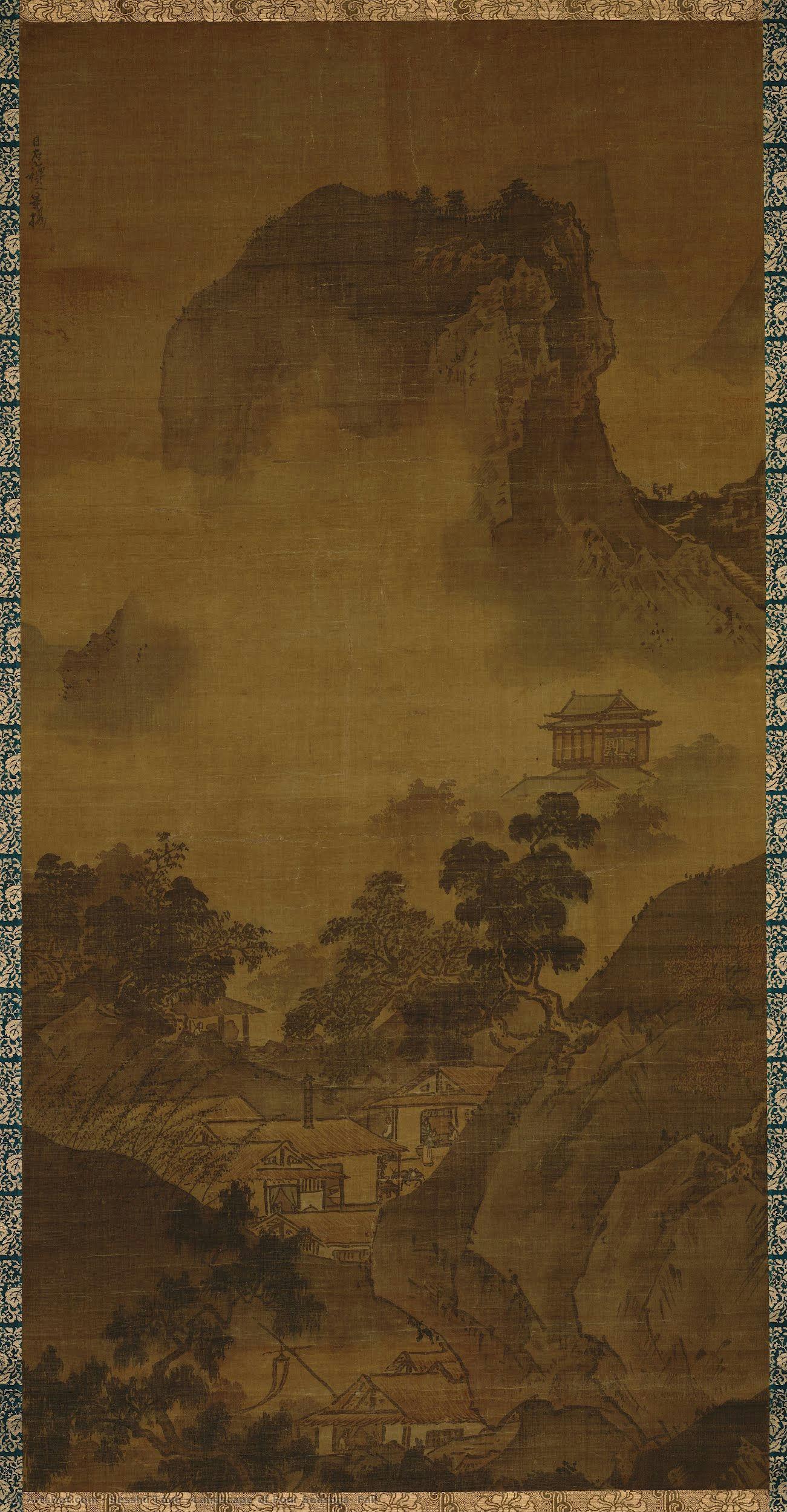
Landscape of Four Seasons: Fall
 1400
1400 75.0 x 149.0 cm
 Weiterlesen
Erwerben Sie ein hochauflösendes, optimiertes digitales Bild, das der Online-Vorschau weit überlegen ist.
Jede Datei wird von unseren hauseigenen Spezialisten mit modernsten Werkzeugen und fachmännischer manueller Retusche sorgfältig vorbereitet. Wir stellen sicher, dass jedes Bild eine außergewöhnliche Klarheit, präzise Farbgenauigkeit und feinste Details aufweist.
Die endgültige Datei wird innerhalb von 72 Stunden per E-Mail zugestellt und ist für den sofortigen Einsatz in professionellen, redaktionellen und Druckumgebungen optimiert. Es handelt sich um dieselbe Qualität, der führende Designstudios, Verlage und Galerien vertrauen.
Digitales Bild
Laden Sie eine hochauflösende Datei für die persönliche Präsentation, den Druck und kreative Projekte herunter. ( Druck bestellen Handgemalte Reproduktion bestellen)
In jeder Bestellung digitaler Bilder enthalten
Professionelle digitale Bereitstellung, garantiert
Wenn Sie sich für ArtsDot.com entscheiden, erhalten Sie nicht nur ein Bild – Sie erhalten ein professionell aufbereitetes digitales Kunstwerk, das mit höchster Präzision erstellt und durch eine Zufriedenheitsgarantie abgesichert wird. Hier ist alles, was automatisch mit Ihrer Bestellung geliefert wird:

Schnelle E-Mail-Zustellung
Ihre hochauflösende digitale Bilddatei wird Ihnen innerhalb von 72 Stunden nach der Bestellung per E-Mail zugestellt – bereit zur sofortigen Verwendung.

KI-optimierte digitale Datei
Ihre Kunstwerke werden professionell mithilfe fortschrittlicher KI-Tools und manueller Bearbeitung optimiert, um maximale Detailtreue, Klarheit und Farbgenauigkeit zu gewährleisten.

Lebenslanger kostenloser Neudruckservice
Datei versehentlich gelöscht oder verloren? Keine Sorge – wir senden sie Ihnen jederzeit kostenlos erneut zu.

Keine Einfuhrgebühren – jemals
Genießen Sie Ihr Kunstwerk sofort ohne Zollgebühren, Einfuhrabgaben oder Versandkosten – digitale Downloads sind immer steuerfrei.

Garantierte Farbtreue
Wir garantieren, dass Ihr digitales Bild mithilfe professioneller Werkzeuge und Farbmanagement die Originalfarben so präzise wie möglich wiedergibt.

60-Tage-Zufriedenheitsgarantie
Sollten Sie mit Ihrem digitalen Bild nicht zufrieden sein, werden wir es überarbeiten oder Ihnen innerhalb von 60 Tagen 100% erstatten – ohne Wenn und Aber.

100% Geld-zurück-Garantie
Nicht zufrieden? Erhalten Sie innerhalb von 60 Tagen nach Erhalt Ihrer digitalen Datei eine vollständige Rückerstattung – ohne Angabe von Gründen.

Rabatte bei Großbestellungen
3 Bilder kaufen, 10% sparen – 5 Bilder kaufen, 15% sparen – Ab 10 Bildern 20% sparen. Ideal für kreative Projekte, Galerien und Agenturen.
Ähnliche Kunstwerke










Biografie des Künstlers
Sesshū Tōyō: The Soul of Landscape
Sesshū Tōyō (雪舟等楊), born around 1420 in Kyoto, Japan, stands as one of the most revered figures in Japanese ink painting—sumi-e—and arguably the pinnacle of Muromachi period artistic achievement. His legacy transcends mere technique; it embodies a profound philosophical connection to Zen Buddhism, shaping his vision and imbuing his canvases with an unparalleled serenity that continues to captivate audiences centuries later.Early Life and Training: A Samurai’s Path to Enlightenment
Despite originating from the Oda samurai clan—a lineage known for its military prowess—Sesshū's formative years were dedicated to monastic pursuits at Shōkoku-ji temple in Kyoto. This decision wasn’t simply a matter of religious observance; it represented an intentional embrace of Zen principles, prioritizing contemplation and intuitive understanding over worldly ambition. From his youth, Sesshū demonstrated exceptional artistic talent, quickly gaining recognition as a gifted painter under the tutelage of Tenshō Shūbun (c. 1418–1463), a prominent Zen scholar who instilled in him a deep appreciation for minimalist aesthetics and the transformative power of nature. Shūbun’s teachings profoundly impacted Sesshū's artistic sensibilities, emphasizing the importance of capturing essence rather than mere representation—a cornerstone of Zen philosophy.The Influence of Chinese Landscape Painting
Sesshū’s artistic journey began with an immersion in Chinese landscape painting—a tradition that had profoundly impacted Japanese art since Nara Period. Artists like Xing Beng (景風) and Zhu Da (朱達) served as formative inspirations, demonstrating the masterful use of bold brushstrokes to convey atmospheric depth and capturing fleeting moments of beauty. However, Sesshū didn’t merely replicate Chinese styles; he skillfully adapted them to express his own Zen worldview. He recognized that landscape wasn't just a visual spectacle but a conduit for spiritual insight—a space where one could confront emptiness and glimpse the underlying unity of existence. The monumental landscapes of Ma Yüan and Hsia Kuei, masters of the Southern Sung dynasty, particularly resonated with Sesshū’s artistic sensibilities, prompting him to explore innovative techniques that would elevate sumi-e beyond mere imitation.A Distinctive Japanese Style: Minimalism and Tranquility
What distinguishes Sesshū’s work from its contemporaries is an unwavering commitment to simplicity and tranquility—characteristics that define Zen aesthetics. He eschewed elaborate ornamentation, favoring instead carefully considered compositions featuring sparse elements arranged with meticulous precision. This minimalist approach wasn't born of mere stylistic preference; it reflected a core belief in the importance of stripping away distractions to perceive the essence of reality. Sesshū’s landscapes are characterized by subtle gradations of tone—often achieved through masterful layering of ink washes—creating an illusion of depth and conveying a palpable sense of stillness. The deliberate use of negative space—empty areas within the painting—further emphasized this contemplative quality, mirroring the Zen ideal of recognizing emptiness as the foundation of all things.Iconic Works: Reflections of Zen Philosophy
Sesshū's artistic output yielded several masterpieces that exemplify his distinctive style and philosophical convictions. “Winter Landscape” (c. 1470s), "Birds and Flowers" (1420–1506), and the “Four Landscape Scrolls of the Seasons” (1420–1506) stand as testaments to his unparalleled skill in capturing the sublime beauty of nature while simultaneously conveying Zen Buddhist concepts. These paintings aren’t merely depictions of scenery; they are invitations to meditative contemplation—encouraging viewers to appreciate the impermanence of existence and find solace in the present moment. The careful placement of rocks, trees, and distant mountains symbolizes stability amidst change, mirroring the Zen ideal of achieving enlightenment through acceptance and non-attachment. These works continue to inspire artists today, demonstrating Sesshū’s enduring contribution to Japanese art history. ### Legacy and Enduring Influence Sesshū Tōyō's influence on subsequent generations of Japanese artists is undeniable. He established several schools of art that continue to honor his teachings and stylistic innovations. His work remains revered by scholars and collectors alike, serving as a timeless exemplar of Zen aesthetic principles and demonstrating the enduring power of art to inspire spiritual contemplation. Sesshū’s legacy continues to resonate today, reminding us that true beauty lies not in grandeur or complexity but in profound simplicity—a lesson captured indelibly within the serene landscapes of his unforgettable paintings.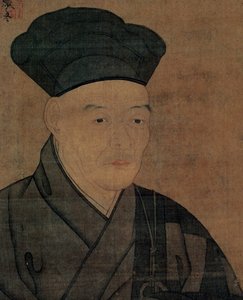
Sesshū Tōyō
1506 , Japan
Kurzinfos
- Artistic Movement Or Style: Sumi-e (Schwarzweißdruckkunst)
- Artists Or Movements Influenced By This Artist: ['Chinesische Kunst']
- Artists Who Influenced This Artist: ['Tenshō Shubun']
- Date Of Birth: Um 1420
- Date Of Death: 1506 (Masuda)
- Full Name: Sesshū Tōyō
- Nationality: Japanisch
- Notable Artworks:
- Winter Landschaft
- Vögel und Blumen
- Place Of Birth: Kyoto, Japan

