

 Versenden
 Teilen
 Details anzeigen

 Herunterladen
 Ähnliche Objekte
 Diashow
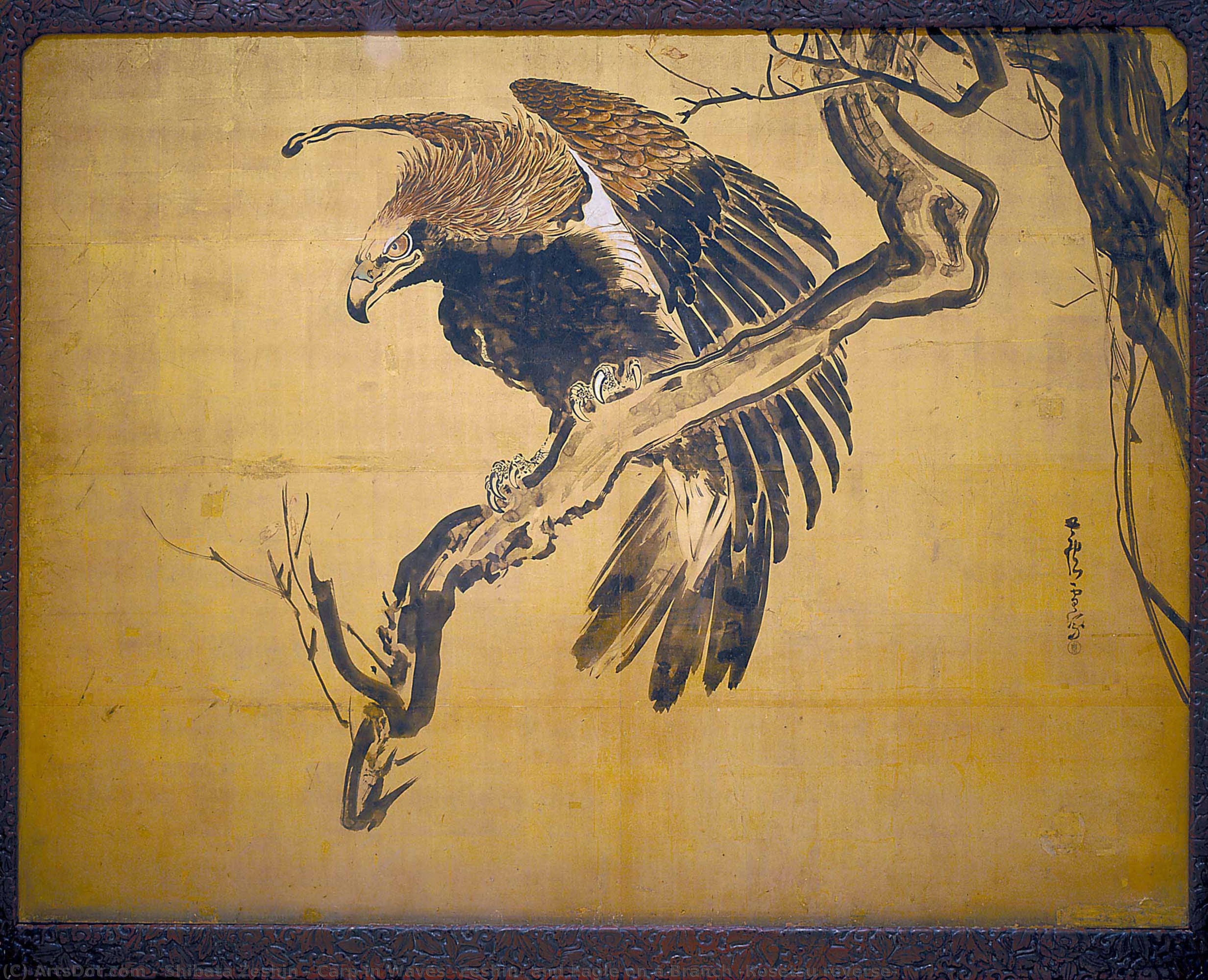
Carp in Waves (Zeshin) and Eagle on a Branch (Rosetsu reverse)


 Weiterlesen
Handgefertigte Ölreproduktion
Handgemaltes Ölgemälde auf Leinwand in Ihrer Wunschgröße und mit Rahmen, auf Bestellung von unseren Künstlern angefertigt. ( Druck bestellen Bild kaufen)




































Wählen Sie aus unseren vordefinierten Formaten, die den ursprünglichen Proportionen des Kunstwerks entsprechen.

Sie können Ihre eigenen Maße eingeben, um einen bestimmten Rahmen oder Platz auszufüllen. Wenn die gewählte Größe nicht den Proportionen des Originalbildes entspricht, werden wir das Kunstwerk entweder beschneiden oder das Gemälde durch zusätzliche, handgemalte Elemente erweitern. Ein digitales Mockup wird Ihnen zur Genehmigung zugesandt, bevor die Produktion beginnt.
Bitte beachten Sie, dass die Bildschirmvorschau nicht die tatsächliche Beschneidung oder Erweiterung widerspiegelt. Nur das Mockup zeigt die endgültige Komposition exakt an.
Obwohl Sondermaße verfügbar sind, empfehlen wir, eine Größe aus der vordefinierten Liste zu wählen, um die ursprünglichen Proportionen beizubehalten.
Nach der Bestellung wird das ArtsDot.com-Team dem Kunden Anweisungen per E-Mail zusenden und eine Mockup-Vorschau bereitstellen.
Weltweiter Versand () in nur 3 bis 4 Wochen statt der üblichen 5 Wochen. (28 August). Keine Kompromisse bei der Qualität.

Kostenloser weltweiter Expressversand

Hochwertige Leinenleinwand

Umfassender Versicherungsschutz beim Versand

Zollgebühren-Rückerstattungsgarantie

Garantie für exakte Farbtreue

60 Tage Rückgaberecht (nur bei Mängeln)

100% Geld-zurück-Garantie

Mengenrabatt verfügbar
 Die Glasoption ist nur für Größen unter 110 cm verfügbar.

Carp in Waves (Zeshin) and Eagle on a Branch (Rosetsu reverse)
Art der Reproduktion
Format der Reproduktion
-


Gesamtpreis
$ 263
A Symphony of Nature and Craftsmanship
In the delicate dance between movement and stillness, Carp in Waves (Zeshin) and Eagle on a Branch (Rosetsu reverse) emerges as a breathtaking testament to the heights of Japanese artistry. This exquisite composition invites the viewer into a world where the raw power of nature is captured with unparalleled grace. At first glance, one is struck by the dramatic presence of an eagle, its wings unfurled in a moment of sudden, majestic motion. The bird’s sharp talons and formidable silhouette suggest a predator poised for flight, yet it remains anchored to a weathered branch, creating a tension that is both thrilling and serene. This duality—the explosive energy of life paired with the quietude of the natural landscape—is what makes this piece an enduring masterpiece for any discerning collector.
The visual splendor of the work is elevated by its masterful use of maki-e and gold leaf, techniques that lend a luminous, ethereal quality to the scene. The background, shimmering with gilded light, does more than merely provide a setting; it creates an atmosphere of divine radiance, as if the trees and sky are bathed in the eternal glow of a celestial dawn. This rich, vibrant application of gold allows the painting to transform any interior space, acting as a focal point that captures and reflects ambient light, bringing a sense of luxury and warmth to a room. For the interior designer, such a piece offers a profound opportunity to introduce texture and depth, bridging the gap between traditional heritage and contemporary elegance.
The Legacy of Shibata Zeshin
To understand the soul of this artwork, one must look to the hands that shaped it. The inclusion of Shibata Zeshin’s signature marks a connection to one of the most innovative figures of the Edo and Meiji eras. Zeshin was not merely a painter but a master lacquerer, a distinction that allowed him to manipulate materials with a precision rarely seen in his contemporaries. His ability to blend the meticulous discipline of woodworking and lacquerwork with the fluid, expressive strokes of ukiyo-e painting results in a texture that feels almost tactile. When viewing a reproduction of this work, one can sense the weight of history and the deliberate, rhythmic application of pigment that defines Zeshin’s singular vision.
The symbolism embedded within the imagery offers layers of meaning for those who look closer. The carp, navigating through turbulent waves, has long been a symbol of perseverance, strength, and the ability to overcome great obstacles. When paired with the eagle, a creature representing courage and far-reaching vision, the artwork becomes a meditation on resilience and the soaring spirit of the human experience. It is this profound emotional resonance—the ability to evoke feelings of triumph and tranquility simultaneously—that makes this piece an incomparable choice for those seeking art that inspires contemplation and provides a sense of enduring strength within the home.
Ähnliche Kunstwerke




Über den Künstler
A Singular Vision: Shibata Zeshin (1807-1891)
Shibata Zeshin stands apart in the annals of Japanese art history—a figure simultaneously lauded as a revolutionary innovator and dismissed as stubbornly traditional. Born in Edo (modern Tokyo) in 1807, he descended from a lineage steeped in craftsmanship; his grandfather was a shrine carpenter, and his father, Ichigoro Shibata, possessed considerable skill as an ukiyo-e painter, having studied under Katsukawa Shunshō—a formative influence that instilled within him the values of meticulous observation and artistic discipline. This early exposure to both woodworking and painting would prove instrumental in shaping Zeshin’s distinctive oeuvre.Early Apprenticeship & Suzuki Nanrei: The Pursuit of Mastery
Shibata Zeshin's artistic journey began at a young age, commencing with an apprenticeship under Komā Kansai II, a respected lacquerer who recognized the importance of foundational skills. Kansai insisted that Zeshin cultivate sketching abilities and experiment with painting techniques—a decision that propelled him toward a path of artistic exploration. This dedication led him to Suzuki Nanrei, a celebrated Shijō school painter who further honed Zeshin’s observational prowess and instilled in him the principles of capturing fleeting moments of beauty. It was during this period that he adopted the name “Reisai,” combining Nanrei's influence with Kansai’s guidance—a symbolic gesture reflecting his commitment to artistic excellence. This formative mentorship profoundly shaped Zeshin’s aesthetic sensibilities, grounding him in the traditions of Japanese painting while simultaneously encouraging him to push boundaries and explore new creative horizons.Zeshin's Artistic Persona: “This Is True” – The Significance of His Name
The moniker "Reisai," meaning "This Is True," encapsulates Zeshin’s artistic philosophy—a steadfast belief in the integrity of observation and the pursuit of authentic representation. He approached his craft with unwavering seriousness, prioritizing meticulous detail and striving to capture the essence of nature's beauty with uncompromising honesty. This dedication permeated every aspect of his work, from the careful selection of pigments to the painstaking execution of brushstrokes—resulting in paintings that resonated with profound spiritual depth and conveying a timeless sense of serenity.Innovation Amidst Tradition: Zeshin’s Distinctive Style
Zeshin's artistic style is characterized by a remarkable blend of meticulous realism and subtle expressive nuance. While adhering to established conventions of Sumi-e painting—particularly the depiction of landscapes and animals—he pushed boundaries through his masterful use of *maki-e*, a technique involving applying metallic pigments onto lacquer surfaces. This innovative approach allowed him to imbue his works with shimmering luminescence and textural depth, elevating them beyond mere representation into embodiments of spiritual contemplation. His paintings frequently explored themes of Buddhist serenity and harmony, reflecting the prevailing intellectual currents of the Meiji era. He skillfully blended traditional techniques with experimental innovations—demonstrating a profound understanding of both artistic heritage and contemporary aesthetic sensibilities.- Landscapes & Tigers: Capturing Nature’s Essence
- Maki-e Technique: Light & Texture in Japanese Lacquer Art
Legacy & Recognition: Zeshin’s Enduring Influence
Despite criticisms leveled against his perceived conservatism within Japan, Shibata Zeshin achieved considerable acclaim in the West, particularly in England and the United States. His works were exhibited internationally, garnering admiration for their aesthetic beauty and technical virtuosity—a testament to his artistic genius and a reflection of the burgeoning interest in Japanese art during the late nineteenth century. Today, Zeshin’s paintings continue to captivate audiences worldwide, serving as enduring symbols of Japan's artistic tradition and demonstrating the transformative power of blending meticulous observation with innovative technique. His legacy persists as an exemplar of artistic integrity and unwavering devotion to craft—a singular vision that resonates across time and culture.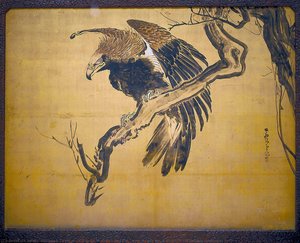
柴田 是真
1807 - 1891 , Japan
Kurzinfos
- Artistic Movement Or Style: Sumi-e; Maki-e
- Artists Or Movements Influenced By This Artist: ['Japanisch Lackkunst']
- Artists Who Influenced This Artist:
- Suzuki Nanrei
- Katsukawa Shunshō
- Date Of Birth: 15 März 1807
- Date Of Death: 13 Juli 1891
- Full Name: Shibata Zeshin
- Nationality: Japanisch
- Notable Artworks:
- Cascada und Affen
- Wasserfälle und Affen
- Place Of Birth: Tokyo, Japan
Ähnliche Artikel

Goldene Meisterwerke: Die Top 10 berühmtesten Gemälde mit Blattgold – ArtsDot
Entdecken Sie die Top 10 Gemälde, die von Blattgold verzaubern! Von Klimt bis zur Renaissance – erfahren Sie die Geschichten hinter ikonischen Kunstwerke & lassen Sie sich für Ihre Wohnraumgestaltung inspirieren. Hochwertige Reproduktionen auf ArtsDot.com.
The Allure of Gold in Art History: Symbolism, Technique & Cultural Significance
Explore the rich history of gold in art! Discover symbolism, techniques & cultural significance from ancient civilizations to Klimt's masterpieces. Expert insights for collectors at ArtsDot.
Golden Glow: How to Use Metallic Gold Artworks to Elevate Your Home Decor with Timeless Luxury
Discover how to elevate your home with the timeless elegance of metallic gold artworks. From sculptural metal pieces to gilded oil paintings, learn expert interior design tips for integrating luxurious gold accents into your space with sophistication and grace.

Katsushika Hokusai: Die 25 Meisterwerke des Ukiyo-e – Kunst für Ihr Zuhause | ArtsDot
Entdecken Sie die 25 Meisterwerke von Katsushika Hokusai! Tauchen Sie ein in die Welt des Ukiyo-e, berühmte Holzschnitte wie 'Die große Welle' & Fuji-Ansichten. Hochwertige Kunstdrucke für Ihr Zuhause – jetzt auf ArtsDot.com!

Gustav Klimt: Die 25 Meisterwerke des Wiener Jugendstils | ArtsDot
Entdecken Sie die 25 ikonischsten Gemälde von Gustav Klimt! Tauchen Sie ein in die Welt der Wiener Secession, des Jugendstils und der goldenen Phase. Hochwertige Reproduktionen & Inspiration für Ihr Zuhause auf ArtsDot.com.

