Menü
Kostenlose Kunstberatung
Vorschau anzeigenVorschau anzeigen In AR erlebenIn AR erleben Druck bestellen Druck bestellenHandgemalte Reproduktion bestellen Handgemalte Reproduktion bestellen VersendenVersenden
Details anzeigenDetails anzeigen Zu Favoriten hinzufügen Zu Favoriten hinzufügen HerunterladenHerunterladen Ähnliche ObjekteÄhnliche Objekte RöntgenaufnahmeRöntgenaufnahme DiashowDiashow

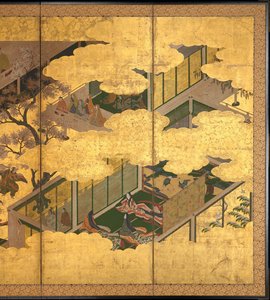
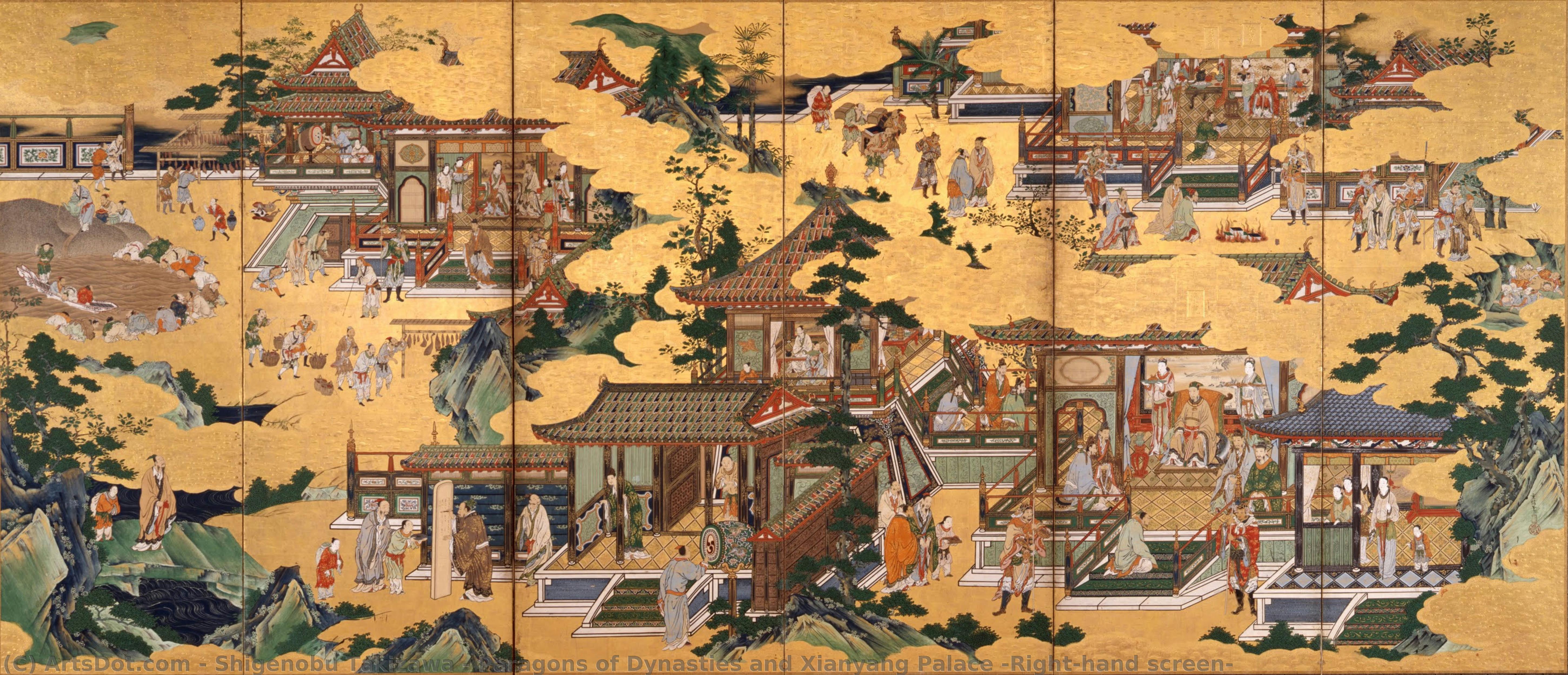
Paragons of Dynasties and Xianyang Palace (Right-hand screen)

Discover shigenobu takizawa, a renowned Edo period Japanese painter and print artist known for vibrant bijin prints, surimono, and illustrated books. Explore his distinctive style and artistic legacy.

Erwerben Sie ein hochauflösendes, optimiertes digitales Bild, das der Online-Vorschau weit überlegen ist.

Jede Datei wird von unseren hauseigenen Spezialisten mit modernsten Werkzeugen und fachmännischer manueller Retusche sorgfältig vorbereitet. Wir stellen sicher, dass jedes Bild eine außergewöhnliche Klarheit, präzise Farbgenauigkeit und feinste Details aufweist.

Die endgültige Datei wird innerhalb von 72 Stunden per E-Mail zugestellt und ist für den sofortigen Einsatz in professionellen, redaktionellen und Druckumgebungen optimiert. Es handelt sich um dieselbe Qualität, der führende Designstudios, Verlage und Galerien vertrauen.

Digitales Bild

Laden Sie eine hochauflösende Datei für die persönliche Präsentation, den Druck und kreative Projekte herunter. (Druck bestellen Druck bestellenHandgemalte Reproduktion bestellen Handgemalte Reproduktion bestellen)

Endpreis

$ 24,00

In jeder Bestellung digitaler Bilder enthalten

Professionelle digitale Bereitstellung, garantiert

Wenn Sie sich für ArtsDot.com entscheiden, erhalten Sie nicht nur ein Bild – Sie erhalten ein professionell aufbereitetes digitales Kunstwerk, das mit höchster Präzision erstellt und durch eine Zufriedenheitsgarantie abgesichert wird. Hier ist alles, was automatisch mit Ihrer Bestellung geliefert wird:

shipping_icon
Schnelle E-Mail-Zustellung

Ihre hochauflösende digitale Bilddatei wird Ihnen innerhalb von 72 Stunden nach der Bestellung per E-Mail zugestellt – bereit zur sofortigen Verwendung.

canvas_icon
KI-optimierte digitale Datei

Ihre Kunstwerke werden professionell mithilfe fortschrittlicher KI-Tools und manueller Bearbeitung optimiert, um maximale Detailtreue, Klarheit und Farbgenauigkeit zu gewährleisten.

insurance_icon
Lebenslanger kostenloser Neudruckservice

Datei versehentlich gelöscht oder verloren? Keine Sorge – wir senden sie Ihnen jederzeit kostenlos erneut zu.

tax_icon
Keine Einfuhrgebühren – jemals

Genießen Sie Ihr Kunstwerk sofort ohne Zollgebühren, Einfuhrabgaben oder Versandkosten – digitale Downloads sind immer steuerfrei.

color_icon
Garantierte Farbtreue

Wir garantieren, dass Ihr digitales Bild mithilfe professioneller Werkzeuge und Farbmanagement die Originalfarben so präzise wie möglich wiedergibt.

return_icon
60-Tage-Zufriedenheitsgarantie

Sollten Sie mit Ihrem digitalen Bild nicht zufrieden sein, werden wir es überarbeiten oder Ihnen innerhalb von 60 Tagen 100% erstatten – ohne Wenn und Aber.

guarantee_icon
100% Geld-zurück-Garantie

Nicht zufrieden? Erhalten Sie innerhalb von 60 Tagen nach Erhalt Ihrer digitalen Datei eine vollständige Rückerstattung – ohne Angabe von Gründen.

discount_icon
Rabatte bei Großbestellungen

3 Bilder kaufen, 10% sparen – 5 Bilder kaufen, 15% sparen – Ab 10 Bildern 20% sparen. Ideal für kreative Projekte, Galerien und Agenturen.

Biografie des Künstlers

A Brushstroke in the Edo: The Life and Art of Takizawa Shigenobu

Takizawa Shigenobu, a name perhaps less celebrated than his master Katsushika Hokusai, nevertheless occupies a vital space within the vibrant tapestry of Edo period Japanese art. Born in Tokyo during an era defined by flourishing woodblock printing and a burgeoning merchant class eager for visual delights, Takizawa’s life was deeply interwoven with the artistic currents that shaped Japan's aesthetic landscape. He wasn’t merely a follower in Hokusai’s considerable shadow; he carved his own niche as a prolific creator of *surimono*, exquisitely detailed illustrated books, and captivating depictions of *bijin* – beautiful women – becoming a significant figure in the world of ukiyo-e. His story is one of artistic lineage, dedicated practice, and a distinctive style that, while sometimes criticized for its formality, nonetheless resonated with the tastes of his time.

From Pupil to Prolific Artist: The Foundations of a Style

The foundational element of Takizawa’s artistic journey was undoubtedly his apprenticeship under Hokusai. This relationship wasn't simply one of technical instruction; it was an immersion into a revolutionary approach to art, characterized by bold compositions, dynamic lines, and a keen observation of everyday life. Further cementing his place within the Hokusai orbit was his marriage to Hokusai’s eldest daughter, a union that speaks volumes about the close-knit nature of artistic circles in Edo Japan. However, Takizawa didn't simply replicate his master’s style. While he absorbed Hokusai’s technical prowess, he developed a unique aesthetic sensibility. He became particularly renowned for his work as an artist of *surimono* – privately commissioned prints often given as New Year’s greetings or celebratory gifts. These weren’t mass-produced images; they were miniature works of art, showcasing intricate designs and luxurious materials, reflecting the refined tastes of a sophisticated clientele. His dedication to this format allowed him to hone his skills in detail and color, qualities that would become hallmarks of his *bijin* paintings.

The Allure of Bijin: Capturing Beauty with Bold Lines

Takizawa Shigenobu’s depictions of beautiful women – the *bijin-ga* genre – are arguably his most recognizable contribution to ukiyo-e. Unlike some artists who sought a more naturalistic portrayal, Takizawa's women often possess a striking formality. They are presented with thick, defined lines and vibrant, complex patterns adorning their kimonos. This approach, while sometimes described as “stereotyped,” wasn’t necessarily a lack of skill but rather a deliberate stylistic choice. His figures exude an elegance and poise that appealed to the sensibilities of his patrons. The elaborate kimono designs weren't merely decorative; they were statements of wealth, status, and cultural awareness. The sheer abundance of detail in these patterns – flowers, geometric shapes, auspicious symbols – speaks to Takizawa’s meticulous craftsmanship and his understanding of visual symbolism. His work often draws comparisons to the Torii school, famed for its theatrical signboards, a connection rooted in their shared emphasis on bold outlines and striking imagery. However, where the Torii school focused on capturing dramatic moments, Takizawa prioritized a more refined and idealized representation of beauty.

A Legacy Diminished: The Shadow of Banishment

Despite his prolific output and established reputation during his lifetime, Takizawa Shigenobu’s artistic legacy experienced a decline following his banishment to ōshima in 1714. The reasons for this exile remain somewhat obscure, but it undoubtedly disrupted the continuity of his artistic lineage. His direct disciples, lacking their master's guidance, saw their work fall into relative obscurity. This isn’t to say that Takizawa was forgotten entirely; his prints continued to circulate and influence subsequent generations of artists. However, he never regained the prominence he enjoyed before his banishment. Today, Takizawa Shigenobu is increasingly recognized as a significant figure in Edo period art, not simply as a student of Hokusai but as an artist who developed a distinctive style that reflects the aesthetic preferences of his time and contributed to the rich diversity of ukiyo-e. His *surimono* prints and *bijin-ga* paintings offer a fascinating glimpse into the world of Edo Japan, revealing a society captivated by beauty, elegance, and the power of visual representation.