

 Vorschau anzeigen
 Versenden
 Teilen
 Details anzeigen

 Herunterladen
 Ähnliche Objekte
 Röntgenaufnahme
 Diashow
 Statistiken
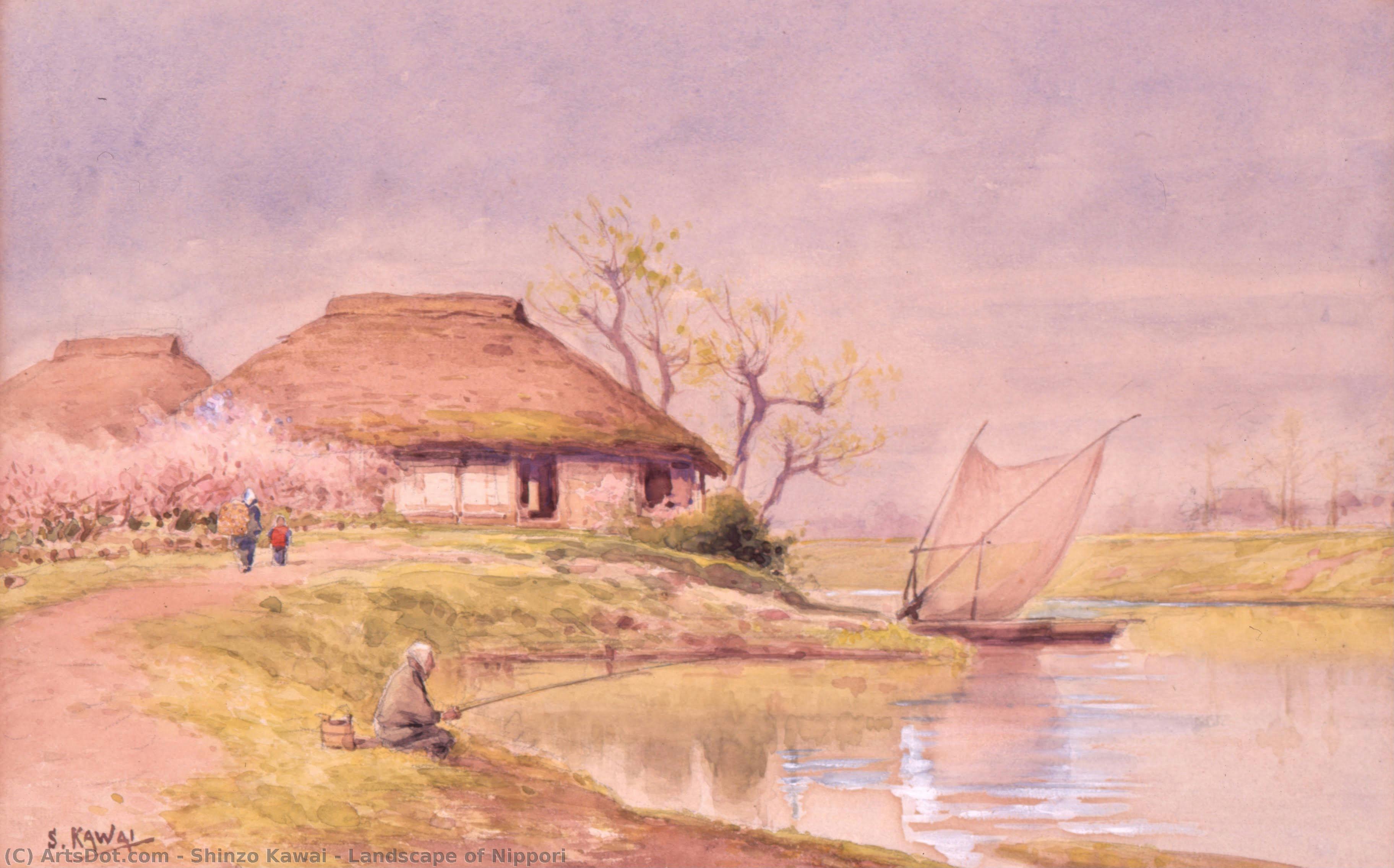
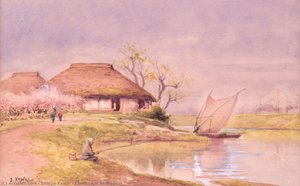
Landscape of Nippori
 35.0 x 49.0 cm
 Weiterlesen
Handgefertigte Ölreproduktion
Handgemaltes Ölgemälde auf Leinwand in Ihrer Wunschgröße und mit Rahmen, auf Bestellung von unseren Künstlern angefertigt. ( Zu Druck wechseln Zum digitalen Bild wechseln)




































Wählen Sie aus unseren vordefinierten Formaten, die den ursprünglichen Proportionen des Kunstwerks entsprechen.

Sie können Ihre eigenen Maße eingeben, um einen bestimmten Rahmen oder Platz auszufüllen. Wenn die gewählte Größe nicht den Proportionen des Originalbildes entspricht, werden wir das Kunstwerk entweder beschneiden oder das Gemälde durch zusätzliche, handgemalte Elemente erweitern. Ein digitales Mockup wird Ihnen zur Genehmigung zugesandt, bevor die Produktion beginnt.
Bitte beachten Sie, dass die Bildschirmvorschau nicht die tatsächliche Beschneidung oder Erweiterung widerspiegelt. Nur das Mockup zeigt die endgültige Komposition exakt an.
Obwohl Sondermaße verfügbar sind, empfehlen wir, eine Größe aus der vordefinierten Liste zu wählen, um die ursprünglichen Proportionen beizubehalten.
Nach der Bestellung wird das ArtsDot.com-Team dem Kunden Anweisungen per E-Mail zusenden und eine Mockup-Vorschau bereitstellen.
Weltweiter Versand () in nur 3 bis 4 Wochen statt der üblichen 5 Wochen. (8 September). Keine Kompromisse bei der Qualität.

Kostenloser weltweiter Expressversand

Hochwertige Leinenleinwand

Umfassender Versicherungsschutz beim Versand

Zollgebühren-Rückerstattungsgarantie

Garantie für exakte Farbtreue

100-Tage-Rückgaberecht (nur bei Mängeln)

100% Geld-zurück-Garantie

Mengenrabatt verfügbar
 Die Glasoption ist nur für Größen unter 110 cm verfügbar.

Landscape of Nippori
Art der Reproduktion
Format der Reproduktion
-


Gesamtpreis
$ 263
Ähnliche Kunstwerke






Über den Künstler
The Serene Synthesis of Shinzo Kawai
Born in 1867, a year that marked the dawn of the Meiji Restoration, Shinzo Kawai lived through one of the most profound eras of transformation in Japanese history. As Japan navigated the turbulent waters between ancient traditions and the rapid influx of Western modernity, Kawai emerged as a painter capable of harmonizing these two seemingly disparate worlds. His life and work serve as a beautiful testament to an era where the delicate aesthetics of Nihonga met the vibrant, light-filled energy of European Impressionism and Fauvism. Rather than rejecting the new, Kawai embraced a synthesis that allowed him to capture the soul of the Japanese landscape through a lens of modern innovation.
Kawai’s artistic foundation was laid at the prestigious Kansai Academy of Fine Arts, where he came under the tutelage of Kanokogi Takeshiro. This mentorship was instrumental in shaping his unique vision; Takeshiro was a pioneer who advocated for a marriage between Western technical precision and traditional Japanese sensibilities. From this education, Kawai inherited a disciplined approach to observation, learning to render the natural world with a meticulousness that honored the essence of his subject matter while experimenting with the atmospheric possibilities offered by new mediums.
Technique and the Poetry of Light
The magic of Kawai’s work lies in his masterful command of watercolor, a medium that allowed him to play with translucency and light in ways that traditional ink painting rarely permitted. His technique often featured bold, confident brushstrokes and a color palette that hinted at the expressive intensity of Fauvism, yet he never succumbed to chaotic abstraction. Instead, he maintained a sense of serene contemplation, using color to evoke the ephemeral qualities of mist, sunlight, and shadow across the Japanese countryside.
In his compositions, Kawai frequently employed a vanishing point perspective, a Western technique that provided his landscapes with an unexpected sense of depth and luminosity. This structural choice allowed him to guide the viewer’s eye through lush gardens or sweeping mountainous regions, creating an immersive experience that felt both spatially vast and intimately quiet. His ability to capture the ethereal quality of the atmosphere—the way light filters through leaves or settles over a valley—remains his most enduring technical achievement.
Legacy and Historical Significance
Kawai’s oeuvre is a collection of memories, capturing the fleeting beauty of Japan's natural heritage during a time of rapid industrialization. His paintings of mountainous terrains and tranquil gardens are more than mere landscapes; they are poetic preserves of a disappearing world. One of his most celebrated achievements, “Landscape of Nippori,” stands as a pinnacle of his career. Exhibited at the National Museum of Modern Art, Tokyo, this work exemplifies his ability to blend visual splendor with a profound sense of atmospheric truth.
Today, the significance of Shinzo Kawai resides in his role as a bridge-builder. He did not merely imitate Western trends, nor did he cling solely to the past; rather, he forged a new path that respected the heritage of Nihonga while welcoming the light of the modern age. His work continues to resonate with those who seek the intersection of tradition and innovation, offering a window into a period of Japanese history where art became a language of reconciliation and profound beauty.
shinzo kawai
1867 - 1936 , Japan
Kurzinfos
- Artistic Movement Or Style: Nihonga
- Date Of Death: 1936
- Full Name: Shinzo Kawai
- Nationality: Japanese
- Notable Artworks: ['Landscape of Nippori']
- Place Of Birth: Japan