

 Vorschau anzeigen
 Versenden
 Teilen
 Details anzeigen

 Herunterladen
 Ähnliche Objekte
 Röntgenaufnahme
 Diashow
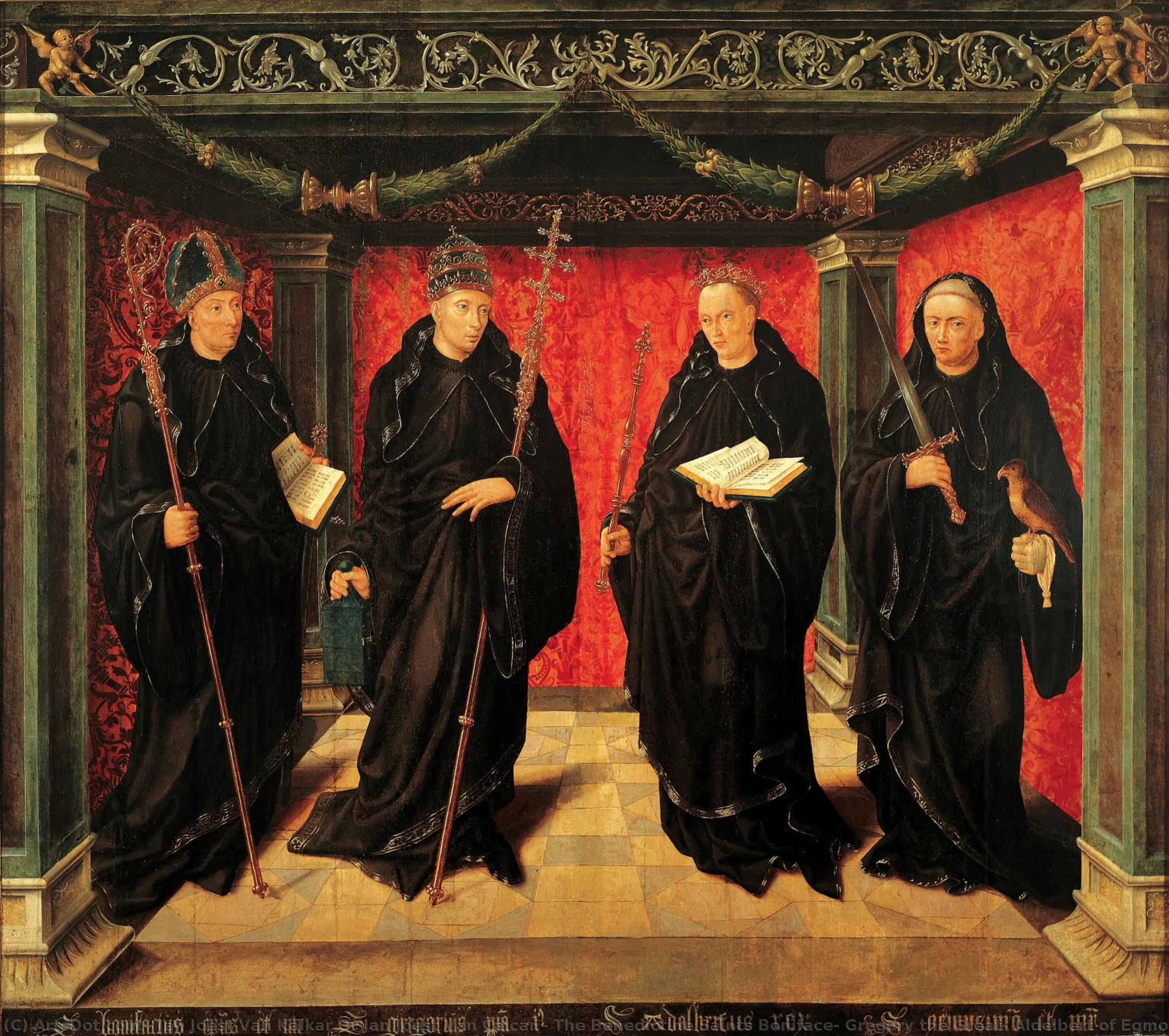
The Benedictine Saints Boniface, Gregory the Great, Aldelbert of Egmond and Jerome of Noordwijk
 Acrylic
- WallArt
- Northern Renaissance
 1534
1534 124.0 x 138.0 cm
 Frans Hals Museum
 Weiterlesen
Handgefertigte Ölreproduktion
Handgemaltes Ölgemälde auf Leinwand in Ihrer Wunschgröße und mit Rahmen, auf Bestellung von unseren Künstlern angefertigt. ( Druck bestellen Bild kaufen)




P118B $10

P118H $10

P118W $10

P438Z $10

P508JH $12

P508YH $12

P805H $10

P805Z $10

P919BZ $10

P919G $10

P919XJ $10

P959ZH $10

P968JZ $12

W106C $8

W218G $10

W218JH $8

W218Y $10

W307PJ $10

W316G $10

W316PJ $8

W316Y $10

W398PJ $8

W4111J $10

W500HY $15

W500JH $15

W692G $12

W849H $8

W940BG $15

W953PJ $8




Wählen Sie aus unseren vordefinierten Formaten, die den ursprünglichen Proportionen des Kunstwerks entsprechen.

Sie können Ihre eigenen Maße eingeben, um einen bestimmten Rahmen oder Platz auszufüllen. Wenn die gewählte Größe nicht den Proportionen des Originalbildes entspricht, werden wir das Kunstwerk entweder beschneiden oder das Gemälde durch zusätzliche, handgemalte Elemente erweitern. Ein digitales Mockup wird Ihnen zur Genehmigung zugesandt, bevor die Produktion beginnt.
Bitte beachten Sie, dass die Bildschirmvorschau nicht die tatsächliche Beschneidung oder Erweiterung widerspiegelt. Nur das Mockup zeigt die endgültige Komposition exakt an.
Obwohl Sondermaße verfügbar sind, empfehlen wir, eine Größe aus der vordefinierten Liste zu wählen, um die ursprünglichen Proportionen beizubehalten.
Nach der Bestellung wird das ArtsDot.com-Team dem Kunden Anweisungen per E-Mail zusenden und eine Mockup-Vorschau bereitstellen.
Weltweiter Versand () in nur 3 bis 4 Wochen statt der üblichen 5 Wochen. (6 September). Keine Kompromisse bei der Qualität.

Kostenloser weltweiter Expressversand

Hochwertige Leinenleinwand

Umfassender Versicherungsschutz beim Versand

Zollgebühren-Rückerstattungsgarantie

Garantie für exakte Farbtreue

100 Tage Rückgaberecht (nur bei Mängeln)

100% Geld-zurück-Garantie

Mengenrabatt verfügbar
 Die Glasoption ist nur für Größen unter 110 cm verfügbar.

The Benedictine Saints Boniface, Gregory the Great, Aldelbert of Egmond and Jerome of Noordwijk
Art der Reproduktion
Format der Reproduktion
-


Gesamtpreis
$ 263
A Testament to Faith: Jan Joest van Kalkar’s Benedictine Saints
The painting “The Benedictine Saints Boniface, Gregory the Great, Aldelbert of Egmond and Jerome of Noordwijk,” executed in 1534 by Jan Joest van Kalkar (or Calcar), stands as a remarkable example of Netherlandish Renaissance religious art. More than just a depiction of four revered saints—Boniface, Gregory the Great, Aldelbert, and Jerome—it embodies the spiritual fervor of its time and reflects the enduring influence of Benedictine monasticism on European culture. Originally conceived as outer panels of an altar screen destined for the Benedictine Abbey in Egmond Aan Zee, this monumental artwork speaks volumes about piety and artistic patronage within the burgeoning Reformation era.- Subject Matter & Composition: The painting portrays four saints—Boniface, Gregory the Great, Aldelbert, and Jerome—dressed in monastic robes, presenting a solemn tableau against a rich crimson background. This deliberate choice of color underscores the sanctity of the figures and evokes associations with liturgical rituals and royal splendor. Each saint is meticulously rendered, conveying dignity and piety through posture and gesture.
- Style & Technique: Kalkar’s masterful technique—characterized by smooth glazing and subtle tonal gradations—demonstrates a commitment to realism tempered by idealized beauty. The artist skillfully captures the textures of fabric and skin, creating an illusionistic depth that draws the viewer into the scene. Evidence suggests Kalkar's workshop employed oil paint on panel, a favored medium for devotional art during this period.
Historical Context: Benedictine Monasticism and Artistic Patronage
The Abbey of Egmond Aan Zee served as a focal point for Benedictine monastic life in Holland during the sixteenth century. The commission for this altarpiece reflects the abbey’s commitment to preserving tradition amidst the turbulent religious landscape of the Reformation. Saint Boniface, Gregory the Great, Aldelbert and Jerome were prominent figures in Christian history, representing papal authority, theological scholarship, pastoral care, and missionary zeal—values deeply cherished by Benedictine monks. The painting serves as a visual reminder of these saints’ contributions to the spiritual heritage of Christendom.- Symbolism: Each saint is imbued with symbolic significance. Boniface holds a book symbolizing gospel preaching and martyrdom, Gregory the Great carries a papal mitre and crosier representing ecclesiastical leadership and divine grace. Aldelbert’s gesture signifies his role as a preacher and evangelist, while Jerome clutches a sword signifying defense of faith against heresy. The crimson background symbolizes royal dignity and spiritual fervor.
- Provenance & Significance: Originally part of an altar screen, the painting's subsequent relocation to the Frans Hals Museum in Haarlem ensures its preservation for future generations. Its inclusion within the Wallraf-Richartz Museum’s collection further cements its place as a cornerstone of Netherlandish Renaissance art.
Emotional Impact & Artistic Legacy
“The Benedictine Saints Boniface, Gregory the Great, Aldelbert of Egmond and Jerome of Noordwijk” transcends mere visual representation; it communicates profound spiritual emotion. The serene expressions of the saints convey humility and devotion, inviting contemplation on themes of faith, piety, and divine providence. Kalkar’s work stands as a testament to the enduring power of religious art to inspire awe and reverence—a legacy that continues to resonate with audiences today. Its meticulous detail and harmonious composition exemplify the artistic ideals of the Renaissance, securing its place among the masterpieces of Netherlandish painting.Ähnliche Kunstwerke
Über den Künstler
Frühes Leben und die Enthüllung einer Identität
Jan Joest van Kalkar oder Jan Joest van Calcar, ein niederländischer Maler, der entweder aus Kalkar oder Wesel (heute Deutschland) stammte, blieb bis zum Jahr 1874 in tiefe Geheimnisse gehüllt. Erst durch die Arbeit von Jacob Anton Wolff und Oskar Eisenmann wurde der Schleier der Unbekanntheit gelüftung, die seine wahre Identität festlegten und einen Meister der religiösen Kunst ans Licht brachten.Künstlerische Beiträge
Bekannt für seine andächtigen Gemälde, zeichnen sich die Werke von Jan Joest van Calcar durch ihre heitere und doch tiefgründige Darstellung biblischer Szenen aus. Zu seinen zwei berühmtesten Schöpfungen gehören:- Das Fragment mit der Verklärung Christi (Auferstehung), ein ergreifendes Ölgemälde auf Tafel, das Christus in einem Zustand des Segens zeigt und zwischen 1515 und 1520 datiert wird.
- Die Benediktinerheiligen Bonifatius, Gregor der Große, Aldelbert von Egmond und Hieronymus von Noordwijk, ein Meisterwerk in Öl auf Tafel, das vier Heilige in Mönchsgewändern darstellt und im Frans Hals Museum in Haarlem, Niederlande, aufbewahrt wird.
Museologische Bedeutung
Das Wallraf-Richartz-Museum in Köln, Deutschland, und das Stedelijk Museum Amsterdam in den Niederlanden gehören zu den bedeutendsten Museen, die Werke aus dieser Epoche beherbergen. Während das Leben von Jan Joest weitgehend unbekannt bleibt, ist seine Kunst weiterhin ein Gegenstand der Faszination für Kunstliebhaber und Gelehrte gleichermaßen.Vermächtnis und Einfluss
Der Einfluss von- Sehen Sie mehr von den Werken von Jan Joest van Kalkar oder Jan Joest van Calcar unter [https://ArtsDot.com/@/jan-joest-van-kalkar-or-jan-joest-van-calcar](https://ArtsDot.com/@/jan-joest-van-kalkar-or-jan-joest-van-calcar)
- Erkunden Sie die Sammlung des Stedelijk Museum Amsterdam unter /de/art/list/
- Entdecken Sie mehr über das Wallraf-Richartz-Museum unter [https://ArtsDot.com/@@/a@d3c8bt-the-wallraf-richartz-museum-cologne-germany](https://ArtsDot.com/@@/a@d3c8bt-the-wallraf-richartz-museum-cologne-germany)
Fazit
Das rätselhafte Leben von Jan Joest van Kalkar oder Jan Joost van Calcar hat einem tiefgreifenden Vermächtnis in der Kunstwelt Platz gemacht. Seine andächtigen Meisterwerke ziehen das Publikum weiterhin in ihren Bann und sichern ihm seinen Platz unter den am meisten verehrten niederländischen Malern seiner Zeit.- Referenzen: [https://ArtsDot.com/@@/d37c28-jan-joest-van-calcar-fragment-with-the-transfiguration-of-christ-(resurrect..](https://ArtsDot.com/@@/d37c28-jan-joest-van-calcar-fragment-with-the-transfiguration-of-christ-(resurrect..)
- Künstlerprofil: [https://ArtsDot.com/@/jan-joest-van-kalkar-or-jan-joest-van-calcar](https://ArtsDot.com/@/jan-joest-van-kalkar-or-jan-joest-van-calcar)
Jan Joest Van Kalkar
1519 , Deutschland
Kurzinfos
- Bemerkenswerte Kunstwerke:
- Evelyne Axell
- Joav BarEl
- Thomas Bayrle
- Künstlerische Bewegung Oder Stil: World Goes Pop
- Sterbedatum: 1519
Ähnliche Artikel
Öl auf Holz: 10 Meisterwerke, die Kunstgeschichte veränderten |
Entdecken Sie die 10 legendärsten Gemälde auf Holz – von Renaissance bis Impressionismus! Erfahren Sie die Geschichten der Künstler & ihre Meisterwerke. Hochwertige Reproduktionen bei .
Oil on Panel: A Historical Survey of Technique, Support & Aesthetic Evolution
Explore the rich history of oil on panel painting! Discover Renaissance techniques, support structures & aesthetic evolution. Expert insights for art collectors and enthusiasts.
Öl auf Holz: Eine historische Untersuchung von Technik, Trägermaterial und ästhetischer Wirkung
Entdecken Sie die faszinierende Welt der Ölmalerei auf Holz! Expertenwissen zu Technik, Geschichte und Restaurierung von Meisterwerken. Für Kunstliebhaber & Sammler.

Öl auf Leinwand: Eine historische und technische Erkundung eines zeitlosen künstlerischen Mediums
Entdecken Sie die faszinierende Welt der Ölmalerei! Von historischen Techniken bis zur modernen Anwendung – wir bieten Expertenwissen, Restaurierungstipps und hochwertige Reproduktionen. Jetzt informieren!
Oil on Board: A Historical Survey of Technique, Aesthetic Qualities & Enduring Appeal
Explore the rich history of oil on board painting! Discover techniques, aesthetic qualities & enduring appeal from early masters to modern practice. Expert insights for collectors and art enthusiasts.