 Vorschau anzeigen
 Versenden
 Teilen
 Details anzeigen

 Herunterladen
 Ähnliche Objekte
 Röntgenaufnahme
 Diashow
 Statistiken
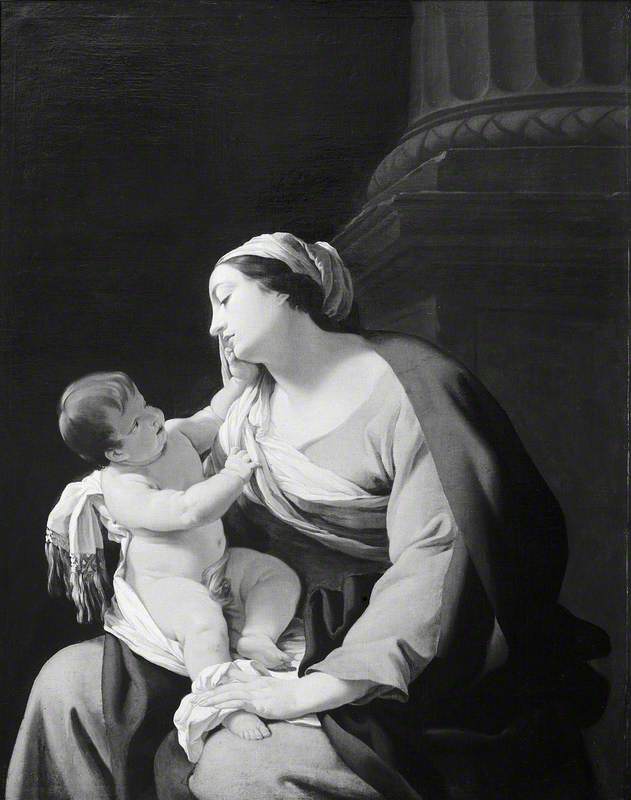
The Virgin and Child (of the Column)
 Oil On Canvas
- WallArt
- Baroque
 1640
1640 135.0 x 108.0 cm
 Ashmolean Museum of Art and Archaeology
 Weiterlesen
Giclée / Kunstdruck
Giclée- oder Leinwanddruck in Museumsqualität mit schneller Produktion und flexiblen Veredelungsoptionen. ( Handgemalte Reproduktion bestellen Zum digitalen Bild wechseln)




P118B $10

P118H $10

P118W $10

P438Z $10

P508JH $12

P508YH $12

P805H $10

P805Z $10

P919BZ $10

P919G $10

P919XJ $10

P959ZH $10

P968JZ $12

W106C $8

W218G $10

W218JH $8

W218Y $10

W307PJ $10

W316G $10

W316PJ $8

W316Y $10

W398PJ $8

W4111J $10

W500HY $15

W500JH $15

W692G $12

W849H $8

W940BG $15

W953PJ $8




Wählen Sie aus unseren vordefinierten Formaten, die den ursprünglichen Proportionen des Kunstwerks entsprechen.

Sie können Ihre eigenen Maße eingeben, um ein bestimmtes Format oder einen speziellen Platz einzupassen. Wenn das von Ihnen gewählte Format nicht den Proportionen des Originalbildes entspricht, werden wir das Kunstwerk entweder beschneiden oder das Bild mit einem gespiegelten oder einfarbigen Rand erweitern. Ein digitaler Entwurf wird Ihnen zur Genehmigung zugesandt, bevor die Produktion beginnt.
Bitte beachten Sie, dass die Vorschau auf dem Bildschirm nicht den tatsächlichen Zuschnitt oder die Erweiterung widerspiegelt. Nur der Entwurf zeigt die endgültige Komposition präzise an.
Obwohl Sondermaße verfügbar sind, empfehlen wir die Auswahl eines Maßes aus der vordefinierten Liste, um die ursprünglichen Proportionen zu bewahren.
Weltweiter Versand () innerhalb von 2 Wochen statt der üblichen 4/5 Wochen. (12 September)

Kostenloser weltweiter Expressversand

Hochwertige Leinenleinwand

Umfassender Versicherungsschutz beim Versand

Zollgebühren-Rückerstattungsgarantie

Garantie für exakte Farbtreue

100-Tage-Rückgaberecht (nur bei Mängeln)

100% Geld-zurück-Garantie

Mengenrabatt verfügbar
 Die Glasoption ist nur für Größen unter 110 cm verfügbar.

The Virgin and Child (of the Column)
Giclée / Kunstdruck
Format der Reproduktion
-


Gesamtpreis
$ 62
A Testament to Faith: Simon Vouet’s “The Virgin and Child (of the Column)”
Simon Vouet's "The Virgin and Child (of the Column)," painted in 1640, is more than just a depiction of a sacred scene; it’s a masterful distillation of the burgeoning Baroque style and a poignant expression of maternal devotion. This captivating work, now meticulously reproduced as a hand-painted artwork, transports viewers to a world where divine grace intertwines with earthly tenderness. The painting immediately draws the eye to the central figures – Mary cradling the Christ Child – their expressions radiating an almost palpable serenity. The composition isn’t merely static; it possesses a dynamic quality, achieved through subtle shifts in pose and gaze that invite contemplation.
Vouet, a pivotal figure in transitioning French painting from Mannerism to Baroque, was deeply influenced by his time spent in Italy, particularly the works of Caravaggio. This influence is evident in the dramatic use of light and shadow, creating a sense of depth and volume within the figures. The muted color palette – primarily grays, creams, and browns – serves not as an absence of vibrancy but rather as a deliberate choice to emphasize form and texture. The artist skillfully employs tonal variations, mimicking the appearance of fabric folds and the rough surface of the column behind Mary, lending a remarkable sense of realism to the scene.
A Baroque Masterpiece: Style, Technique, and Historical Context
“The Virgin and Child (of the Column)” firmly establishes Vouet within the Baroque movement. Characterized by emotional intensity, dramatic lighting, and a heightened sense of realism, Baroque art sought to evoke powerful feelings in the viewer. Vouet’s approach is particularly notable for its meticulous attention to detail – from the delicate folds of Mary's garments to the subtle expressions on the faces of the children. The painting demonstrates a sophisticated understanding of perspective, creating an illusion of three-dimensionality that anchors the scene within a believable space.
Painted during a period of significant religious and political upheaval in France, this work reflects the Counter-Reformation’s emphasis on piety and devotion. Columns depicting the Virgin Mary were increasingly popular throughout Europe as a tangible expression of faith – a visible reminder of divine protection and grace. The choice to depict the scene “of the Column” likely alludes to an ancient Roman tradition where columns were erected in honor of deities, subtly connecting this religious image with a rich historical precedent.
Symbolism and Emotional Resonance
Beyond its aesthetic qualities, "The Virgin and Child (of the Column)" is laden with symbolic meaning. The column itself represents strength, stability, and divine support – mirroring Mary’s role as both mother and protector. The Christ Child's upward gaze symbolizes his innocence and vulnerability, while Mary’s serene expression embodies maternal love and spiritual devotion. The two figures in the background, often interpreted as John the Baptist and Joseph, add depth to the narrative, suggesting a broader community united in faith.
The painting’s emotional impact is profound. It evokes feelings of tenderness, peace, and reverence – inviting viewers to contemplate the timeless themes of motherhood, faith, and divine grace. It's not merely a representation of a biblical scene; it’s an invitation to connect with something larger than oneself.
Artistic Details & Reproduction
Measuring 135 x 108 cm, “The Virgin and Child (of the Column)” is a substantial work that commands attention. Simon Vouet's masterful technique—characterized by precise rendering of form and texture through tonal variations—is faithfully reproduced in our hand-painted reproductions. Each brushstroke captures the essence of the original, ensuring an authentic and captivating experience. The artwork’s rich detail and nuanced color palette are brought to life with exceptional clarity, making it a stunning addition to any home or office.
Available as a high-quality reproduction, this iconic piece offers a timeless expression of faith and beauty – a perfect choice for art enthusiasts, collectors, and those seeking to infuse their spaces with a touch of Baroque elegance.
Ähnliche Kunstwerke
Über den Künstler
Simon Vouet: Ein Pionier der französischen Barockmalerei
- Geboren: 9. Januar 1590, Paris, Frankreich
- Gestorben: 30. Juni 1649, Paris, Frankreich
Simon Vouet war eine zentrale Figur im Übergang der französischen Malerei vom Manierismus zum Barockstil. Geboren in einer künstlerischen Familie – sein Vater Laurent war Maler und sein Bruder Aubin widmete sich ebenfalls der Kunst –, erhielt Vouet eine frühe Ausbildung, die den Grundstein für seinen späteren Erfolg legte. Sein Enkel Ludovico Dorigny würde das künstlerische Erbe der Familie fortsetzen.
Frühe Karriere und italienische Einflüsse (1608-1627)
- Frühe Porträtmalerei: Vouet begann seine Karriere als Porträtist und zeigte früh sein Talent.
- Reise nach England (1608): Schon im Alter von 14 Jahren reiste er nach England, um ein beauftragtes Porträt zu malen, was seinen wachsenden Ruf unterstrich.
- Osmanisches Reich und Venedig: Im Jahr 1611 trat Vouet der Entourage des Baron de Sancy, des französischen Botschafters im Osmanischen Reich, erneut für Porträtarbeiten bei. Diese Reise führte ihn durch Konstantinopel und anschließend nach Venedig im Jahr 1612.
- Rom (1614-1627): Seine Zeit in Rom erwies sich als transformativ. Er blieb dort dreizehn Jahre lang und tauchte ein in die lebendige Kunstszene der aufstrebenden Barockzeit.
Während seines italienischen Aufenthalts absorbierte Vouet eine Vielzahl von Einflüssen. Er studierte die dramatischen Lichtführungstechniken, die Caravaggio begründete, übernahm Elemente des italienischen Manierismus und analysierte akribisch die Farbpaletten und die di sotto in su (Unter-von-oben-Perspektive), die Paolo Veronese verwendete. Er ließ sich auch von den Werken von Carracci, Guercino, Lanfranco und Guido Reni inspirieren und synthetisierte diese vielfältigen Stile zu einer einzigartigen künstlerischen Vision.
Entwicklung des charakteristischen Stils Vouets
- Wahl in die Accademia di San Luca (1624): Sein Erfolg in Rom gipfelte in seiner Wahl zum Präsidenten der angesehenen Accademia di San Luca, ein Beweis für seine Fähigkeiten und Anerkennung innerhalb der italienischen Kunstwelt.
- Synthese von Einflüssen: Vouets Stil zeichnete sich durch seine Fähigkeit aus, verschiedene künstlerische Einflüsse aufzunehmen und zu destillieren. Er kopierte nicht einfach; er integrierte diese Elemente in eine kohärente und ausgesprochen italienisch geprägte Barockästhetik.
- Einführung des Barocks nach Frankreich: Nach seiner Rückkehr nach Frankreich im Jahr 1627 spielte Vouet eine entscheidende Rolle bei der Einführung des italienischen Barockstils in die französische Malerei und beeinflusste damit maßgeblich die künstlerische Landschaft des Landes.
Wichtige Errungenschaften und Vermächtnis
- Premier peintre du Roi: Vouet wurde zum Premier peintre du Roi (Erster Maler des Königs) ernannt – eine Position von beträchtlichem Prestige und Einfluss.
- Produktiv Werkstatt: Er unterhielt eine große und aktive Werkstatt, in der zahlreiche Künstler ausgebildet wurden, die die nächste Generation französischer Maler prägen sollten.
- Bemerkenswerte Schüler: Zu seinen einflussreichsten Schülern gehörten Charles Le Brun (der später alle dekorativen Arbeiten in Versailles organisierte), Valentin de Boulogne, Charles Alphonse du Fresnoy, Pierre Mignard, Eustache Le Sueur und Claude Mellan.
- Einfluss auf die französische Kunst: Vouets Einfluss erstreckte sich über seine eigenen Werke hinaus; seine Schüler trugen seinen Stil und seine Techniken in ganz Frankreich fort und etablierten eine unverwechselbare Barockschule der Malerei. Sein Einfluss ist besonders deutlich in den prunkvollen dekorativen Gestaltungskonzepten zu erkennen, die von Ludwig XIV. in Auftrag gegeben wurden.
Historische Bedeutung
Simon Vouets Vermächtnis beruht auf seiner entscheidenden Rolle als Brücke zwischen italienischer und französischer Kunst. Er importierte erfolgreich den Dynamismus und die Pracht des italienischen Barocks und verwandelte ihn in einen Stil, der bei dem französischen Hofstaat und Adel Anklang fand. Sein Einfluss ist unbestreitbar in der Entwicklung der französischen Malerei im 17. Jahrhundert, und seine Beiträge werden von Kunsthistorikern bis heute anerkannt.
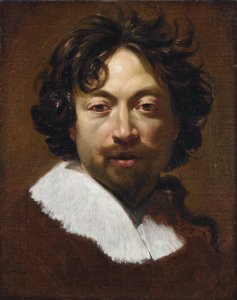
Simon Vouet
1590 - 1649 , Frankreich
Kurzinfos
- Beeinflusste Künstler:
- Charles Le Brun
- Valentin de Boulogne
- Eustache Le Sueur
- Bemerkenswerte Werke:
- Der Reichtum
- Gaucher de Châtillon
- Venus und Adonis
- Apotheose des Hl. Louis
- Geburtsdatum: 9. Januar 1590
- Geburtsort: Paris, Frankreich
- Künstlerische Einflüsse:
- Caravaggio
- Paolo Veronese
- Carracci
- Guercino
- Lanfranco
- Guido Reni
- Künstlerische Richtung: Barockmalerei
- Nationalität: Französisch
- Todatum: 30. Juni 1649
- Vollständiger Name: Simon Vouet
Ähnliche Artikel

The Dramatic Flourish: Exploring the Baroque Movement's Enduring Legacy in Art History
Explore the dramatic world of Baroque art! Discover iconic artists like Caravaggio & Rubens, defining techniques, and its lasting impact on art history. Expert insights for collectors & enthusiasts at ArtsDot.

Barocke Pracht: Wie Sie Opulenz und Emotionen in zeitgenössische Innenräume bringen
Entdecken Sie die Pracht des Barock! Expertenratgeber für luxuriöse Innenräume mit barocken Elementen. Inspiration, Tipps & hochwertige Kunst bei .

Baroque Classicism: Reconciling Drama & Order in 17th-Century Art
Explore the captivating world of Baroque Classicism! Discover its history, key artists like Caravaggio & Rubens, and defining characteristics. Expert insights & high-quality reproductions at ArtsDot.
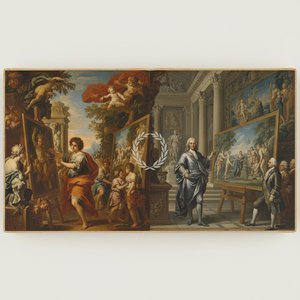
Simon Vouet: Vom italienischen Barock zum französischen Klassizismus – Eine künstlerische Reise
Entdecken Sie das Leben und Werk von Simon Vouet, dem Pionier des italienischen Barock in Frankreich! Erfahren Sie mehr über seinen künstlerischen Werdegang, seine wichtigsten Gemälde und seinen nachhaltigen Einfluss auf die französische Malerei. Jetzt lesen!

Decoding Baroque Grandeur: A Guide to the Drama and Emotion of 17th-Century Art
Explore the breathtaking drama of 17th-century Baroque art. Our expert guide decodes the use of chiaroscuro, emotional intensity, and historical grandeur to help you appreciate and curate timeless masterpieces for your collection.