 Vorschau anzeigen
 Versenden
 Teilen
 Details anzeigen

 Herunterladen
 Ähnliche Objekte
 Röntgenaufnahme
 Diashow
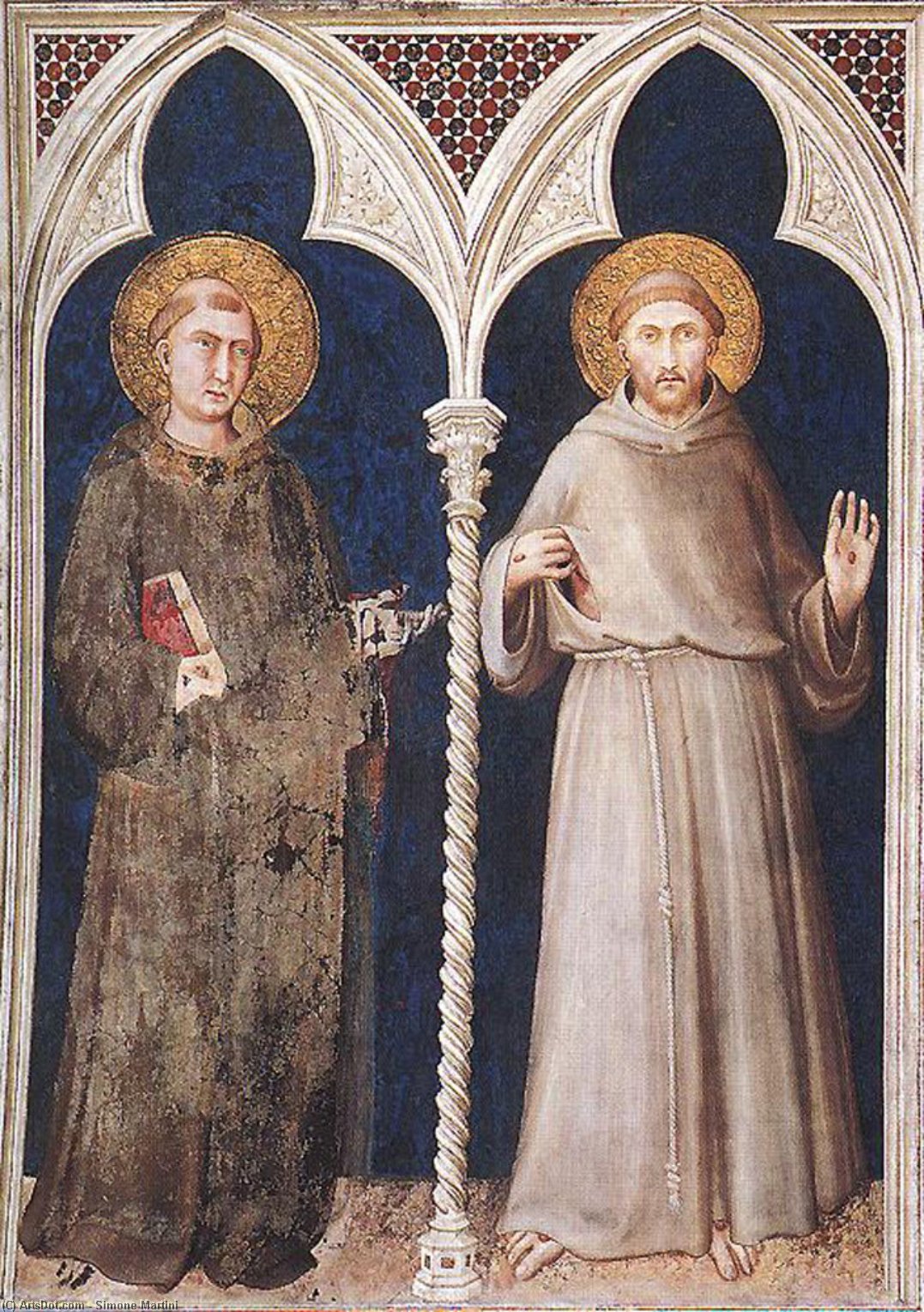
St Anthony and St Francis

 Weiterlesen
Handgefertigte Ölreproduktion
Handgemaltes Ölgemälde auf Leinwand in Ihrer Wunschgröße und mit Rahmen, auf Bestellung von unseren Künstlern angefertigt. ( Druck bestellen Bild kaufen)




P118B $10

P118H $10

P118W $10

P438Z $10

P508JH $12

P508YH $12

P805H $10

P805Z $10

P919BZ $10

P919G $10

P919XJ $10

P959ZH $10

P968JZ $12

W106C $8

W218G $10

W218JH $8

W218Y $10

W307PJ $10

W316G $10

W316PJ $8

W316Y $10

W398PJ $8

W4111J $10

W500HY $15

W500JH $15

W692G $12

W849H $8

W940BG $15

W953PJ $8




Wählen Sie aus unseren vordefinierten Formaten, die den ursprünglichen Proportionen des Kunstwerks entsprechen.

Sie können Ihre eigenen Maße eingeben, um einen bestimmten Rahmen oder Platz auszufüllen. Wenn die gewählte Größe nicht den Proportionen des Originalbildes entspricht, werden wir das Kunstwerk entweder beschneiden oder das Gemälde durch zusätzliche, handgemalte Elemente erweitern. Ein digitales Mockup wird Ihnen zur Genehmigung zugesandt, bevor die Produktion beginnt.
Bitte beachten Sie, dass die Bildschirmvorschau nicht die tatsächliche Beschneidung oder Erweiterung widerspiegelt. Nur das Mockup zeigt die endgültige Komposition exakt an.
Obwohl Sondermaße verfügbar sind, empfehlen wir, eine Größe aus der vordefinierten Liste zu wählen, um die ursprünglichen Proportionen beizubehalten.
Nach der Bestellung wird das ArtsDot.com-Team dem Kunden Anweisungen per E-Mail zusenden und eine Mockup-Vorschau bereitstellen.
Weltweiter Versand () in nur 3 bis 4 Wochen statt der üblichen 5 Wochen. (26 August). Keine Kompromisse bei der Qualität.

Kostenloser weltweiter Expressversand

Hochwertige Leinenleinwand

Umfassender Versicherungsschutz beim Versand

Zollgebühren-Rückerstattungsgarantie

Garantie für exakte Farbtreue

60 Tage Rückgaberecht (nur bei Mängeln)

100% Geld-zurück-Garantie

Mengenrabatt verfügbar
 Die Glasoption ist nur für Größen unter 110 cm verfügbar.

St Anthony and St Francis
Art der Reproduktion
Format der Reproduktion
-


Gesamtpreis
$ 263
Beschreibung des Kunstwerks
A Dialogue in Faith: Simone Martini’s ‘St Anthony and St Francis’
Simone Martini's “St Anthony and St Francis,” painted circa 1308-1311, is more than a depiction of two revered saints; it’s a profound meditation on faith, humility, and the yearning for spiritual transcendence. Executed in the exquisite style that defined the Sienese school during its zenith, this work embodies the delicate balance between earthly beauty and divine grace that characterized Martini's oeuvre. The painting captures a pivotal moment – a shared encounter of two figures deeply devoted to Christ – rendered with an almost unbearable tenderness that speaks directly to the viewer’s own spiritual longings.
- Subject Matter: The composition centers on St Anthony, often depicted as a contemplative hermit, and St Francis, the founder of the Franciscan order, known for his radical simplicity and devotion. Their proximity suggests a moment of shared revelation, perhaps a divine visitation or a profound exchange of spiritual wisdom.
- Style & Technique: Martini’s mastery is immediately apparent in the meticulous detail and luminous color palette. His use of tempera on panel creates a surface texture that shimmers with an almost ethereal quality. The figures are rendered with elongated proportions, a hallmark of Sienese painting, contributing to their sense of otherworldly grace. Notice the incredibly fine lines defining drapery and facial features – a testament to Martini’s painstaking attention to detail.
The Courtly Refinement of Siena
Siena in the early 14th century was a city brimming with artistic innovation, yet Martini distinguished himself through his unwavering commitment to courtly elegance. Influenced by the architectural grandeur of Siena itself – particularly its imposing Duomo – Martini infused his paintings with a sense of formality and refinement that elevated them beyond mere devotional works. This is evident in the carefully constructed composition, the luxurious fabrics depicted, and the overall atmosphere of serene dignity. The castle-like structure in the background isn’t merely a setting; it's an architectural statement reflecting the power and prestige associated with religious authority.
- Historical Context: Martini worked during a period of significant religious upheaval, marked by the rise of mendicant orders like the Franciscans and Dominicans. His paintings reflect this shift in religious practice, emphasizing personal piety and direct communion with God.
- Collaboration: Martini frequently collaborated with his brother-in-law, Lippo Memmi, and other artists, creating a vibrant artistic community within Siena. This collaborative spirit is reflected in the harmonious integration of figures and details within the painting.
Symbolism & Spiritual Resonance
Beyond the immediate depiction of St Anthony and St Francis, the painting is rich with symbolic meaning. The book held by one saint represents knowledge and scripture, while the cross carried by the other signifies sacrifice and redemption. The upward gaze of both figures suggests a yearning for divine connection, a desire to transcend earthly concerns and unite with God. The inclusion of a bird – often interpreted as a symbol of the Holy Spirit – adds another layer of complexity to the composition, reinforcing the theme of spiritual elevation.
- Color Palette: Martini’s use of rich blues, reds, and golds evokes a sense of sacredness and majesty. These colors were particularly valued in Sienese art for their symbolic associations with royalty, divinity, and paradise.
- Gesture & Expression: The subtle gestures and expressions of the figures convey a deep sense of contemplation and devotion. Martini’s ability to capture these nuances is what elevates this painting beyond a simple representation of two saints.
Emotional Impact & Artistic Legacy
"St Anthony and St Francis" remains a profoundly moving work, captivating viewers with its beauty, grace, and spiritual depth. Simone Martini's technical brilliance combined with his profound understanding of human emotion creates an image that continues to resonate across the centuries. This painting is not just a masterpiece of Sienese art; it’s a testament to the enduring power of faith and the timeless quest for spiritual enlightenment. A hand-painted reproduction offers a unique opportunity to experience this extraordinary work firsthand, bringing its beauty and serenity into your home or office.
Ähnliche Kunstwerke
Über den Künstler
Simone Martini: Ein Meister des Internationalen Gotik
Frühes Leben und Ausbildung
- Geboren: Um 1284 in Siena, Italien.
- Herkunft: Simone Martini entstammte der lebendigen künstlerischen Gemeinschaft der sienesischen Malerei während einer bedeutenden kulturellen Blütezeit.
- Künstlerische Linie: Es wird weitläufig angenommen, dass Martini zunächst als Schüler von Duccio di Buoninsegna, dem führenden Sienese Maler seiner Zeit, ausgebildet wurde. Einige historische Berichte, insbesondere die von Giorgio Vasari, deuten jedoch auf eine mögliche Lehre bei Giotto di Bondone hin.
- Familienverhältnisse: Sein Schwager war der ebenfalls Künstler Lippo Memmi, mit dem er an mehreren Projekten zusammenarbeitete.
Künstlerische Entwicklung und Stil
- Besonderer Stil: Martinis Stil ist durch seine Eleganz, raffinierte Details und geschmeidigen Linien gekennzeichnet. Er bot einen auffallenden Kontrast zur monumentaleren und asketischen florentinischen künstlerischen Tradition.
- Einflüsse: Seine Werke zeigen Einflüsse aus französischer Handschriftenillumination und Bildholzschnitzerei, die durch Handelsrouten wie die Via Francigena begünstigt wurden.
- Wesentliche Merkmale: Weiche, dekorative Elemente, geschwungene Linien, höfische Eleganz und ein Fokus auf handwerkliches Können prägen seinen künstlerischen Ansatz.
Wichtige Werke und Leistungen
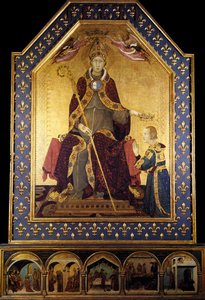
- Saint Louis of Toulouse Krönt seinen Bruder Robert von Anjou (1317): Dieses Meisterwerk, das heute im Museo di Capodimonte in Neapel ausgestellt ist, zeigt Martinis narrative Fähigkeiten und seine elegante Komposition.
- Polyptychon der Heiligen Katharina von Alexandria (1319): Das in Pisa befindliche Polyptychon veranschaulicht seine Meisterschaft in Farbe und Detail.
- Anbetung mit der Heiligen Margarete und der Heiligen Ansanus (1333): Dieses Werk im Uffizi-Museum in Florenz wird für seine zarte Schönheit und sein raffiniertes Ästhetik gefeiert.
- Fresken in San Francesco d’Assisi: Seine Fresken in der Basilika von San Francesco d’Assisi demonstrieren seine Fähigkeiten in der großformatigen dekorativen Malerei.
Leben am Avignoner Hof und bei Petrarca
- Umzug nach Avignon: Im Jahr 1336 nahm Martini eine Beauftragung an, Fresken für den päpstlichen Palast in Avignon, Frankreich, zu malen. Er blieb dort bis zu seinem Tod.
- Beziehung zu Petrarca: Während seines Aufenthalts in Avignon freundete er sich mit dem renommierten Dichter Francesco Petrarca (Petrarch) an.
- Porträt von Laura: Laut Vasari und wie in Petrarks Sonetten erwähnt, wird vermutet, dass Martini ein Porträt von Laura de Noves, Petrarks Muse, gemalt hat.
Historische Bedeutung und Vermächtnis
- Internationaler Gotikstil: Simone Martini spielte eine entscheidende Rolle bei der Entwicklung und Verbreitung des Internationalen Gotikstils in ganz Europa.
- Einfluss auf spätere Künstler: Sein eleganter Ästhetik und seine raffinierte Technik beeinflussten Generationen von Künstlern und prägten den Verlauf der Spätmittelalter- und Frührenaissance-Malerei.
- Nachhaltige Wirkung: Martinis Werk wird bis heute für seine Schönheit, Raffinesse und historische Bedeutung bewundert und festigt damit seinen Platz als Meister der italienischen Kunst.

Simone Martini
1284 - 1344 , Italien
Kurzinfos
- Beeinflusste Künstler: ['Generationen von Künstlern']
- Bemerkenswerte Werke:
- St. Ludwig von Toulouse krönt...
- Polyptychon der Heiligen Katharina
- Ankündigung mit St. Margareta
- Fresken in San Francesco d’Assisi
- Einflüsse: ['Duccio di Buoninsegna']
- Geburtsdatum: ca. 1284
- Geburtsort: Siena, Italien
- Künstlerischer Stil: International Gotik
- Nationalität: Italienisch
- Sterbedatum: 1344
- Vollständiger Name: Simone Martini
Ähnliche Artikel
Francis Bacon: Die 25 Meisterwerke des existentiellen Schmerzes | ArtsDot
Entdecken Sie die 25 Meisterwerke von Francis Bacon! Erleben Sie existenzielle Schmerz, expressive Porträts & dunkle Farben. Kunstreproduktionen in Museumsqualiät auf ArtsDot.com – für Ihre Wanddekoration.
Simone Martini: Innovation, Spiritualität und höfische Raffinesse der Sienischen Malerei
Entdecken Sie Simone Martini, einen Meister der Sienischen Malerei! Erfahren Sie mehr über seine Innovationen, seinen Stil und die spirituelle Tiefe seiner Werke. Kunstgeschichte pur – jetzt lesen!
Meisterwerke des Hochmittelalters: 10 Kunstwerke für Ihr Zuhause | ArtsDot
Entdecken Sie die 10 bedeutendsten Meisterwerke des Hochmittelalters! Erfahren Sie Geschichten von Romanik, Gotik & berühmten Künstlern. Finden Sie hochwertige Reproduktionen für Ihr Zuhause auf ArtsDot.com.

El Greco: Die 25 Meisterwerke – Kunst für Ihr Zuhause | ArtsDot
Entdecken Sie die 25 bedeutendsten Meisterwerke von El Greco! Erleben Sie die spirituelle Tiefe und den dramatischen Stil des griechischen Malers. Hochwertige Kunstdrucke & Inspiration für Ihr Zuhause auf ArtsDot.com.

Spätmittelalterliche Meisterwerke: 10 Kunstwerke für Ihr Zuhause | ArtsDot
Entdecken Sie die 10 bedeutendsten Meisterwerke des Spätmittelalters! Erfahren Sie die Geschichten hinter Jan van Eyck, Rogier van der Weyden & mehr. Hochwertige Kunst Reproduktionen für Ihr Zuhause – jetzt auf ArtsDot.com!