 Vorschau anzeigen
 Versenden
 Teilen
 Details anzeigen

 Herunterladen
 Ähnliche Objekte
 Röntgenaufnahme
 Diashow
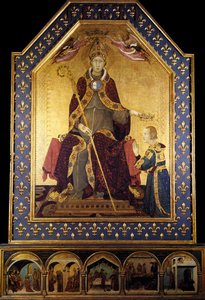
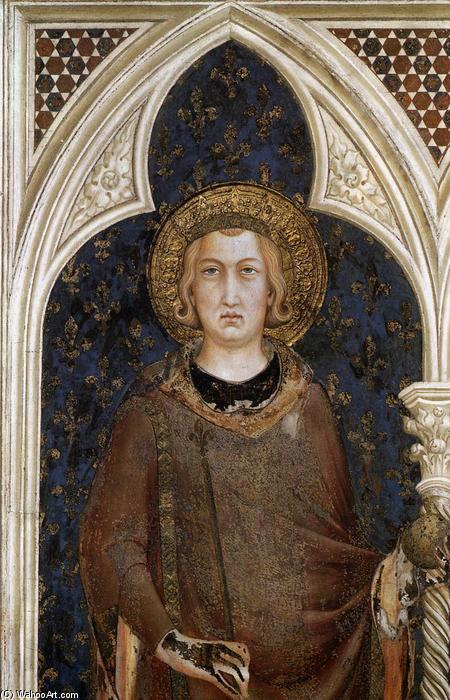
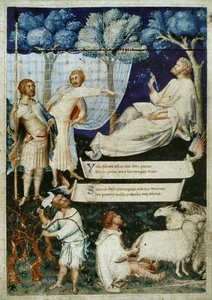
St Louis of France (detail)


 Weiterlesen
Giclée / Kunstdruck
Giclée- oder Leinwanddruck in Museumsqualität mit schneller Produktion und flexiblen Veredelungsoptionen. ( Handgemalte Reproduktion bestellen Bild kaufen)




P118B $10

P118H $10

P118W $10

P438Z $10

P508JH $12

P508YH $12

P805H $10

P805Z $10

P919BZ $10

P919G $10

P919XJ $10

P959ZH $10

P968JZ $12

W106C $8

W218G $10

W218JH $8

W218Y $10

W307PJ $10

W316G $10

W316PJ $8

W316Y $10

W398PJ $8

W4111J $10

W500HY $15

W500JH $15

W692G $12

W849H $8

W940BG $15

W953PJ $8




Wählen Sie aus unseren vordefinierten Formaten, die den ursprünglichen Proportionen des Kunstwerks entsprechen.

Sie können Ihre eigenen Maße eingeben, um ein bestimmtes Format oder einen speziellen Platz einzupassen. Wenn das von Ihnen gewählte Format nicht den Proportionen des Originalbildes entspricht, werden wir das Kunstwerk entweder beschneiden oder das Bild mit einem gespiegelten oder einfarbigen Rand erweitern. Ein digitaler Entwurf wird Ihnen zur Genehmigung zugesandt, bevor die Produktion beginnt.
Bitte beachten Sie, dass die Vorschau auf dem Bildschirm nicht den tatsächlichen Zuschnitt oder die Erweiterung widerspiegelt. Nur der Entwurf zeigt die endgültige Komposition präzise an.
Obwohl Sondermaße verfügbar sind, empfehlen wir die Auswahl eines Maßes aus der vordefinierten Liste, um die ursprünglichen Proportionen zu bewahren.
Weltweiter Versand () innerhalb von 2 Wochen statt der üblichen 4/5 Wochen. (26 August)

Kostenloser weltweiter Expressversand

Hochwertige Leinenleinwand

Umfassender Versicherungsschutz beim Versand

Zollgebühren-Rückerstattungsgarantie

Garantie für exakte Farbtreue

60 Tage Rückgaberecht (nur bei Mängeln)

100% Geld-zurück-Garantie

Mengenrabatt verfügbar
 Die Glasoption ist nur für Größen unter 110 cm verfügbar.

St Louis of France (detail)
Giclée / Kunstdruck
Format der Reproduktion
-


Gesamtpreis
$ 62
Sammlerstück-Beschreibung
A Portrait of Royal Devotion: Simone Martini's *St Louis of France* (Detail)
This exquisite detail from Simone Martini’s “St Louis of France” offers a profound glimpse into the heart of 14th-century piety and courtly grace. Painted in 1317, during the artist’s peak creative period, this fragment transcends mere portraiture; it is a carefully constructed meditation on faith, power, and the dignity of human form. The subject, identified as St Louis IX of France, King Saint, is depicted with an almost unnerving stillness, his gaze fixed downwards, suggesting deep contemplation or perhaps fervent prayer. His posture, hands clasped before him in a gesture of humility and reverence, immediately draws the viewer into his internal world.
- The Artist's Hand: Simone Martini was a pivotal figure bridging the medieval and early Renaissance styles. His work, particularly within the Sienese school, is renowned for its meticulous detail, vibrant color palette, and masterful use of line – qualities that earned him the title "Master of Elegance and Grace."
- Technique: The painting demonstrates Martini’s signature technique: a layered approach utilizing tempera on panel. This allowed for incredible luminosity and richness in color, particularly evident in the luxurious fabrics of the king's robe. Notice the delicate modelling of form, achieved through subtle gradations of tone rather than harsh outlines.
Symbolism Woven into the Fabric
The composition is rich with symbolic meaning, reflecting the religious and political context of the time. The prominent cross in the upper left corner immediately anchors the image within a Christian framework, signifying salvation and divine guidance. The intricate decorative patterns surrounding St Louis are not merely ornamental; they represent the elaborate courtly culture of the French monarchy – a world where piety was intertwined with power and prestige. The robe itself, likely made of rich velvet or brocade, speaks to his royal status, while its folds and drapery contribute to the overall sense of grandeur and solemnity.
- Royal Authority: The crown, though partially obscured, is a potent symbol of St Louis’s earthly authority as King of France.
- Devotion & Humility: The downward gaze and clasped hands underscore the importance of humility and reverence in the face of God.
Historical Context and Artistic Influence
Painted in 1317, this work reflects a period of significant religious fervor within Europe, fueled by the Crusades and the growing influence of the Catholic Church. St Louis IX’s reign was marked by his unwavering commitment to piety and justice, making him a revered figure in both France and Christendom. Martini's depiction aligns with the artistic trends of Siena at the time – a city renowned for its religious art patronage and skilled artisans. His work echoes the influence of Giotto di Bondone, particularly in its emphasis on naturalism and emotional expression, while simultaneously maintaining the formal elegance characteristic of Sienese painting.
Emotional Impact and Artistic Value
“St Louis of France” (detail) is more than just a historical artifact; it’s a powerful testament to human spirituality and artistic skill. The artist's ability to capture not only the physical likeness of St Louis but also his inner state – a sense of solemnity, contemplation, and devotion – elevates this work beyond simple representation. A hand-painted reproduction offers an unparalleled opportunity to experience the beauty and emotional depth of Martini’s masterpiece in your own space, bringing a touch of medieval grandeur and spiritual serenity into your home or office.
Ähnliche Kunstwerke
Über den Künstler
Simone Martini: Ein Meister des Internationalen Gotik
Frühes Leben und Ausbildung
- Geboren: Um 1284 in Siena, Italien.
- Herkunft: Simone Martini entstammte der lebendigen künstlerischen Gemeinschaft der sienesischen Malerei während einer bedeutenden kulturellen Blütezeit.
- Künstlerische Linie: Es wird weitläufig angenommen, dass Martini zunächst als Schüler von Duccio di Buoninsegna, dem führenden Sienese Maler seiner Zeit, ausgebildet wurde. Einige historische Berichte, insbesondere die von Giorgio Vasari, deuten jedoch auf eine mögliche Lehre bei Giotto di Bondone hin.
- Familienverhältnisse: Sein Schwager war der ebenfalls Künstler Lippo Memmi, mit dem er an mehreren Projekten zusammenarbeitete.
Künstlerische Entwicklung und Stil
- Besonderer Stil: Martinis Stil ist durch seine Eleganz, raffinierte Details und geschmeidigen Linien gekennzeichnet. Er bot einen auffallenden Kontrast zur monumentaleren und asketischen florentinischen künstlerischen Tradition.
- Einflüsse: Seine Werke zeigen Einflüsse aus französischer Handschriftenillumination und Bildholzschnitzerei, die durch Handelsrouten wie die Via Francigena begünstigt wurden.
- Wesentliche Merkmale: Weiche, dekorative Elemente, geschwungene Linien, höfische Eleganz und ein Fokus auf handwerkliches Können prägen seinen künstlerischen Ansatz.
Wichtige Werke und Leistungen
- Saint Louis of Toulouse Krönt seinen Bruder Robert von Anjou (1317): Dieses Meisterwerk, das heute im Museo di Capodimonte in Neapel ausgestellt ist, zeigt Martinis narrative Fähigkeiten und seine elegante Komposition.
- Polyptychon der Heiligen Katharina von Alexandria (1319): Das in Pisa befindliche Polyptychon veranschaulicht seine Meisterschaft in Farbe und Detail.
- Anbetung mit der Heiligen Margarete und der Heiligen Ansanus (1333): Dieses Werk im Uffizi-Museum in Florenz wird für seine zarte Schönheit und sein raffiniertes Ästhetik gefeiert.
- Fresken in San Francesco d’Assisi: Seine Fresken in der Basilika von San Francesco d’Assisi demonstrieren seine Fähigkeiten in der großformatigen dekorativen Malerei.
Leben am Avignoner Hof und bei Petrarca
- Umzug nach Avignon: Im Jahr 1336 nahm Martini eine Beauftragung an, Fresken für den päpstlichen Palast in Avignon, Frankreich, zu malen. Er blieb dort bis zu seinem Tod.
- Beziehung zu Petrarca: Während seines Aufenthalts in Avignon freundete er sich mit dem renommierten Dichter Francesco Petrarca (Petrarch) an.
- Porträt von Laura: Laut Vasari und wie in Petrarks Sonetten erwähnt, wird vermutet, dass Martini ein Porträt von Laura de Noves, Petrarks Muse, gemalt hat.
Historische Bedeutung und Vermächtnis
- Internationaler Gotikstil: Simone Martini spielte eine entscheidende Rolle bei der Entwicklung und Verbreitung des Internationalen Gotikstils in ganz Europa.
- Einfluss auf spätere Künstler: Sein eleganter Ästhetik und seine raffinierte Technik beeinflussten Generationen von Künstlern und prägten den Verlauf der Spätmittelalter- und Frührenaissance-Malerei.
- Nachhaltige Wirkung: Martinis Werk wird bis heute für seine Schönheit, Raffinesse und historische Bedeutung bewundert und festigt damit seinen Platz als Meister der italienischen Kunst.
Simone Martini
1284 - 1344 , Italien
Kurzinfos
- Beeinflusste Künstler: ['Generationen von Künstlern']
- Bemerkenswerte Werke:
- St. Ludwig von Toulouse krönt...
- Polyptychon der Heiligen Katharina
- Ankündigung mit St. Margareta
- Fresken in San Francesco d’Assisi
- Einflüsse: ['Duccio di Buoninsegna']
- Geburtsdatum: ca. 1284
- Geburtsort: Siena, Italien
- Künstlerischer Stil: International Gotik
- Nationalität: Italienisch
- Sterbedatum: 1344
- Vollständiger Name: Simone Martini
Ähnliche Artikel
Simone Martini: Innovation, Spiritualität und höfische Raffinesse der Sienischen Malerei
Entdecken Sie Simone Martini, einen Meister der Sienischen Malerei! Erfahren Sie mehr über seine Innovationen, seinen Stil und die spirituelle Tiefe seiner Werke. Kunstgeschichte pur – jetzt lesen!

El Greco: Die 25 Meisterwerke – Kunst für Ihr Zuhause | ArtsDot
Entdecken Sie die 25 bedeutendsten Meisterwerke von El Greco! Erleben Sie die spirituelle Tiefe und den dramatischen Stil des griechischen Malers. Hochwertige Kunstdrucke & Inspiration für Ihr Zuhause auf ArtsDot.com.
Simon Vouet: Vom italienischen Barock zum französischen Klassizismus – Eine künstlerische Reise
Entdecken Sie das Leben und Werk von Simon Vouet, dem Pionier des italienischen Barock in Frankreich! Erfahren Sie mehr über seinen künstlerischen Werdegang, seine wichtigsten Gemälde und seinen nachhaltigen Einfluss auf die französische Malerei. Jetzt lesen!

Morris Louis: Pionier der Farbfeldmalerei und das Erbe des Abstrakten Expressionismus
Entdecken Sie Morris Louis, Pionier der Farbfeldmalerei! Erfahren Sie mehr über seine innovative Technik, seinen Einfluss auf die moderne Kunst und hochwertige Reproduktionen bei ArtsDot.com.
Domenico Beccafumi: Ein sizilianischer Meister zwischen Manierismus und der Vorahnung des Barock
Entdecken Sie das faszinierende Werk von Domenico Beccafumi, einem Meister des Manierismus. Expertenanalyse seiner Fresken, Einflüsse und Sammlerstücke. Wertvolle Einblicke für Kunstliebhaber und Investoren.