 Vorschau anzeigen
 Versenden
 Teilen
 Details anzeigen

 Herunterladen
 Ähnliche Objekte
 Röntgenaufnahme
 Diashow
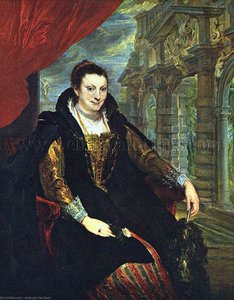
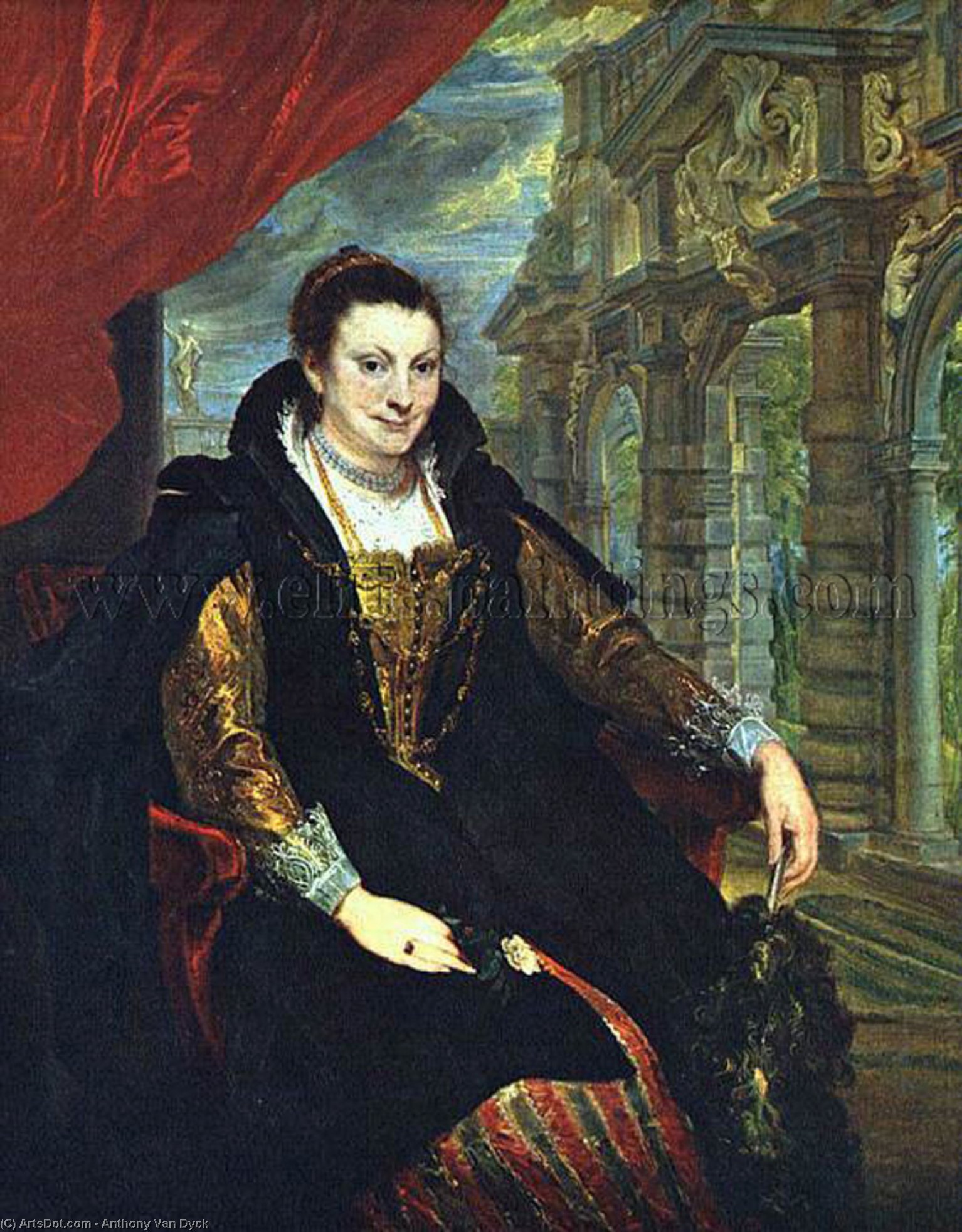
Isabella Brandt


 Weiterlesen
Handgefertigte Ölreproduktion
Handgemaltes Ölgemälde auf Leinwand in Ihrer Wunschgröße und mit Rahmen, auf Bestellung von unseren Künstlern angefertigt. ( Druck bestellen Bild kaufen)




P118B $10

P118H $10

P118W $10

P438Z $10

P508JH $12

P508YH $12

P805H $10

P805Z $10

P919BZ $10

P919G $10

P919XJ $10

P959ZH $10

P968JZ $12

W106C $8

W218G $10

W218JH $8

W218Y $10

W307PJ $10

W316G $10

W316PJ $8

W316Y $10

W398PJ $8

W4111J $10

W500HY $15

W500JH $15

W692G $12

W849H $8

W940BG $15

W953PJ $8




Wählen Sie aus unseren vordefinierten Formaten, die den ursprünglichen Proportionen des Kunstwerks entsprechen.

Sie können Ihre eigenen Maße eingeben, um einen bestimmten Rahmen oder Platz auszufüllen. Wenn die gewählte Größe nicht den Proportionen des Originalbildes entspricht, werden wir das Kunstwerk entweder beschneiden oder das Gemälde durch zusätzliche, handgemalte Elemente erweitern. Ein digitales Mockup wird Ihnen zur Genehmigung zugesandt, bevor die Produktion beginnt.
Bitte beachten Sie, dass die Bildschirmvorschau nicht die tatsächliche Beschneidung oder Erweiterung widerspiegelt. Nur das Mockup zeigt die endgültige Komposition exakt an.
Obwohl Sondermaße verfügbar sind, empfehlen wir, eine Größe aus der vordefinierten Liste zu wählen, um die ursprünglichen Proportionen beizubehalten.
Nach der Bestellung wird das ArtsDot.com-Team dem Kunden Anweisungen per E-Mail zusenden und eine Mockup-Vorschau bereitstellen.
Weltweiter Versand () in nur 3 bis 4 Wochen statt der üblichen 5 Wochen. (20 August). Keine Kompromisse bei der Qualität.

Kostenloser weltweiter Expressversand

Hochwertige Leinenleinwand

Umfassender Versicherungsschutz beim Versand

Zollgebühren-Rückerstattungsgarantie

Garantie für exakte Farbtreue

60 Tage Rückgaberecht (nur bei Mängeln)

100% Geld-zurück-Garantie

Mengenrabatt verfügbar
 Die Glasoption ist nur für Größen unter 110 cm verfügbar.

Isabella Brandt
Art der Reproduktion
Format der Reproduktion
-


Gesamtpreis
$ 263
Beschreibung des Kunstwerks
Ein Meisterwerk der Barockzeit: Isabella Brandt von Anthony van Dyck
Die National Gallery of Art in Washington, D.C., beherbergt ein außergewöhnliches Gemälde des niederländischen Künstlers Anthony van Dyck – „Isabella Brandt“, entstanden im Jahr 1621. Dieses Werk ist ein beeindruckendes Beispiel für die Kunst des Barock und verkörpert Van Dycks außergewöhnliche Fähigkeit, die Essenz seiner Modelle einzufangen. Es handelt sich um eine Ölmalerei auf Leinwand, deren Detailreichtum und kompositorische Gestaltung Besucher weltweit faszinieren lassen.Komposition und Darstellung
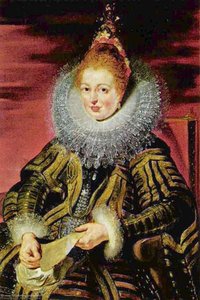
Das Gemälde zeigt Isabella Brandt elegant auf einem Stuhl sitzend dargestellt. Ihr schwarzes Kleid wird durch einen goldenen Überzug betont und unterstreicht ihre Würde. Ein weißer Kragen und eine Halskette verleihen ihr zusätzliche Eleganz. Der Hintergrund besteht aus zwei Säulen, die eine beeindruckende Architekturstruktur schaffen und dem Gesamtbild Tiefe verleihen. Eine rote Vorhangwand sorgt für Farbe und Wärme und verstärkt den Gesamteindruck des Gemäldes. Van Dyck achtete auf eine ausgewogene Komposition, die sowohl Würde als auch Einfachheit widerspiegelt – ein Zeichen seiner künstlerischen Sensibilität.Der Stil und Einfluss von Anthony van Dyck
Van Dycks Werk zeichnet sich durch seine Verwendung von lebhaften Farben und dramatischem Licht aus, was besonders deutlich im Gemälde „Isabella Brandt“ zum Ausdruck kommt. Sein Stil hatte einen enormen Einfluss auf die Kunstgeschichte und inspirierte zahlreiche Künstler nach ihm. Er gilt als einer der bedeutendsten Portraitisten seiner Zeit und wird für sein außergewöhnliches Können gefeiert. Die Verwendung von dramatischem Licht und Farbe ist ein zentrales Element seines künstlerischen Ansatzes und spiegelt sich auch in anderen Werken wieder, wie beispielsweise „Genoese Noblewoman mit ihrer Son“ und „Philip, Fourth Lord Wharton“, die ebenfalls im Besitz der National Gallery of Art sind. Diese Werke zeigen eine ähnliche Leidenschaft für Ausdrucksstärke und Detailtreue.Historischer Kontext und Bedeutung
„Isabella Brandt“ wurde zu Beginn des 17. Jahrhunderts von Anthony van Dyck geschaffen und spiegelt den Höhepunkt der europäischen Kunst wider. Die Darstellung einer jungen Dame im Dienste ihrer Familie unterstreicht die gesellschaftliche Bedeutung dieser Zeit und zeigt gleichzeitig Van Dycks Fähigkeit, eine bestimmte Persönlichkeit auf beeindruckende Weise einzufangen. Das Gemälde ist ein Schlüsselwerk des Barock und wird bis heute für seine Schönheit und künstlerische Qualität bewundert. Es erinnert uns daran, wie Kunst Geschichte erzählen und Emotionen hervorrufen kann – eine Botschaft, die auch heute noch relevant ist.Technische Umsetzung und Besonderheiten
Die Ölmalerei auf Leinwand wurde mit außergewöhnlicher Präzision und Sorgfalt ausgeführt. Van Dyck verwendete verschiedene Techniken, um Licht und Schatten zu nutzen und eine beeindruckende Tiefenschichtung zu erreichen. Dabei setzte er auf eine Kombination aus verschiedenen Farbtechniken und arbeitete mit einer hohen Detailtreue. Diese technische Umsetzung trägt maßgeblich zum Gesamtwirkung des Gemäldes bei und unterstreicht die außergewöhnliche Kunstfertigkeit von Anthony van Dyck. Eine hochwertige Reproduktion ermöglicht es Ihnen, dieses Meisterwerk auch außerhalb eines Museums zu erleben und seine Schönheit und Geschichte für sich selbst zu entdecken.Ähnliche Kunstwerke

Über den Künstler
A Flemish Master at the Courts of Europe
Sir Anthony van Dyck, born in Antwerp in 1599, emerged as one of the most celebrated and influential portraitists of the Baroque era. His life, though tragically cut short at just forty-two years old, was a whirlwind of artistic exploration and prestigious commissions that took him from his native Flanders to Italy and ultimately to the heart of the English court. From an early age, van Dyck displayed remarkable talent, entering Hendrick van Balen’s workshop as a young apprentice and quickly absorbing the prevailing styles of the time. However, it was his association with Peter Paul Rubens – not merely as a student but as a collaborator – that truly shaped his artistic foundation. He learned from Rubens' dynamic compositions, rich color palettes, and masterful handling of light and shadow, yet van Dyck soon began to forge his own distinct path, one characterized by an elegance and refinement that would become his signature.Italian Sojourns and the Birth of a Style
The years van Dyck spent in Italy, beginning around 1621, proved pivotal in his artistic development. He resided primarily in Genoa, where he found favor among the city’s aristocratic families. It was here that he began to cultivate the sophisticated style for which he would become renowned – a style marked by graceful poses, luxurious fabrics, and an almost palpable sense of nobility. Unlike the robust energy often found in Rubens' work, van Dyck’s Italian portraits exude a refined composure, capturing not just physical likeness but also the inner character and social standing of his sitters. During this period, he embarked on his *Iconography*, a series of meticulously rendered portrait etchings featuring prominent figures of his time – artists, scholars, and rulers alike. This project showcased his exceptional technical skill and established him as a leading printmaker. These etchings weren’t simply records; they were carefully constructed images designed to immortalize the subjects and convey their status and intellect. He experimented with innovative techniques—dramatic lighting, sweeping gestures, and carefully chosen backgrounds —to create images that were both visually stunning and politically charged.The King's Painter: Van Dyck in England
In 1632, van Dyck received an invitation that would forever alter his career trajectory – a summons from Charles I of England to become the court painter. This appointment marked a turning point, not only for van Dyck but also for English portraiture. He arrived in London with a considerable reputation and quickly became indispensable to the king, tasked with creating images that projected an aura of power, majesty, and divine right. Van Dyck’s portraits of Charles I are particularly noteworthy; he moved away from the stiff, formal representations favored by earlier artists, instead portraying the king as a dynamic, charismatic leader. He employed innovative techniques – dramatic lighting, sweeping gestures, and carefully chosen backgrounds – to create images that were both visually stunning and politically charged. His influence extended beyond the royal family, shaping the visual culture of the English aristocracy for generations to come. He didn’t just paint portraits; he crafted an image of kingship, influencing how royalty was perceived for over a century.Legacy and Enduring Influence
Van Dyck's untimely death in 1641 robbed the art world of a prodigious talent, but his legacy endures to this day. His impact on English portraiture is immeasurable; he established a standard of elegance and sophistication that subsequent artists would strive to emulate. He was recognized as one of the foremost painters of his time—a true innovator who reshaped artistic conventions.- Technical Innovation: He mastered both oil painting and etching, constantly experimenting with new techniques.
- Stylistic Refinement: His portraits are characterized by their graceful poses, luxurious fabrics, and subtle psychological insights.
- Courtly Influence: He transformed the image of the English monarchy, creating a visual language of power and prestige.
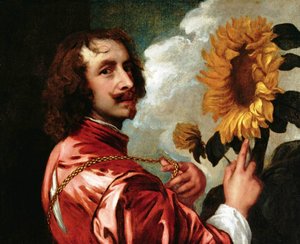
Sir Anthony van Dyck
1599 - 1641 , Belgien
Kurzinfos
- Artistic Movement Or Style: Barock
- Artists Who Influenced This Artist: ['Peter Paul Rubens']
- Date Of Birth: 22 März 1599
- Full Name: Sir Anthony van Dyck
- Nationality: Flämisch
- Notable Artworks:
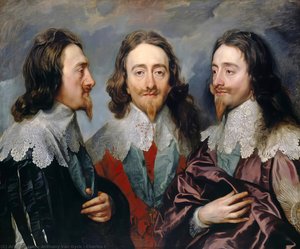
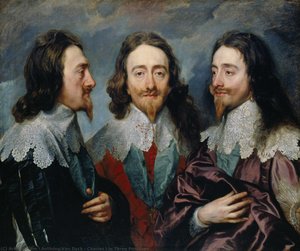
- Charles I in Drei Positionen
- Rinaldo und Armida
- Portrait von Nicolaes van der Borght
- Place Of Birth: Antwerpen, Belgien
Ähnliche Artikel

Die Top 10 berühmter Gemälde im Reich der dunklen Töne |
Entdecken Sie die Top 10 berühmter Gemälde, beherrscht von dunklen Tönen! Von Caravaggio bis Manet – erfahren Sie die Geschichten hinter Meisterwerken der Kunstgeschichte. Finden Sie Ihre perfekte Reproduktion auf .

The Magic of Gold Leaf: Unveiling the Sacred Art of Byzantine & Renaissance Gilding
Explore the transcendent beauty of gold leaf in Byzantine and Renaissance art. Discover how ancient gilding techniques created a celestial glow that continues to inspire luxury interiors and fine art collectors today.
Golden Glow: How to Use Metallic Gold Artworks to Elevate Your Home Decor with Timeless Luxury
Discover how to elevate your home with the timeless elegance of metallic gold artworks. From sculptural metal pieces to gilded oil paintings, learn expert interior design tips for integrating luxurious gold accents into your space with sophistication and grace.

Barocke Pracht: Wie Sie Opulenz und Emotionen in zeitgenössische Innenräume bringen
Entdecken Sie die Pracht des Barock! Expertenratgeber für luxuriöse Innenräume mit barocken Elementen. Inspiration, Tipps & hochwertige Kunst bei .

The Dramatic Flourish: Exploring the Baroque Movement's Enduring Legacy in Art History
Explore the dramatic world of Baroque art! Discover iconic artists like Caravaggio & Rubens, defining techniques, and its lasting impact on art history. Expert insights for collectors & enthusiasts at ArtsDot.