 Vorschau anzeigen
 Versenden
 Teilen
 Details anzeigen

 Herunterladen
 Ähnliche Objekte
 Röntgenaufnahme
 Diashow
 Statistiken
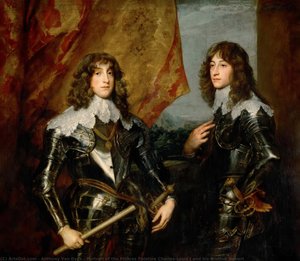
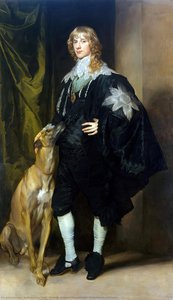
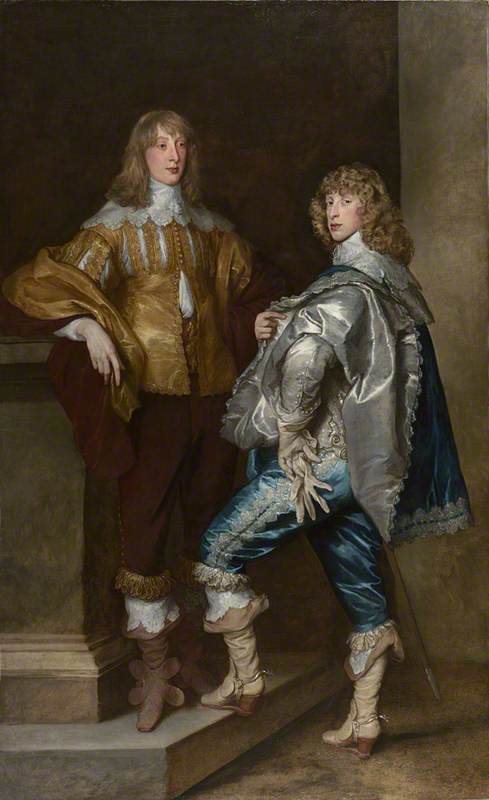
Lord John Stuart and his Brother, Lord Bernard Stuart
 Öl auf Leinwand
- Wandkunst
- Baroque
 1638
1638- – Frühe Neuzeit
 238.0 x 146.0 cm
 Weiterlesen
Handgefertigte Ölreproduktion
Handgemaltes Ölgemälde auf Leinwand in Ihrer Wunschgröße und mit Rahmen, auf Bestellung von unseren Künstlern angefertigt. ( Zu Druck wechseln Zum digitalen Bild wechseln)




P118B $10

P118H $10

P118W $10

P438Z $10

P508JH $12

P508YH $12

P805H $10

P805Z $10

P919BZ $10

P919G $10

P919XJ $10

P959ZH $10

P968JZ $12

W106C $8

W218G $10

W218JH $8

W218Y $10

W307PJ $10

W316G $10

W316PJ $8

W316Y $10

W398PJ $8

W4111J $10

W500HY $15

W500JH $15

W692G $12

W849H $8

W940BG $15

W953PJ $8




Wählen Sie aus unseren vordefinierten Formaten, die den ursprünglichen Proportionen des Kunstwerks entsprechen.

Sie können Ihre eigenen Maße eingeben, um einen bestimmten Rahmen oder Platz auszufüllen. Wenn die gewählte Größe nicht den Proportionen des Originalbildes entspricht, werden wir das Kunstwerk entweder beschneiden oder das Gemälde durch zusätzliche, handgemalte Elemente erweitern. Ein digitales Mockup wird Ihnen zur Genehmigung zugesandt, bevor die Produktion beginnt.
Bitte beachten Sie, dass die Bildschirmvorschau nicht die tatsächliche Beschneidung oder Erweiterung widerspiegelt. Nur das Mockup zeigt die endgültige Komposition exakt an.
Obwohl Sondermaße verfügbar sind, empfehlen wir, eine Größe aus der vordefinierten Liste zu wählen, um die ursprünglichen Proportionen beizubehalten.
Nach der Bestellung wird das ArtsDot.com-Team dem Kunden Anweisungen per E-Mail zusenden und eine Mockup-Vorschau bereitstellen.
Weltweiter Versand () in nur 3 bis 4 Wochen statt der üblichen 5 Wochen. (10 September). Keine Kompromisse bei der Qualität.

Kostenloser weltweiter Expressversand

Hochwertige Leinenleinwand

Umfassender Versicherungsschutz beim Versand

Zollgebühren-Rückerstattungsgarantie

Garantie für exakte Farbtreue

100-Tage-Rückgaberecht (nur bei Mängeln)

100% Geld-zurück-Garantie

Mengenrabatt verfügbar
 Die Glasoption ist nur für Größen unter 110 cm verfügbar.

Lord John Stuart and his Brother, Lord Bernard Stuart
Art der Reproduktion
Format der Reproduktion
-


Gesamtpreis
$ 263
The Grandeur of Courtly Portraiture
To gaze upon this portrait of Lord John Stuart and his Brother, Lord Bernard Stuart, is to step directly into the opulent, charged atmosphere of early seventeenth-century English court life. Sir Anthony van Dyck, a master whose brushstrokes seemed imbued with aristocratic grace, captures not merely two gentlemen, but an entire tableau of status, lineage, and carefully curated presentation. The composition itself speaks volumes; the figures are presented in richly colored costumes—one draped in striking blue accents, the other in vibrant yellow—suggesting both personal wealth and adherence to contemporary fashion dictates. They stand together, a portrait of fraternal connection set against the backdrop of a bustling social gathering, hinting at the intricate web of relationships that defined power during this era.
Van Dyck's Signature Elegance and Technique
Sir Anthony van Dyck’s genius lay in his ability to infuse monumental formality with an almost effortless naturalism. While the subject matter is inherently grand—a depiction meant for the highest echelons of society—the execution remains remarkably fluid. Observe the handling of the fabrics; the way the light catches the folds of the blue velvet or the sheen of the yellow silk speaks to a technical mastery that few could rival. Van Dyck, having absorbed the dynamism of Rubens while forging his own signature refinement, achieves a balance here: the formality required by portraiture is softened by an inherent elegance. The background, populated by indistinct figures engaged in various activities, serves not as mere filler, but as atmospheric context, grounding the central pair within a living moment.
A Glimpse into Baroque Society
Dating from 1638, this work is a magnificent artifact of the English Baroque period. It offers us an unparalleled window into the customs and visual language of the Stuart court. The inclusion of other figures in the background adds a layer of narrative depth; they are witnesses to the subjects' importance. These portraits were never simply about likeness; they were statements of identity, alliances, and enduring social standing. Owning or displaying a reproduction of this piece allows one to connect with that palpable sense of historical weight—the gravity and glamour of life lived under royal patronage.
Emotional Resonance for the Modern Collector
For the contemporary collector or designer, this painting offers more than just decorative beauty; it provides an emotional anchor to a time of profound cultural flourishing. The interplay between the two brothers suggests themes of brotherhood, shared destiny, and individual prominence within a unit. When considering a reproduction for your space, consider the impact of its rich palette—the deep blues juxtaposed with warm yellows create immediate visual drama. It is a piece that commands attention while simultaneously inviting closer inspection, rewarding the viewer with details in costume, gesture, and light all at once.
Ähnliche Kunstwerke
Über den Künstler
A Flemish Master at the Courts of Europe
Sir Anthony van Dyck, born in Antwerp in 1599, emerged as one of the most celebrated and influential portraitists of the Baroque era. His life, though tragically cut short at just forty-two years old, was a whirlwind of artistic exploration and prestigious commissions that took him from his native Flanders to Italy and ultimately to the heart of the English court. From an early age, van Dyck displayed remarkable talent, entering Hendrick van Balen’s workshop as a young apprentice and quickly absorbing the prevailing styles of the time. However, it was his association with Peter Paul Rubens – not merely as a student but as a collaborator – that truly shaped his artistic foundation. He learned from Rubens' dynamic compositions, rich color palettes, and masterful handling of light and shadow, yet van Dyck soon began to forge his own distinct path, one characterized by an elegance and refinement that would become his signature.Italian Sojourns and the Birth of a Style
The years van Dyck spent in Italy, beginning around 1621, proved pivotal in his artistic development. He resided primarily in Genoa, where he found favor among the city’s aristocratic families. It was here that he began to cultivate the sophisticated style for which he would become renowned – a style marked by graceful poses, luxurious fabrics, and an almost palpable sense of nobility. Unlike the robust energy often found in Rubens' work, van Dyck’s Italian portraits exude a refined composure, capturing not just physical likeness but also the inner character and social standing of his sitters. During this period, he embarked on his *Iconography*, a series of meticulously rendered portrait etchings featuring prominent figures of his time – artists, scholars, and rulers alike. This project showcased his exceptional technical skill and established him as a leading printmaker. These etchings weren’t simply records; they were carefully constructed images designed to immortalize the subjects and convey their status and intellect. He experimented with innovative techniques—dramatic lighting, sweeping gestures, and carefully chosen backgrounds —to create images that were both visually stunning and politically charged.The King's Painter: Van Dyck in England
In 1632, van Dyck received an invitation that would forever alter his career trajectory – a summons from Charles I of England to become the court painter. This appointment marked a turning point, not only for van Dyck but also for English portraiture. He arrived in London with a considerable reputation and quickly became indispensable to the king, tasked with creating images that projected an aura of power, majesty, and divine right. Van Dyck’s portraits of Charles I are particularly noteworthy; he moved away from the stiff, formal representations favored by earlier artists, instead portraying the king as a dynamic, charismatic leader. He employed innovative techniques – dramatic lighting, sweeping gestures, and carefully chosen backgrounds – to create images that were both visually stunning and politically charged. His influence extended beyond the royal family, shaping the visual culture of the English aristocracy for generations to come. He didn’t just paint portraits; he crafted an image of kingship, influencing how royalty was perceived for over a century.Legacy and Enduring Influence
Van Dyck's untimely death in 1641 robbed the art world of a prodigious talent, but his legacy endures to this day. His impact on English portraiture is immeasurable; he established a standard of elegance and sophistication that subsequent artists would strive to emulate. He was recognized as one of the foremost painters of his time—a true innovator who reshaped artistic conventions.- Technical Innovation: He mastered both oil painting and etching, constantly experimenting with new techniques.
- Stylistic Refinement: His portraits are characterized by their graceful poses, luxurious fabrics, and subtle psychological insights.
- Courtly Influence: He transformed the image of the English monarchy, creating a visual language of power and prestige.
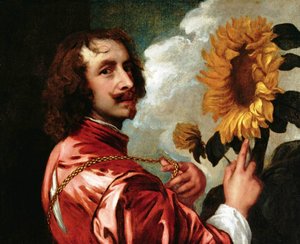
Sir Anthony van Dyck
1599 - 1641 , Belgien
Kurzinfos
- Artistic Movement Or Style: Barock
- Artists Who Influenced This Artist: ['Peter Paul Rubens']
- Date Of Birth: 22 März 1599
- Full Name: Sir Anthony van Dyck
- Nationality: Flämisch
- Notable Artworks:
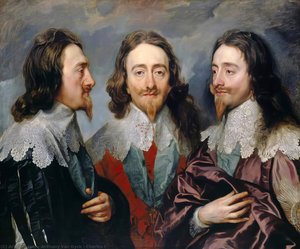
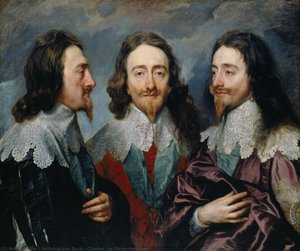
- Charles I in Drei Positionen
- Rinaldo und Armida
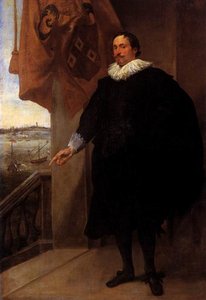
- Portrait von Nicolaes van der Borght
- Place Of Birth: Antwerpen, Belgien
Ähnliche Artikel
Meisterwerke des 17. Jahrhunderts: Kunst für Ihr Zuhause | ArtsDot
Entdecken Sie die 10 bedeutendsten Kunstwerke des 17. Jahrhunderts! Von Rembrandt bis Caravaggio – erleben Sie Barockmalerei, niederländische Meister & klassische Gemälde. Finden Sie Ihre perfekte Reproduktion auf ArtsDot.com.
The Grandeur of Baroque Portraiture: Power, Emotion & Artistic Innovation
Explore the grandeur of Baroque portraiture! Discover Rubens, Van Dyck & the masters of 17th-century art. Uncover symbolism, techniques & lasting influence. Expert insights for collectors and enthusiasts.

Rembrandts Meisterwerke: Die Top 25 Kunstwerke für Ihr Zuhause | ArtsDot
Entdecken Sie Rembrandts 25 berühmteste Kunstwerke! Tauchen Sie ein in die Welt des Barock, Licht und Schatten & historischer Porträts. Hochwertige Reproduktionen für Ihr Zuhause – jetzt auf ArtsDot.com!
Sir Anthony van Dyck: Hofmalerei und die Formung barocker Identität
Entdecken Sie das Werk von Sir Anthony van Dyck – Hofmaler Karls I. und Meister der Porträtkunst. Erfahren Sie mehr über seine Einflüsse, Techniken und den Wert seiner Gemälde für Sammler.
Charles-André van Loo: A Study in Rococo Portraiture & the French Court's Artistic Dynamics
Explore the elegant world of Charles-André van Loo, a master of Rococo portraiture at the French court. Discover his life, techniques, and enduring influence on 18th-century art. Hand-painted reproductions available.