

 Vorschau anzeigen
 Versenden
 Teilen
 Details anzeigen

 Herunterladen
 Ähnliche Objekte
 Röntgenaufnahme
 Diashow
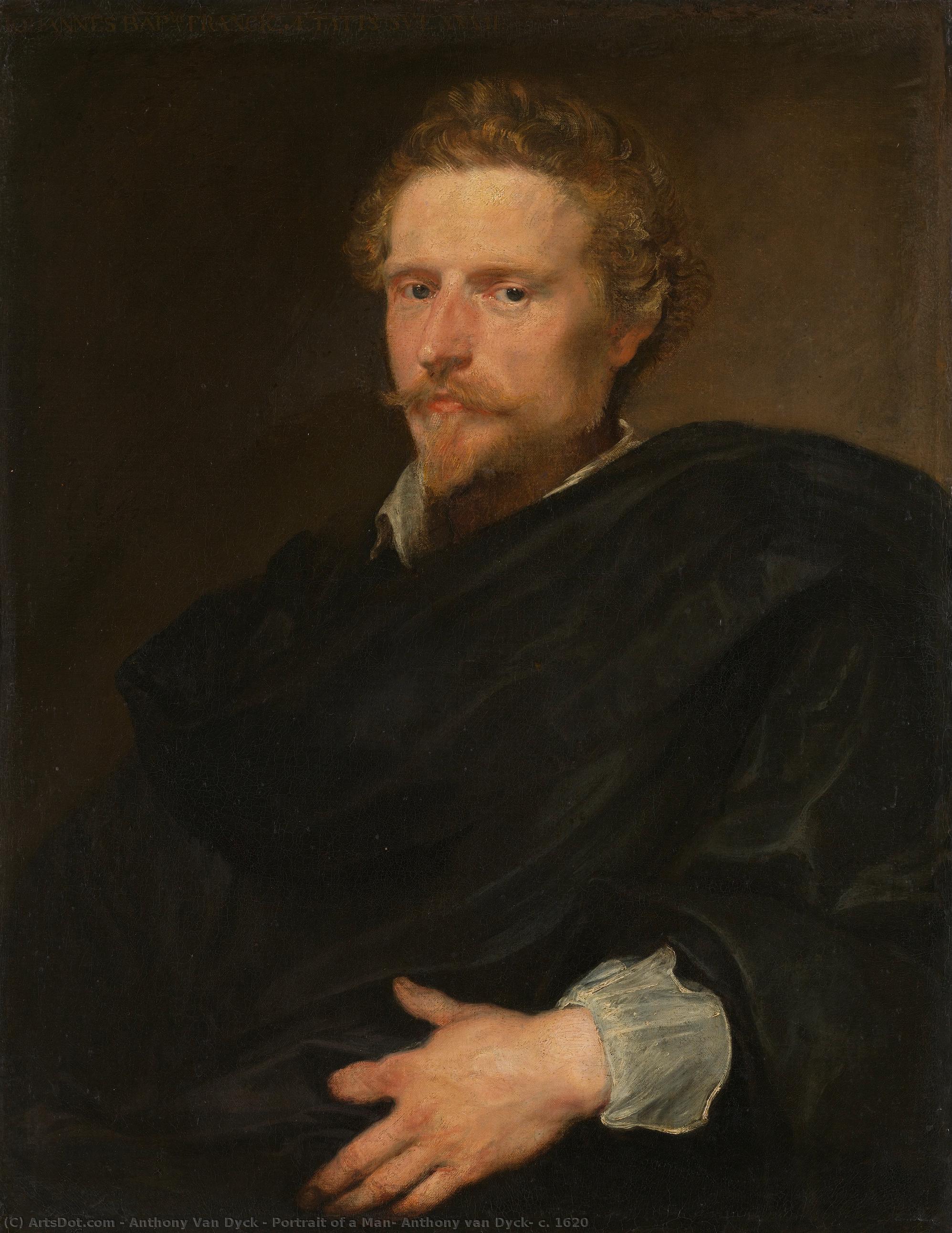
Portrait of a Man, Anthony van Dyck, c. 1620
 Oil On Canvas
- WallArt
- Baroque Portraiture
 1620
1620 75.0 x 59.0 cm
 Weiterlesen
Erwerben Sie ein hochauflösendes, optimiertes digitales Bild, das der Online-Vorschau weit überlegen ist.
Jede Datei wird von unseren hauseigenen Spezialisten mit modernsten Werkzeugen und fachmännischer manueller Retusche sorgfältig vorbereitet. Wir stellen sicher, dass jedes Bild eine außergewöhnliche Klarheit, präzise Farbgenauigkeit und feinste Details aufweist.
Die endgültige Datei wird innerhalb von 72 Stunden per E-Mail zugestellt und ist für den sofortigen Einsatz in professionellen, redaktionellen und Druckumgebungen optimiert. Es handelt sich um dieselbe Qualität, der führende Designstudios, Verlage und Galerien vertrauen.
Digitales Bild
Laden Sie eine hochauflösende Datei für die persönliche Präsentation, den Druck und kreative Projekte herunter. ( Druck bestellen Handgemalte Reproduktion bestellen)
In jeder Bestellung digitaler Bilder enthalten
Professionelle digitale Bereitstellung, garantiert
Wenn Sie sich für ArtsDot.com entscheiden, erhalten Sie nicht nur ein Bild – Sie erhalten ein professionell aufbereitetes digitales Kunstwerk, das mit höchster Präzision erstellt und durch eine Zufriedenheitsgarantie abgesichert wird. Hier ist alles, was automatisch mit Ihrer Bestellung geliefert wird:

Schnelle E-Mail-Zustellung
Ihre hochauflösende digitale Bilddatei wird Ihnen innerhalb von 72 Stunden nach der Bestellung per E-Mail zugestellt – bereit zur sofortigen Verwendung.

KI-optimierte digitale Datei
Ihre Kunstwerke werden professionell mithilfe fortschrittlicher KI-Tools und manueller Bearbeitung optimiert, um maximale Detailtreue, Klarheit und Farbgenauigkeit zu gewährleisten.

Lebenslanger kostenloser Neudruckservice
Datei versehentlich gelöscht oder verloren? Keine Sorge – wir senden sie Ihnen jederzeit kostenlos erneut zu.

Keine Einfuhrgebühren – jemals
Genießen Sie Ihr Kunstwerk sofort ohne Zollgebühren, Einfuhrabgaben oder Versandkosten – digitale Downloads sind immer steuerfrei.

Garantierte Farbtreue
Wir garantieren, dass Ihr digitales Bild mithilfe professioneller Werkzeuge und Farbmanagement die Originalfarben so präzise wie möglich wiedergibt.

60-Tage-Zufriedenheitsgarantie
Sollten Sie mit Ihrem digitalen Bild nicht zufrieden sein, werden wir es überarbeiten oder Ihnen innerhalb von 60 Tagen 100% erstatten – ohne Wenn und Aber.

100% Geld-zurück-Garantie
Nicht zufrieden? Erhalten Sie innerhalb von 60 Tagen nach Erhalt Ihrer digitalen Datei eine vollständige Rückerstattung – ohne Angabe von Gründen.

Rabatte bei Großbestellungen
3 Bilder kaufen, 10% sparen – 5 Bilder kaufen, 15% sparen – Ab 10 Bildern 20% sparen. Ideal für kreative Projekte, Galerien und Agenturen.
Details zum Sammlerstück
Portrait of a Man, Anthony van Dyck – A Window into Antwerp’s Golden Age
- A Masterful Portrait from the Heart of the Baroque
- Sir Anthony van Dyck’s ‘Portrait of a Man,’ circa 1620, offers a captivating glimpse into the artistic landscape of Antwerp during its golden age. Executed by one of Europe's most celebrated portraitists, this painting transcends mere representation; it embodies the elegance, sophistication, and burgeoning confidence that defined the era.
- This meticulously crafted reproduction captures the essence of Van Dyck’s distinctive style – a harmonious blend of Rubensian dynamism with an unparalleled sensitivity to form and light. Measuring 75 x 59 cm, it's a scale perfectly suited for both intimate contemplation and integration into diverse interior design schemes.
Unraveling the Layers: Technique and Materials
- The canvas itself bears the marks of its creation – glue-lining, tacking edges, and a ground likely composed of white pigment overlaid with a subtle yellow imprimatura. These details speak to Van Dyck’s meticulous approach, revealing a deliberate layering of color and texture that contributes significantly to the painting's depth.
- The presence of ‘dead coloring,’ particularly in the face and hand, suggests the use of thin glazes – a hallmark of Baroque technique – allowing for nuanced gradations of tone and an almost luminous quality. The potential discovery of a millstone ruff beneath the chin adds another layer of intrigue to the painting’s history, hinting at a later restoration or alteration.
- The dark treatment of the cloak remains partially enigmatic, awaiting further cleaning to fully reveal its original hue. This uncertainty only serves to heighten the sense of historical mystery surrounding the work.
A Man of Intrigue: Identity and Context
- The sitter’s identity remains tantalizingly elusive, though scholarly debate has centered around figures like Jan Baptist Franck or even a ‘G. Franck,’ the director of the Antwerp Academy. This ambiguity adds to the painting's allure, inviting viewers to project their own interpretations onto the subject’s face.
- Dating the portrait primarily to Van Dyck’s first Antwerp period (c. 1613-1620), and with some support from Glück and Schaeffer, this work represents a pivotal moment in the artist's development – a departure from the influence of his mentor, Peter Paul Rubens, towards a more distinctly personal style.
- The painting’s composition—a bust-length portrait reminiscent of a piece within the Koninklijke Musea voor Schone Kunsten van België—further illuminates Van Dyck's artistic trajectory and his exploration of formal conventions during this crucial phase of his career.
Symbolism and Emotional Resonance
- The subject’s serious expression, combined with the formality of his attire – a black shirt indicative of the period – evokes a sense of dignified contemplation. The dark background amplifies the figure's presence, drawing the viewer's eye directly to his face and creating an atmosphere of quiet intensity.
- Van Dyck’s masterful use of light and shadow not only defines the sitter’s features but also imbues the portrait with a subtle emotional weight. The painting speaks to themes of status, identity, and perhaps even introspection – inviting us to consider the man behind the image.
A Timeless Acquisition for Your Collection
This hand-painted reproduction offers an unparalleled opportunity to own a piece of art history. Whether adorning your wall, gracing a corporate space, or serving as a thoughtful gift, this ‘Portrait of a Man’ by Sir Anthony van Dyck will undoubtedly become a treasured centerpiece.
Ähnliche Kunstwerke
Biografie des Künstlers
A Flemish Master at the Courts of Europe
Sir Anthony van Dyck, born in Antwerp in 1599, emerged as one of the most celebrated and influential portraitists of the Baroque era. His life, though tragically cut short at just forty-two years old, was a whirlwind of artistic exploration and prestigious commissions that took him from his native Flanders to Italy and ultimately to the heart of the English court. From an early age, van Dyck displayed remarkable talent, entering Hendrick van Balen’s workshop as a young apprentice and quickly absorbing the prevailing styles of the time. However, it was his association with Peter Paul Rubens – not merely as a student but as a collaborator – that truly shaped his artistic foundation. He learned from Rubens' dynamic compositions, rich color palettes, and masterful handling of light and shadow, yet van Dyck soon began to forge his own distinct path, one characterized by an elegance and refinement that would become his signature.Italian Sojourns and the Birth of a Style
The years van Dyck spent in Italy, beginning around 1621, proved pivotal in his artistic development. He resided primarily in Genoa, where he found favor among the city’s aristocratic families. It was here that he began to cultivate the sophisticated style for which he would become renowned – a style marked by graceful poses, luxurious fabrics, and an almost palpable sense of nobility. Unlike the robust energy often found in Rubens' work, van Dyck’s Italian portraits exude a refined composure, capturing not just physical likeness but also the inner character and social standing of his sitters. During this period, he embarked on his *Iconography*, a series of meticulously rendered portrait etchings featuring prominent figures of his time – artists, scholars, and rulers alike. This project showcased his exceptional technical skill and established him as a leading printmaker. These etchings weren’t simply records; they were carefully constructed images designed to immortalize the subjects and convey their status and intellect. He experimented with innovative techniques—dramatic lighting, sweeping gestures, and carefully chosen backgrounds —to create images that were both visually stunning and politically charged.The King's Painter: Van Dyck in England
In 1632, van Dyck received an invitation that would forever alter his career trajectory – a summons from Charles I of England to become the court painter. This appointment marked a turning point, not only for van Dyck but also for English portraiture. He arrived in London with a considerable reputation and quickly became indispensable to the king, tasked with creating images that projected an aura of power, majesty, and divine right. Van Dyck’s portraits of Charles I are particularly noteworthy; he moved away from the stiff, formal representations favored by earlier artists, instead portraying the king as a dynamic, charismatic leader. He employed innovative techniques – dramatic lighting, sweeping gestures, and carefully chosen backgrounds – to create images that were both visually stunning and politically charged. His influence extended beyond the royal family, shaping the visual culture of the English aristocracy for generations to come. He didn’t just paint portraits; he crafted an image of kingship, influencing how royalty was perceived for over a century.Legacy and Enduring Influence
Van Dyck's untimely death in 1641 robbed the art world of a prodigious talent, but his legacy endures to this day. His impact on English portraiture is immeasurable; he established a standard of elegance and sophistication that subsequent artists would strive to emulate. He was recognized as one of the foremost painters of his time—a true innovator who reshaped artistic conventions.- Technical Innovation: He mastered both oil painting and etching, constantly experimenting with new techniques.
- Stylistic Refinement: His portraits are characterized by their graceful poses, luxurious fabrics, and subtle psychological insights.
- Courtly Influence: He transformed the image of the English monarchy, creating a visual language of power and prestige.
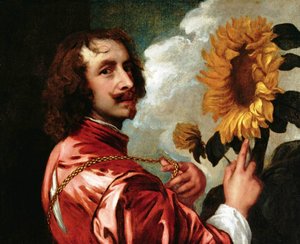
Sir Anthony van Dyck
1599 - 1641 , Belgien
Kurzinfos
- Artistic Movement Or Style: Barock
- Artists Who Influenced This Artist: ['Peter Paul Rubens']
- Date Of Birth: 22 März 1599
- Full Name: Sir Anthony van Dyck
- Nationality: Flämisch
- Notable Artworks:
- Charles I in Drei Positionen
- Rinaldo und Armida
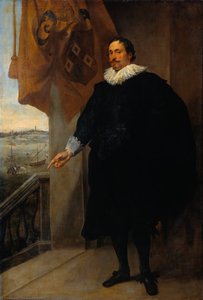
- Portrait von Nicolaes van der Borght
- Place Of Birth: Antwerpen, Belgien

