

 Vorschau anzeigen
 Versenden
 Teilen
 Details anzeigen

 Herunterladen
 Ähnliche Objekte
 Röntgenaufnahme
 Diashow
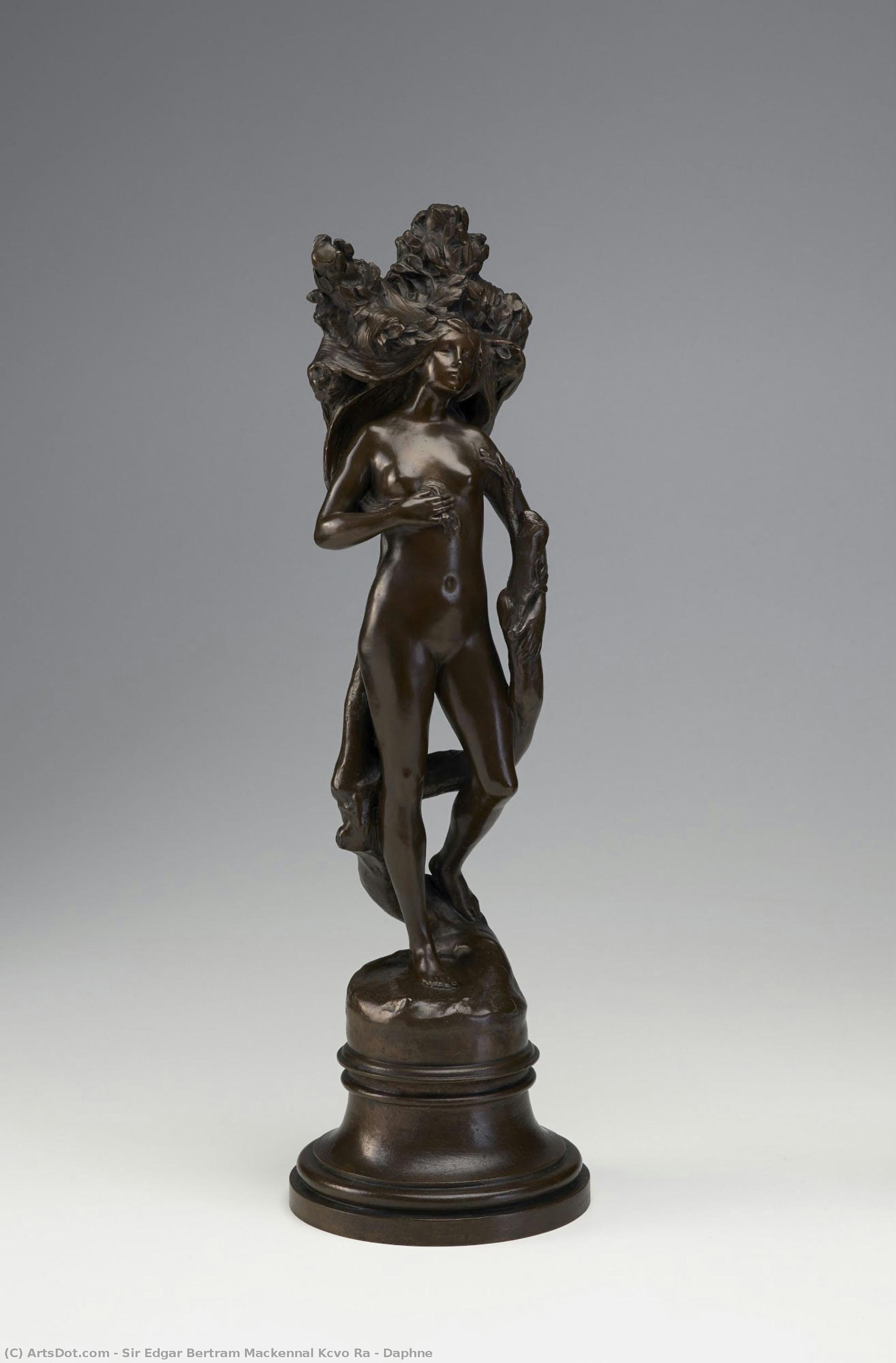
Daphne
 Art Nouveau
 1897
1897 50.0 x 15.0 cm
 Art Gallery of New South Wales
 Weiterlesen
Giclée / Kunstdruck
Giclée- oder Leinwanddruck in Museumsqualität mit schneller Produktion und flexiblen Veredelungsoptionen. ( Handgemalte Reproduktion bestellen Bild kaufen)




P118B $10

P118H $10

P118W $10

P438Z $10

P508JH $12

P508YH $12

P805H $10

P805Z $10

P919BZ $10

P919G $10

P919XJ $10

P959ZH $10

P968JZ $12

W106C $8

W218G $10

W218JH $8

W218Y $10

W307PJ $10

W316G $10

W316PJ $8

W316Y $10

W398PJ $8

W4111J $10

W500HY $15

W500JH $15

W692G $12

W849H $8

W940BG $15

W953PJ $8




Wählen Sie aus unseren vordefinierten Formaten, die den ursprünglichen Proportionen des Kunstwerks entsprechen.

Sie können Ihre eigenen Maße eingeben, um ein bestimmtes Format oder einen speziellen Platz einzupassen. Wenn das von Ihnen gewählte Format nicht den Proportionen des Originalbildes entspricht, werden wir das Kunstwerk entweder beschneiden oder das Bild mit einem gespiegelten oder einfarbigen Rand erweitern. Ein digitaler Entwurf wird Ihnen zur Genehmigung zugesandt, bevor die Produktion beginnt.
Bitte beachten Sie, dass die Vorschau auf dem Bildschirm nicht den tatsächlichen Zuschnitt oder die Erweiterung widerspiegelt. Nur der Entwurf zeigt die endgültige Komposition präzise an.
Obwohl Sondermaße verfügbar sind, empfehlen wir die Auswahl eines Maßes aus der vordefinierten Liste, um die ursprünglichen Proportionen zu bewahren.
Weltweiter Versand () innerhalb von 2 Wochen statt der üblichen 4/5 Wochen. (7 September)

Kostenloser weltweiter Expressversand

Hochwertige Leinenleinwand

Umfassender Versicherungsschutz beim Versand

Zollgebühren-Rückerstattungsgarantie

Garantie für exakte Farbtreue

100-Tage-Rückgaberecht (nur bei Mängeln)

100% Geld-zurück-Garantie

Mengenrabatt verfügbar
 Die Glasoption ist nur für Größen unter 110 cm verfügbar.

Daphne
Giclée / Kunstdruck
Format der Reproduktion
-


Gesamtpreis
$ 62
A Moment of Transformation: Exploring Bertram Mackennal’s “Daphne”
Bertram Mackennal's 1897 bronze sculpture, "Daphne," is more than a depiction of a classical myth; it’s a profound meditation on metamorphosis, desire, and the delicate balance between earthly beauty and ethereal grace. Born in Melbourne, Australia, during a period of intense artistic exchange between Europe and its colonies, Mackennal skillfully blended the influences of Symbolism, Neo-Classicism, and the burgeoning New Sculpture movement to create a work that continues to resonate with viewers today. The sculpture’s enduring appeal lies not just in its technical mastery but also in its ability to evoke a powerful emotional response – a sense of both vulnerability and defiant beauty.
The subject matter itself—the myth of Daphne fleeing Apollo's pursuit—is rich with symbolism. Daphne, transformed into a laurel tree to escape the god’s ardent affections, represents a rejection of forced intimacy and an assertion of self-preservation. Apollo, in turn, embodies relentless desire, forever chasing an unattainable ideal. Mackennal doesn’t simply illustrate this narrative; he captures the *feeling* of Daphne's flight – the urgency, the terror, yet also a strange sense of liberation. The artist masterfully translates the abstract concept of transformation into a tangible form, inviting us to contemplate the nature of change and the choices we make in response to overwhelming forces.
Crafting Bronze: Technique and Materiality
Mackennal’s technical skill is immediately apparent in the sculpture's exquisite detail. Executed using the traditional lost-wax casting technique, a process demanding immense patience and precision, “Daphne” showcases a remarkable understanding of bronze as a material. The artist skillfully manipulated the surface to create a dynamic interplay of light and shadow, emphasizing the figure’s sinuous curves and the flowing drapery. Note the subtle variations in texture – the polished smoothness of her skin contrasting with the rougher, more textured areas of the tree-like branches that emerge from her form. This textural richness not only adds realism but also contributes to the sculpture's overall sense of movement and vitality.
The choice of bronze itself is significant. Bronze possesses a timeless quality, lending the sculpture an air of permanence and gravitas. It’s a material that has been used for centuries to depict figures of power and beauty, and Mackennal clearly understands its expressive potential. The warm, earthy tones of the bronze further enhance the sculpture's emotional impact, evoking feelings of both strength and vulnerability.
A Fusion of Styles: Symbolism and Artistic Influences
“Daphne” exemplifies Mackennal’s engagement with multiple artistic currents. Drawing inspiration from the Neo-Classical tradition—evident in the sculpture's balanced composition, idealized forms, and classical references—he simultaneously incorporates elements of Art Nouveau, characterized by its flowing lines, organic motifs, and emphasis on decorative detail. The arabesque curves that define Daphne’s body and drapery are a clear homage to this influential style. Furthermore, Mackennal was influenced by the New Sculpture movement, which sought to break away from the rigid conventions of academic sculpture and embrace more expressive forms.
The sculpture's emotional depth is further enhanced by its connection to Symbolist philosophy, which explored themes of psychology, spirituality, and the subconscious. Mackennal’s depiction of Daphne’s transformation isn’t simply a literal representation of myth; it’s an exploration of inner states – fear, desire, liberation. The sculpture invites us to contemplate the complexities of human emotion and the transformative power of the imagination.
A Legacy of Beauty: “Daphne” in Context
Created during a period of rapid artistic innovation, “Daphne” stands as a testament to Bertram Mackennal’s exceptional talent and his ability to synthesize diverse influences. The sculpture's success reflected the growing appreciation for figurative sculpture within Australia and its increasing recognition on the international stage. Today, "Daphne" remains a captivating work of art, offering viewers a glimpse into a world of myth, emotion, and artistic brilliance. Its enduring appeal lies in its ability to transcend time and connect us with the timeless themes that have captivated artists and audiences for centuries.
Ähnliche Kunstwerke
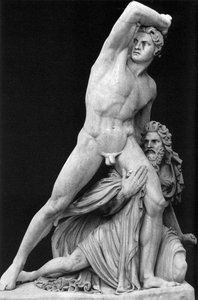
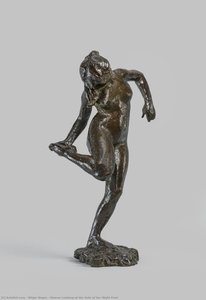
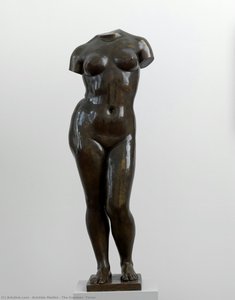
Über den Künstler
Early Life and Training
Sir Edgar Bertram Mackennal (1863–1931) wurde in Melbourne, Australien, als zweiter Sohn von John Simpson Mackennal (1832–1901), einem schottischen Einwanderer und Architekturskulptor, und Annabella Hyde geboren. Sein Vater förderte bei ihm früh eine Leidenschaft für die Bildhauerei und erkannte sein natürliches Talent und bot ihm von Anfang an wertvolle Ausbildung an. Bertrams frühe Jahre verbrachte er unter Anleitung seines Vaters und ließ sich dessen Prinzipien des Handwerks und der künstlerischen Visionen überzeugen, welche seinen zukünftigen Beruf prägten. Er setzte seine Ausbildung am Melbourne School of Art fort und entwickelte seine Fähigkeiten im Modellieren und Entwurf vor sich hin bevor er eine transformative Reise nach London im Jahr 1882 machte. Dort studierte er an den National Gallery Schools und tauchte in die aufkommende britische Bildhauertradition ein und begegnete einflussreichen Mentoren, welche seine künstlerischen Sensibilitäten prägten.London Years and Artistic Development
Nach seiner Ankunft in London gründete Mackennal gemeinsam mit seinen Kommilitonen Charles Douglas Richardson und Tom Roberts einen Atelier, der geistigen Austausch und kollaborative Experimente förderte. Diese formative Periode stellte ihm die avantgardistischen Strömungen des Impressionismus und Symbolismus vor und beeinflusste tiefgreifend seinen künstlerischen Stil. Er nahm aktiv teil an Ausstellungen bei der Royal Academy und präsentierte sein sich entwickelndes Werk – von monumentalen Skulpturen wie St Georges’ Chapel, Windsor – einem gemeinsamen Auftrag mit Sir Edwin Lutyens – bis hin zu kleineren, intimeren Arbeiten, die Themen der Mythologie und menschlicher Emotionen erforschten. Seine Hingabe zur Beherrschungstechnik und zum Erfassen nuancierter Gesichtsausdrücke festigte seinen Ruf als einer der führenden Bildhauer Großbritanniens.Notable Sculptures and Commissions
Mackennals produktive Produktion umfasste eine beeindruckende Bandbreite von Projekten – Erinnerungstempel, monumentale Skulpturen zur Ehrung königlicher Figuren (einschliesslich George V), dekorative Reliefs für öffentliche Gebäude und zahlreiche Porträts, die das Aussehen bedeutender Persönlichkeiten einfingen. Zu seinen bekanntesten Leistungen gehörte die Gestaltung der Münzen mit George V – ein Beweis für sein präzises Handwerk und seine künstlerische Vision – sowie die Erschaffung von ‘Circe’, einer beeindruckenden Darstellung eines mythologischen Figuren inspiriert von Gustave Moreaus Gemälden, welche bei der Paris Salon eine besondere Anerkennung erhielt. Diese Aufträge unterstrichen Mackennals Fähigkeit, konzeptionelle Ideen in greifbare Formen zu übersetzen und hinterließ einen nachhaltigen Eindruck auf die Landschaft der britischen Bildhauerei. ## Influence and Legacy Mackennal wurde 1909 zum Mitglied des Royal Academy ernannt und erhielt 1921 den Orden St. Edward Fürst von Viktorien KCVO für seine herausragenden Leistungen im Kunstbereich und Wissenschaft. Er blieb aktiv bis zu seinem Tod in London im Jahr 1931 und verfolgte weiterhin künstlerische Aktivitäten und betreute jüngere Bildhauer. Sein Einfluss erstreckte sich über sein eigenes Leben hinaus und prägte die ästhetischen Sensibilitäten nachfolgender Generationen und etablierte ihn als eine zentrale Figur des britischen Bildhauermovements – einer Bewegung, die sich durch ihre Akzeptanz von expressiver Realismus und Erforschung psychologischer Tiefe auszeichnete.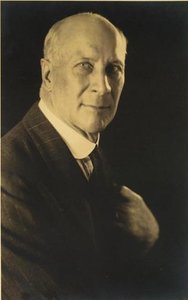
Edgar Bertram Mackennal
1863 - 1931 , Australien
Kurzinfos
- Artistic Movement Or Style: Symbolismus
- Artists Or Movements Influenced By This Artist: ['Rodin']
- Artists Who Influenced This Artist:
- Charles Douglas Richardson
- Tom Roberts
- Date Of Birth: 12 Juni 1863
- Date Of Death: 10 Oktobr 1931
- Full Name: Sir Edgar Bertram Mackennal KCVO RA
- Nationality: Australien
- Notable Artworks:
- Die Tänzerin
- Circe
- Place Of Birth: Melbourne, Australien
Ähnliche Artikel

Die 10 legendärsten Bronzestatuen: Meisterwerke, die Kunstgeschichte schrieben | ArtsDot
Entdecken Sie die 10 legendärsten Bronzestatuen der Kunstgeschichte! Von Rodin bis Michelangelo – erfahren Sie die Geschichten hinter ikonischen Skulpturen und finden Sie hochwertige Reproduktionen für Ihr Zuhause. Jetzt bei ArtsDot entdecken!

Bronze-Meisterwerke: Die 10 Skulpturen, die Kunstgeschichte schrieben | ArtsDot
Entdecken Sie die 10 legendärsten Bronze Skulpturen der Kunstgeschichte! Von Michelangelo bis Rodin – erfahren Sie die Geschichten hinter den Meisterwerken und lassen Sie sich von Wanddeko-Ideen inspirieren. Hochwertige Kunstdrucke auf ArtsDot.com.

The Enduring Legacy of Bronze: A Historical & Artistic Exploration for the Collector
Explore the rich history & enduring appeal of bronze sculpture with expert insights for collectors at ArtsDot. Learn about casting techniques, iconic artists, collecting tips & contemporary interpretations.
The Enduring Legacy of Bronze: History, Technique & Artistic Expression for the Collector
Explore the rich history & enduring appeal of bronze sculpture with expert insights for collectors at ArtsDot. Learn about casting techniques, iconic artists, and collecting tips.
The Enduring Legacy of Bronze Sculpture: A Collector's Guide to Form & Cultural Significance
Explore the rich history & enduring appeal of bronze sculpture with expert insights for collectors at ArtsDot. Learn about casting techniques, iconic artists, and collecting tips to build a discerning art collection.