

 Versenden
 Teilen
 Details anzeigen

 Herunterladen
 Ähnliche Objekte
 Diashow
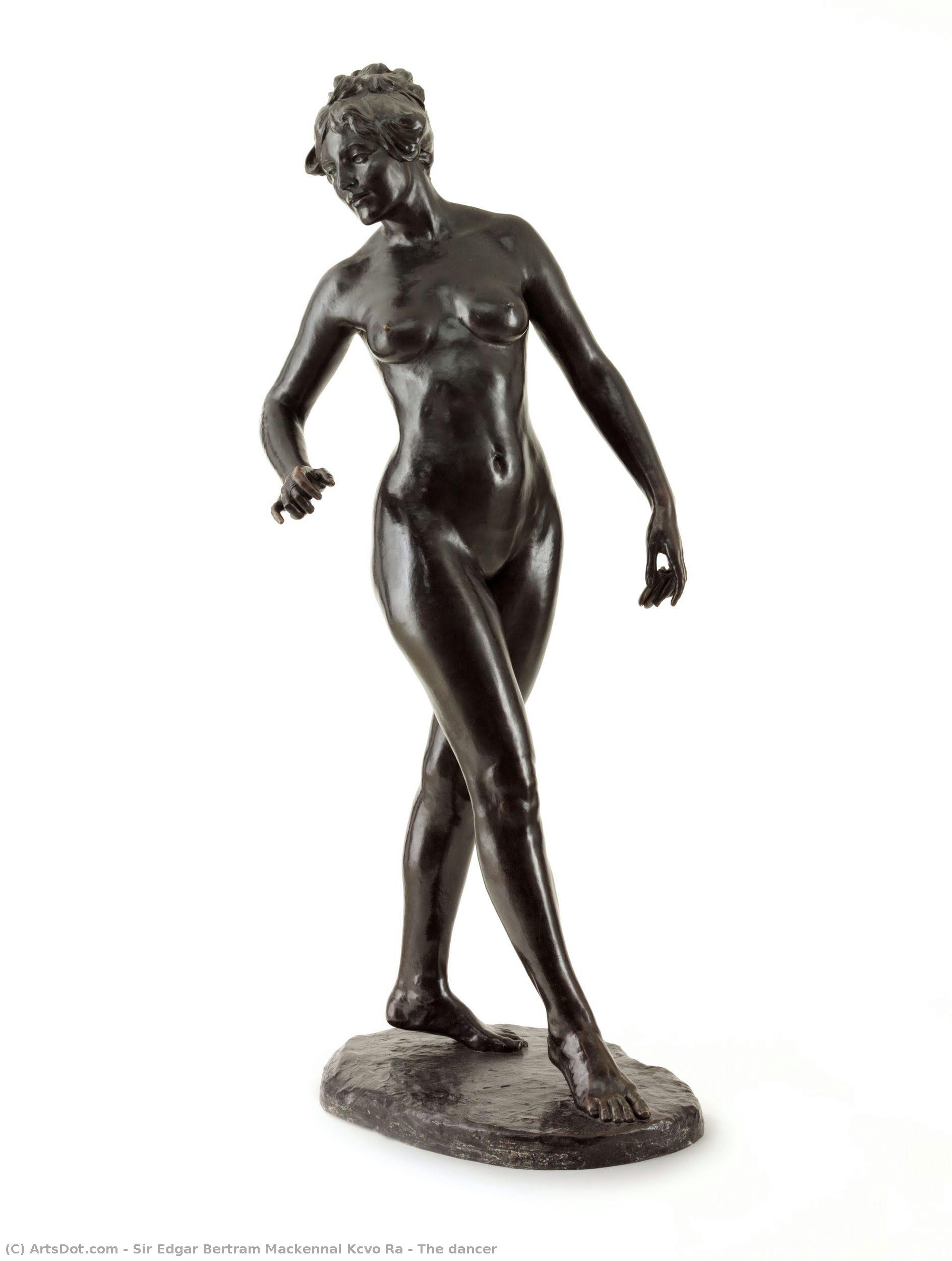
The dancer
 Bronze
- Sculpture
- Edwardian Style
 1904
1904 168.0 x 71.0 cm
 Art Gallery of New South Wales
 Weiterlesen
Giclée / Kunstdruck
Giclée- oder Leinwanddruck in Museumsqualität mit schneller Produktion und flexiblen Veredelungsoptionen. ( Handgemalte Reproduktion bestellen Bild kaufen)




































Wählen Sie aus unseren vordefinierten Formaten, die den ursprünglichen Proportionen des Kunstwerks entsprechen.

Sie können Ihre eigenen Maße eingeben, um ein bestimmtes Format oder einen speziellen Platz einzupassen. Wenn das von Ihnen gewählte Format nicht den Proportionen des Originalbildes entspricht, werden wir das Kunstwerk entweder beschneiden oder das Bild mit einem gespiegelten oder einfarbigen Rand erweitern. Ein digitaler Entwurf wird Ihnen zur Genehmigung zugesandt, bevor die Produktion beginnt.
Bitte beachten Sie, dass die Vorschau auf dem Bildschirm nicht den tatsächlichen Zuschnitt oder die Erweiterung widerspiegelt. Nur der Entwurf zeigt die endgültige Komposition präzise an.
Obwohl Sondermaße verfügbar sind, empfehlen wir die Auswahl eines Maßes aus der vordefinierten Liste, um die ursprünglichen Proportionen zu bewahren.
Weltweiter Versand () innerhalb von 2 Wochen statt der üblichen 4/5 Wochen. (7 September)

Kostenloser weltweiter Expressversand

Hochwertige Leinenleinwand

Umfassender Versicherungsschutz beim Versand

Zollgebühren-Rückerstattungsgarantie

Garantie für exakte Farbtreue

100-Tage-Rückgaberecht (nur bei Mängeln)

100% Geld-zurück-Garantie

Mengenrabatt verfügbar
 Die Glasoption ist nur für Größen unter 110 cm verfügbar.

The dancer
Giclée / Kunstdruck
Format der Reproduktion
-


Gesamtpreis
$ 62
A Moment Frozen in Grace: Bertram Mackennal’s “The Dancer”
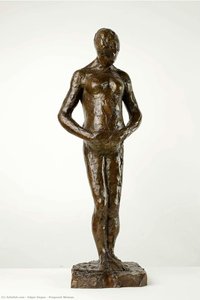
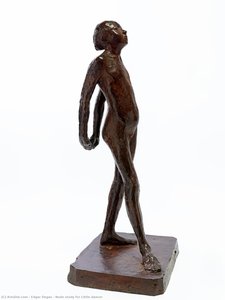
Sir Edgar Bertram Mackennal's "The Dancer," created in 1904, is more than just a bronze sculpture; it’s a captivating distillation of Edwardian elegance and the burgeoning spirit of modernism. This life-size masterpiece, currently residing within the esteemed collection of the Art Gallery of New South Wales, offers a profound glimpse into the artistic sensibilities of an Australian expatriate who achieved international acclaim. Mackennal, born in Melbourne and trained initially by his father, a skilled architectural modeller, possessed a rare ability to capture movement and emotion with remarkable realism – a quality that resonated deeply with audiences and critics alike during his prolific career.
The sculpture depicts a female dancer caught mid-pirouette, her body a study in fluid curves and dynamic tension. She holds Spanish castanets aloft, a subtle nod to the vibrant cultural influences of the era—a period marked by increased international exchange and fascination with Iberian traditions. Mackennal’s choice of subject matter wasn't merely decorative; it reflected a broader artistic trend towards celebrating the beauty of the human form and exploring themes of movement, sensuality, and grace. The pose itself is remarkably poised – not overtly provocative, but imbued with an undeniable sense of power and control.
Crafting Movement: Technique and Material
Mackennal’s technical mastery is immediately apparent in the sculpture's remarkable detail and expressive modelling. Executed in bronze using the lost-wax casting process—a technique that allowed for intricate detailing and a rich, textured surface—the work showcases his deep understanding of form and material. The artist skillfully manipulated the wax model to capture the subtle nuances of muscle movement and weight distribution, translating these observations into the enduring solidity of bronze. Note the careful rendering of the castanets, their delicate curves mirroring the dancer’s own graceful gestures. The patina applied to the bronze—a dark, earthy tone—further enhances the sculpture's visual impact, adding depth and a sense of age and history.
The choice of bronze itself is significant. It was a favored material for sculptors during this period, prized for its durability, ability to capture fine detail, and capacity to achieve a rich, lustrous surface. Mackennal’s use of the lost-wax method ensured that every line and contour of the dancer's form was meticulously rendered, contributing to the sculpture’s overall sense of realism and dynamism.
Symbolism and Context: An Edwardian Vision
"The Dancer" is firmly rooted in the artistic currents of its time. The late 19th and early 20th centuries witnessed a shift away from rigid academic styles towards greater freedom of expression and a renewed interest in classical forms—particularly those associated with ancient Greece and Rome. Mackennal’s work reflects this trend, incorporating elements of both realism and stylized representation. The sculpture's emphasis on movement aligns with the Symbolist movement, which sought to capture fleeting moments of emotion and experience through evocative imagery. Furthermore, the inclusion of the castanets connects the piece to a specific cultural context—Spain and its rich musical traditions.
It’s important to consider “The Dancer” within the broader context of Mackennal's career. He was a pivotal figure in Australian art history, breaking through international barriers and establishing himself as one of the country’s most celebrated sculptors. His work embodies a sense of optimism and progress—a reflection of the Edwardian era’s confidence in technological advancement and social reform. The sculpture’s placement within the Art Gallery of New South Wales underscores its significance as a national treasure, representing both Australian artistic achievement and the enduring power of beauty.
A Timeless Masterpiece: Reproduction Possibilities
Reproductions of “The Dancer” offer an exceptional opportunity to bring this iconic work into your home or office. ArtsDot.com offers high-quality hand-painted reproductions that faithfully capture the sculpture’s original detail and artistry. Whether you choose a standard size or commission a custom reproduction tailored to your specific needs, you can enjoy the timeless beauty of Mackennal's masterpiece for years to come. The dynamic pose, rich textures, and evocative symbolism of “The Dancer” make it a truly captivating addition to any collection—a testament to the enduring legacy of one of Australia’s greatest sculptors.
Ähnliche Kunstwerke

Über den Künstler
Early Life and Training
Sir Edgar Bertram Mackennal (1863–1931) wurde in Melbourne, Australien, als zweiter Sohn von John Simpson Mackennal (1832–1901), einem schottischen Einwanderer und Architekturskulptor, und Annabella Hyde geboren. Sein Vater förderte bei ihm früh eine Leidenschaft für die Bildhauerei und erkannte sein natürliches Talent und bot ihm von Anfang an wertvolle Ausbildung an. Bertrams frühe Jahre verbrachte er unter Anleitung seines Vaters und ließ sich dessen Prinzipien des Handwerks und der künstlerischen Visionen überzeugen, welche seinen zukünftigen Beruf prägten. Er setzte seine Ausbildung am Melbourne School of Art fort und entwickelte seine Fähigkeiten im Modellieren und Entwurf vor sich hin bevor er eine transformative Reise nach London im Jahr 1882 machte. Dort studierte er an den National Gallery Schools und tauchte in die aufkommende britische Bildhauertradition ein und begegnete einflussreichen Mentoren, welche seine künstlerischen Sensibilitäten prägten.London Years and Artistic Development
Nach seiner Ankunft in London gründete Mackennal gemeinsam mit seinen Kommilitonen Charles Douglas Richardson und Tom Roberts einen Atelier, der geistigen Austausch und kollaborative Experimente förderte. Diese formative Periode stellte ihm die avantgardistischen Strömungen des Impressionismus und Symbolismus vor und beeinflusste tiefgreifend seinen künstlerischen Stil. Er nahm aktiv teil an Ausstellungen bei der Royal Academy und präsentierte sein sich entwickelndes Werk – von monumentalen Skulpturen wie St Georges’ Chapel, Windsor – einem gemeinsamen Auftrag mit Sir Edwin Lutyens – bis hin zu kleineren, intimeren Arbeiten, die Themen der Mythologie und menschlicher Emotionen erforschten. Seine Hingabe zur Beherrschungstechnik und zum Erfassen nuancierter Gesichtsausdrücke festigte seinen Ruf als einer der führenden Bildhauer Großbritanniens.Notable Sculptures and Commissions
Mackennals produktive Produktion umfasste eine beeindruckende Bandbreite von Projekten – Erinnerungstempel, monumentale Skulpturen zur Ehrung königlicher Figuren (einschliesslich George V), dekorative Reliefs für öffentliche Gebäude und zahlreiche Porträts, die das Aussehen bedeutender Persönlichkeiten einfingen. Zu seinen bekanntesten Leistungen gehörte die Gestaltung der Münzen mit George V – ein Beweis für sein präzises Handwerk und seine künstlerische Vision – sowie die Erschaffung von ‘Circe’, einer beeindruckenden Darstellung eines mythologischen Figuren inspiriert von Gustave Moreaus Gemälden, welche bei der Paris Salon eine besondere Anerkennung erhielt. Diese Aufträge unterstrichen Mackennals Fähigkeit, konzeptionelle Ideen in greifbare Formen zu übersetzen und hinterließ einen nachhaltigen Eindruck auf die Landschaft der britischen Bildhauerei. ## Influence and Legacy Mackennal wurde 1909 zum Mitglied des Royal Academy ernannt und erhielt 1921 den Orden St. Edward Fürst von Viktorien KCVO für seine herausragenden Leistungen im Kunstbereich und Wissenschaft. Er blieb aktiv bis zu seinem Tod in London im Jahr 1931 und verfolgte weiterhin künstlerische Aktivitäten und betreute jüngere Bildhauer. Sein Einfluss erstreckte sich über sein eigenes Leben hinaus und prägte die ästhetischen Sensibilitäten nachfolgender Generationen und etablierte ihn als eine zentrale Figur des britischen Bildhauermovements – einer Bewegung, die sich durch ihre Akzeptanz von expressiver Realismus und Erforschung psychologischer Tiefe auszeichnete.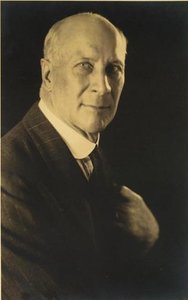
Edgar Bertram Mackennal
1863 - 1931 , Australien
Kurzinfos
- Artistic Movement Or Style: Symbolismus
- Artists Or Movements Influenced By This Artist: ['Rodin']
- Artists Who Influenced This Artist:
- Charles Douglas Richardson
- Tom Roberts
- Date Of Birth: 12 Juni 1863
- Date Of Death: 10 Oktobr 1931
- Full Name: Sir Edgar Bertram Mackennal KCVO RA
- Nationality: Australien
- Notable Artworks:
- Die Tänzerin
- Circe
- Place Of Birth: Melbourne, Australien
Ähnliche Artikel

Die 10 legendärsten Bronzestatuen: Meisterwerke, die Kunstgeschichte schrieben | ArtsDot
Entdecken Sie die 10 legendärsten Bronzestatuen der Kunstgeschichte! Von Rodin bis Michelangelo – erfahren Sie die Geschichten hinter ikonischen Skulpturen und finden Sie hochwertige Reproduktionen für Ihr Zuhause. Jetzt bei ArtsDot entdecken!

Bronze-Meisterwerke: Die 10 Skulpturen, die Kunstgeschichte schrieben | ArtsDot
Entdecken Sie die 10 legendärsten Bronze Skulpturen der Kunstgeschichte! Von Michelangelo bis Rodin – erfahren Sie die Geschichten hinter den Meisterwerken und lassen Sie sich von Wanddeko-Ideen inspirieren. Hochwertige Kunstdrucke auf ArtsDot.com.

The Enduring Legacy of Bronze: A Historical & Artistic Exploration for the Collector
Explore the rich history & enduring appeal of bronze sculpture with expert insights for collectors at ArtsDot. Learn about casting techniques, iconic artists, collecting tips & contemporary interpretations.
The Enduring Legacy of Bronze: History, Technique & Artistic Expression for the Collector
Explore the rich history & enduring appeal of bronze sculpture with expert insights for collectors at ArtsDot. Learn about casting techniques, iconic artists, and collecting tips.
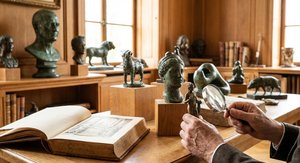
The Enduring Legacy of Bronze Sculpture: A Collector's Guide to Form & Cultural Significance
Explore the rich history & enduring appeal of bronze sculpture with expert insights for collectors at ArtsDot. Learn about casting techniques, iconic artists, and collecting tips to build a discerning art collection.