 Vorschau anzeigen
 Versenden
 Teilen
 Details anzeigen

 Herunterladen
 Ähnliche Objekte
 Röntgenaufnahme
 Diashow
 Statistiken
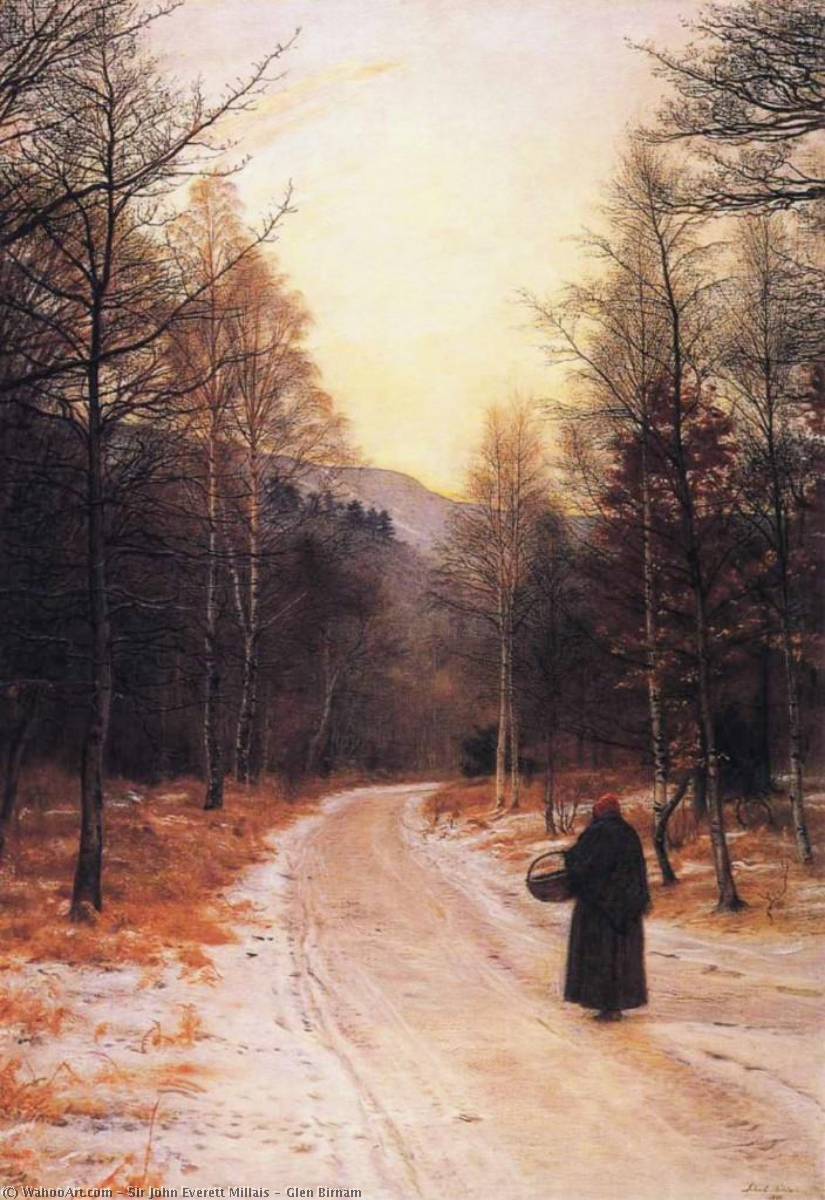
Glen Birnam


 Weiterlesen
Giclée / Kunstdruck
Giclée- oder Leinwanddruck in Museumsqualität mit schneller Produktion und flexiblen Veredelungsoptionen. ( Handgemalte Reproduktion bestellen Zum digitalen Bild wechseln)




P118B $10

P118H $10

P118W $10

P438Z $10

P508JH $12

P508YH $12

P805H $10

P805Z $10

P919BZ $10

P919G $10

P919XJ $10

P959ZH $10

P968JZ $12

W106C $8

W218G $10

W218JH $8

W218Y $10

W307PJ $10

W316G $10

W316PJ $8

W316Y $10

W398PJ $8

W4111J $10

W500HY $15

W500JH $15

W692G $12

W849H $8

W940BG $15

W953PJ $8




Wählen Sie aus unseren vordefinierten Formaten, die den ursprünglichen Proportionen des Kunstwerks entsprechen.

Sie können Ihre eigenen Maße eingeben, um ein bestimmtes Format oder einen speziellen Platz einzupassen. Wenn das von Ihnen gewählte Format nicht den Proportionen des Originalbildes entspricht, werden wir das Kunstwerk entweder beschneiden oder das Bild mit einem gespiegelten oder einfarbigen Rand erweitern. Ein digitaler Entwurf wird Ihnen zur Genehmigung zugesandt, bevor die Produktion beginnt.
Bitte beachten Sie, dass die Vorschau auf dem Bildschirm nicht den tatsächlichen Zuschnitt oder die Erweiterung widerspiegelt. Nur der Entwurf zeigt die endgültige Komposition präzise an.
Obwohl Sondermaße verfügbar sind, empfehlen wir die Auswahl eines Maßes aus der vordefinierten Liste, um die ursprünglichen Proportionen zu bewahren.
Weltweiter Versand () innerhalb von 2 Wochen statt der üblichen 4/5 Wochen. (8 September)

Kostenloser weltweiter Expressversand

Hochwertige Leinenleinwand

Umfassender Versicherungsschutz beim Versand

Zollgebühren-Rückerstattungsgarantie

Garantie für exakte Farbtreue

100-Tage-Rückgaberecht (nur bei Mängeln)

100% Geld-zurück-Garantie

Mengenrabatt verfügbar
 Die Glasoption ist nur für Größen unter 110 cm verfügbar.

Glen Birnam
Giclée / Kunstdruck
Format der Reproduktion
-


Gesamtpreis
$ 62
A Winter’s Solitude in Glen Birnam
In the quietude of Sir John Everett Millais' 1891 masterpiece, Glen Birnam, the viewer is invited into a world where time seems to suspend itself amidst the frost. This evocative landscape, born from the artist's deep connection to the Scottish Highlands, captures more than just a seasonal transition; it captures a profound sense of stillness. As we gaze upon the winding, snow-swept path that meanders through the heart of Birnam Wood, we are drawn into a rhythmic dance of light and shadow. The scene is bathed in the soft, diffused glow of a winter afternoon, where the pale sky meets the muted browns and creams of the dormant earth. It is a painting that does not merely depict a location, but rather evokes the very breath of a frozen landscape, making it an ideal centerpiece for those seeking to bring a sense of serene contemplation into a sophisticated living space.
The composition of the work is a masterclass in guiding the eye through a natural narrative. Millais utilizes the strong, converging lines of the woodland path to create an immersive sense of depth, pulling the observer toward the distant, hazy hills. Framing this journey are the tall, skeletal silhouettes of bare trees, their dark trunks providing a structural contrast to the soft, white patches of snow scattered across the ground. Amidst this vast natural expanse, a solitary figure—a woman bundled in dark attire with a striking splash of red from her hat—walks away from the viewer. This small but significant human element introduces a layer of poignant storytelling; she becomes a symbol of introspection and the individual journey through life's quietest, most transformative seasons.
The Pre-Raphaelite Legacy and Technical Mastery
To understand Glen Birnam is to understand the evolution of Sir John Everett Millais himself. As a founding member of the Pre-Raphaelite Brotherhood, Millais began his career with a rebellious fervor, seeking to reject the artificiality of academic art in favor of an uncompromising devotion to nature's true form. By the time he painted this late-career triumph, his style had matured into a breathtaking realism that blended meticulous observation with a more atmospheric, tonal approach. The technique employed here—likely layers of oil paint on canvas—demonstrates his ability to manipulate texture and light. One can almost feel the rough, weathered bark of the trees and the crisp, biting cold of the untouched snow through his subtle use of glazes and delicate tonal variations.
For the discerning collector or interior designer, this artwork offers a rare blend of historical significance and aesthetic versatility. The color palette, dominated by earthy neutrals, tans, and soft grays, possesses a timeless quality that complements both classical and contemporary decor. It provides a sophisticated anchor for a room, offering visual depth without overwhelming the surrounding environment. Whether placed in a sunlit gallery or a moody, library-style study, Glen Birnam serves as a window into a moment of eternal peace, reminding us of the enduring beauty found in nature's most silent intervals.
Ähnliche Kunstwerke
Über den Künstler
Frühes Leben und Ausbildung
Sir John Everett Millais, ein renommierter englischer Maler und Illustrator, wurde am 8. Juni 1829 in Southampton, England, geboren. Als Wunderkind wurde er bereits im Alter von elf Jahren zum jüngsten Schüler der Royal Academy Schools zugelassen.Gründung der Präraffaeliten
Im September 1848 gründeten Sir John Everett Millais, zusammen mit William Holman Hunt und Dante Gabriel Rossetti, die Präraffaeliten in seinem Familiendomizil in Gower Street, London. Diese Bewegung strebte danach, den Stil der frühen italienischen Renaissance wiederzubeleben.Bedeutende Werke
Zu Sir John Everett Millais' bedeutendsten Werken zählen:- Christ in der Werkstatt seines Vaters (1849-1850), ein höchst kontroverses Werk, das seine realistische Darstellung einer Arbeiterfamilie als Heilige Familie zeigte.
- Ein hugenottisches Paar (1851-1852), das ein junges Paar darstellt, das aufgrund religiöser Konflikte voneinander getrennt werden soll.
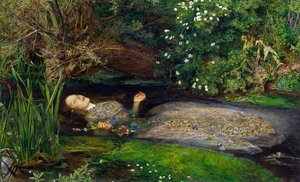
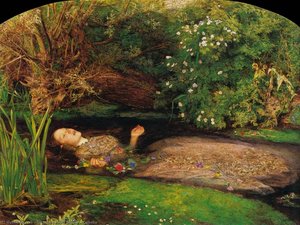
- Ophelia (1851-1852), ein Gemälde, das seine dichten und elaborierten bildlichen Oberflächen demonstrierte, oft konzentriert auf die Schönheit und Komplexität der Naturwelt.
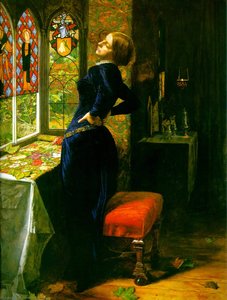
- Mariana (1850-1851), basierend auf dem Stück "Was ihr wollt" von William Shakespeare und dem Gedicht gleichen Namens von Alfred Lord Tennyson.
Einfluss und Spätere Werke
Sir John Everett Millais' spätere Werke wurden von seiner Frau Effie beeinflusst, die zuvor mit dem Kritiker John Ruskin verheiratet war. Sein Stil entwickelte sich zu einer breiteren Form des Realismus, der zunächst von Ruskin kritisiert wurde, aber später als bedeutender Beitrag zur Kunstwelt anerkannt wurde.Museen und Sammlungen
Werke Sir John Everett Millais' finden sich in verschiedenen Museen, darunter:- Die Tate Britain in London, die The Order of Release (1853) und Ophelia (1852) zeigt.
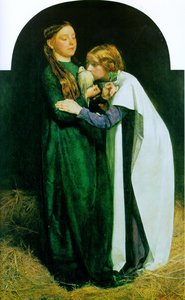
- Das Ashmolean Museum in Oxford, das The Return of the Dove to the Ark (1851) ausstellt.
Vermächtnis
Sir John Everett Millais' Vermächtnis geht über seine Kunst hinaus. Er war ein Pionier der Präraffaelitenbewegung und eine bedeutende Figur in der Entwicklung der britischen Kunst.- Erfahren Sie mehr über Sir John Everett Millais auf ArtsDot.com.
- Erkunden Sie die Präraffaelitenbewegung und ihren Einfluss auf die britische Kunst bei Wikipedia.
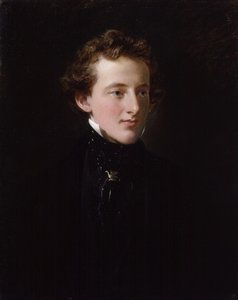
Sir John Everett Millais
1829 - 1896 , Vereinigtes Königreich
Kurzinfos
- Beeinflusste Künstler: ['Dante Gabriel Rossetti']
- Bemerkenswerte Werke:
- Christ in der Elternhaus
- Ein hugenottisches Paar
- Ophelia
- Mariana
- Einflüsse: ['Frührenaissance Italien']
- Geburtsdatum: 8. Juni 1829
- Geburtsort: Southampton, Vereinigtes Königreich
- Künstlerische Bewegung: Präraffaeliten
- Nationalität: Britisch
- Todatum: 13. August 1896
- Vollständiger Name: Sir John Everett Millais
Ähnliche Artikel

Arthur Hughes: Pre-Raphaelite Visions of Beauty & Melancholy
Explore the captivating world of Arthur Hughes (1832-1915), a leading Pre-Raphaelite painter. Discover his dreamy landscapes, poetic narratives & iconic Victorian artworks. Learn about his life, style & collecting today.
Sir John Everett Millais: Präraffaelitische Revolution und viktorianische Erzählkunst
Entdecken Sie das Leben und Werk von Sir John Everett Millais, einem Pionier der Präraffaeliten! Detaillierte Analysen seiner Gemälde, Einblicke in die viktorianische Kunstszene und seine bleibende Bedeutung. Jetzt lesen!
Dante Gabriel Rossetti: Die 25 Meisterwerke des Präraffelitismus | ArtsDot
Entdecken Sie die 25 schönsten Gemälde von Dante Gabriel Rossetti! Tauchen Sie ein in die Welt der Präraffeliten, symbolistischer Kunst & viktorianischer Romantik. Hochwertige Reproduktionen für Ihr Zuhause – jetzt bei ArtsDot.com!

The Pre-Raphaelite Brotherhood: Rebellion, Romance & Medieval Revival
Explore the captivating world of the Pre-Raphaelite Brotherhood! Discover their rebellious spirit, iconic masterpieces & lasting influence on art history. Learn about Rossetti, Millais & more.

Romantische Landschaften: Die 10 Meisterwerke, die eine Epoche prägten | ArtsDot
Entdecken Sie die 10 Meisterwerke der Romantischen Landschaftsmalerei! Von Caspar David Friedrich bis Turner – erleben Sie die Kunst, Emotion & Natur. Hochwertige Reproduktionen auf ArtsDot.com