 Vorschau anzeigen
 Versenden
 Teilen
 Details anzeigen

 Herunterladen
 Ähnliche Objekte
 Röntgenaufnahme
 Diashow
 Statistiken
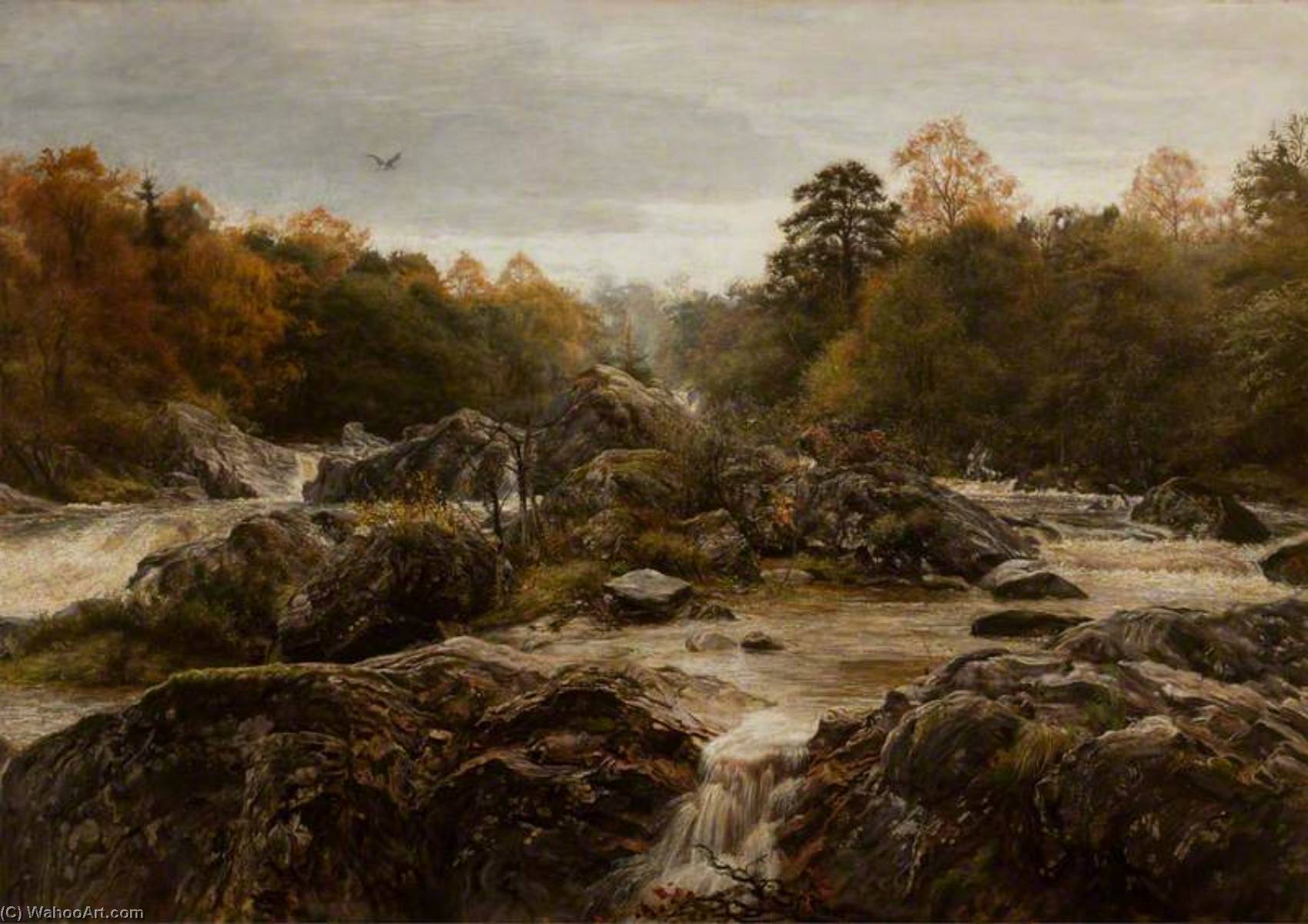
The Sound of Many Waters
 Acryl auf Leinwand
- Wandkunst
- Pre-Raphaelite Brotherhood
 1876
1876 58.0 x 108.0 cm
 The National Trust For Scotland
 Weiterlesen
Handgefertigte Ölreproduktion
Handgemaltes Ölgemälde auf Leinwand in Ihrer Wunschgröße und mit Rahmen, auf Bestellung von unseren Künstlern angefertigt. ( Zu Druck wechseln Zum digitalen Bild wechseln)




P118B $10

P118H $10

P118W $10

P438Z $10

P508JH $12

P508YH $12

P805H $10

P805Z $10

P919BZ $10

P919G $10

P919XJ $10

P959ZH $10

P968JZ $12

W106C $8

W218G $10

W218JH $8

W218Y $10

W307PJ $10

W316G $10

W316PJ $8

W316Y $10

W398PJ $8

W4111J $10

W500HY $15

W500JH $15

W692G $12

W849H $8

W940BG $15

W953PJ $8




Wählen Sie aus unseren vordefinierten Formaten, die den ursprünglichen Proportionen des Kunstwerks entsprechen.

Sie können Ihre eigenen Maße eingeben, um einen bestimmten Rahmen oder Platz auszufüllen. Wenn die gewählte Größe nicht den Proportionen des Originalbildes entspricht, werden wir das Kunstwerk entweder beschneiden oder das Gemälde durch zusätzliche, handgemalte Elemente erweitern. Ein digitales Mockup wird Ihnen zur Genehmigung zugesandt, bevor die Produktion beginnt.
Bitte beachten Sie, dass die Bildschirmvorschau nicht die tatsächliche Beschneidung oder Erweiterung widerspiegelt. Nur das Mockup zeigt die endgültige Komposition exakt an.
Obwohl Sondermaße verfügbar sind, empfehlen wir, eine Größe aus der vordefinierten Liste zu wählen, um die ursprünglichen Proportionen beizubehalten.
Nach der Bestellung wird das ArtsDot.com-Team dem Kunden Anweisungen per E-Mail zusenden und eine Mockup-Vorschau bereitstellen.
Weltweiter Versand () in nur 3 bis 4 Wochen statt der üblichen 5 Wochen. (8 September). Keine Kompromisse bei der Qualität.

Kostenloser weltweiter Expressversand

Hochwertige Leinenleinwand

Umfassender Versicherungsschutz beim Versand

Zollgebühren-Rückerstattungsgarantie

Garantie für exakte Farbtreue

100-Tage-Rückgaberecht (nur bei Mängeln)

100% Geld-zurück-Garantie

Mengenrabatt verfügbar
 Die Glasoption ist nur für Größen unter 110 cm verfügbar.

The Sound of Many Waters
Art der Reproduktion
Format der Reproduktion
-


Gesamtpreis
$ 263
The Sound of Many Waters: A Pre-Raphaelite Reverie
John Everett Millais’s “The Sound of Many Waters,” painted in 1876, isn't merely a landscape; it’s an immersive experience, a fleeting moment captured with the meticulous detail and profound emotionalism that defined the Pre-Raphaelite Brotherhood. This evocative scene, depicting the dramatic Falls of the Braan near Dunkeld in Perthshire, Scotland, transports the viewer to a world steeped in mythic resonance and the raw beauty of nature. More than just a visual representation, it’s an attempt to distill the essence of a place – its sound, its light, and its spirit – onto canvas with astonishing immediacy.
Millais, a prodigious talent admitted to the Royal Academy Schools at the remarkably young age of eleven, was deeply influenced by the Pre-Raphaelite ideals. Rejecting the academic conventions of their time, the Brotherhood sought inspiration in the art of the early Italian masters – artists they believed had captured a more authentic and spiritual representation of reality. This pursuit led them to prioritize direct observation, detailed rendering, and symbolic storytelling within their paintings. “The Sound of Many Waters” exemplifies these principles perfectly; it’s a testament to Millais's ability to translate his sensory experience into a powerfully resonant work of art.
A Symphony of Light and Texture
Technically, the painting is a marvel of observation and execution. Millais famously worked *en plein air* – directly from nature – capturing the scene in a single day, a challenging feat that demanded exceptional skill and quick judgment. The resulting oil on canvas is characterized by an astonishing level of detail; every ripple in the water, every vein on a leaf, every stone along the riverbank is rendered with painstaking accuracy. Millais employed a technique known as “wet-on-wet,” applying paint while it was still wet to create soft edges and luminous blends, particularly evident in the depiction of the cascading water. The use of complementary colors – the cool blues and greens of the water against the warm browns and ochres of the surrounding landscape – further enhances the painting’s vibrancy and depth.
The composition itself is carefully orchestrated. Millais utilizes a pyramidal structure, drawing the eye upwards towards the falls and then outwards to encompass the entire vista. The placement of the solitary figure, a young woman seemingly lost in contemplation, anchors the scene and invites the viewer to share in her sense of wonder and connection with nature. Note the subtle detail of the embroidery she is working on – a deliberate inclusion that speaks to the themes of labor, time, and the cyclical rhythms of life.
Symbolism and Mythic Resonance
Beyond its technical brilliance, “The Sound of Many Waters” is rich in symbolism, drawing heavily from biblical imagery. The title itself references Revelation 7:13, which describes a river of life flowing from God’s throne, suggesting the painting represents an eternal source of renewal and spiritual sustenance. The presence of the small mouse nestled amongst the embroidery adds another layer of meaning – a reminder of the fragility of human existence and the interconnectedness of all living things. The arrangement of stones along the riverbank also holds symbolic weight, representing the foundations upon which life is built.
Furthermore, the painting’s setting—the Falls of the Braan—was chosen for its dramatic beauty and association with ancient myths and legends. The falls themselves are said to have been a sacred site for Druids and Picts, adding an aura of mystery and timelessness to the scene. Millais's decision to paint *en plein air* at this location underscores his desire to capture not just the physical appearance of the landscape but also its inherent spiritual significance.
A Legacy of Beauty and Emotion
“The Sound of Many Waters” remains a powerfully evocative work of art, captivating viewers with its stunning realism, rich symbolism, and profound emotional impact. It’s a testament to Millais's extraordinary talent as an artist and his deep connection to the natural world. Reproductions of this iconic painting continue to inspire awe and wonder, offering a glimpse into a bygone era of artistic innovation and spiritual exploration. Its enduring appeal lies in its ability to transport us to another time and place, inviting us to contemplate the beauty, mystery, and timelessness of nature itself.
Ähnliche Kunstwerke
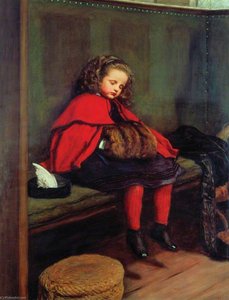
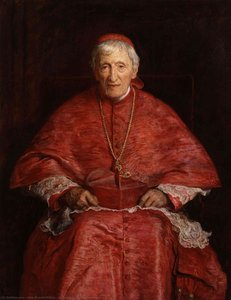
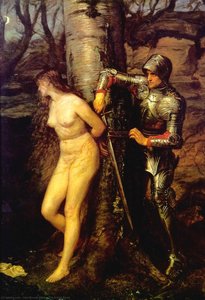
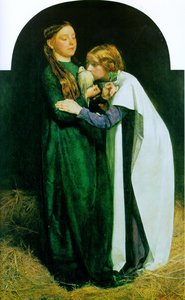

Über den Künstler
Frühes Leben und Ausbildung
Sir John Everett Millais, ein renommierter englischer Maler und Illustrator, wurde am 8. Juni 1829 in Southampton, England, geboren. Als Wunderkind wurde er bereits im Alter von elf Jahren zum jüngsten Schüler der Royal Academy Schools zugelassen.Gründung der Präraffaeliten
Im September 1848 gründeten Sir John Everett Millais, zusammen mit William Holman Hunt und Dante Gabriel Rossetti, die Präraffaeliten in seinem Familiendomizil in Gower Street, London. Diese Bewegung strebte danach, den Stil der frühen italienischen Renaissance wiederzubeleben.Bedeutende Werke
Zu Sir John Everett Millais' bedeutendsten Werken zählen:- Christ in der Werkstatt seines Vaters (1849-1850), ein höchst kontroverses Werk, das seine realistische Darstellung einer Arbeiterfamilie als Heilige Familie zeigte.
- Ein hugenottisches Paar (1851-1852), das ein junges Paar darstellt, das aufgrund religiöser Konflikte voneinander getrennt werden soll.
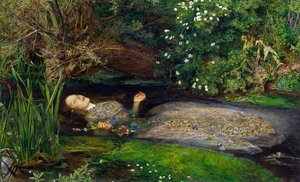
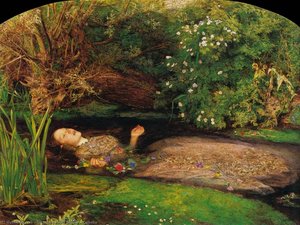
- Ophelia (1851-1852), ein Gemälde, das seine dichten und elaborierten bildlichen Oberflächen demonstrierte, oft konzentriert auf die Schönheit und Komplexität der Naturwelt.
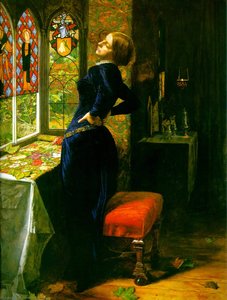
- Mariana (1850-1851), basierend auf dem Stück "Was ihr wollt" von William Shakespeare und dem Gedicht gleichen Namens von Alfred Lord Tennyson.
Einfluss und Spätere Werke
Sir John Everett Millais' spätere Werke wurden von seiner Frau Effie beeinflusst, die zuvor mit dem Kritiker John Ruskin verheiratet war. Sein Stil entwickelte sich zu einer breiteren Form des Realismus, der zunächst von Ruskin kritisiert wurde, aber später als bedeutender Beitrag zur Kunstwelt anerkannt wurde.Museen und Sammlungen
Werke Sir John Everett Millais' finden sich in verschiedenen Museen, darunter:- Die Tate Britain in London, die The Order of Release (1853) und Ophelia (1852) zeigt.
- Das Ashmolean Museum in Oxford, das The Return of the Dove to the Ark (1851) ausstellt.
Vermächtnis
Sir John Everett Millais' Vermächtnis geht über seine Kunst hinaus. Er war ein Pionier der Präraffaelitenbewegung und eine bedeutende Figur in der Entwicklung der britischen Kunst.- Erfahren Sie mehr über Sir John Everett Millais auf ArtsDot.com.
- Erkunden Sie die Präraffaelitenbewegung und ihren Einfluss auf die britische Kunst bei Wikipedia.
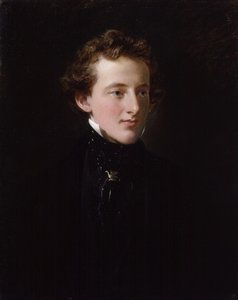
Sir John Everett Millais
1829 - 1896 , Vereinigtes Königreich
Kurzinfos
- Beeinflusste Künstler: ['Dante Gabriel Rossetti']
- Bemerkenswerte Werke:
- Christ in der Elternhaus
- Ein hugenottisches Paar
- Ophelia
- Mariana
- Einflüsse: ['Frührenaissance Italien']
- Geburtsdatum: 8. Juni 1829
- Geburtsort: Southampton, Vereinigtes Königreich
- Künstlerische Bewegung: Präraffaeliten
- Nationalität: Britisch
- Todatum: 13. August 1896
- Vollständiger Name: Sir John Everett Millais
Ähnliche Artikel
Sir John Everett Millais: Präraffaelitische Revolution und viktorianische Erzählkunst
Entdecken Sie das Leben und Werk von Sir John Everett Millais, einem Pionier der Präraffaeliten! Detaillierte Analysen seiner Gemälde, Einblicke in die viktorianische Kunstszene und seine bleibende Bedeutung. Jetzt lesen!
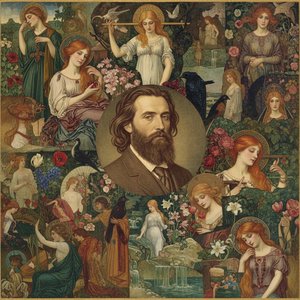
Dante Gabriel Rossetti: Die 25 Meisterwerke des Präraffelitismus | ArtsDot
Entdecken Sie die 25 schönsten Gemälde von Dante Gabriel Rossetti! Tauchen Sie ein in die Welt der Präraffeliten, symbolistischer Kunst & viktorianischer Romantik. Hochwertige Reproduktionen für Ihr Zuhause – jetzt bei ArtsDot.com!

The Pre-Raphaelite Brotherhood: Rebellion, Romance & Medieval Revival
Explore the captivating world of the Pre-Raphaelite Brotherhood! Discover their rebellious spirit, iconic masterpieces & lasting influence on art history. Learn about Rossetti, Millais & more.
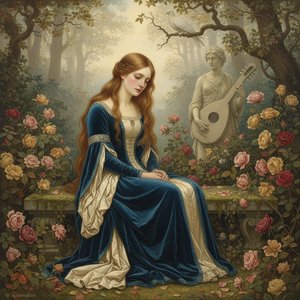
Arthur Hughes: Pre-Raphaelite Visions of Beauty & Melancholy
Explore the captivating world of Arthur Hughes (1832-1915), a leading Pre-Raphaelite painter. Discover his dreamy landscapes, poetic narratives & iconic Victorian artworks. Learn about his life, style & collecting today.

Albert Goodwin: Capturing Victorian Light & Atmosphere – A Study in Landscape Painting
Explore the captivating landscapes of Albert Goodwin (1845-1932), a celebrated Victorian watercolourist influenced by Turner & Ruskin. Discover his techniques, prolific collection, and lasting legacy in British art history.