 Vorschau anzeigen
 Versenden
 Teilen
 Details anzeigen

 Herunterladen
 Ähnliche Objekte
 Röntgenaufnahme
 Diashow
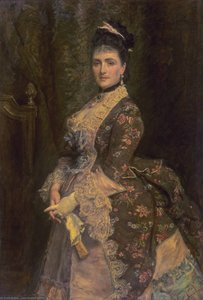
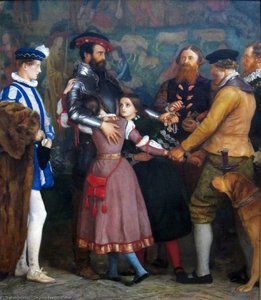
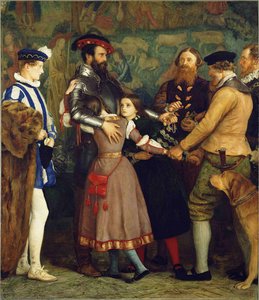
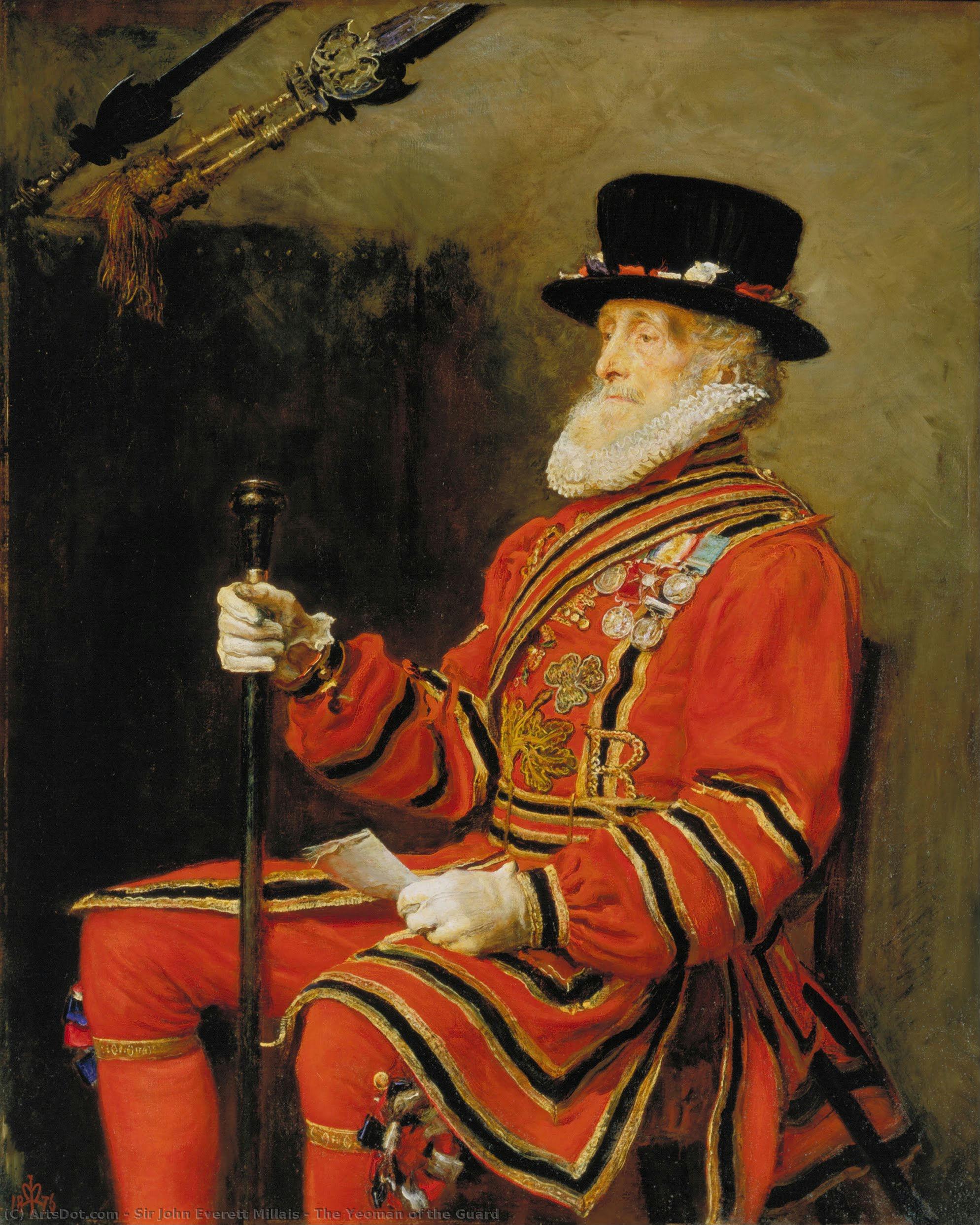
The Yeoman of the Guard
 Öl auf Leinwand
- Wandkunst
- Pre-Raphaelite Brotherhood
 1876
1876 111.0 x 139.0 cm
 Tate Britain
 Weiterlesen
Handgefertigte Ölreproduktion
Handgemaltes Ölgemälde auf Leinwand in Ihrer Wunschgröße und mit Rahmen, auf Bestellung von unseren Künstlern angefertigt. ( Druck bestellen Bild kaufen)




P118B $10

P118H $10

P118W $10

P438Z $10

P508JH $12

P508YH $12

P805H $10

P805Z $10

P919BZ $10

P919G $10

P919XJ $10

P959ZH $10

P968JZ $12

W106C $8

W218G $10

W218JH $8

W218Y $10

W307PJ $10

W316G $10

W316PJ $8

W316Y $10

W398PJ $8

W4111J $10

W500HY $15

W500JH $15

W692G $12

W849H $8

W940BG $15

W953PJ $8




Wählen Sie aus unseren vordefinierten Formaten, die den ursprünglichen Proportionen des Kunstwerks entsprechen.

Sie können Ihre eigenen Maße eingeben, um einen bestimmten Rahmen oder Platz auszufüllen. Wenn die gewählte Größe nicht den Proportionen des Originalbildes entspricht, werden wir das Kunstwerk entweder beschneiden oder das Gemälde durch zusätzliche, handgemalte Elemente erweitern. Ein digitales Mockup wird Ihnen zur Genehmigung zugesandt, bevor die Produktion beginnt.
Bitte beachten Sie, dass die Bildschirmvorschau nicht die tatsächliche Beschneidung oder Erweiterung widerspiegelt. Nur das Mockup zeigt die endgültige Komposition exakt an.
Obwohl Sondermaße verfügbar sind, empfehlen wir, eine Größe aus der vordefinierten Liste zu wählen, um die ursprünglichen Proportionen beizubehalten.
Nach der Bestellung wird das ArtsDot.com-Team dem Kunden Anweisungen per E-Mail zusenden und eine Mockup-Vorschau bereitstellen.
Weltweiter Versand () in nur 3 bis 4 Wochen statt der üblichen 5 Wochen. (21 August). Keine Kompromisse bei der Qualität.

Kostenloser weltweiter Expressversand

Hochwertige Leinenleinwand

Umfassender Versicherungsschutz beim Versand

Zollgebühren-Rückerstattungsgarantie

Garantie für exakte Farbtreue

60 Tage Rückgaberecht (nur bei Mängeln)

100% Geld-zurück-Garantie

Mengenrabatt verfügbar
 Die Glasoption ist nur für Größen unter 110 cm verfügbar.

The Yeoman of the Guard
Art der Reproduktion
Format der Reproduktion
-


Gesamtpreis
$ 263
Beschreibung des Kunstwerks
A Glimpse into Victorian Grandeur: Sir John Everett Millais’s ‘The Yeoman of the Guard’
Sir John Everett Millais's 1876 painting, “The Yeoman of the Guard,” is more than just a portrait; it’s a meticulously crafted window into the heart of Victorian England. The canvas captures John Charles Montague, a distinguished figure elevated to the prestigious rank of Yeoman of the Guard – a role steeped in tradition and signifying unwavering loyalty to the British monarchy. Millais doesn't simply depict a man; he constructs an atmosphere of dignified formality, reflecting the importance placed on military service and aristocratic honor during this era.
The painting immediately draws the eye with its rich palette and masterful use of light. The deep crimson of Montague’s coat, accented by gleaming gold trim, commands attention, while the subtle gradations of color in his attire – from the dark browns of his waistcoat to the muted tones of his hat – speak volumes about his status and experience. The background, deliberately understated with two birds—a robin and a lark—adds a touch of natural beauty and perhaps hints at Montague’s connection to the countryside, despite his prominent military career. The composition itself is carefully balanced, drawing the viewer's eye from the figure’s commanding presence to the details of his uniform and the subtle gestures that convey both confidence and quiet contemplation.
Pre-Raphaelite Precision: Technique and Symbolism
As a leading member of the Pre-Raphaelite Brotherhood, Millais championed a return to the artistic principles of the early Renaissance—a rejection of the academic conventions prevalent at the time. This philosophy is vividly evident in “The Yeoman of the Guard.” Millais’s meticulous attention to detail is breathtaking; every stitch in Montague's coat, every glint of metal on his sword hilt, is rendered with painstaking accuracy. He employed a technique known as ‘wet-on-wet,’ applying paint while it was still wet on the canvas, creating soft edges and luminous effects that contribute to the painting’s overall sense of realism.
Beyond mere representation, Millais infused his work with symbolism. The cane in Montague's hand isn’t merely a prop; it suggests authority and experience. The birds, often associated with heraldry and loyalty, further reinforce this theme. The Yeoman of the Guard themselves were historically responsible for carrying messages to the monarch, highlighting their role as trusted messengers and guardians of the realm. The painting subtly communicates a narrative of service, duty, and unwavering commitment.
Historical Context: A Royal Appointment
To fully appreciate “The Yeoman of the Guard,” it’s essential to understand the significance of the rank itself. Established by King Henry VII after the Battle of Bosworth Field in 1485, the Yeomen of the Guard were initially a small group of archers tasked with protecting the king. Over time, their role evolved into that of personal bodyguards and ceremonial attendants. John Charles Montague’s appointment as a Yeoman of the Guard in 1847 was a considerable honor, recognizing his distinguished service in the 16th Lancers—a regiment renowned for its bravery and loyalty.
The painting was created during a period of significant social and political change in Britain. The Victorian era was characterized by rapid industrialization, growing imperial power, and a renewed emphasis on tradition and stability. Millais’s portrait captures this spirit perfectly, presenting Montague as a symbol of the enduring values that underpinned British society—honor, duty, and loyalty to the crown.
A Timeless Portrait: Reproduction and Artistic Legacy
ArtsDot offers meticulously crafted hand-painted reproductions of “The Yeoman of the Guard,” allowing you to bring this iconic Victorian masterpiece into your home or office. Our skilled artists replicate Millais’s intricate details, vibrant colors, and atmospheric lighting with exceptional precision, ensuring that your reproduction captures the essence of the original painting. Whether displayed as a statement piece in a formal study or incorporated into a more eclectic interior design scheme, this reproduction will serve as a beautiful reminder of British history and artistic excellence.
Ähnliche Kunstwerke


Über den Künstler
Frühes Leben und Ausbildung
Sir John Everett Millais, ein renommierter englischer Maler und Illustrator, wurde am 8. Juni 1829 in Southampton, England, geboren. Als Wunderkind wurde er bereits im Alter von elf Jahren zum jüngsten Schüler der Royal Academy Schools zugelassen.Gründung der Präraffaeliten
Im September 1848 gründeten Sir John Everett Millais, zusammen mit William Holman Hunt und Dante Gabriel Rossetti, die Präraffaeliten in seinem Familiendomizil in Gower Street, London. Diese Bewegung strebte danach, den Stil der frühen italienischen Renaissance wiederzubeleben.Bedeutende Werke
Zu Sir John Everett Millais' bedeutendsten Werken zählen:- Christ in der Werkstatt seines Vaters (1849-1850), ein höchst kontroverses Werk, das seine realistische Darstellung einer Arbeiterfamilie als Heilige Familie zeigte.
- Ein hugenottisches Paar (1851-1852), das ein junges Paar darstellt, das aufgrund religiöser Konflikte voneinander getrennt werden soll.
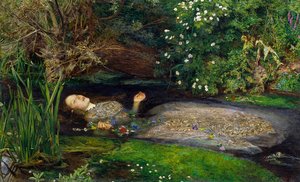
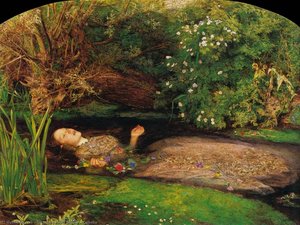
- Ophelia (1851-1852), ein Gemälde, das seine dichten und elaborierten bildlichen Oberflächen demonstrierte, oft konzentriert auf die Schönheit und Komplexität der Naturwelt.
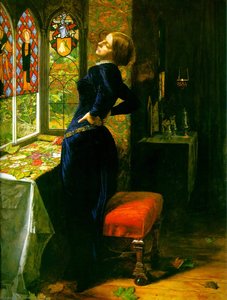
- Mariana (1850-1851), basierend auf dem Stück "Was ihr wollt" von William Shakespeare und dem Gedicht gleichen Namens von Alfred Lord Tennyson.
Einfluss und Spätere Werke
Sir John Everett Millais' spätere Werke wurden von seiner Frau Effie beeinflusst, die zuvor mit dem Kritiker John Ruskin verheiratet war. Sein Stil entwickelte sich zu einer breiteren Form des Realismus, der zunächst von Ruskin kritisiert wurde, aber später als bedeutender Beitrag zur Kunstwelt anerkannt wurde.Museen und Sammlungen
Werke Sir John Everett Millais' finden sich in verschiedenen Museen, darunter:- Die Tate Britain in London, die The Order of Release (1853) und Ophelia (1852) zeigt.
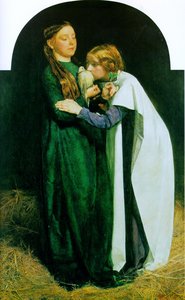
- Das Ashmolean Museum in Oxford, das The Return of the Dove to the Ark (1851) ausstellt.
Vermächtnis
Sir John Everett Millais' Vermächtnis geht über seine Kunst hinaus. Er war ein Pionier der Präraffaelitenbewegung und eine bedeutende Figur in der Entwicklung der britischen Kunst.- Erfahren Sie mehr über Sir John Everett Millais auf ArtsDot.com.
- Erkunden Sie die Präraffaelitenbewegung und ihren Einfluss auf die britische Kunst bei Wikipedia.
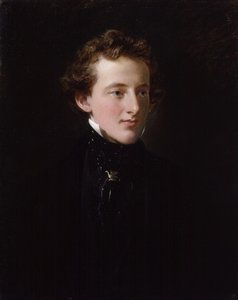
Sir John Everett Millais
1829 - 1896 , Vereinigtes Königreich
Kurzinfos
- Beeinflusste Künstler: ['Dante Gabriel Rossetti']
- Bemerkenswerte Werke:
- Christ in der Elternhaus
- Ein hugenottisches Paar
- Ophelia
- Mariana
- Einflüsse: ['Frührenaissance Italien']
- Geburtsdatum: 8. Juni 1829
- Geburtsort: Southampton, Vereinigtes Königreich
- Künstlerische Bewegung: Präraffaeliten
- Nationalität: Britisch
- Todatum: 13. August 1896
- Vollständiger Name: Sir John Everett Millais
Ähnliche Artikel
Sir John Everett Millais: Präraffaelitische Revolution und viktorianische Erzählkunst
Entdecken Sie das Leben und Werk von Sir John Everett Millais, einem Pionier der Präraffaeliten! Detaillierte Analysen seiner Gemälde, Einblicke in die viktorianische Kunstszene und seine bleibende Bedeutung. Jetzt lesen!
Dante Gabriel Rossetti: Die 25 Meisterwerke des Präraffelitismus | ArtsDot
Entdecken Sie die 25 schönsten Gemälde von Dante Gabriel Rossetti! Tauchen Sie ein in die Welt der Präraffeliten, symbolistischer Kunst & viktorianischer Romantik. Hochwertige Reproduktionen für Ihr Zuhause – jetzt bei ArtsDot.com!

The Refined Aesthetic of Victorian Illustration: A Study in Narrative & Technique
Explore the captivating world of Victorian illustration! Discover Pre-Raphaelite influences, key artists like Rossetti & Stephens, and the era's rich narrative detail. A deep dive for art enthusiasts.

The Pre-Raphaelite Brotherhood: Rebellion, Romance & Medieval Revival
Explore the captivating world of the Pre-Raphaelite Brotherhood! Discover their rebellious spirit, iconic masterpieces & lasting influence on art history. Learn about Rossetti, Millais & more.

Anthony Frederick Sandys: Pre-Raphaelite Vision & Victorian Aesthetic Exploration
Discover the captivating Pre-Raphaelite world of Anthony Frederick Sandys (1829-1904). Explore his mythological scenes, portraits & Victorian artistry. Learn about his influences and lasting legacy.