

 Vorschau anzeigen
 Versenden
 Teilen
 Details anzeigen

 Herunterladen
 Ähnliche Objekte
 Röntgenaufnahme
 Diashow
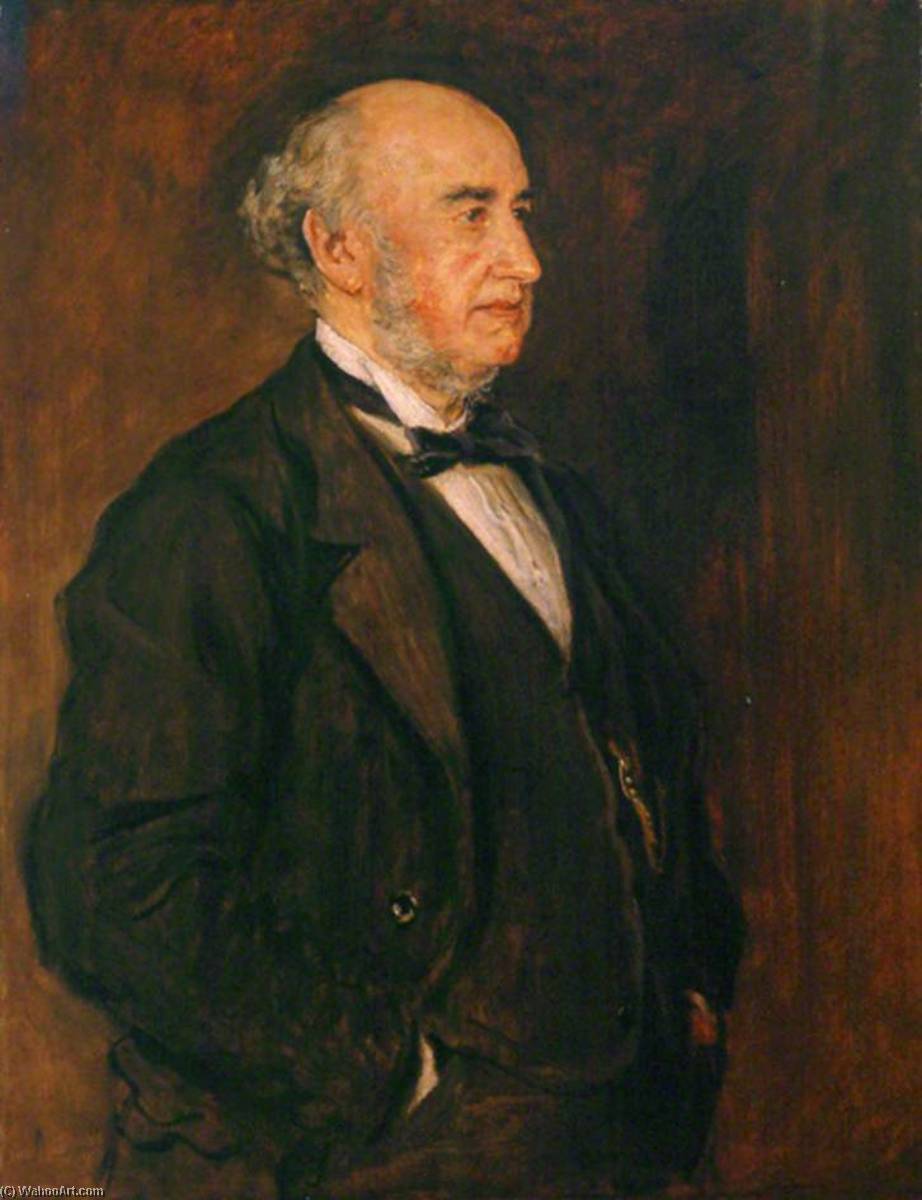
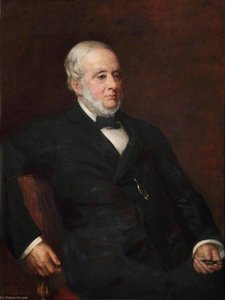
Thomas Hyde Hills (1815–1891), President of the Pharmaceutical Society (1873–1876)
 Oil On Canvas
- WallArt
- Pre-Raphaelite
 1873
1873 89.0 x 69.0 cm
 Weiterlesen
Erwerben Sie ein hochauflösendes, optimiertes digitales Bild, das der Online-Vorschau weit überlegen ist.
Jede Datei wird von unseren hauseigenen Spezialisten mit modernsten Werkzeugen und fachmännischer manueller Retusche sorgfältig vorbereitet. Wir stellen sicher, dass jedes Bild eine außergewöhnliche Klarheit, präzise Farbgenauigkeit und feinste Details aufweist.
Die endgültige Datei wird innerhalb von 72 Stunden per E-Mail zugestellt und ist für den sofortigen Einsatz in professionellen, redaktionellen und Druckumgebungen optimiert. Es handelt sich um dieselbe Qualität, der führende Designstudios, Verlage und Galerien vertrauen.
Digitales Bild
Laden Sie eine hochauflösende Datei für die persönliche Präsentation, den Druck und kreative Projekte herunter. ( Druck bestellen Handgemalte Reproduktion bestellen)
In jeder Bestellung digitaler Bilder enthalten
Professionelle digitale Bereitstellung, garantiert
Wenn Sie sich für ArtsDot.com entscheiden, erhalten Sie nicht nur ein Bild – Sie erhalten ein professionell aufbereitetes digitales Kunstwerk, das mit höchster Präzision erstellt und durch eine Zufriedenheitsgarantie abgesichert wird. Hier ist alles, was automatisch mit Ihrer Bestellung geliefert wird:

Schnelle E-Mail-Zustellung
Ihre hochauflösende digitale Bilddatei wird Ihnen innerhalb von 72 Stunden nach der Bestellung per E-Mail zugestellt – bereit zur sofortigen Verwendung.

KI-optimierte digitale Datei
Ihre Kunstwerke werden professionell mithilfe fortschrittlicher KI-Tools und manueller Bearbeitung optimiert, um maximale Detailtreue, Klarheit und Farbgenauigkeit zu gewährleisten.

Lebenslanger kostenloser Neudruckservice
Datei versehentlich gelöscht oder verloren? Keine Sorge – wir senden sie Ihnen jederzeit kostenlos erneut zu.

Keine Einfuhrgebühren – jemals
Genießen Sie Ihr Kunstwerk sofort ohne Zollgebühren, Einfuhrabgaben oder Versandkosten – digitale Downloads sind immer steuerfrei.

Garantierte Farbtreue
Wir garantieren, dass Ihr digitales Bild mithilfe professioneller Werkzeuge und Farbmanagement die Originalfarben so präzise wie möglich wiedergibt.

60-Tage-Zufriedenheitsgarantie
Sollten Sie mit Ihrem digitalen Bild nicht zufrieden sein, werden wir es überarbeiten oder Ihnen innerhalb von 60 Tagen 100% erstatten – ohne Wenn und Aber.

100% Geld-zurück-Garantie
Nicht zufrieden? Erhalten Sie innerhalb von 60 Tagen nach Erhalt Ihrer digitalen Datei eine vollständige Rückerstattung – ohne Angabe von Gründen.

Rabatte bei Großbestellungen
3 Bilder kaufen, 10% sparen – 5 Bilder kaufen, 15% sparen – Ab 10 Bildern 20% sparen. Ideal für kreative Projekte, Galerien und Agenturen.
Details zum Sammlerstück
Thomas Hyde Hills: A Study in Dignified Age by Sir John Everett Millais
This arresting portrait, depicting Thomas Hyde Hills, President of the Pharmaceutical Society from 1873 to 1876, offers a profound meditation on time and experience rendered with the meticulous precision that defined the Pre-Raphaelite movement. Executed in 1873 by the prodigious Sir John Everett Millais, this oil painting transcends a simple likeness; it’s an embodiment of quiet contemplation, imbued with a subtle melancholy that speaks to the weight of years lived and knowledge gained. Measuring 89 x 69 cm, the scale invites intimate engagement with Hills's weathered face and dignified bearing.
- A Masterclass in Realism: Millais’s dedication to photographic realism is immediately apparent. Every wrinkle etched onto Hills’s skin, every fold of his dark suit, is rendered with painstaking detail – a testament to the artist's unwavering commitment to truth in representation. This approach was revolutionary for its time, challenging the idealized portrayals prevalent in academic art and aligning with the Pre-Raphaelite desire to return to a more honest depiction of the world.
- The Language of Light and Shadow: The soft, diffused lighting employed by Millais dramatically enhances the painting’s emotional impact. It subtly illuminates Hills's face, drawing attention to his thoughtful expression, while simultaneously shrouding the background in shadow, creating a sense of depth and mystery. This masterful manipulation of light is characteristic of Millais’s technique – he wasn’t simply painting what he saw; he was sculpting with color and tone.
- Color Palette & Texture: The dominant dark browns, blacks, and grays contribute to the somber yet dignified mood, reflecting the subject's age and status. Subtle highlights of white in his shirt and bow tie provide crucial contrast, preventing the composition from becoming overly heavy. The rich, layered texture achieved through traditional oil painting techniques – with visible brushstrokes adding a tactile quality – further enhances the realism and depth of the work.
The Pre-Raphaelite Vision
Painted in the wake of Millais’s groundbreaking collaboration with Dante Gabriel Rossetti and William Holman Hunt, this portrait firmly establishes Hills within the context of the Pre-Raphaelite Brotherhood. This influential group sought to reject the artificiality and academic conventions of contemporary art, advocating instead for a return to the sincerity, detail, and emotional intensity of early Italian masters – notably those predating Raphael. Millais’s work exemplifies this ethos: his focus on meticulous observation, coupled with an expressive use of color and texture, reflects the Brotherhood's core principles.
- A Reflection of Victorian Values: The portrait speaks to the values of the Victorian era – respect for experience, diligence, and quiet dignity. Hills’s posture and expression convey a sense of authority tempered by wisdom, aligning with the societal expectations of leadership during that period.
- Symbolic Elements (Absent): Unlike some Pre-Raphaelite works laden with symbolic imagery, this portrait is primarily concerned with direct representation. The lack of overt symbolism underscores Millais’s commitment to realism and his desire to capture the subject's essence without resorting to allegorical devices.
Technical Mastery & Historical Significance
Sir John Everett Millais was a pivotal figure in 19th-century art, renowned for his unparalleled skill in capturing detail and texture. His meticulous approach—characterized by layering and blending oil paints—allowed him to create incredibly luminous surfaces and evoke a profound sense of realism. This painting stands as a testament to his technical prowess and his enduring influence on the Pre-Raphaelite movement. Completed in 1873, it represents a high point in Millais’s career and offers a valuable glimpse into the artistic sensibilities of Victorian England.
- Materials: Primarily oil paints applied to canvas, utilizing traditional layering and blending techniques for depth and luminosity.
- Artist's Biography: Born in Southampton in 1829, Millais’s early talent was extraordinary, leading him to the Royal Academy Schools at just eleven years old. His dedication to observation and meticulous detail established him as a key figure in the Pre-Raphaelite movement.
Ähnliche Kunstwerke
Biografie des Künstlers
Frühes Leben und Ausbildung
Sir John Everett Millais, ein renommierter englischer Maler und Illustrator, wurde am 8. Juni 1829 in Southampton, England, geboren. Als Wunderkind wurde er bereits im Alter von elf Jahren zum jüngsten Schüler der Royal Academy Schools zugelassen.Gründung der Präraffaeliten
Im September 1848 gründeten Sir John Everett Millais, zusammen mit William Holman Hunt und Dante Gabriel Rossetti, die Präraffaeliten in seinem Familiendomizil in Gower Street, London. Diese Bewegung strebte danach, den Stil der frühen italienischen Renaissance wiederzubeleben.Bedeutende Werke
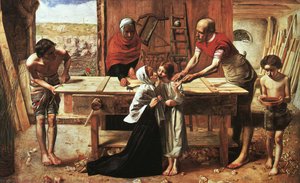
Zu Sir John Everett Millais' bedeutendsten Werken zählen:- Christ in der Werkstatt seines Vaters (1849-1850), ein höchst kontroverses Werk, das seine realistische Darstellung einer Arbeiterfamilie als Heilige Familie zeigte.
- Ein hugenottisches Paar (1851-1852), das ein junges Paar darstellt, das aufgrund religiöser Konflikte voneinander getrennt werden soll.
- Ophelia (1851-1852), ein Gemälde, das seine dichten und elaborierten bildlichen Oberflächen demonstrierte, oft konzentriert auf die Schönheit und Komplexität der Naturwelt.
- Mariana (1850-1851), basierend auf dem Stück "Was ihr wollt" von William Shakespeare und dem Gedicht gleichen Namens von Alfred Lord Tennyson.
Einfluss und Spätere Werke
Sir John Everett Millais' spätere Werke wurden von seiner Frau Effie beeinflusst, die zuvor mit dem Kritiker John Ruskin verheiratet war. Sein Stil entwickelte sich zu einer breiteren Form des Realismus, der zunächst von Ruskin kritisiert wurde, aber später als bedeutender Beitrag zur Kunstwelt anerkannt wurde.Museen und Sammlungen
Werke Sir John Everett Millais' finden sich in verschiedenen Museen, darunter:- Die Tate Britain in London, die The Order of Release (1853) und Ophelia (1852) zeigt.
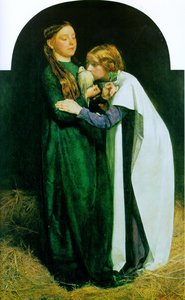
- Das Ashmolean Museum in Oxford, das The Return of the Dove to the Ark (1851) ausstellt.
Vermächtnis
Sir John Everett Millais' Vermächtnis geht über seine Kunst hinaus. Er war ein Pionier der Präraffaelitenbewegung und eine bedeutende Figur in der Entwicklung der britischen Kunst.- Erfahren Sie mehr über Sir John Everett Millais auf ArtsDot.com.
- Erkunden Sie die Präraffaelitenbewegung und ihren Einfluss auf die britische Kunst bei Wikipedia.
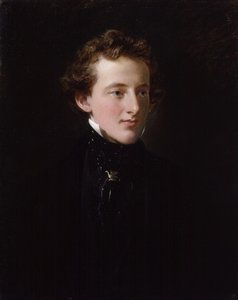
Sir John Everett Millais
1829 - 1896 , Vereinigtes Königreich
Kurzinfos
- Beeinflusste Künstler: ['Dante Gabriel Rossetti']
- Bemerkenswerte Werke:
- Christ in der Elternhaus
- Ein hugenottisches Paar
- Ophelia
- Mariana
- Einflüsse: ['Frührenaissance Italien']
- Geburtsdatum: 8. Juni 1829
- Geburtsort: Southampton, Vereinigtes Königreich
- Künstlerische Bewegung: Präraffaeliten
- Nationalität: Britisch
- Todatum: 13. August 1896
- Vollständiger Name: Sir John Everett Millais

