

 Vorschau anzeigen
 Versenden
 Teilen
 Details anzeigen

 Herunterladen
 Ähnliche Objekte
 Röntgenaufnahme
 Diashow
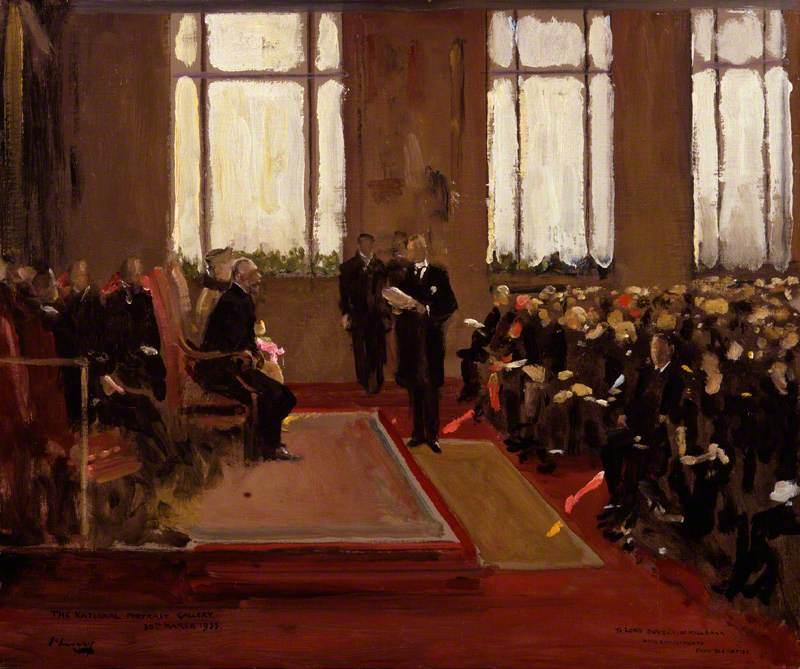
Opening of the Lord Duveen Annexe to the National Portrait Gallery


 Weiterlesen
Erwerben Sie ein hochauflösendes, optimiertes digitales Bild, das der Online-Vorschau weit überlegen ist.
Jede Datei wird von unseren hauseigenen Spezialisten mit modernsten Werkzeugen und fachmännischer manueller Retusche sorgfältig vorbereitet. Wir stellen sicher, dass jedes Bild eine außergewöhnliche Klarheit, präzise Farbgenauigkeit und feinste Details aufweist.
Die endgültige Datei wird innerhalb von 72 Stunden per E-Mail zugestellt und ist für den sofortigen Einsatz in professionellen, redaktionellen und Druckumgebungen optimiert. Es handelt sich um dieselbe Qualität, der führende Designstudios, Verlage und Galerien vertrauen.
Digitales Bild
Laden Sie eine hochauflösende Datei für die persönliche Präsentation, den Druck und kreative Projekte herunter. ( Druck bestellen Handgemalte Reproduktion bestellen)
In jeder Bestellung digitaler Bilder enthalten
Professionelle digitale Bereitstellung, garantiert
Wenn Sie sich für ArtsDot.com entscheiden, erhalten Sie nicht nur ein Bild – Sie erhalten ein professionell aufbereitetes digitales Kunstwerk, das mit höchster Präzision erstellt und durch eine Zufriedenheitsgarantie abgesichert wird. Hier ist alles, was automatisch mit Ihrer Bestellung geliefert wird:

Schnelle E-Mail-Zustellung
Ihre hochauflösende digitale Bilddatei wird Ihnen innerhalb von 72 Stunden nach der Bestellung per E-Mail zugestellt – bereit zur sofortigen Verwendung.

KI-optimierte digitale Datei
Ihre Kunstwerke werden professionell mithilfe fortschrittlicher KI-Tools und manueller Bearbeitung optimiert, um maximale Detailtreue, Klarheit und Farbgenauigkeit zu gewährleisten.

Lebenslanger kostenloser Neudruckservice
Datei versehentlich gelöscht oder verloren? Keine Sorge – wir senden sie Ihnen jederzeit kostenlos erneut zu.

Keine Einfuhrgebühren – jemals
Genießen Sie Ihr Kunstwerk sofort ohne Zollgebühren, Einfuhrabgaben oder Versandkosten – digitale Downloads sind immer steuerfrei.

Garantierte Farbtreue
Wir garantieren, dass Ihr digitales Bild mithilfe professioneller Werkzeuge und Farbmanagement die Originalfarben so präzise wie möglich wiedergibt.

60-Tage-Zufriedenheitsgarantie
Sollten Sie mit Ihrem digitalen Bild nicht zufrieden sein, werden wir es überarbeiten oder Ihnen innerhalb von 60 Tagen 100% erstatten – ohne Wenn und Aber.

100% Geld-zurück-Garantie
Nicht zufrieden? Erhalten Sie innerhalb von 60 Tagen nach Erhalt Ihrer digitalen Datei eine vollständige Rückerstattung – ohne Angabe von Gründen.

Rabatte bei Großbestellungen
3 Bilder kaufen, 10% sparen – 5 Bilder kaufen, 15% sparen – Ab 10 Bildern 20% sparen. Ideal für kreative Projekte, Galerien und Agenturen.
A Moment Frozen in Time: Sir John Lavery’s ‘Opening of the Lord Duveen Annexe to the National Portrait Gallery’
A Snapshot of Edwardian Grandeur and Artistic Vision
Sir John Lavery's "Opening of the Lord Duveen Annexe to the National Portrait Gallery," painted in 1933, stands as a testament to Sir John Lavery’s masterful ability to capture both the grandeur of Edwardian society and the subtle nuances of artistic expression. The painting “Opening of the Lord Duveen Annexe to the National Portrait Gallery” by Sir John Lavery stands as a quintessential representation of British Edwardian elegance—a snapshot frozen in time, capturing not merely an event but also the spirit of its era – the burgeoning optimism of the 1930s and the ambition to celebrate British cultural heritage.A Moment Frozen in Time: Exploring Lavery’s ‘Opening of the Lord Duveen Annexe to the National Portrait Gallery’
Sir John Lavery's “Opening of the Lord Duveen Annexe to the National Portrait Gallery,” completed in 1933 by Sir John Lavery, stands as a quintessential example of British Edwardian portraiture—a celebration of social prestige interwoven with subtle artistic innovation. Created in 1933 by Sir John Lavery, ‘Opening of the Lord Duveen Annexe to the National Portrait Gallery’ transcends mere depiction; it's an encapsulation of ambition and cultural significance within Britain’s Edwardian era.
The Canvas Speaks: An Examination of “Opening of the Lord Duveen Annexe to the National Portrait Gallery” by Sir John Lavery
A Snapshot of Patronage and Artistic Vision
Sir John Lavery's "Opening of the Lord Duveen Annexe to the National Portrait Gallery," completed in 1933, stands as a quintessential example of Edwardian portraiture—a genre defined by formality, meticulous detail, and an aspiration for capturing not just likeness but also character. Sir John Lavery’s “Opening of the Lord Duveen Annexe to the National Portrait Gallery” is more than just a depiction of a formal gathering; it's a snapshot of British cultural life in 1933—a moment frozen in time by Sir John Lavery’s masterful brushstrokes.A Moment Frozen: The Opening of the Lord Duveen Annexe
Sir John Lavery’s “Opening of the Lord Duveen Annexe to the National Portrait Gallery,” completed in 1933 by Sir John Lavery, stands as a quintessential example of Edwardian portraiture—a genre characterized by its formality and meticulous attention to detail. Created in 1933 by Sir John Lavery, ‘Opening of the Lord Duveen Annexe to the National Portrait Gallery’ isn't merely a painting; it’s a snapshot crystallized in oil on canvas – a moment captured by Sir John Lavery in 1933 and now available for reproduction at /en/art/show/art-8ydks9-en/ Portrait Gallery
A Moment Frozen in Time: Sir John Lavery’s ‘Opening of the Lord Duveen Annexe to the National Portrait Gallery’
A Snapshot of Edwardian Grandeur and Artistic Vision
The painting “Opening of the Lord Duveen Annexe to the National Portrait Gallery” by Sir John Lavery stands as a quintessential representation of British society during the interwar years—a moment frozen in time, imbued with elegance and understated grandeur. The artwork, "Opening of the Lord Duveen Annexe to the National Portrait Gallery," by Sir John Lavery, is more than just a depiction of an event; it’s a snapshot of Edwardian Britain – a society grappling with modernity while clinging fiercely to tradition. This magnificent oil on canvas painting, “Opening of the Lord Duveen Annexe to the National Portrait Gallery,” by Sir John Lavery stands as a quintessential representation of British Edwardian elegance and artistic ambition—a captivating tableau frozen in time that continues to resonate with audiences today.A Moment Captured: The Opening of the Lord Duveen Annexe
The painting “Opening of the Lord Duveen Annexe to the National Portrait Gallery” by Sir John Lavery is more than just a depiction of an architectural event; it’s a snapshot of British society in 1933—a moment frozen in time, imbued with elegance and anticipation. This detailed description aims to capture not only what you see but also why “Opening of the Lord Duveen Annexe to the National Portrait Gallery” by Sir John Lavery resonates so powerfully with its subject matter and artistic execution.A Snapshot of Patronage and Artistic Vision
The painting "Opening of the Lord Duveen Annexe to the National Portrait Gallery," created in 1933 by Sir John Lavery, stands as a quintessential example of Edwardian portraiture—a genre characterized by formality, meticulous detail, and an unwavering commitment to capturing the sitter’s likeness. This essay delves into the artistic merit of “Opening of the Lord Duveen Annexe to the National Portrait Gallery” by Sir John Lavery, aiming for an engaging art magazine style.A Moment Frozen in Time: Exploring Lavery's ‘Opening of the Lord Duveen Annexe to the National Portrait Gallery’
A Snapshot of Edwardian Grandeur and Artistic Vision
The painting “Opening of the Lord Duveen Annexe to the National Portrait Gallery” by Sir John Lavery stands as a quintessential representation of British society during the interwar years—a moment frozen in time, imbued with elegance and quiet contemplation. This detailed analysis delves into the artistic merit of "Opening of the Lord Duveen Annexe to the National Portrait Gallery" by Sir John Lavery, a seminal work capturing the grandeur and formality of early 20th-century British society.A Moment Frozen in Time: Exploring Lavery’s ‘Opening of the Lord Duveen Annexe to the National Portrait Gallery’
A Snapshot of Edwardian Grandeur: Sir John Lavery's Masterpiece
The painting “Opening of the Lord Duveen Annexe to the National Portrait Gallery” by Sir John Lavery stands as a quintessential representation of British society during the interwar years—a moment frozen in time, imbued with both grandeur and quiet contemplation. This detailed analysis aims to illuminate not only the visual elements of ‘Opening of the Lord Duveen Annexe to the National Portrait Gallery’ but also its significance within the broader artistic landscape of the early 20th century.A Moment Frozen in Time: Sir John Lavery's "Opening of the Lord Duveen Annexe to the National Portrait Gallery"
A Snapshot of Edwardian Grandeur and Artistic Vision
The painting “Opening of the Lord Duveen Annexe to the National Portrait Gallery” by Sir John Lavery stands as a quintessential example of British Impressionism, capturing not merely a visual scene but also the palpable atmosphere of an era defined by grandeur and intellectual curiosity. The artwork, "Opening of the Lord Duveen Annexe to the National Portrait Gallery," by Sir John Lavery, transcends mere depiction; it’s a snapshot crystallized in oil on canvas—a moment captured with meticulous detail and imbued with the spirit of its time.A Celebration of Art and Patronage: Exploring ‘Opening of the Lord Duveen Annexe to the National Portrait Gallery’ by Sir John Lavery
A Snapshot of Edwardian Grandeur
Sir John Lavery's "Opening of the Lord Duveen Annexe to the National Portrait Gallery," painted in 1933, stands as a testament to Sir John Lavery’s masterful ability to capture both the grandeur of Edwardian society and the subtle nuances of artistic expression. The painting “Opening of the Lord Duveen Annexe to the National Portrait Gallery” by Sir John Lavery stands as a quintessential representation of British Edwardian elegance—a snapshot frozen in time, capturing not just an event but also the spirit of its era – the burgeoning optimism of the 1930s and the ambition to celebrate British cultural heritage.A Moment Frozen in Time: Exploring ‘Opening of the Lord Duveen Annexe to the National Portrait Gallery’ by Sir John Lavery
A Snapshot of Edwardian Grandeur: Lavery's Capture of Ceremony
The painting “Opening of the Lord Duveen Annexe to the National Portrait Gallery” by Sir John Lavery stands as a quintessential example of British portraiture during the interwar period—a time marked by both artistic experimentation and profound social change. The artwork, "Opening of the Lord Duveen Annexe to the National Portrait Gallery," by Sir John Lavery, transcends mere depiction; it’s an immersive experience into the grandeur of Edwardian Britain and a testament to Sir John Lavery's masterful observation of human interaction within a grand setting.A Moment Frozen in Time: Exploring Lavery’s ‘Opening of the Lord Duveen Annexe to the National Portrait Gallery’
A Snapshot of Patronage and Artistic Vision
The painting “Opening of the Lord Duveen Annexe to the National Portrait Gallery” by Sir JohnÄhnliche Kunstwerke
Biografie des Künstlers
Sir John Lavery: Ein Leben in Porträts und Gesellschaft
- Geboren: Belfast, Irland (1856)
- Gestorben: 1941
Sir John Lavery RA war ein hoch angesehener irischer Maler, der für seine fesselnden Porträts und eindringlichen Darstellungen von Kriegsszenen bekannt ist. Geboren in Belfast, zeigte er früh künstlerisches Talent, besuchte die Haldane Academy in Glasgow in den 1870er Jahren und verbesserte seine Fähigkeiten weiter an der Académie Julian in Paris in den frühen 1880er Jahren.
Frühe Karriere & Einflüsse
Nach seiner Rückkehr nach Glasgow wurde Lavery mit den Künstlern der einflussreichen Glasgow School assoziiert. Ein entscheidender Moment kam 1888, als er den Auftrag erhielt, den Besuch von Königin Victoria bei der Internationalen Ausstellung in Glasgow zu malen. Dieser prestigeträchtige Auftrag startete seine Karriere als gefragter Gesellschaftsmaler und veranlasste ihn kurz darauf, nach London umzuziehen.
- Frühe Einflüsse: Lavery wurde deutlich von James McNeill Whistler beeinflusst, was sich in seinem künstlerischen Stil und seiner Herangehensweise an Porträts widerspiegelt.
- Glasgow School Assoziation: Seine Zeit mit der Glasgow School förderte eine ausgeprägte ästhetische Sensibilität, die seine späteren Werke prägte.
Kriegsdarstellungen & Offizielle Anerkennung
Wie William Orpen wurde Lavery während des Ersten Weltkriegs zum offiziellen Kriegskünstler ernannt. Aufgrund anhaltender gesundheitlicher Probleme und eines schweren Autounfalls infolge eines Zeppelin-Bombenangriffs konnte er jedoch nicht an der Westfront dienen. Stattdessen konzentrierte er sich darauf, Kriegsszenen innerhalb Großbritanniens festzuhalten und fing Boote, Flugzeuge und Luftschiffe ein.
- Offizieller Kriegskünstler: Trotz Einschränkungen leisteten Lavery’s Beiträge als offizieller Kriegskünstler wertvolle visuelle Aufzeichnungen eines Landes im Krieg.
- Bemerkenswerte Kriegswerke: Seine Serie umfasste "War Room – zeigt die Kapitulation der Hochseeflotte 1918", "Munitions, Newcastle, 1917" und “A Coast Defence – eine 18-Pfund-Flakkanone, Tyneside, 1917.”
Späteres Leben & Vermächtnis
Nach dem Krieg wurde Lavery zum Sir erhoben und 1921 in die Royal Academy aufgenommen. Sein persönliches Leben war eng mit bedeutenden historischen Ereignissen verbunden; er und seine Frau Hazel spielten eine diskrete Rolle im Irischen Unabhängigkeitskrieg und Bürgerkrieg, indem sie ihr Londoner Haus für irische Verhandlungsführer zur Verfügung stellten. Er verewigte Michael Collins mit seinem Gemälde "Michael Collins, Love of Ireland", das sich heute in der Hugh Lane Municipal Gallery befindet.
- Anglo-Irische Beziehungen: Die Beteiligung der Lavery’s spiegelte eine komplexe Beziehung zwischen Großbritannien und Irland während einer Zeit intensiver politischer Umwälzungen wider.
- Hazels Einfluss: Hazel Lavery, seine Frau, wurde häufig in seinen Gemälden abgebildet und diente von 1928 bis 1975 als allegorische Figur "Irland" auf irischen Banknoten.
- Großzügige Förderung: Lavery spendete großzügig Werke an das Ulster Museum und die Hugh Lane Municipal Gallery, was sein Vermächtnis in der irischen Kunst festigte.
Künstlerischer Stil & Hauptwerke
Laverys künstlerischer Stil vereinte Elemente des Impressionismus mit einem scharfen Auge für die Erfassung von Persönlichkeit und Atmosphäre. Seine Porträts werden für ihren Realismus, ihre Eleganz und ihre aufschlussreiche Darstellung des Charakters gefeiert. Er war auch ein begabter Landschafts- und Alltagsszenenmaler.
- Hauptwerke: "Die Eröffnung der Modern Foreign and Sargent Galleries in der Tate Gallery, 26. Juni 1926," “On the Loing: An Afternoon Chat (auch bekannt als Unter der Kirschbaum),” "A Visitor to the Studio," "Eileen, Her First Communion."
- Wiederkehrende Themen: Porträts von prominenten Persönlichkeiten, Szenen des britischen Gesellschaftslebens und Darstellungen von Kriegserfahrungen standen im Mittelpunkt seines Werkes.
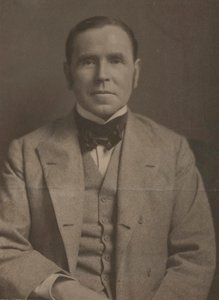
Sir John Lavery
1856 - 1941 , Irland
Kurzinfos
- Beeinflusste Künstler: ['James McNeill Whistler']
- Bemerkenswerte Werke:
- Michael Collins, Love of Ireland
- Sommer am Fluss
- Kriegsraum – Kapitulation
- Lady Lavery
- Der Künstlers Atelier
- Ein Besucher im Studio
- Am Loing: Nachmittagsgespräch
- Geburtsdatum: 1856
- Geburtsort: Belfast, Irland
- Künstlerische Richtung: Impressionismus
- Nationalität: Irisch
- Sterbedatum: 1941
- Vollständiger Name: Sir John Lavery

