 Vorschau anzeigen
 Versenden
 Teilen
 Details anzeigen

 Herunterladen
 Ähnliche Objekte
 Röntgenaufnahme
 Diashow
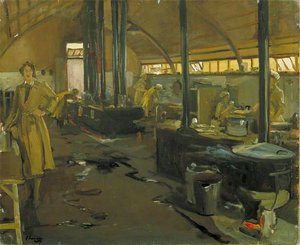
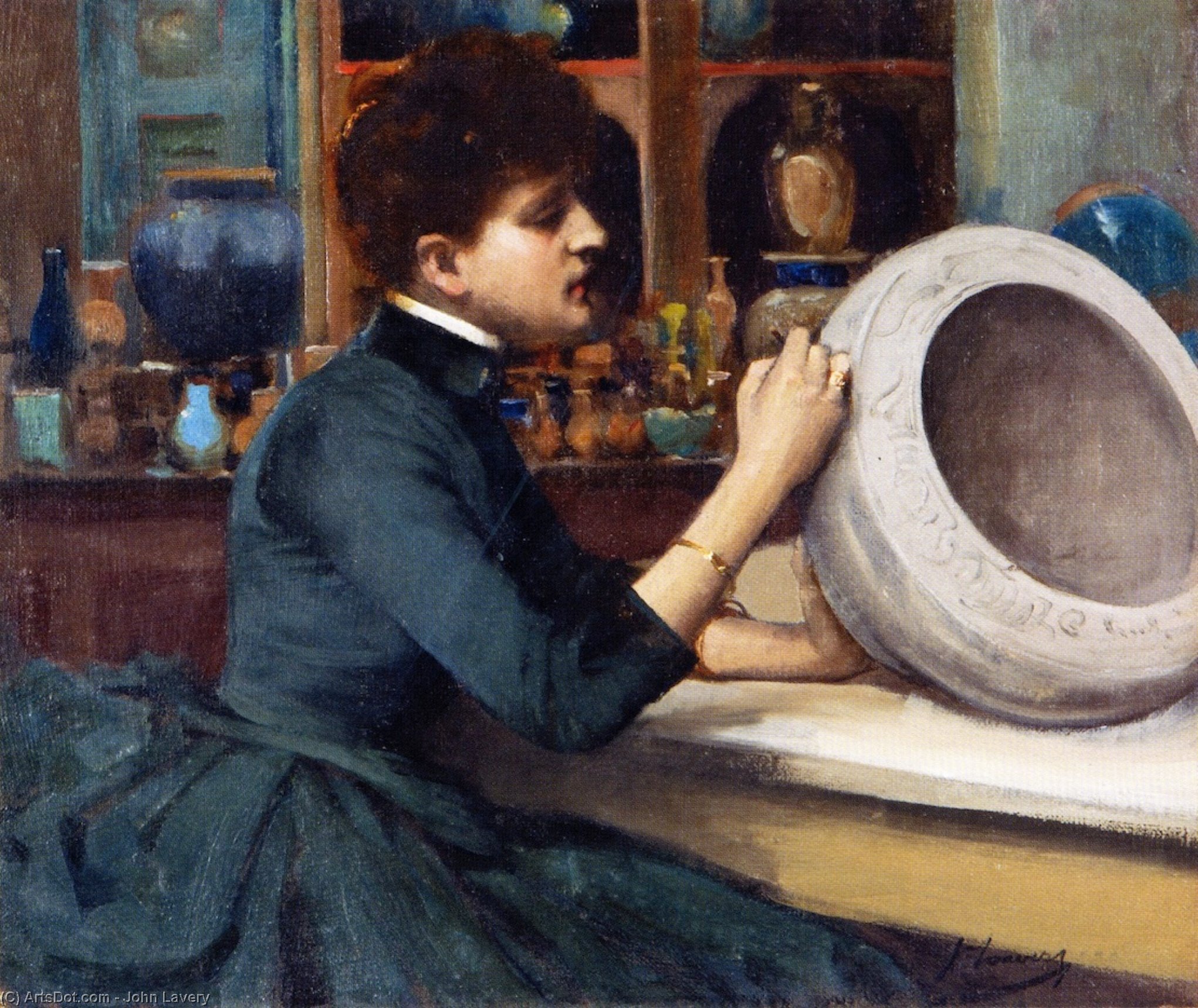
Woman Painting a Pot at the Glasgow International Exhibition
 Oil On Canvas
- WallArt
- Glasgow School Impressionism
 1888
1888- 19th Century
 Kelvingrove Kunstgalerie und Museum
 Weiterlesen
Giclée / Kunstdruck
Giclée- oder Leinwanddruck in Museumsqualität mit schneller Produktion und flexiblen Veredelungsoptionen. ( Handgemalte Reproduktion bestellen Bild kaufen)




P118B $10

P118H $10

P118W $10

P438Z $10

P508JH $12

P508YH $12

P805H $10

P805Z $10

P919BZ $10

P919G $10

P919XJ $10

P959ZH $10

P968JZ $12

W106C $8

W218G $10

W218JH $8

W218Y $10

W307PJ $10

W316G $10

W316PJ $8

W316Y $10

W398PJ $8

W4111J $10

W500HY $15

W500JH $15

W692G $12

W849H $8

W940BG $15

W953PJ $8




Wählen Sie aus unseren vordefinierten Formaten, die den ursprünglichen Proportionen des Kunstwerks entsprechen.

Sie können Ihre eigenen Maße eingeben, um ein bestimmtes Format oder einen speziellen Platz einzupassen. Wenn das von Ihnen gewählte Format nicht den Proportionen des Originalbildes entspricht, werden wir das Kunstwerk entweder beschneiden oder das Bild mit einem gespiegelten oder einfarbigen Rand erweitern. Ein digitaler Entwurf wird Ihnen zur Genehmigung zugesandt, bevor die Produktion beginnt.
Bitte beachten Sie, dass die Vorschau auf dem Bildschirm nicht den tatsächlichen Zuschnitt oder die Erweiterung widerspiegelt. Nur der Entwurf zeigt die endgültige Komposition präzise an.
Obwohl Sondermaße verfügbar sind, empfehlen wir die Auswahl eines Maßes aus der vordefinierten Liste, um die ursprünglichen Proportionen zu bewahren.
Weltweiter Versand () innerhalb von 2 Wochen statt der üblichen 4/5 Wochen. (4 September)

Kostenloser weltweiter Expressversand

Hochwertige Leinenleinwand

Umfassender Versicherungsschutz beim Versand

Zollgebühren-Rückerstattungsgarantie

Garantie für exakte Farbtreue

60 Tage Rückgaberecht (nur bei Mängeln)

100% Geld-zurück-Garantie

Mengenrabatt verfügbar
 Die Glasoption ist nur für Größen unter 110 cm verfügbar.

Woman Painting a Pot at the Glasgow International Exhibition
Giclée / Kunstdruck
Format der Reproduktion
-


Gesamtpreis
$ 62
A Moment Frozen in Glaze and Light
In the quiet intimacy of an artist’s studio, Sir John Lavery captures a scene that transcends mere documentation, offering instead a profound meditation on the act of creation. “Woman Painting a Pot at the Glasgow International Exhibition” is far more than a portrait; it is a luminous window into the soul of Victorian craftsmanship. As we gaze upon the subject, we find ourselves drawn into her intense focus, watching as she delicately applies glaze to a large vase. The painting breathes with the atmosphere of 1888, a year when Glasgow stood at the precipice of industrial and artistic glory. Through Lavery’s eyes, the mundane task of pottery decoration is elevated to a sacred ritual, inviting the viewer to appreciate the quiet dignity found in dedicated labor.
The composition is masterfully orchestrated to guide the eye through a narrative of texture and light. Lavery employs a technique that sits beautifully at the intersection of Realism and Impressionism. While his brushwork possesses the controlled precision required to render the smooth surface of ceramic and the delicate anatomy of the woman's hands, there is an unmistakable Impressionistic softness in how he handles light. The diffused glow filtering through the studio windows does not merely illuminate the scene; it wraps around the objects, softening the edges of scattered bottles and jars, and creating a sense of atmospheric depth. For the collector or interior designer, this interplay of light and shadow offers a sophisticated tonal harmony that can breathe life and warmth into any curated space.
The Spirit of the Glasgow School
To understand this masterpiece, one must understand the era of its birth. Created for the landmark Glasgow International Exhibition, the work embodies the very essence of the Glasgow School. This movement was characterized by a unique Scottish sensibility—a refusal to abandon the weight of reality while simultaneously embracing the expressive, emotive potential of light and color. Lavery, though trained in the prestigious academies of Paris, brought back to Scotland a refined ability to use subtle color harmonies to convey mood. In this painting, he avoids the garishness of pure realism, opting instead for a palette that feels grounded yet ethereal, much like the mist over the River Clyde.
Every element within the frame serves a symbolic purpose. The vase itself, the focal point of the woman's devotion, acts as a metaphor for the culmination of creative effort—the transformation of raw material into art. The surrounding clutter of the studio—the bowls, the bottles, the tools of the trade—creates a believable, lived-in environment that reinforces the theme of industriousness. There is a profound psychological depth here; Lavery does not just paint a woman working; he paints the internal state of concentration and the quiet passion of the maker. This emotional resonance makes the piece an enduring choice for those seeking art that provides both intellectual stimulation and a sense of tranquil inspiration.
An Enduring Legacy for the Modern Collector
For the discerning decorator or art enthusiast, a high-quality reproduction of this work offers more than just aesthetic beauty; it offers a connection to a pivotal moment in art history. The painting’s ability to anchor a room with its muted, sophisticated tones makes it an ideal centerpiece for contemporary interiors that value classical elegance and narrative depth. Whether placed in a sunlit library or a modern living space, the presence of Lavery’s subject brings a sense of timelessness and a quiet, contemplative energy.
Owning a piece that celebrates the intersection of industry and art allows one to surround themselves with the spirit of innovation. As we look upon this woman at her craft, we are reminded that true beauty is often found in the meticulous, the patient, and the handmade. This work remains a testament to Sir John Lavery’s genius and a breathtaking tribute to the enduring power of the human creative spirit.
Ähnliche Kunstwerke
Über den Künstler
Sir John Lavery: Ein Leben in Porträts und Gesellschaft
- Geboren: Belfast, Irland (1856)
- Gestorben: 1941
Sir John Lavery RA war ein hoch angesehener irischer Maler, der für seine fesselnden Porträts und eindringlichen Darstellungen von Kriegsszenen bekannt ist. Geboren in Belfast, zeigte er früh künstlerisches Talent, besuchte die Haldane Academy in Glasgow in den 1870er Jahren und verbesserte seine Fähigkeiten weiter an der Académie Julian in Paris in den frühen 1880er Jahren.
Frühe Karriere & Einflüsse
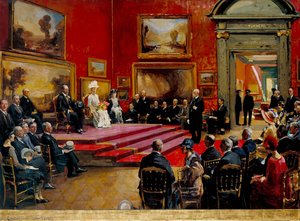
Nach seiner Rückkehr nach Glasgow wurde Lavery mit den Künstlern der einflussreichen Glasgow School assoziiert. Ein entscheidender Moment kam 1888, als er den Auftrag erhielt, den Besuch von Königin Victoria bei der Internationalen Ausstellung in Glasgow zu malen. Dieser prestigeträchtige Auftrag startete seine Karriere als gefragter Gesellschaftsmaler und veranlasste ihn kurz darauf, nach London umzuziehen.
- Frühe Einflüsse: Lavery wurde deutlich von James McNeill Whistler beeinflusst, was sich in seinem künstlerischen Stil und seiner Herangehensweise an Porträts widerspiegelt.
- Glasgow School Assoziation: Seine Zeit mit der Glasgow School förderte eine ausgeprägte ästhetische Sensibilität, die seine späteren Werke prägte.
Kriegsdarstellungen & Offizielle Anerkennung
Wie William Orpen wurde Lavery während des Ersten Weltkriegs zum offiziellen Kriegskünstler ernannt. Aufgrund anhaltender gesundheitlicher Probleme und eines schweren Autounfalls infolge eines Zeppelin-Bombenangriffs konnte er jedoch nicht an der Westfront dienen. Stattdessen konzentrierte er sich darauf, Kriegsszenen innerhalb Großbritanniens festzuhalten und fing Boote, Flugzeuge und Luftschiffe ein.
- Offizieller Kriegskünstler: Trotz Einschränkungen leisteten Lavery’s Beiträge als offizieller Kriegskünstler wertvolle visuelle Aufzeichnungen eines Landes im Krieg.
- Bemerkenswerte Kriegswerke: Seine Serie umfasste "War Room – zeigt die Kapitulation der Hochseeflotte 1918", "Munitions, Newcastle, 1917" und “A Coast Defence – eine 18-Pfund-Flakkanone, Tyneside, 1917.”
Späteres Leben & Vermächtnis
Nach dem Krieg wurde Lavery zum Sir erhoben und 1921 in die Royal Academy aufgenommen. Sein persönliches Leben war eng mit bedeutenden historischen Ereignissen verbunden; er und seine Frau Hazel spielten eine diskrete Rolle im Irischen Unabhängigkeitskrieg und Bürgerkrieg, indem sie ihr Londoner Haus für irische Verhandlungsführer zur Verfügung stellten. Er verewigte Michael Collins mit seinem Gemälde "Michael Collins, Love of Ireland", das sich heute in der Hugh Lane Municipal Gallery befindet.
- Anglo-Irische Beziehungen: Die Beteiligung der Lavery’s spiegelte eine komplexe Beziehung zwischen Großbritannien und Irland während einer Zeit intensiver politischer Umwälzungen wider.
- Hazels Einfluss: Hazel Lavery, seine Frau, wurde häufig in seinen Gemälden abgebildet und diente von 1928 bis 1975 als allegorische Figur "Irland" auf irischen Banknoten.
- Großzügige Förderung: Lavery spendete großzügig Werke an das Ulster Museum und die Hugh Lane Municipal Gallery, was sein Vermächtnis in der irischen Kunst festigte.
Künstlerischer Stil & Hauptwerke
Laverys künstlerischer Stil vereinte Elemente des Impressionismus mit einem scharfen Auge für die Erfassung von Persönlichkeit und Atmosphäre. Seine Porträts werden für ihren Realismus, ihre Eleganz und ihre aufschlussreiche Darstellung des Charakters gefeiert. Er war auch ein begabter Landschafts- und Alltagsszenenmaler.
- Hauptwerke: "Die Eröffnung der Modern Foreign and Sargent Galleries in der Tate Gallery, 26. Juni 1926," “On the Loing: An Afternoon Chat (auch bekannt als Unter der Kirschbaum),” "A Visitor to the Studio," "Eileen, Her First Communion."
- Wiederkehrende Themen: Porträts von prominenten Persönlichkeiten, Szenen des britischen Gesellschaftslebens und Darstellungen von Kriegserfahrungen standen im Mittelpunkt seines Werkes.
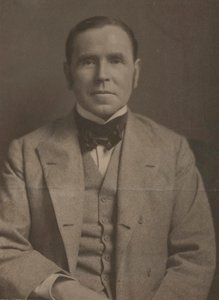
Sir John Lavery
1856 - 1941 , Irland
Kurzinfos
- Beeinflusste Künstler: ['James McNeill Whistler']
- Bemerkenswerte Werke:
- Michael Collins, Love of Ireland
- Sommer am Fluss
- Kriegsraum – Kapitulation
- Lady Lavery
- Der Künstlers Atelier
- Ein Besucher im Studio
- Am Loing: Nachmittagsgespräch
- Geburtsdatum: 1856
- Geburtsort: Belfast, Irland
- Künstlerische Richtung: Impressionismus
- Nationalität: Irisch
- Sterbedatum: 1941
- Vollständiger Name: Sir John Lavery
Ähnliche Artikel
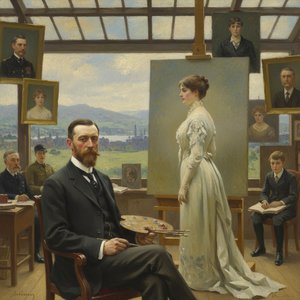
Sir John Lavery: A Study in Scottish Impressionism & the Portraiture of a Generation
Explore the life & art of Sir John Lavery, a master of Scottish Impressionism and renowned portraitist. Discover his captivating works, Irish heritage, and lasting legacy with ArtsDot.
The Alchemy of Clay: A Collector's Guide to the Mastery, Texture, and Timeless Form of Ceramic Art
Discover the profound beauty of ceramic art. Our expert guide explores the alchemy of clay, texture, and glaze, offering collectors deep insights into mastering earth and fire to create timeless, sculptural masterpieces for any curated collection.
The Hague School: Realism, Atmosphere & the Dawn of Dutch Impressionism
Explore the Hague School's pivotal role in Dutch art history. Discover realism, atmospheric landscapes & its influence on Impressionism. Learn about key artists like Mauve & Maris with ArtsDot.

Impressionismus Meisterwerke: Die Top 10 Kunstwerke für Ihr Zuhause | ArtsDot
Entdecken Sie die Top 10 Meisterwerke des Impressionismus! Von Monet bis Renoir – erfahren Sie die Geschichten hinter berühmten Gemälden, Techniken & Farben. Hochwertige Kunstdrucke auf ArtsDot.com.
Elizabeth Adela Forbes: Eine Pionierin des Impressionismus und ihr Einfluss auf die Newlyn School
Entdecken Sie Elizabeth Adela Forbes, eine Pionierin des Impressionismus und Schlüsselfigur der Newlyn School! Erfahren Sie mehr über ihr Leben, Werk und ihren Einfluss auf die Kunstgeschichte. Jetzt lesen!