 Vorschau anzeigen
 Versenden
 Teilen
 Details anzeigen

 Herunterladen
 Ähnliche Objekte
 Röntgenaufnahme
 Diashow
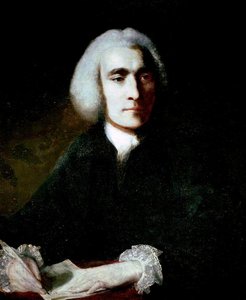
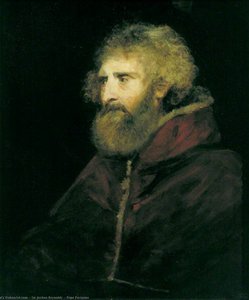
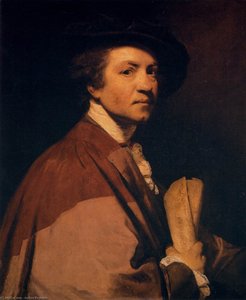
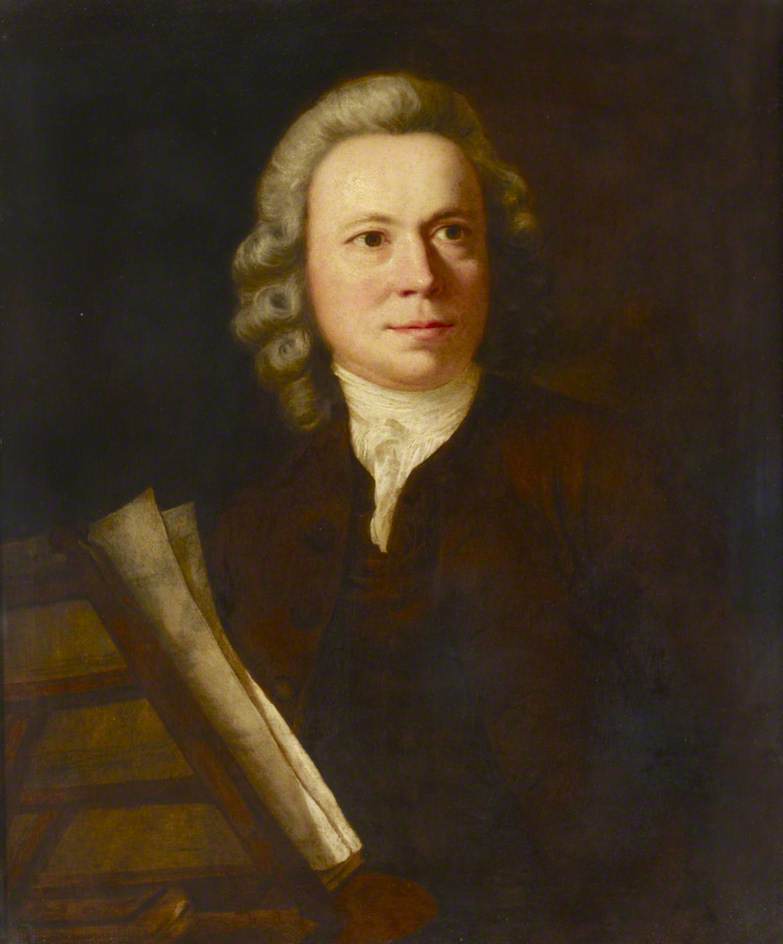
Called 'Johann Christoph Pepusch (1667–1752)'
 Öl auf Leinwand
- Wandkunst
- Neoclassicism
 1749
1749 74.0 x 62.0 cm
 Royal College of Music
 Weiterlesen
Handgefertigte Ölreproduktion
Handgemaltes Ölgemälde auf Leinwand in Ihrer Wunschgröße und mit Rahmen, auf Bestellung von unseren Künstlern angefertigt. ( Druck bestellen Bild kaufen)




P118B $10

P118H $10

P118W $10

P438Z $10

P508JH $12

P508YH $12

P805H $10

P805Z $10

P919BZ $10

P919G $10

P919XJ $10

P959ZH $10

P968JZ $12

W106C $8

W218G $10

W218JH $8

W218Y $10

W307PJ $10

W316G $10

W316PJ $8

W316Y $10

W398PJ $8

W4111J $10

W500HY $15

W500JH $15

W692G $12

W849H $8

W940BG $15

W953PJ $8




Wählen Sie aus unseren vordefinierten Formaten, die den ursprünglichen Proportionen des Kunstwerks entsprechen.

Sie können Ihre eigenen Maße eingeben, um einen bestimmten Rahmen oder Platz auszufüllen. Wenn die gewählte Größe nicht den Proportionen des Originalbildes entspricht, werden wir das Kunstwerk entweder beschneiden oder das Gemälde durch zusätzliche, handgemalte Elemente erweitern. Ein digitales Mockup wird Ihnen zur Genehmigung zugesandt, bevor die Produktion beginnt.
Bitte beachten Sie, dass die Bildschirmvorschau nicht die tatsächliche Beschneidung oder Erweiterung widerspiegelt. Nur das Mockup zeigt die endgültige Komposition exakt an.
Obwohl Sondermaße verfügbar sind, empfehlen wir, eine Größe aus der vordefinierten Liste zu wählen, um die ursprünglichen Proportionen beizubehalten.
Nach der Bestellung wird das ArtsDot.com-Team dem Kunden Anweisungen per E-Mail zusenden und eine Mockup-Vorschau bereitstellen.
Weltweiter Versand () in nur 3 bis 4 Wochen statt der üblichen 5 Wochen. (24 August). Keine Kompromisse bei der Qualität.

Kostenloser weltweiter Expressversand

Hochwertige Leinenleinwand

Umfassender Versicherungsschutz beim Versand

Zollgebühren-Rückerstattungsgarantie

Garantie für exakte Farbtreue

60 Tage Rückgaberecht (nur bei Mängeln)

100% Geld-zurück-Garantie

Mengenrabatt verfügbar
 Die Glasoption ist nur für Größen unter 110 cm verfügbar.

Called 'Johann Christoph Pepusch (1667–1752)'
Art der Reproduktion
Format der Reproduktion
-


Gesamtpreis
$ 263
Beschreibung des Kunstwerks
A Window into the Enlightenment: Sir Joshua Reynolds’ ‘Johann Christoph Pepusch’
Sir Joshua Reynolds' “Johann Christoph Pepusch,” painted in 1749, isn’t merely a portrait; it’s a meticulously crafted window into the intellectual and social currents of 18th-century England. This captivating work, currently residing at the Royal College of Music in London, offers a glimpse into the world of musical scholarship and aristocratic patronage – a realm where intellect, refinement, and artistic skill converged. The painting depicts Pepusch, a German composer and musician who served as Kapellmeister to Frederick II, King of Prussia, and later to George II, King of Great Britain. Reynolds’ masterful handling of light, shadow, and texture elevates the scene beyond a simple likeness, imbuing it with an atmosphere of thoughtful contemplation and quiet authority.
Reynolds, considered the “father” of British portraiture, was deeply influenced by the Neoclassical ideals prevalent during the Enlightenment. He sought to elevate the genre, moving away from the often-frivolous depictions of earlier periods and embracing a more idealized and dignified representation of his subjects. Pepusch embodies this shift perfectly – he’s not presented as a mere musician, but as a learned gentleman engaged in serious intellectual pursuits. The composition itself is carefully orchestrated; the seated posture, the focused gaze, and the stack of papers all contribute to a sense of profound concentration.
The Language of Form: Technique and Composition
Technically, “Johann Christoph Pepusch” showcases Reynolds’ signature ‘Grand Style,’ characterized by its smooth surfaces, subtle gradations of color, and meticulous attention to detail. He employed a layering technique – building up the image through multiple thin applications of oil paint—to achieve an incredible level of luminosity and depth. Note the way light catches on the folds of Pepusch's coat, highlighting the texture of the fabric and creating a sense of three-dimensionality. The use of chiaroscuro (the contrast between light and dark) is particularly effective in sculpting Pepusch’s face, emphasizing his features and drawing attention to his intense expression.
The composition is balanced and harmonious, with a clear pyramidal structure that anchors the figure within the frame. Reynolds skillfully uses perspective to create a sense of space – the background fades into a dark brown haze, directing the viewer's eye directly to Pepusch. The arrangement of the papers suggests a scholarly environment, reinforcing the subject’s intellectual role. The careful placement of each element contributes to a feeling of order and control, reflecting the values of the Enlightenment.
Symbolism and Context: A Portrait of an Era
Beyond its technical brilliance, “Johann Christoph Pepusch” is rich in symbolic meaning. The stack of papers represents Pepusch’s scholarly work – his compositions, musical scores, or perhaps even legal documents related to his position as a court musician. His serious expression suggests not just intellectual engagement but also a sense of responsibility and authority. The powdered white wig, fashionable at the time, signifies status and erudition within the aristocratic circles he inhabited.
Painted in 1749, the work reflects the cultural climate of Britain during the reign of George II. Music held a prominent place in courtly life, and musicians like Pepusch were highly valued for their ability to entertain and impress the King. Reynolds’ portrait captures this atmosphere of intellectual sophistication and aristocratic patronage – a world where art, music, and scholarship intertwined seamlessly.
A Timeless Masterpiece: Reproduction and Beyond
Reproductions of “Johann Christoph Pepusch” offer an accessible way to experience the artistry and historical significance of this remarkable painting. ArtsDot’s high-quality reproductions faithfully capture the nuances of Reynolds' brushwork, color palette, and overall composition. Whether displayed in a formal study or a contemporary living space, this portrait serves as a reminder of the enduring power of art to illuminate the past and inspire the present.
Consider commissioning a custom reproduction in a size that complements your décor – from intimate tabletop pieces to grand statement wall hangings. Each reproduction is meticulously crafted using archival-quality materials, ensuring its longevity and preserving the beauty of Reynolds’ original masterpiece for generations to come. Explore ArtsDot's collection today and bring a touch of 18th-century elegance into your home.
Ähnliche Kunstwerke
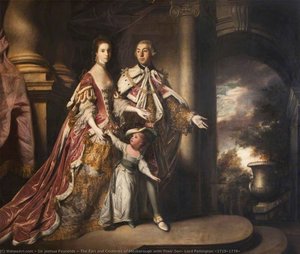
Über den Künstler
Frühes Leben und Ausbildung
Sir Joshua Reynolds, eine bedeutende Figur der britischen Kunst des 18. Jahrhunderts, wurde am 16. Juli 1723 in Plympton, Devon geboren. Er war das dritte Kind von Reverend Samuel Reynolds, dem Leiter der Plympton Free Grammar School. Reynolds' frühes Interesse an der Kunst führte zu einer Lehrlingsausbildung bei Thomas Hudson, einem modischen Londoner Porträtmaler, von 1740 bis 1743.Aufstieg zur Prominenz
Reynolds' künstlerisches Talent und sein innovativer Stil brachten ihm schnell Anerkennung. Er wurde Gründungsmitglied und erster Präsident der Royal Academy of Arts und erhielt 1769 von König George III den Adelstitel eines Sir. Seine Förderung des "Grand Style" in der Malerei, der die Idealisierung des Unvollkommenen betonte, beeinflusste eine Generation von Künstlern.Wichtige Werke und Kooperationen
Reynolds' umfangreiche Karriere umfasst zahlreiche Porträts des britischen Adels, darunter den Duke of Devonshire und den Duke of Grafton. Seine Werke sind in verschiedenen Museen zu finden, darunter die Tate Britain (London, Großbritannien), die sein Meisterwerk "Peter Darnell Muilman, Charles Crokatt und William Keable in einer Landschaft" ausstellt. Besondere Werke sind:- Porträt von John Hayes St. Leger (Royal Collection, Hampton Court, Großbritannien)
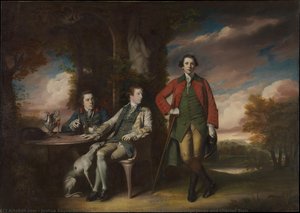
- Peter Darnell Muilman, Charles Crokatt und William Keable in einer Landschaft (Tate Britain, London, Großbritannien)
- Mr. und Mrs. William Lindow (Tate Britain, London, Großbritannien)
Entwicklung und Einfluss
Reynolds' künstlerische Entwicklung war geprägt von seiner Auseinandersetzung mit klassischen Idealen und der Betonung von Würde und Eleganz in seinen Porträts. Er strebte danach, die menschliche Figur zu idealisieren und gleichzeitig ihre individuelle Persönlichkeit einzufangen. Sein "Grand Style" wurde oft kritisiert für seine vermeintliche Distanziertheit und mangelnde emotionale Tiefe, aber er verteidigte ihn als eine Möglichkeit, die Größe und den Status seiner Auftraggeber widerzuspiegeln. Einflüsse: Reynolds' Werk zeigt Einflüsse von Peter Paul Rubens und anderen Meistern der europäischen Malerei des 17. Jahrhunderts. Er war auch ein Bewunderer klassischer Skulpturen und versuchte, deren Prinzipien in seine Gemälde zu integrieren. Er beeinflusste nachfolgende Künstler wie Thomas Gainsborough, der ebenfalls auf Porträtmalerei spezialisiert war.Historische Bedeutung
Reynolds' Vermächtnis geht über seine Kunst hinaus. Er war ein Pionier bei der Entwicklung britischer Kunstinstitutionen und spielte eine entscheidende Rolle bei der Gestaltung der künstlerischen Identität des Landes. Seine Bemühungen zur Förderung der Künste und die Gründung der Royal Academy trugen wesentlich zur Professionalisierung und Anerkennung der Künstler in Großbritannien bei. Reynolds gilt als einer der wichtigsten Porträtmaler Englands und hat das Genre nachhaltig geprägt.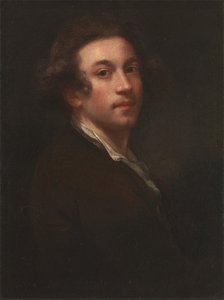
Sir Joshua Reynolds
1723 - 1792 , Vereinigtes Königreich
Kurzinfos
- Beeinflusste Künstler: ['Thomas Gainsborough']
- Bemerkenswerte Werke:
- Peter Darnell Muilman...
- Porträt von John Hayes St. Leger
- Mr und Mrs William Lindow
- Geburtsdatum: 16. Juli 1723
- Geburtsort: Plymouth, Vereinigtes Königreich
- Künstlerische Richtung: Grand Style, Porträtmalerei
- Nationalität: Britisch
- Sterbedatum: 1792
- Vollständiger Name: Sir Joshua Reynolds
- Von Künstlern Beeinflusst: ['Thomas Hudson']
Ähnliche Artikel
Sir Joshua Reynolds: Die 25 Meisterwerke des Porträtmalers | ArtsDot
Entdecken Sie die 25 Meisterwerke von Sir Joshua Reynolds! Erleben Sie Rokoko & Klassizismus durch ikonische Porträts. Hochwertige Reproduktionen für Ihr Interieur auf ArtsDot.com – jetzt entdecken!
Sir Joshua Reynolds: Gestaltung britischer Kunst durch Grand Style und gesellschaftliche Porträtmalerei
Entdecken Sie das Werk von Sir Joshua Reynolds, dem führenden englischen Porträtmaler des 18. Jahrhunderts. Erfahren Sie mehr über den 'Grand Manner', seine Einflüsse und sein Vermächtnis in der britischen Kunstgeschichte.
Die 10 Meisterwerke des Neoklassizismus: Kunst für Ihr Zuhause |
Entdecken Sie die 10 Meisterwerke des Neoklassizismus! Von David bis Canova – erleben Sie Kunstgeschichte, elegante Ästhetik & zeitlose Schönheit. Hochwertige Reproduktionen auf .

The Enduring Legacy of Oil on Canvas: Technique, History & Aesthetic Impact
Explore the rich history & techniques of oil painting – from Renaissance masters to Impressionism. Discover pigments, layering methods, and why this timeless medium endures. Expert insights for artists & art enthusiasts.

Öl auf Leinwand: Eine historische und technische Erkundung eines zeitlosen künstlerischen Mediums
Entdecken Sie die faszinierende Welt der Ölmalerei! Von historischen Techniken bis zur modernen Anwendung – wir bieten Expertenwissen, Restaurierungstipps und hochwertige Reproduktionen. Jetzt informieren!