 Vorschau anzeigen
 Versenden
 Teilen
 Details anzeigen

 Herunterladen
 Ähnliche Objekte
 Röntgenaufnahme
 Diashow
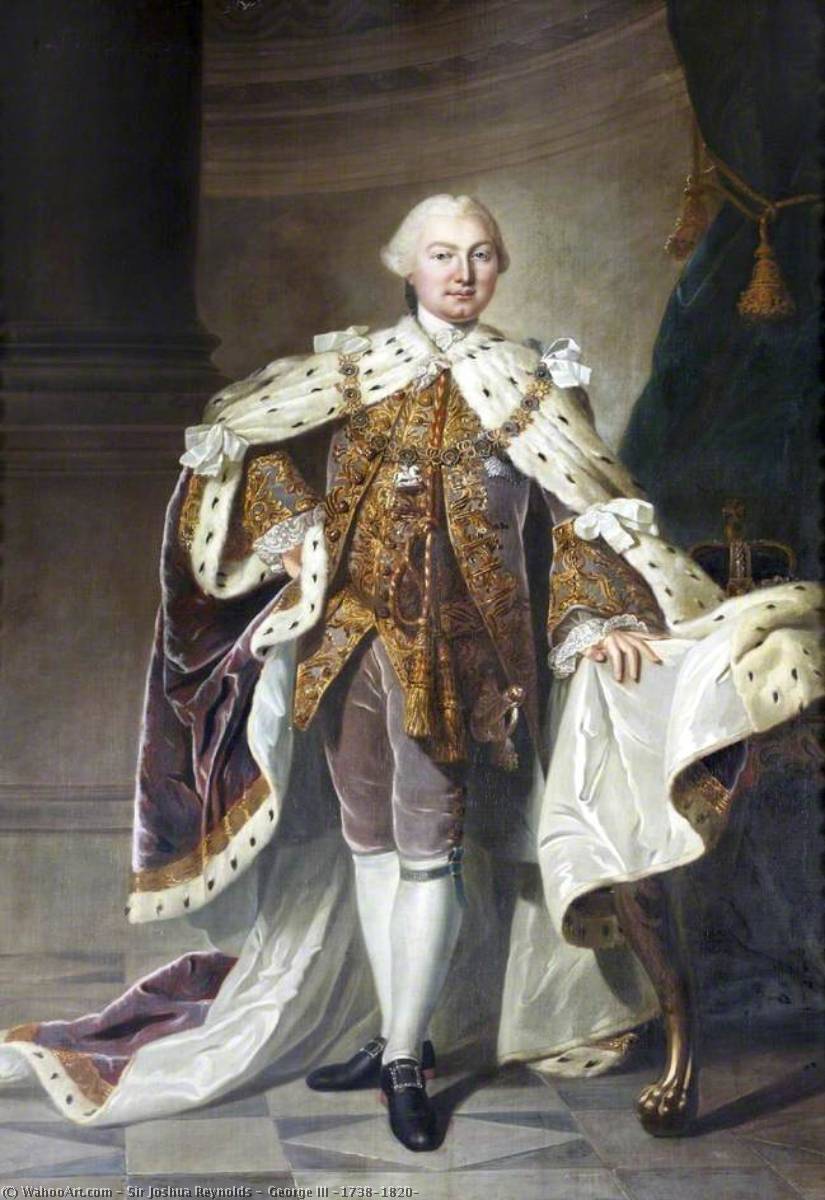
George III (1738–1820)
 Neoclassicism
 77.0 x 64.0 cm
 Tiverton Rathaus
 Weiterlesen
Giclée / Kunstdruck
Giclée- oder Leinwanddruck in Museumsqualität mit schneller Produktion und flexiblen Veredelungsoptionen. ( Handgemalte Reproduktion bestellen Bild kaufen)




P118B $10

P118H $10

P118W $10

P438Z $10

P508JH $12

P508YH $12

P805H $10

P805Z $10

P919BZ $10

P919G $10

P919XJ $10

P959ZH $10

P968JZ $12

W106C $8

W218G $10

W218JH $8

W218Y $10

W307PJ $10

W316G $10

W316PJ $8

W316Y $10

W398PJ $8

W4111J $10

W500HY $15

W500JH $15

W692G $12

W849H $8

W940BG $15

W953PJ $8




Wählen Sie aus unseren vordefinierten Formaten, die den ursprünglichen Proportionen des Kunstwerks entsprechen.

Sie können Ihre eigenen Maße eingeben, um ein bestimmtes Format oder einen speziellen Platz einzupassen. Wenn das von Ihnen gewählte Format nicht den Proportionen des Originalbildes entspricht, werden wir das Kunstwerk entweder beschneiden oder das Bild mit einem gespiegelten oder einfarbigen Rand erweitern. Ein digitaler Entwurf wird Ihnen zur Genehmigung zugesandt, bevor die Produktion beginnt.
Bitte beachten Sie, dass die Vorschau auf dem Bildschirm nicht den tatsächlichen Zuschnitt oder die Erweiterung widerspiegelt. Nur der Entwurf zeigt die endgültige Komposition präzise an.
Obwohl Sondermaße verfügbar sind, empfehlen wir die Auswahl eines Maßes aus der vordefinierten Liste, um die ursprünglichen Proportionen zu bewahren.
Weltweiter Versand () innerhalb von 2 Wochen statt der üblichen 4/5 Wochen. (22 August)

Kostenloser weltweiter Expressversand

Hochwertige Leinenleinwand

Umfassender Versicherungsschutz beim Versand

Zollgebühren-Rückerstattungsgarantie

Garantie für exakte Farbtreue

60 Tage Rückgaberecht (nur bei Mängeln)

100% Geld-zurück-Garantie

Mengenrabatt verfügbar
 Die Glasoption ist nur für Größen unter 110 cm verfügbar.

George III (1738–1820)
Giclée / Kunstdruck
Format der Reproduktion
-


Gesamtpreis
$ 62
Sammlerstück-Beschreibung
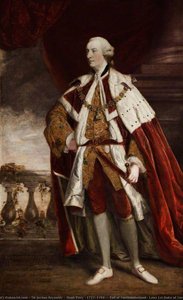
The Majesty of George III: A Portrait by Sir Joshua Reynolds
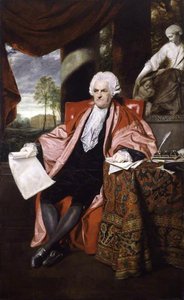
Sir Joshua Reynolds’s portrait of King George III, painted in 1779, stands as a monumental achievement within the landscape of British art – a testament to both the artist's mastery and the grandeur of the Georgian era. More than simply a likeness, this painting embodies the power, authority, and carefully constructed image of a monarch navigating a complex political world. It’s a window into the mind of a king, rendered with meticulous detail and infused with the stylistic hallmarks of Reynolds’s “Grand Style,” a technique that prioritized idealized representation over strict realism. The work resides within the Royal Collection, a testament to its enduring value and historical significance.A Vision of Power: Style and Technique
Reynolds' approach in this portrait is deeply rooted in Neoclassicism, an artistic movement that drew inspiration from the art and ideals of ancient Greece and Rome. However, Reynolds wasn’t merely replicating classical forms; he was adapting them to suit the needs of a British monarchy. The composition itself is carefully orchestrated – George III dominates the canvas with his imposing stature, seated within a richly appointed interior that speaks volumes about royal wealth and status. The use of linear perspective draws the eye towards the king, reinforcing his central importance. Reynolds’s brushwork is remarkably smooth and controlled, particularly evident in the rendering of the velvet robes, lace trim, and intricate details of the crown and scepter – symbols of absolute power. The lighting, originating from a subtle source above and to the left, casts dramatic shadows that accentuate the folds of fabric and create a sense of depth and volume, adding considerable realism to the scene. Notably, Reynolds subtly incorporates elements of portraiture conventions of the era, emphasizing the king’s dignified bearing and serene expression – qualities essential for projecting an image of stability and competence.Symbolism and Context: The King in His Realm
The setting within the painting is crucial to understanding its symbolic weight. The draped curtain or tapestry suggests a formal state room, a space reserved for important audiences and ceremonies. George III’s attire – the crimson coat, the gold embroidery, the elaborate crown, and the scepter – are all potent symbols of his authority as King of Great Britain and Ireland. The inclusion of the Garter ribbon, an honor bestowed upon him by Queen Anne, further underscores his position within the established order. Painted during George III’s reign (1760-1820), a period marked by significant political and military upheaval – including the American Revolution and protracted wars with France – the portrait served as a deliberate projection of strength and stability. It was intended to reassure both the British public and European powers that the monarchy remained firmly in control, capable of navigating turbulent times.Beyond the Surface: Emotional Resonance
Despite the formality of the subject matter, Reynolds masterfully captures a sense of quiet dignity within George III’s expression. The king's gaze is direct and unwavering, conveying an air of authority and self-assurance. The subtle hint of melancholy in his eyes suggests a man burdened by the responsibilities of leadership – a sentiment that resonates deeply with viewers even today. This isn’t simply a representation of a ruler; it’s a portrait of a complex individual grappling with the challenges of his time. The painting invites contemplation, prompting us to consider not only George III's role as king but also the broader themes of power, duty, and human experience that lie beneath the surface. The work remains a powerful reminder of Reynolds’s skill in capturing both the outward appearance and the inner character of his subjects, solidifying its place as a cornerstone of British portraiture.Ähnliche Kunstwerke
Über den Künstler
Frühes Leben und Ausbildung
Sir Joshua Reynolds, eine bedeutende Figur der britischen Kunst des 18. Jahrhunderts, wurde am 16. Juli 1723 in Plympton, Devon geboren. Er war das dritte Kind von Reverend Samuel Reynolds, dem Leiter der Plympton Free Grammar School. Reynolds' frühes Interesse an der Kunst führte zu einer Lehrlingsausbildung bei Thomas Hudson, einem modischen Londoner Porträtmaler, von 1740 bis 1743.Aufstieg zur Prominenz
Reynolds' künstlerisches Talent und sein innovativer Stil brachten ihm schnell Anerkennung. Er wurde Gründungsmitglied und erster Präsident der Royal Academy of Arts und erhielt 1769 von König George III den Adelstitel eines Sir. Seine Förderung des "Grand Style" in der Malerei, der die Idealisierung des Unvollkommenen betonte, beeinflusste eine Generation von Künstlern.Wichtige Werke und Kooperationen
Reynolds' umfangreiche Karriere umfasst zahlreiche Porträts des britischen Adels, darunter den Duke of Devonshire und den Duke of Grafton. Seine Werke sind in verschiedenen Museen zu finden, darunter die Tate Britain (London, Großbritannien), die sein Meisterwerk "Peter Darnell Muilman, Charles Crokatt und William Keable in einer Landschaft" ausstellt. Besondere Werke sind:- Porträt von John Hayes St. Leger (Royal Collection, Hampton Court, Großbritannien)
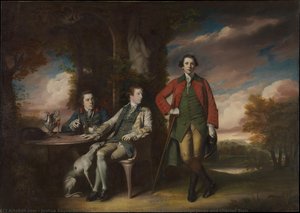
- Peter Darnell Muilman, Charles Crokatt und William Keable in einer Landschaft (Tate Britain, London, Großbritannien)
- Mr. und Mrs. William Lindow (Tate Britain, London, Großbritannien)
Entwicklung und Einfluss
Reynolds' künstlerische Entwicklung war geprägt von seiner Auseinandersetzung mit klassischen Idealen und der Betonung von Würde und Eleganz in seinen Porträts. Er strebte danach, die menschliche Figur zu idealisieren und gleichzeitig ihre individuelle Persönlichkeit einzufangen. Sein "Grand Style" wurde oft kritisiert für seine vermeintliche Distanziertheit und mangelnde emotionale Tiefe, aber er verteidigte ihn als eine Möglichkeit, die Größe und den Status seiner Auftraggeber widerzuspiegeln. Einflüsse: Reynolds' Werk zeigt Einflüsse von Peter Paul Rubens und anderen Meistern der europäischen Malerei des 17. Jahrhunderts. Er war auch ein Bewunderer klassischer Skulpturen und versuchte, deren Prinzipien in seine Gemälde zu integrieren. Er beeinflusste nachfolgende Künstler wie Thomas Gainsborough, der ebenfalls auf Porträtmalerei spezialisiert war.Historische Bedeutung
Reynolds' Vermächtnis geht über seine Kunst hinaus. Er war ein Pionier bei der Entwicklung britischer Kunstinstitutionen und spielte eine entscheidende Rolle bei der Gestaltung der künstlerischen Identität des Landes. Seine Bemühungen zur Förderung der Künste und die Gründung der Royal Academy trugen wesentlich zur Professionalisierung und Anerkennung der Künstler in Großbritannien bei. Reynolds gilt als einer der wichtigsten Porträtmaler Englands und hat das Genre nachhaltig geprägt.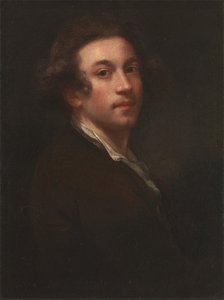
Sir Joshua Reynolds
1723 - 1792 , Vereinigtes Königreich
Kurzinfos
- Beeinflusste Künstler: ['Thomas Gainsborough']
- Bemerkenswerte Werke:
- Peter Darnell Muilman...
- Porträt von John Hayes St. Leger
- Mr und Mrs William Lindow
- Geburtsdatum: 16. Juli 1723
- Geburtsort: Plymouth, Vereinigtes Königreich
- Künstlerische Richtung: Grand Style, Porträtmalerei
- Nationalität: Britisch
- Sterbedatum: 1792
- Vollständiger Name: Sir Joshua Reynolds
- Von Künstlern Beeinflusst: ['Thomas Hudson']
Ähnliche Artikel
Sir Joshua Reynolds: Die 25 Meisterwerke des Porträtmalers | ArtsDot
Entdecken Sie die 25 Meisterwerke von Sir Joshua Reynolds! Erleben Sie Rokoko & Klassizismus durch ikonische Porträts. Hochwertige Reproduktionen für Ihr Interieur auf ArtsDot.com – jetzt entdecken!

Georges Braque: Die 25 Meisterwerke des Kubismus für Ihr Zuhause | ArtsDot
Entdecken Sie die 25 bedeutendsten Kunstwerke von Georges Braque – vom Kubismus bis zum Fauvismus. Erfahren Sie die Geschichten hinter den Meisterwerken und finden Sie hochwertige Reproduktionen für Ihr Zuhause auf ArtsDot.com.

Georges Seurat: Die 25 Meisterwerke des Pointillismus für Ihr Zuhause | ArtsDot
Entdecken Sie die 25 ikonischsten Meisterwerke von Georges Seurat! Tauchen Sie ein in die Welt des Pointillismus, der Farbtheorie und des Impressionismus. Hochwertige Kunst reproduzieren für Ihr Zuhause – jetzt auf ArtsDot.com!
Sir Joshua Reynolds: Gestaltung britischer Kunst durch Grand Style und gesellschaftliche Porträtmalerei
Entdecken Sie das Werk von Sir Joshua Reynolds, dem führenden englischen Porträtmaler des 18. Jahrhunderts. Erfahren Sie mehr über den 'Grand Manner', seine Einflüsse und sein Vermächtnis in der britischen Kunstgeschichte.
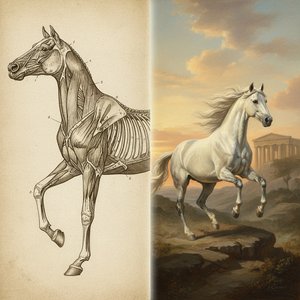
George Stubbs: Anatomische Präzision und romantische Vision in der britischen Kunst des 18. Jahrhunderts
Entdecken Sie das faszinierende Werk von George Stubbs – ein Meister der Tierporträts und Pionier anatomischer Studien. Erfahren Sie mehr über seine einzigartige Verbindung von Kunst und Wissenschaft in unserer Expertenanalyse.