 Vorschau anzeigen
 Versenden
 Teilen
 Details anzeigen

 Herunterladen
 Ähnliche Objekte
 Röntgenaufnahme
 Diashow
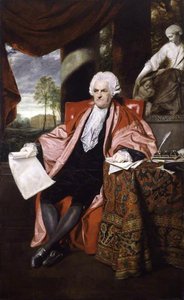
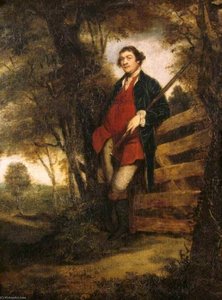
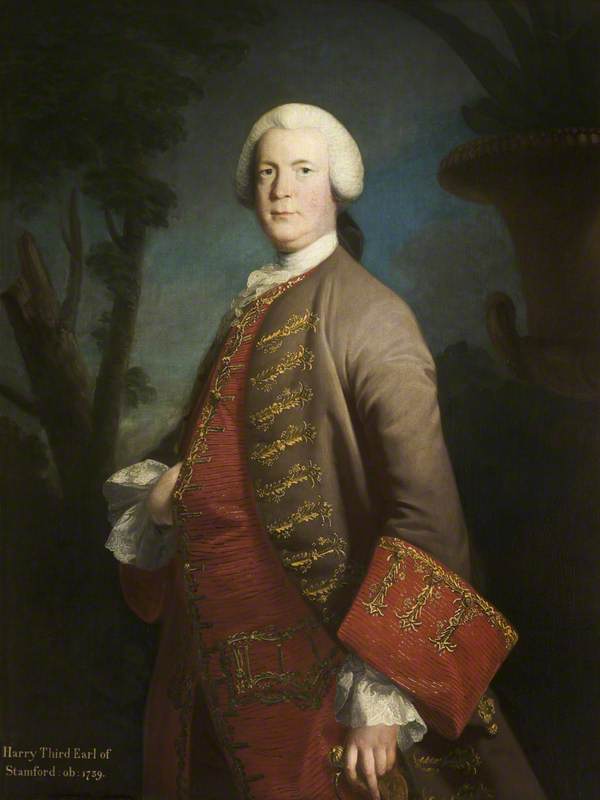
Harry Grey (1715–1768), 4th Earl of Stamford
 Oil On Canvas
- WallArt
- Rococo Portraiture
 1756
1756- 19th Century
 125.0 x 99.0 cm
 National Trust
 Weiterlesen
Giclée / Kunstdruck
Giclée- oder Leinwanddruck in Museumsqualität mit schneller Produktion und flexiblen Veredelungsoptionen. ( Handgemalte Reproduktion bestellen Bild kaufen)




P118B $10

P118H $10

P118W $10

P438Z $10

P508JH $12

P508YH $12

P805H $10

P805Z $10

P919BZ $10

P919G $10

P919XJ $10

P959ZH $10

P968JZ $12

W106C $8

W218G $10

W218JH $8

W218Y $10

W307PJ $10

W316G $10

W316PJ $8

W316Y $10

W398PJ $8

W4111J $10

W500HY $15

W500JH $15

W692G $12

W849H $8

W940BG $15

W953PJ $8




Wählen Sie aus unseren vordefinierten Formaten, die den ursprünglichen Proportionen des Kunstwerks entsprechen.

Sie können Ihre eigenen Maße eingeben, um ein bestimmtes Format oder einen speziellen Platz einzupassen. Wenn das von Ihnen gewählte Format nicht den Proportionen des Originalbildes entspricht, werden wir das Kunstwerk entweder beschneiden oder das Bild mit einem gespiegelten oder einfarbigen Rand erweitern. Ein digitaler Entwurf wird Ihnen zur Genehmigung zugesandt, bevor die Produktion beginnt.
Bitte beachten Sie, dass die Vorschau auf dem Bildschirm nicht den tatsächlichen Zuschnitt oder die Erweiterung widerspiegelt. Nur der Entwurf zeigt die endgültige Komposition präzise an.
Obwohl Sondermaße verfügbar sind, empfehlen wir die Auswahl eines Maßes aus der vordefinierten Liste, um die ursprünglichen Proportionen zu bewahren.
Weltweiter Versand () innerhalb von 2 Wochen statt der üblichen 4/5 Wochen. (31 August)

Kostenloser weltweiter Expressversand

Hochwertige Leinenleinwand

Umfassender Versicherungsschutz beim Versand

Zollgebühren-Rückerstattungsgarantie

Garantie für exakte Farbtreue

60 Tage Rückgaberecht (nur bei Mängeln)

100% Geld-zurück-Garantie

Mengenrabatt verfügbar
 Die Glasoption ist nur für Größen unter 110 cm verfügbar.

Harry Grey (1715–1768), 4th Earl of Stamford
Giclée / Kunstdruck
Format der Reproduktion
-


Gesamtpreis
$ 62
Harry Grey (1715–1768), 4th Earl of Stamford: A Portrait of Royal Authority
This meticulously crafted hand-painted reproduction captures the imposing presence of George III, King of England from 1760 to 1820, as depicted by the esteemed Sir Joshua Reynolds. Completed in 1756, this portrait transcends a simple likeness; it’s a carefully constructed statement of power and aristocratic status within the context of the mid-18th century.
- Subject: The central figure is George III himself, rendered with remarkable detail. His posture exudes confidence, reflecting his position as monarch during a period of significant political and social change.
- Attire: The King’s scarlet coat, adorned with gleaming gold buttons, immediately signifies wealth and authority – a deliberate choice by Reynolds to visually reinforce the subject's rank. The white wig, fashionable for the era, further elevates his appearance, projecting an image of regal dignity.
- Background Elements: The backdrop is subtly layered, featuring stylized trees that evoke classical landscapes and symbolize longevity and stability, alongside a vase on a pedestal – a common motif in portraiture signifying virtue and refinement.
Sir Joshua Reynolds and the Portraiture Tradition
Painted by Sir Joshua Reynolds, one of the most influential artists of the Enlightenment, this work exemplifies his mastery of classical ideals and his understanding of the conventions of aristocratic portraiture. Reynolds was a key figure in establishing the Royal Academy and championed a style that emphasized idealized beauty, careful composition, and a deep engagement with contemporary social customs. His portraits were not merely representations of individuals; they were carefully constructed narratives reflecting status, wealth, and character.
Historical Context: The painting was created during George III’s early reign, a period marked by growing tensions between the monarchy and Parliament, foreshadowing the events that would lead to the American Revolution. Reynolds skillfully navigates this delicate balance, presenting the King as a figure of strength and stability while subtly acknowledging his role within the complex political landscape.Technique and Style: A Masterclass in Illusion
Reynolds’s technique is characterized by its smooth brushwork, subtle modeling of form, and masterful use of light and shadow. He employed *sfumato*, a technique borrowed from Leonardo da Vinci, to create an atmospheric haze that softens the edges of the figure and adds depth to the composition. The black-and-white palette enhances the painting’s timeless quality, reminiscent of early engravings and further emphasizing its historical significance.
- Composition: The arrangement is carefully balanced, with George III occupying a central position that commands attention.
- Color Palette: The monochromatic scheme focuses the viewer's eye on form and detail, enhancing the portrait’s dramatic effect.
- Brushwork: Reynolds’s signature brushstrokes contribute to the painting’s overall sense of realism and elegance.
Symbolism and Emotional Impact
Beyond its formal qualities, the portrait carries significant symbolic weight. The King's confident stance and dignified attire project an image of authority and control – essential attributes for a monarch in his position. The inclusion of classical elements—the trees and vase—suggests a connection to ancient virtues and ideals, reinforcing George III’s legitimacy as ruler. This reproduction offers more than just a visual representation; it provides a window into the world of 18th-century England, inviting viewers to contemplate the power dynamics and cultural values of the era.
Ähnliche Kunstwerke
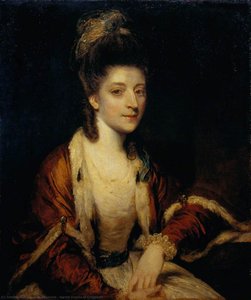
Über den Künstler
Frühes Leben und Ausbildung
Sir Joshua Reynolds, eine bedeutende Figur der britischen Kunst des 18. Jahrhunderts, wurde am 16. Juli 1723 in Plympton, Devon geboren. Er war das dritte Kind von Reverend Samuel Reynolds, dem Leiter der Plympton Free Grammar School. Reynolds' frühes Interesse an der Kunst führte zu einer Lehrlingsausbildung bei Thomas Hudson, einem modischen Londoner Porträtmaler, von 1740 bis 1743.Aufstieg zur Prominenz
Reynolds' künstlerisches Talent und sein innovativer Stil brachten ihm schnell Anerkennung. Er wurde Gründungsmitglied und erster Präsident der Royal Academy of Arts und erhielt 1769 von König George III den Adelstitel eines Sir. Seine Förderung des "Grand Style" in der Malerei, der die Idealisierung des Unvollkommenen betonte, beeinflusste eine Generation von Künstlern.Wichtige Werke und Kooperationen
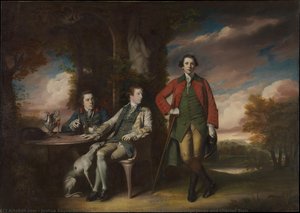
Reynolds' umfangreiche Karriere umfasst zahlreiche Porträts des britischen Adels, darunter den Duke of Devonshire und den Duke of Grafton. Seine Werke sind in verschiedenen Museen zu finden, darunter die Tate Britain (London, Großbritannien), die sein Meisterwerk "Peter Darnell Muilman, Charles Crokatt und William Keable in einer Landschaft" ausstellt. Besondere Werke sind:- Porträt von John Hayes St. Leger (Royal Collection, Hampton Court, Großbritannien)
- Peter Darnell Muilman, Charles Crokatt und William Keable in einer Landschaft (Tate Britain, London, Großbritannien)
- Mr. und Mrs. William Lindow (Tate Britain, London, Großbritannien)
Entwicklung und Einfluss
Reynolds' künstlerische Entwicklung war geprägt von seiner Auseinandersetzung mit klassischen Idealen und der Betonung von Würde und Eleganz in seinen Porträts. Er strebte danach, die menschliche Figur zu idealisieren und gleichzeitig ihre individuelle Persönlichkeit einzufangen. Sein "Grand Style" wurde oft kritisiert für seine vermeintliche Distanziertheit und mangelnde emotionale Tiefe, aber er verteidigte ihn als eine Möglichkeit, die Größe und den Status seiner Auftraggeber widerzuspiegeln. Einflüsse: Reynolds' Werk zeigt Einflüsse von Peter Paul Rubens und anderen Meistern der europäischen Malerei des 17. Jahrhunderts. Er war auch ein Bewunderer klassischer Skulpturen und versuchte, deren Prinzipien in seine Gemälde zu integrieren. Er beeinflusste nachfolgende Künstler wie Thomas Gainsborough, der ebenfalls auf Porträtmalerei spezialisiert war.Historische Bedeutung
Reynolds' Vermächtnis geht über seine Kunst hinaus. Er war ein Pionier bei der Entwicklung britischer Kunstinstitutionen und spielte eine entscheidende Rolle bei der Gestaltung der künstlerischen Identität des Landes. Seine Bemühungen zur Förderung der Künste und die Gründung der Royal Academy trugen wesentlich zur Professionalisierung und Anerkennung der Künstler in Großbritannien bei. Reynolds gilt als einer der wichtigsten Porträtmaler Englands und hat das Genre nachhaltig geprägt.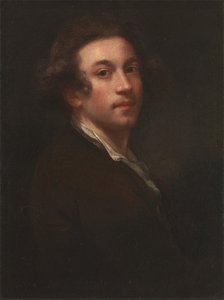
Sir Joshua Reynolds
1723 - 1792 , Vereinigtes Königreich
Kurzinfos
- Beeinflusste Künstler: ['Thomas Gainsborough']
- Bemerkenswerte Werke:
- Peter Darnell Muilman...
- Porträt von John Hayes St. Leger
- Mr und Mrs William Lindow
- Geburtsdatum: 16. Juli 1723
- Geburtsort: Plymouth, Vereinigtes Königreich
- Künstlerische Richtung: Grand Style, Porträtmalerei
- Nationalität: Britisch
- Sterbedatum: 1792
- Vollständiger Name: Sir Joshua Reynolds
- Von Künstlern Beeinflusst: ['Thomas Hudson']
Ähnliche Artikel
Sir Joshua Reynolds: Die 25 Meisterwerke des Porträtmalers | ArtsDot
Entdecken Sie die 25 Meisterwerke von Sir Joshua Reynolds! Erleben Sie Rokoko & Klassizismus durch ikonische Porträts. Hochwertige Reproduktionen für Ihr Interieur auf ArtsDot.com – jetzt entdecken!

Georges Braque: Die 25 Meisterwerke des Kubismus für Ihr Zuhause | ArtsDot
Entdecken Sie die 25 bedeutendsten Kunstwerke von Georges Braque – vom Kubismus bis zum Fauvismus. Erfahren Sie die Geschichten hinter den Meisterwerken und finden Sie hochwertige Reproduktionen für Ihr Zuhause auf ArtsDot.com.

Georges Seurat: Die 25 Meisterwerke des Pointillismus für Ihr Zuhause | ArtsDot
Entdecken Sie die 25 ikonischsten Meisterwerke von Georges Seurat! Tauchen Sie ein in die Welt des Pointillismus, der Farbtheorie und des Impressionismus. Hochwertige Kunst reproduzieren für Ihr Zuhause – jetzt auf ArtsDot.com!

Sir Alfred James Munnings: Die 25 Meisterwerke des Pferdebildes | ArtsDot
Entdecken Sie die 25 Meisterwerke von Sir Alfred James Munnings! Erleben Sie seine beeindruckenden Pferdebilder, geprägt vom Impressionismus und Realismus. Hochwertige Kunstdrucke & Reproduktionen auf ArtsDot.com – für elegante Wandkunst & stilvolles Interieurdesign.
Sir Joshua Reynolds: Gestaltung britischer Kunst durch Grand Style und gesellschaftliche Porträtmalerei
Entdecken Sie das Werk von Sir Joshua Reynolds, dem führenden englischen Porträtmaler des 18. Jahrhunderts. Erfahren Sie mehr über den 'Grand Manner', seine Einflüsse und sein Vermächtnis in der britischen Kunstgeschichte.