 Vorschau anzeigen
 Versenden
 Teilen
 Details anzeigen

 Herunterladen
 Ähnliche Objekte
 Röntgenaufnahme
 Diashow
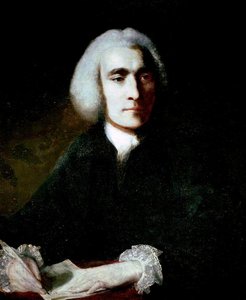
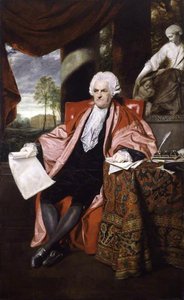
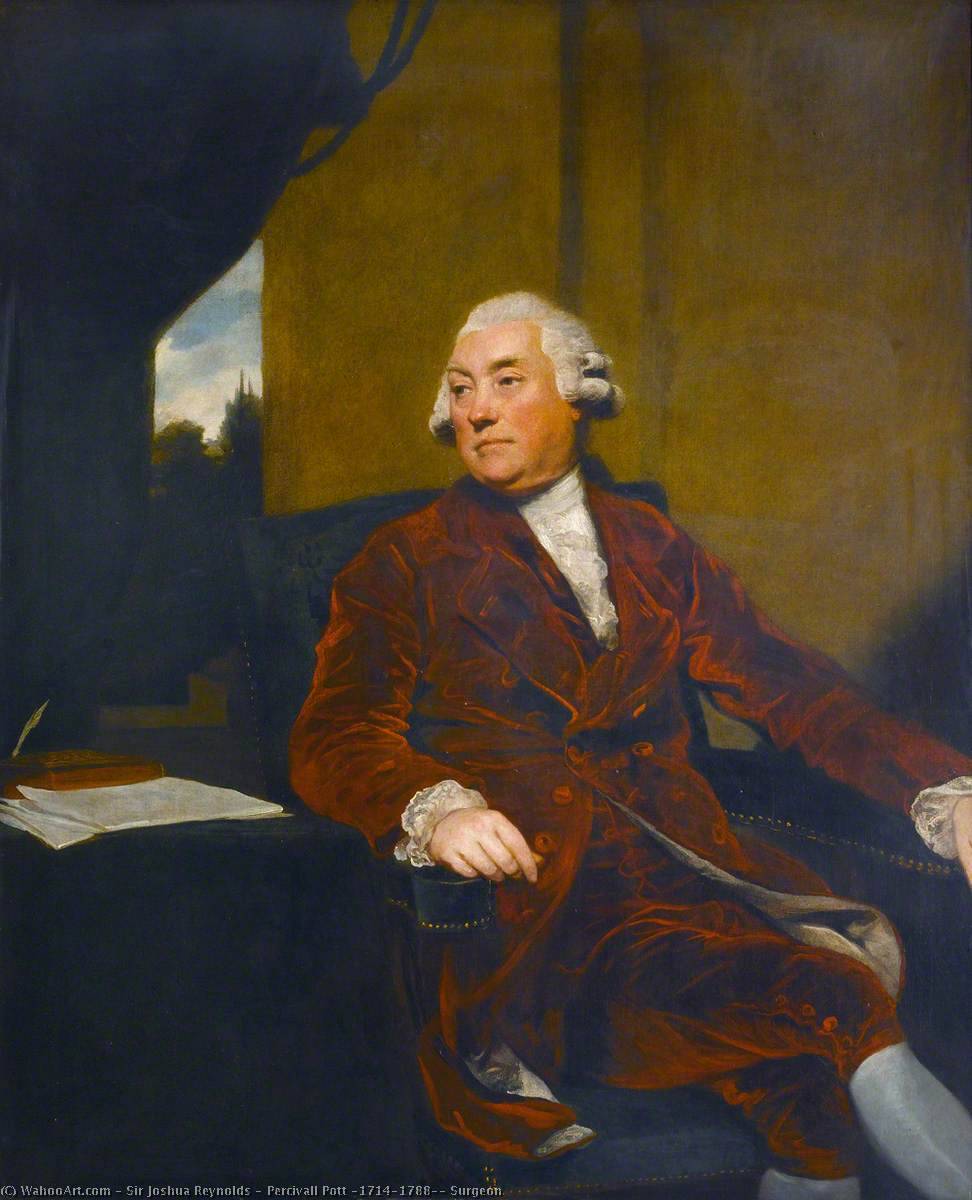
Percivall Pott (1714–1788), Surgeon
 Öl auf Leinwand
- Wandkunst
- Rococo Portrait
 1784
1784 141.0 x 111.0 cm
 St Bartholomäus-Hospital Museum und Archiv
 Weiterlesen
Handgefertigte Ölreproduktion
Handgemaltes Ölgemälde auf Leinwand in Ihrer Wunschgröße und mit Rahmen, auf Bestellung von unseren Künstlern angefertigt. ( Druck bestellen Bild kaufen)




P118B $10

P118H $10

P118W $10

P438Z $10

P508JH $12

P508YH $12

P805H $10

P805Z $10

P919BZ $10

P919G $10

P919XJ $10

P959ZH $10

P968JZ $12

W106C $8

W218G $10

W218JH $8

W218Y $10

W307PJ $10

W316G $10

W316PJ $8

W316Y $10

W398PJ $8

W4111J $10

W500HY $15

W500JH $15

W692G $12

W849H $8

W940BG $15

W953PJ $8




Wählen Sie aus unseren vordefinierten Formaten, die den ursprünglichen Proportionen des Kunstwerks entsprechen.

Sie können Ihre eigenen Maße eingeben, um einen bestimmten Rahmen oder Platz auszufüllen. Wenn die gewählte Größe nicht den Proportionen des Originalbildes entspricht, werden wir das Kunstwerk entweder beschneiden oder das Gemälde durch zusätzliche, handgemalte Elemente erweitern. Ein digitales Mockup wird Ihnen zur Genehmigung zugesandt, bevor die Produktion beginnt.
Bitte beachten Sie, dass die Bildschirmvorschau nicht die tatsächliche Beschneidung oder Erweiterung widerspiegelt. Nur das Mockup zeigt die endgültige Komposition exakt an.
Obwohl Sondermaße verfügbar sind, empfehlen wir, eine Größe aus der vordefinierten Liste zu wählen, um die ursprünglichen Proportionen beizubehalten.
Nach der Bestellung wird das ArtsDot.com-Team dem Kunden Anweisungen per E-Mail zusenden und eine Mockup-Vorschau bereitstellen.
Weltweiter Versand () in nur 3 bis 4 Wochen statt der üblichen 5 Wochen. (22 August). Keine Kompromisse bei der Qualität.

Kostenloser weltweiter Expressversand

Hochwertige Leinenleinwand

Umfassender Versicherungsschutz beim Versand

Zollgebühren-Rückerstattungsgarantie

Garantie für exakte Farbtreue

60 Tage Rückgaberecht (nur bei Mängeln)

100% Geld-zurück-Garantie

Mengenrabatt verfügbar
 Die Glasoption ist nur für Größen unter 110 cm verfügbar.

Percivall Pott (1714–1788), Surgeon
Art der Reproduktion
Format der Reproduktion
-


Gesamtpreis
$ 263
Beschreibung des Kunstwerks
A Portrait of Victorian Dignity: Percivall Pott’s Masterpiece
Sir Joshua Reynolds's "Percivall Pott (1714–1788), Surgeon" is more than just a portrait; it’s a window into the burgeoning world of 18th-century medicine and the rise of the modern surgeon. Painted in 1784, this remarkable work captures not merely the likeness of Percivall Pott, but also his intellect, his dedication to his profession, and a subtle hint of the man's profound impact on medical understanding. The painting immediately commands attention with its rich palette – deep reds and browns dominate, contrasted by the crisp white trim of Pott’s attire and the warm glow emanating from the candlelight illuminating his face. Reynolds masterfully employs chiaroscuro, the dramatic interplay of light and shadow, to sculpt Pott's features, emphasizing his thoughtful gaze and conveying a sense of quiet authority.
Reynolds’s approach was revolutionary for portraiture at the time. He moved beyond simple likenesses, striving instead to capture the subject’s character and inner life. This is evident in Pott’s posture – seated upright with an air of deliberate composure, suggesting both confidence and a rigorous intellect. The carefully chosen details—the open book on his desk, the surgical instruments subtly visible—speak volumes about his profession and his commitment to knowledge. The background, rendered with understated elegance, provides context without distracting from the central figure. It’s a scene of scholarly contemplation, reflecting Pott's life as both a respected surgeon and an avid student of medicine.
A Pioneer in Surgical Observation
Percivall Pott was a truly groundbreaking figure in the history of surgery. Born into modest circumstances, he rose to prominence through his exceptional skills and meticulous observation. His most significant contribution lies in his pioneering work on cancer, specifically his identification of chimney sweeps’ carcinoma – a disease directly linked to exposure to soot and other airborne particles. This discovery, documented in his 1775 pamphlet *Chirurgical Observations Relative to the Cataract, the Polypus of the Nose, the Cancer of the Scrotum*, marked a pivotal moment in medical science, establishing the concept that environmental factors could contribute to disease development. It demonstrated a remarkable ability to connect seemingly disparate observations and formulate a groundbreaking hypothesis – a hallmark of scientific inquiry.
Pott’s legacy extends beyond this single discovery. He was also instrumental in refining surgical techniques, advocating for less invasive procedures and emphasizing the importance of careful patient care. His commitment to anatomical knowledge and his willingness to challenge established practices earned him respect among his peers and cemented his place as one of the most influential surgeons of his era. His work laid the foundation for modern orthopaedics and significantly advanced our understanding of disease etiology.
The Painter’s Technique & Reynolds' Influence
Reynolds’s skill in capturing texture and detail is particularly evident in this portrait. The rich velvet of Pott’s coat, the sheen of his spectacles, and the subtle wrinkles around his eyes are rendered with astonishing precision. He utilized a technique known as “stippling,” applying countless tiny dots of paint to create tonal variations and achieve remarkable depth and luminosity. This method, combined with his masterful use of light and shadow, gives the portrait an almost three-dimensional quality.
Furthermore, Reynolds’s influence on British art was immense. He championed the “Grand Style,” a sophisticated approach that emphasized idealized beauty and classical forms. His portraits were not merely representations of likenesses; they were carefully constructed narratives designed to convey the subject's status, character, and accomplishments. "Percivall Pott" exemplifies this approach perfectly, showcasing Reynolds’s ability to elevate portraiture beyond mere documentation into a form of artistic expression. The painting stands as a testament to Reynolds’s genius and his enduring impact on the history of art.
A Timeless Reflection
“Percivall Pott (1714–1788), Surgeon” is more than just a historical artifact; it's a powerful meditation on intellect, dedication, and the pursuit of knowledge. The portrait’s enduring appeal lies in its ability to connect with viewers on an emotional level – evoking a sense of admiration for Pott’s accomplishments and reflecting on the timeless themes of human curiosity and scientific discovery. Reproductions of this masterpiece offer a unique opportunity to bring this remarkable work into any setting, adding a touch of Victorian dignity and intellectual gravitas to your home or office.
Ähnliche Kunstwerke
Über den Künstler
Frühes Leben und Ausbildung
Sir Joshua Reynolds, eine bedeutende Figur der britischen Kunst des 18. Jahrhunderts, wurde am 16. Juli 1723 in Plympton, Devon geboren. Er war das dritte Kind von Reverend Samuel Reynolds, dem Leiter der Plympton Free Grammar School. Reynolds' frühes Interesse an der Kunst führte zu einer Lehrlingsausbildung bei Thomas Hudson, einem modischen Londoner Porträtmaler, von 1740 bis 1743.Aufstieg zur Prominenz
Reynolds' künstlerisches Talent und sein innovativer Stil brachten ihm schnell Anerkennung. Er wurde Gründungsmitglied und erster Präsident der Royal Academy of Arts und erhielt 1769 von König George III den Adelstitel eines Sir. Seine Förderung des "Grand Style" in der Malerei, der die Idealisierung des Unvollkommenen betonte, beeinflusste eine Generation von Künstlern.Wichtige Werke und Kooperationen
Reynolds' umfangreiche Karriere umfasst zahlreiche Porträts des britischen Adels, darunter den Duke of Devonshire und den Duke of Grafton. Seine Werke sind in verschiedenen Museen zu finden, darunter die Tate Britain (London, Großbritannien), die sein Meisterwerk "Peter Darnell Muilman, Charles Crokatt und William Keable in einer Landschaft" ausstellt. Besondere Werke sind:- Porträt von John Hayes St. Leger (Royal Collection, Hampton Court, Großbritannien)
- Peter Darnell Muilman, Charles Crokatt und William Keable in einer Landschaft (Tate Britain, London, Großbritannien)
- Mr. und Mrs. William Lindow (Tate Britain, London, Großbritannien)
Entwicklung und Einfluss
Reynolds' künstlerische Entwicklung war geprägt von seiner Auseinandersetzung mit klassischen Idealen und der Betonung von Würde und Eleganz in seinen Porträts. Er strebte danach, die menschliche Figur zu idealisieren und gleichzeitig ihre individuelle Persönlichkeit einzufangen. Sein "Grand Style" wurde oft kritisiert für seine vermeintliche Distanziertheit und mangelnde emotionale Tiefe, aber er verteidigte ihn als eine Möglichkeit, die Größe und den Status seiner Auftraggeber widerzuspiegeln. Einflüsse: Reynolds' Werk zeigt Einflüsse von Peter Paul Rubens und anderen Meistern der europäischen Malerei des 17. Jahrhunderts. Er war auch ein Bewunderer klassischer Skulpturen und versuchte, deren Prinzipien in seine Gemälde zu integrieren. Er beeinflusste nachfolgende Künstler wie Thomas Gainsborough, der ebenfalls auf Porträtmalerei spezialisiert war.Historische Bedeutung
Reynolds' Vermächtnis geht über seine Kunst hinaus. Er war ein Pionier bei der Entwicklung britischer Kunstinstitutionen und spielte eine entscheidende Rolle bei der Gestaltung der künstlerischen Identität des Landes. Seine Bemühungen zur Förderung der Künste und die Gründung der Royal Academy trugen wesentlich zur Professionalisierung und Anerkennung der Künstler in Großbritannien bei. Reynolds gilt als einer der wichtigsten Porträtmaler Englands und hat das Genre nachhaltig geprägt.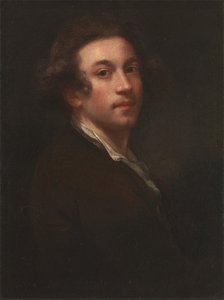
Sir Joshua Reynolds
1723 - 1792 , Vereinigtes Königreich
Kurzinfos
- Beeinflusste Künstler: ['Thomas Gainsborough']
- Bemerkenswerte Werke:
- Peter Darnell Muilman...
- Porträt von John Hayes St. Leger
- Mr und Mrs William Lindow
- Geburtsdatum: 16. Juli 1723
- Geburtsort: Plymouth, Vereinigtes Königreich
- Künstlerische Richtung: Grand Style, Porträtmalerei
- Nationalität: Britisch
- Sterbedatum: 1792
- Vollständiger Name: Sir Joshua Reynolds
- Von Künstlern Beeinflusst: ['Thomas Hudson']
Ähnliche Artikel
Sir Joshua Reynolds: Die 25 Meisterwerke des Porträtmalers | ArtsDot
Entdecken Sie die 25 Meisterwerke von Sir Joshua Reynolds! Erleben Sie Rokoko & Klassizismus durch ikonische Porträts. Hochwertige Reproduktionen für Ihr Interieur auf ArtsDot.com – jetzt entdecken!
Sir Joshua Reynolds: Gestaltung britischer Kunst durch Grand Style und gesellschaftliche Porträtmalerei
Entdecken Sie das Werk von Sir Joshua Reynolds, dem führenden englischen Porträtmaler des 18. Jahrhunderts. Erfahren Sie mehr über den 'Grand Manner', seine Einflüsse und sein Vermächtnis in der britischen Kunstgeschichte.
Die 10 Meisterwerke des Neoklassizismus: Kunst für Ihr Zuhause |
Entdecken Sie die 10 Meisterwerke des Neoklassizismus! Von David bis Canova – erleben Sie Kunstgeschichte, elegante Ästhetik & zeitlose Schönheit. Hochwertige Reproduktionen auf .
John Hoppner: Porträtmalerei, Mäzenatentum und die Inszenierung britischer Identität im späten Georgischen Zeitalter
Entdecken Sie das Werk von John Hoppner, einem Meister der britischen Porträtmalerei des späten Georgischen Zeitalters. Erfahren Sie mehr über seine Technik, sein Mäzenatentum und die Inszenierung gesellschaftlicher Identität. Exklusive Reproduktionen bei ArtsDot.
The Enduring Legacy of Classicism: Principles, Evolution & Influence in Western Art
Explore the enduring legacy of Classicism in Western art! Discover its historical context, key principles, iconic masterpieces & lasting influence. Learn about Renaissance and Neoclassical movements with ArtsDot.