 Vorschau anzeigen
 Versenden
 Teilen
 Details anzeigen

 Herunterladen
 Ähnliche Objekte
 Röntgenaufnahme
 Diashow
 Statistiken
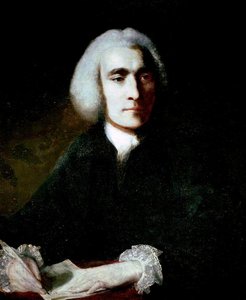
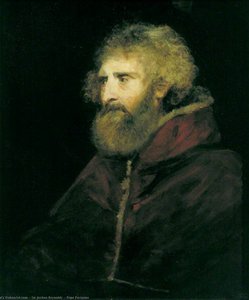
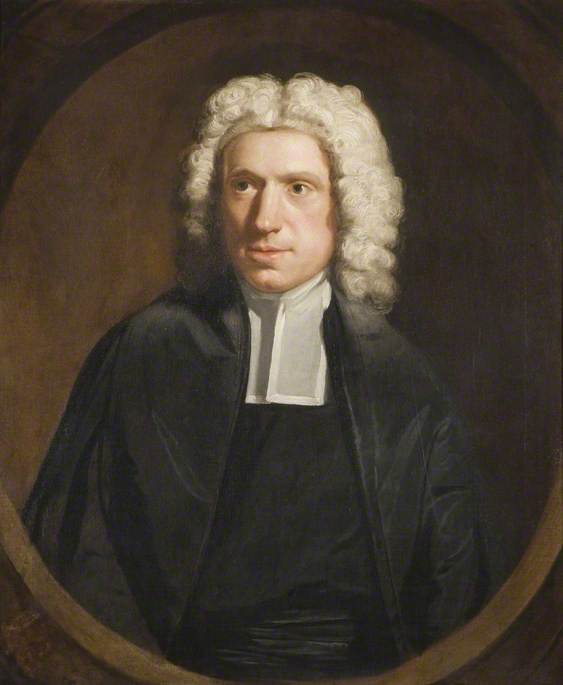
The Reverend William Beele (1704–1757)


 Weiterlesen
Handgefertigte Ölreproduktion
Handgemaltes Ölgemälde auf Leinwand in Ihrer Wunschgröße und mit Rahmen, auf Bestellung von unseren Künstlern angefertigt. ( Zu Druck wechseln Zum digitalen Bild wechseln)




P118B $10

P118H $10

P118W $10

P438Z $10

P508JH $12

P508YH $12

P805H $10

P805Z $10

P919BZ $10

P919G $10

P919XJ $10

P959ZH $10

P968JZ $12

W106C $8

W218G $10

W218JH $8

W218Y $10

W307PJ $10

W316G $10

W316PJ $8

W316Y $10

W398PJ $8

W4111J $10

W500HY $15

W500JH $15

W692G $12

W849H $8

W940BG $15

W953PJ $8




Wählen Sie aus unseren vordefinierten Formaten, die den ursprünglichen Proportionen des Kunstwerks entsprechen.

Sie können Ihre eigenen Maße eingeben, um einen bestimmten Rahmen oder Platz auszufüllen. Wenn die gewählte Größe nicht den Proportionen des Originalbildes entspricht, werden wir das Kunstwerk entweder beschneiden oder das Gemälde durch zusätzliche, handgemalte Elemente erweitern. Ein digitales Mockup wird Ihnen zur Genehmigung zugesandt, bevor die Produktion beginnt.
Bitte beachten Sie, dass die Bildschirmvorschau nicht die tatsächliche Beschneidung oder Erweiterung widerspiegelt. Nur das Mockup zeigt die endgültige Komposition exakt an.
Obwohl Sondermaße verfügbar sind, empfehlen wir, eine Größe aus der vordefinierten Liste zu wählen, um die ursprünglichen Proportionen beizubehalten.
Nach der Bestellung wird das ArtsDot.com-Team dem Kunden Anweisungen per E-Mail zusenden und eine Mockup-Vorschau bereitstellen.
Weltweiter Versand () in nur 3 bis 4 Wochen statt der üblichen 5 Wochen. (8 September). Keine Kompromisse bei der Qualität.

Kostenloser weltweiter Expressversand

Hochwertige Leinenleinwand

Umfassender Versicherungsschutz beim Versand

Zollgebühren-Rückerstattungsgarantie

Garantie für exakte Farbtreue

100-Tage-Rückgaberecht (nur bei Mängeln)

100% Geld-zurück-Garantie

Mengenrabatt verfügbar
 Die Glasoption ist nur für Größen unter 110 cm verfügbar.

The Reverend William Beele (1704–1757)
Art der Reproduktion
Format der Reproduktion
-


Gesamtpreis
$ 263
Sir Joshua Reynolds’s Portrait of The Reverend William Beele: A Window into Georgian Society
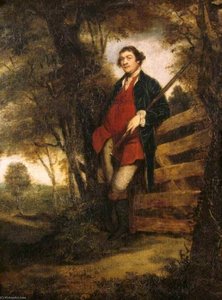
Joshua Reynolds's "The Reverend William Beele (1704–1757)," painted in 1748-1749, is more than just a likeness; it’s a meticulously crafted tableau of Georgian society, imbued with the intellectual and artistic currents of the Enlightenment. This portrait, now housed at The Barber Institute of Fine Arts, offers a captivating glimpse into the life of a clergyman, revealing not only his individual character but also the values, aspirations, and social dynamics of the era. Reynolds, already establishing himself as the leading portraitist in London, masterfully employed his signature “Grand Style,” prioritizing idealized beauty and carefully constructed narratives to elevate his subjects beyond mere representation.
The painting itself is a study in restrained elegance. The Reverend Beele sits within an implied architectural setting – a subtly suggested stone niche that frames him like a sacred space. His pose, reminiscent of the Apollo Belvedere, a celebrated Roman sculpture embodying ideal male beauty, immediately establishes a connection to classical antiquity and elevates his status. Reynolds’s skill lies not just in capturing the details of Beele's features—the neatly trimmed beard, the thoughtful gaze, the dignified bearing—but also in creating an atmosphere of quiet contemplation. The muted palette – dominated by browns, greys, and creams – contributes to this sense of solemnity and gravitas, reflecting the Reverend’s role as a spiritual leader.
Reynolds's Technique: A Masterclass in Composition and Light
Reynolds’s technique is characterized by its remarkable realism combined with an undeniable artistic sensibility. He meticulously rendered Beele’s clothing – the rich fabrics of his coat, the delicate lace at his cuffs – demonstrating a keen eye for detail and a deep understanding of material textures. The artist's use of light is particularly noteworthy; it’s not merely illuminating the subject but sculpting his form, highlighting key features and creating subtle gradations of tone. Notice how the light catches the folds of his garment, adding depth and volume to the composition. Reynolds employed a technique known as “sfumato,” softening edges and blending colors to create an atmospheric effect that enhances the sense of realism while simultaneously imbuing the portrait with a certain ethereal quality.
Furthermore, the background is deliberately blurred, drawing all attention to Beele himself – a deliberate choice that underscores his importance within the scene. This technique, combined with the carefully orchestrated composition, creates a powerful focal point and reinforces the Reverend’s commanding presence. The painting's dimensions—76 x 64 cm—are perfectly proportioned, contributing to its overall sense of balance and harmony.
Historical Context: A Portrait of an Age
To fully appreciate “The Reverend William Beele,” it’s essential to understand the historical context in which it was created. The mid-18th century was a period of profound social, political, and intellectual change in Britain – the era of the Enlightenment. Reynolds's art reflected this shift, embracing classical ideals while simultaneously engaging with contemporary trends. Portraits like this one were not simply representations of individuals; they were carefully constructed statements about status, wealth, and virtue. The Reverend Beele’s attire and demeanor communicated his piety, respectability, and social standing – qualities highly valued within Georgian society.
The painting also offers a glimpse into the role of religion in shaping public life. Beele's position as a clergyman highlights the significant influence of the Church of England during this period. Reynolds’s portrayal suggests that religious leadership was not only a matter of spiritual guidance but also a marker of social prestige and authority.
Symbolism and Emotional Impact
Beyond its technical brilliance, “The Reverend William Beele” is rich in symbolism. The reference to the Apollo Belvedere speaks to ideals of masculine beauty, strength, and divine inspiration – qualities associated with religious leaders and figures of authority. Beele’s contemplative gaze invites viewers to contemplate his inner life and consider his role within the community. The painting evokes a sense of quiet dignity and solemn reflection, prompting us to pause and appreciate the complexities of Georgian society.
Reproductions of this masterpiece offer an opportunity to bring its elegance and intellectual depth into any setting. Whether adorning a study, a library, or a formal dining room, “The Reverend William Beele” serves as a timeless reminder of the enduring power of portraiture to capture not only likeness but also the spirit of an age.
Ähnliche Kunstwerke
Über den Künstler
Frühes Leben und Ausbildung
Sir Joshua Reynolds, eine bedeutende Figur der britischen Kunst des 18. Jahrhunderts, wurde am 16. Juli 1723 in Plympton, Devon geboren. Er war das dritte Kind von Reverend Samuel Reynolds, dem Leiter der Plympton Free Grammar School. Reynolds' frühes Interesse an der Kunst führte zu einer Lehrlingsausbildung bei Thomas Hudson, einem modischen Londoner Porträtmaler, von 1740 bis 1743.Aufstieg zur Prominenz
Reynolds' künstlerisches Talent und sein innovativer Stil brachten ihm schnell Anerkennung. Er wurde Gründungsmitglied und erster Präsident der Royal Academy of Arts und erhielt 1769 von König George III den Adelstitel eines Sir. Seine Förderung des "Grand Style" in der Malerei, der die Idealisierung des Unvollkommenen betonte, beeinflusste eine Generation von Künstlern.Wichtige Werke und Kooperationen
Reynolds' umfangreiche Karriere umfasst zahlreiche Porträts des britischen Adels, darunter den Duke of Devonshire und den Duke of Grafton. Seine Werke sind in verschiedenen Museen zu finden, darunter die Tate Britain (London, Großbritannien), die sein Meisterwerk "Peter Darnell Muilman, Charles Crokatt und William Keable in einer Landschaft" ausstellt. Besondere Werke sind:- Porträt von John Hayes St. Leger (Royal Collection, Hampton Court, Großbritannien)
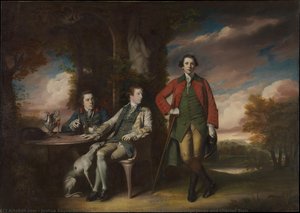
- Peter Darnell Muilman, Charles Crokatt und William Keable in einer Landschaft (Tate Britain, London, Großbritannien)
- Mr. und Mrs. William Lindow (Tate Britain, London, Großbritannien)
Entwicklung und Einfluss
Reynolds' künstlerische Entwicklung war geprägt von seiner Auseinandersetzung mit klassischen Idealen und der Betonung von Würde und Eleganz in seinen Porträts. Er strebte danach, die menschliche Figur zu idealisieren und gleichzeitig ihre individuelle Persönlichkeit einzufangen. Sein "Grand Style" wurde oft kritisiert für seine vermeintliche Distanziertheit und mangelnde emotionale Tiefe, aber er verteidigte ihn als eine Möglichkeit, die Größe und den Status seiner Auftraggeber widerzuspiegeln. Einflüsse: Reynolds' Werk zeigt Einflüsse von Peter Paul Rubens und anderen Meistern der europäischen Malerei des 17. Jahrhunderts. Er war auch ein Bewunderer klassischer Skulpturen und versuchte, deren Prinzipien in seine Gemälde zu integrieren. Er beeinflusste nachfolgende Künstler wie Thomas Gainsborough, der ebenfalls auf Porträtmalerei spezialisiert war.Historische Bedeutung
Reynolds' Vermächtnis geht über seine Kunst hinaus. Er war ein Pionier bei der Entwicklung britischer Kunstinstitutionen und spielte eine entscheidende Rolle bei der Gestaltung der künstlerischen Identität des Landes. Seine Bemühungen zur Förderung der Künste und die Gründung der Royal Academy trugen wesentlich zur Professionalisierung und Anerkennung der Künstler in Großbritannien bei. Reynolds gilt als einer der wichtigsten Porträtmaler Englands und hat das Genre nachhaltig geprägt.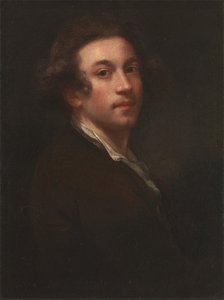
Sir Joshua Reynolds
1723 - 1792 , Vereinigtes Königreich
Kurzinfos
- Beeinflusste Künstler: ['Thomas Gainsborough']
- Bemerkenswerte Werke:
- Peter Darnell Muilman...
- Porträt von John Hayes St. Leger
- Mr und Mrs William Lindow
- Geburtsdatum: 16. Juli 1723
- Geburtsort: Plymouth, Vereinigtes Königreich
- Künstlerische Richtung: Grand Style, Porträtmalerei
- Nationalität: Britisch
- Sterbedatum: 1792
- Vollständiger Name: Sir Joshua Reynolds
- Von Künstlern Beeinflusst: ['Thomas Hudson']
Ähnliche Artikel
Sir Joshua Reynolds: Die 25 Meisterwerke des Porträtmalers | ArtsDot
Entdecken Sie die 25 Meisterwerke von Sir Joshua Reynolds! Erleben Sie Rokoko & Klassizismus durch ikonische Porträts. Hochwertige Reproduktionen für Ihr Interieur auf ArtsDot.com – jetzt entdecken!
Die 10 Meisterwerke des 18. Jahrhunderts: Kunst für Ihr Zuhause | ArtsDot
Entdecken Sie die 10 prächtigsten Meisterwerke des 18. Jahrhunderts! Von Rokoko bis Klassizismus – erleben Sie die Kunst von Fragonard, David & Hogarth. Hochwertige Reproduktionen für Ihr Zuhause auf ArtsDot.com.
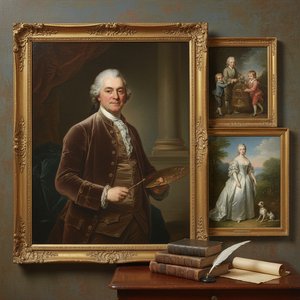
Sir Joshua Reynolds: Gestaltung britischer Kunst durch Grand Style und gesellschaftliche Porträtmalerei
Entdecken Sie das Werk von Sir Joshua Reynolds, dem führenden englischen Porträtmaler des 18. Jahrhunderts. Erfahren Sie mehr über den 'Grand Manner', seine Einflüsse und sein Vermächtnis in der britischen Kunstgeschichte.
Eleganz in der Kunst: Die 10 schönsten Meisterwerke für Ihr Zuhause |
Entdecken Sie die 10 elegantesten Meisterwerke der Kunstgeschichte! Von Renaissance bis Impressionismus – erfahren Sie die Geschichten berühmter Künstler und lassen Sie sich von zeitloser Schönheit inspirieren. Hochwertige Kunstdrucke auf .
Die 10 Meisterwerke des Neoklassizismus: Kunst für Ihr Zuhause |
Entdecken Sie die 10 Meisterwerke des Neoklassizismus! Von David bis Canova – erleben Sie Kunstgeschichte, elegante Ästhetik & zeitlose Schönheit. Hochwertige Reproduktionen auf .