

![In The Clouds [hiram Stevens Maxim] — Sir Leslie Matthew Ward](/media/artworks/images-full/af/4c/af4c764c6840fac9dc681357e698ee85.jpg)
 Vorschau anzeigen
 Versenden
 Teilen
 Details anzeigen

 Herunterladen
 Ähnliche Objekte
 Röntgenaufnahme
 Diashow
 Statistiken
In the Clouds [Hiram Stevens Maxim]


 Weiterlesen
Giclée / Kunstdruck
Giclée- oder Leinwanddruck in Museumsqualität mit schneller Produktion und flexiblen Veredelungsoptionen. ( Handgemalte Reproduktion bestellen Zum digitalen Bild wechseln)




P118B $10

P118H $10

P118W $10

P438Z $10

P508JH $12

P508YH $12

P805H $10

P805Z $10

P919BZ $10

P919G $10

P919XJ $10

P959ZH $10

P968JZ $12

W106C $8

W218G $10

W218JH $8

W218Y $10

W307PJ $10

W316G $10

W316PJ $8

W316Y $10

W398PJ $8

W4111J $10

W500HY $15

W500JH $15

W692G $12

W849H $8

W940BG $15

W953PJ $8




Wählen Sie aus unseren vordefinierten Formaten, die den ursprünglichen Proportionen des Kunstwerks entsprechen.

Sie können Ihre eigenen Maße eingeben, um ein bestimmtes Format oder einen speziellen Platz einzupassen. Wenn das von Ihnen gewählte Format nicht den Proportionen des Originalbildes entspricht, werden wir das Kunstwerk entweder beschneiden oder das Bild mit einem gespiegelten oder einfarbigen Rand erweitern. Ein digitaler Entwurf wird Ihnen zur Genehmigung zugesandt, bevor die Produktion beginnt.
Bitte beachten Sie, dass die Vorschau auf dem Bildschirm nicht den tatsächlichen Zuschnitt oder die Erweiterung widerspiegelt. Nur der Entwurf zeigt die endgültige Komposition präzise an.
Obwohl Sondermaße verfügbar sind, empfehlen wir die Auswahl eines Maßes aus der vordefinierten Liste, um die ursprünglichen Proportionen zu bewahren.
Weltweiter Versand () innerhalb von 2 Wochen statt der üblichen 4/5 Wochen. (9 September)

Kostenloser weltweiter Expressversand

Hochwertige Leinenleinwand

Umfassender Versicherungsschutz beim Versand

Zollgebühren-Rückerstattungsgarantie

Garantie für exakte Farbtreue

100-Tage-Rückgaberecht (nur bei Mängeln)

100% Geld-zurück-Garantie

Mengenrabatt verfügbar
 Die Glasoption ist nur für Größen unter 110 cm verfügbar.

In the Clouds [Hiram Stevens Maxim]
Giclée / Kunstdruck
Format der Reproduktion
-


Gesamtpreis
$ 62
A Moment of Levity and Observation
Sir Leslie Matthew Ward’s “In the Clouds,” a captivating caricature print from 1904, isn't merely a portrait; it’s a shrewd observation of Victorian society delivered with a generous dose of humor. Created under the pseudonym ‘Spy,’ Ward was a master of capturing the essence of his subjects – often prominent figures in politics and finance – through exaggerated features and subtle social commentary. This particular piece, depicting a portly gentleman seemingly engaged in a serious conversation with an oversized fish, immediately draws the eye with its playful dissonance. It’s a scene brimming with quiet amusement, inviting us to consider the peculiarities of human interaction and the often-absurd nature of power.
The print's genesis lies within *Vanity Fair*, where Ward’s caricatures were a staple for decades. He meticulously observed his subjects – from Parliamentarians to socialites – absorbing their mannerisms and translating them into instantly recognizable visual representations. “Spy” wasn’t simply drawing faces; he was dissecting personalities, revealing hidden traits beneath the surface of formality. The choice of a fish as the subject's companion is particularly intriguing, hinting at themes of incongruity, perhaps suggesting that the man is out of his element or surrounded by something utterly unexpected.
The Art of Caricature: Technique and Style
Ward’s technique is characterized by a masterful command of line. The stark black and white palette emphasizes form and structure, with carefully rendered pinstripes defining the man's suit and creating a sense of depth within his face. Hatching and cross-hatching are employed to build up tonal values, lending texture to the fabric and subtly suggesting the contours of the fish’s scales. The exaggerated features – the prominent mustache, bushy eyebrows, and double chin – are hallmarks of caricature style, designed to amplify specific characteristics and create a memorable image. The flattened perspective, typical of this genre, further contributes to the print's immediate impact, focusing attention on the central figures and their interaction.
- Line Work: Precise and deliberate lines define form and texture.
- Hatching & Cross-hatching: Used for shading and creating tonal variations.
- Exaggeration: Key element of caricature, amplifying features for comedic effect.
- Monochromatic Palette: Enhances contrast and emphasizes form.
A Victorian Snapshot – Context and Symbolism
“In the Clouds” offers a fascinating glimpse into Victorian society—a period defined by rigid social hierarchies, burgeoning industrialization, and a fascination with spectacle. The man’s attire—a pinstriped suit, waistcoat, and polished shoes—underscores his status as a member of the upper class, while the telephone he holds suggests an engagement with the rapidly evolving world of communication. The fish itself is rich in symbolism; often representing folly, excess, or simply the unexpected. It could be interpreted as a commentary on the man’s vanity, his detachment from reality, or perhaps even a subtle critique of the social conventions he embodies.
Ward's work reflects the broader satirical spirit of the era, challenging societal norms and exposing hypocrisy through humor and wit. The print’s enduring appeal lies in its ability to simultaneously entertain and provoke thought, inviting viewers to question the values and behaviors of their time.
Capturing a Moment: The Legacy of “In the Clouds”
“In the Clouds” stands as a testament to Sir Leslie Matthew Ward’s skill as a caricaturist and his keen understanding of human nature. It's a work that transcends its historical context, offering timeless insights into the complexities of social interaction and the enduring power of visual satire. Reproductions of this iconic print continue to resonate with audiences today, serving as a reminder of Ward’s legacy and the captivating world he created through his distinctive artistic vision.
Ähnliche Kunstwerke
Über den Künstler
Frühes Leben und Familie
- Name: Sir Leslie Matthew Ward
- Pseudonyme: Spy, Drawl
- Geboren: 21. November 1851, London, Vereinigtes Königreich
- Gestorben: 15. Mai 1922
- Eltern: Edward Matthew Ward und Henrietta Ward. Beide waren hochbegabte Künstler; Edward war ein Maler historischer Genres, während Henrietta auf Historienmalerei und Kinderporträts spezialisiert war.
- Familiärer Hintergrund: Ward entstammte einer langen Künstlerdynastie. Sein Großvater väterlicherseits war der renommierte Tiermaler James Ward. Auch die Familie seiner Mutter war tief in der Kunst verwurzlement, mit Verbindungen zu Graveuren und Miniaturmalern.
- Frühe Ausbildung: Er besuchte das Eton College, wo er bereits begann, Karikaturen seiner Klassenkameraden und Lehrer zu erstellen.
Künstlerische Ausbildung und frühe Karriere
- Anfänglicher Berufsweg: Ursprünglich absolvierte er eine Lehre beim Architekten Sydney Smirke, doch seine wahre Leidenschaft galt der Kunst.
- Formale Ausbildung: Ab 1871 studierte er an den Royal Academy Schools.
- Eintritt in die Vanity Fair: Im Jahr 1873 begann er, Karikaturen für die Zeitschrift Vanity Fair unter dem Pseudonym „Spy“ beizusteuern, womit er Carlo Pellegrini („Ape“) ablöste. Thomas Gibson Bowles erkannte sein Talent und engagierte ihn.
- Früher Stil: Seine ersten Porträts waren Ganzfiguren, die oft übersteigerte Proportionen aufwiesen und stark zur Karikatur neigten. Später verfeinerte er seinen Stil zu „charakteristischen Porträts“, die eine realistischere Darstellung anstrebten, ohne dabei das Wesen der dargestellten Person zu verlieren.
Hauptwerke und künstlerische Entwicklung
- Enormes Schaffen: Zwischen 1873 und 1911 schuf er über 1.325 Porträts für die Vanity Fair.
- Themenbereiche: Sein Fokus lag primär auf den Porträts prominenter Persönlichkeiten der britischen Gesellschaft, darunter Mitglieder des Königshauses, der Adel, Politiker, Künstler und Schriftsteller.
- Stilistische Entwicklung: Er vollzog den Wandel von übertriebenen Karikaturen hin zu verfeinerten „charakteristischen Porträts“, als er in den sozialen Kreisen, die er darstellte, zunehmend Anerkennung fand. Dieser Wandel spiegelte den Wunsch wider, potenzielle Dargestellte nicht zu kränken.
- Methodik: Ward arbeitete oft aus dem Gedächtnis, basierend auf Beobachtungen, die er bei Ereignissen wie Pferderennen oder Parlamentssitzungen machte. Er legte großen Wert darauf, die Atmosphäre und die Persönlichkeit seiner Subjekte einzufangen.
- Bedeutsame Werke: Während viele Porträts bis heute beliebt sind, sind einzelne Werke aufgrund der schieren Menge, die für die Vanity Fair produziert wurde, weniger unter ihrem spezifischen Namen bekannt. Sein Gesamtwerk gilt als historisch bedeutsam.
Vermächtnis und historische Bedeutung
- Einfluss auf die Karikatur: Wards Einfluss war so tiefgreifend, dass alle Karikaturen in der Vanity Fair unabhängig vom eigentlichen Künstler gemeinhin als „Spy-Cartoons“ bezeichnet wurden.
- Gesellschaftskritik: Seine Porträts boten wertvolle Einblicke in die viktorianische Gesellschaft und ihre führenden Persönlichkeiten, indem sie deren Charakter und sozialen Status festhielten.
- Künstlerische Technik: Wards Fähigkeit, Karikatur mit realistischer Porträtkunst zu verschmelzen, stellte einen einzigartigen Beitrag zur Kunstform dar.
- Veröffentzte Autobiografie: In seinem Werk „Forty Years of 'Spy'“ (1915) gab er tiefe Einblicke in sein Leben und seinen künstlerischen Prozess.
- Anerkennung: Die Ernennung zum Ritter im Jahr 1910 festigte seinen Platz als hochgeschätzter Künstler innerhalb der britischen Gesellschaft.
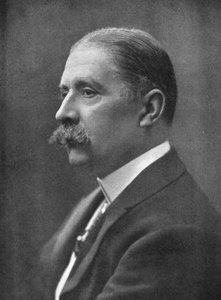
Sir Leslie Matthew Ward
1851 - 1922 , Vereinigtes Königreich
Kurzinfos
- Artistic Movement Or Style: Porträtkünstler, Karikaturist
- Date Of Birth: 21. November 1851
- Date Of Death: 15. Mai 1922
- Full Name: Sir Leslie Matthew Ward
- Nationality: Britisch
- Notable Artworks:
- Leslie Ward und ihre Schwester
- Der Prince of Wales
- Old Bones, Dr. Richard Owen
- Place Of Birth: London, Vereinigtes Königreich
Ähnliche Artikel
James Ward: A Study in British Romantic Landscape and Animal Painting
Explore the captivating world of James Ward (1769-1859), a master of British Romantic landscape & animal painting. Discover his iconic 'Gordale Scar' and exquisite portraits – a timeless art investment. Learn about his influences, style, and enduring legacy.
Tactile Maximalism: The Expert Guide to Styling Bold Pop Art for Dopamine Decor Interiors
Master the art of Dopamine Decor with our expert guide to Tactile Maximalism. Learn how to professionally style bold Pop Art through texture, color theory, and curated layers to create a joyful, high-end interior that inspires.
Maxime Maufra: Capturing Atmospheric Luminosity in Post-Impressionist Landscapes
Discover the captivating landscapes of Maxime Maufra, a key figure in Post-Impressionism. Explore his mastery of light, atmosphere & connection to the Pont-Aven School. Learn about collecting his work at ArtsDot.
Thomas Rowlandson: Satire als Spiegel der georgianischen Gesellschaft und Kunst
Entdecken Sie das satirische Werk von Thomas Rowlandson! Erfahren Sie mehr über seine Kunst, den gesellschaftlichen Kontext des georgianischen Englands und seinen Einfluss auf die Kunstgeschichte. Expertenanalyse & Hintergrundinformationen.
Charles Robert Leslie: Romantische Ideale und akademische Tradition im Spiegel bürgerlicher Erzählkunst
Entdecken Sie das Werk von Charles Robert Leslie – ein Meister der Romantik, der literarische Stoffe in beeindruckenden Genrebildern vereinte. Erfahren Sie mehr über seinen akademischen Hintergrund und seinen Einfluss auf die Kunst des 19. Jahrhunderts.