 Vorschau anzeigen
 Versenden
 Teilen
 Details anzeigen

 Herunterladen
 Ähnliche Objekte
 Röntgenaufnahme
 Diashow
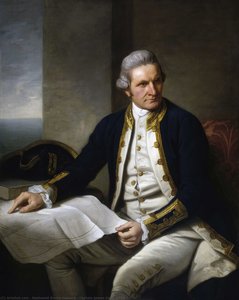
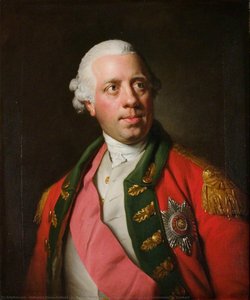
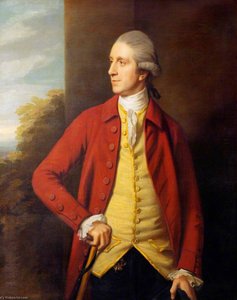
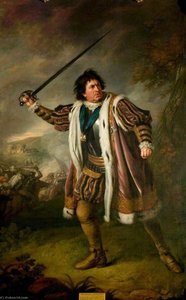
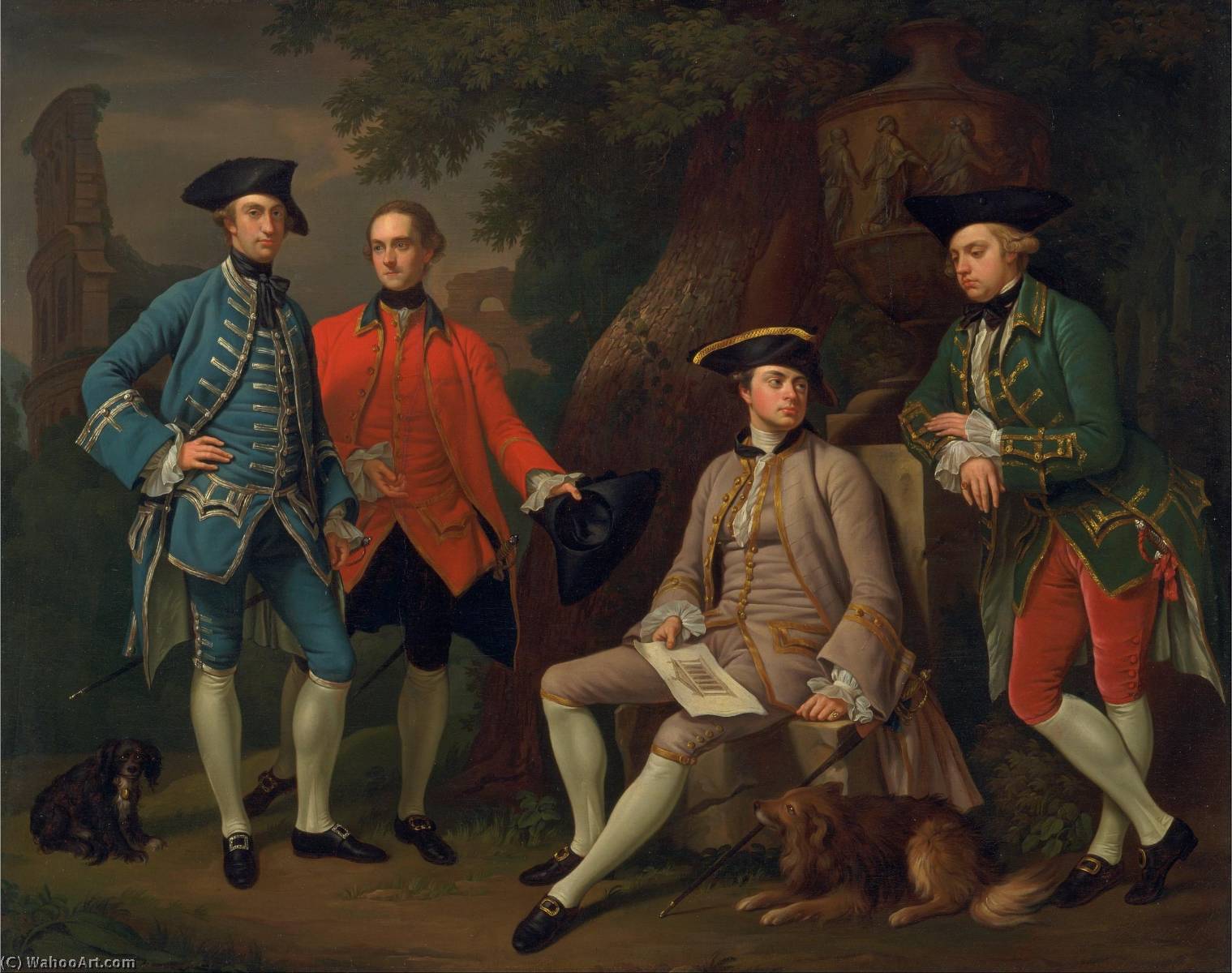
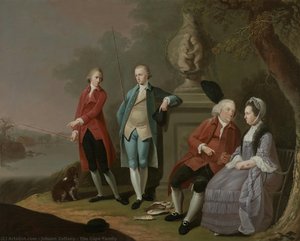
James Grant of Grant, John Mytton, the Hon. Thomas Robinson, and Thomas Wynne


 Weiterlesen
Giclée / Kunstdruck
Giclée- oder Leinwanddruck in Museumsqualität mit schneller Produktion und flexiblen Veredelungsoptionen. ( Handgemalte Reproduktion bestellen Bild kaufen)




P118B $10

P118H $10

P118W $10

P438Z $10

P508JH $12

P508YH $12

P805H $10

P805Z $10

P919BZ $10

P919G $10

P919XJ $10

P959ZH $10

P968JZ $12

W106C $8

W218G $10

W218JH $8

W218Y $10

W307PJ $10

W316G $10

W316PJ $8

W316Y $10

W398PJ $8

W4111J $10

W500HY $15

W500JH $15

W692G $12

W849H $8

W940BG $15

W953PJ $8




Wählen Sie aus unseren vordefinierten Formaten, die den ursprünglichen Proportionen des Kunstwerks entsprechen.

Sie können Ihre eigenen Maße eingeben, um ein bestimmtes Format oder einen speziellen Platz einzupassen. Wenn das von Ihnen gewählte Format nicht den Proportionen des Originalbildes entspricht, werden wir das Kunstwerk entweder beschneiden oder das Bild mit einem gespiegelten oder einfarbigen Rand erweitern. Ein digitaler Entwurf wird Ihnen zur Genehmigung zugesandt, bevor die Produktion beginnt.
Bitte beachten Sie, dass die Vorschau auf dem Bildschirm nicht den tatsächlichen Zuschnitt oder die Erweiterung widerspiegelt. Nur der Entwurf zeigt die endgültige Komposition präzise an.
Obwohl Sondermaße verfügbar sind, empfehlen wir die Auswahl eines Maßes aus der vordefinierten Liste, um die ursprünglichen Proportionen zu bewahren.
Weltweiter Versand () innerhalb von 2 Wochen statt der üblichen 4/5 Wochen. (29 August)

Kostenloser weltweiter Expressversand

Hochwertige Leinenleinwand

Umfassender Versicherungsschutz beim Versand

Zollgebühren-Rückerstattungsgarantie

Garantie für exakte Farbtreue

60 Tage Rückgaberecht (nur bei Mängeln)

100% Geld-zurück-Garantie

Mengenrabatt verfügbar
 Die Glasoption ist nur für Größen unter 110 cm verfügbar.

James Grant of Grant, John Mytton, the Hon. Thomas Robinson, and Thomas Wynne
Giclée / Kunstdruck
Format der Reproduktion
-


Gesamtpreis
$ 62
A Portrait of Georgian Grandeur and Camaraderie
This captivating portrait, dating from the vibrant year of 1760, transports the viewer directly into the sophisticated drawing rooms and sunlit gardens of eighteenth-century London. It is a masterful gathering of four distinguished gentlemen—James Grant of Grant, John Mytton, the Hon. Thomas Robinson, and Thomas Wynne—whose presence speaks volumes about the era's elite social circles. The composition itself is a study in structured elegance; three figures stand with confident poise while one rests gracefully, creating a dynamic yet harmonious arrangement across the canvas. Their attire, rich with the fashions of the time, from meticulously tailored coats to fashionable hats and visible cravats, immediately anchors us within the opulent world of Georgian society.
The Artistry of Sir Nathaniel Dance Holland
The hand that captured this likeness belongs to Sir Nathaniel Dance Holland. His career, spanning the late eighteenth and early nineteenth centuries, reveals an artist deeply attuned to both portraiture and the societal structures surrounding his sitters. Holland’s technique here is characterized by a remarkable blend of formal precision and lived warmth. Observe the brushwork: it possesses enough definition to render the texture of fine wool or silk, yet it retains a softness that prevents the scene from feeling stiff. The inclusion of natural elements—the stately tree anchoring the background and the gentle presence of a dog near one gentleman—serves not merely as decoration, but as an extension of the men's cultivated lives, suggesting leisure alongside their status.
Symbolism in Still Life and Companionship
Beyond the immediate recognition of the subjects, the painting is rich with subtle symbolism that invites deeper contemplation. The book placed near one figure suggests a shared intellectual pursuit—a nod to literature, philosophy, or scholarly endeavor that underpinned much of the era's gentlemanly culture. Furthermore, the inclusion of the dog acts as a traditional emblem of loyalty and fidelity, binding the group together in an unspoken pact of friendship. These carefully curated details elevate the portrait from a mere record of faces into a narrative tapestry celebrating wit, wealth, and enduring male companionship.
An Echo of Sophistication for Modern Spaces
For the discerning collector or interior designer, this reproduction offers more than just artwork; it offers an atmosphere. To bring such a piece into a modern setting is to infuse a space with historical gravitas and undeniable sophistication. The balanced composition, the rich palette, and the palpable sense of camaraderie make it a stunning focal point for a library, a formal reception room, or any area meant to evoke cultured contemplation. Owning this work allows one to partake in the enduring allure of Georgian refinement, making it a timeless statement piece that whispers tales of bygone grandeur.
Ähnliche Kunstwerke



Über den Künstler
Frühes Leben und Karriere
Sir Nathaniel Dance Holland, ein britischer Offizier der Honourable East India Company, wurde am 20. Juni 1748 in London geboren. Sein Leben nahm eine interessante Wendung, als sein Vater, James Dance, die Familie verließ, um eine Karriere als Schauspieler und Dramatiker zu verfolgen. Dies führte dazu, dass der junge Nathaniel von seinem Großvater väterlicherseits, George Dance dem Älteren, einem angesehenen Architekten der Stadt London, aufgezogen wurde.Aufstieg in den Reihen
Nathaniel's maritime Karriere begann unter der Schirmherrschaft von Nathaniel Smith, einem hochrangigen Beamten der Honourable East India Company. Bis 1780 hatte Dance acht Reisen nach Indien sowie eine zum Mittelmeer und eine zu den Westindien unternommen. Seine neunte Reise erwies sich als entscheidend, da er während der Aktion vom 9. August 1780 von einer gemeinsamen spanisch-französischen Flotte gefangen genommen wurde.Heldentum in den Napoleonischen Kriegen
Dance's größter Erfolg gelang ihm während der napoleonischen Kriege, als er, als Kommodore einer der Flotten der Company, auf eine französische Geschwader unter Admiral Comte de Linois traf. Durch geschickte Seemannschaft und aggressive Taktik täuschte Dance die Franzosen vor, dass der britische Konvoi von starken Marinekräften eskortiert wurde. Dies führte dazu, dass die Franzosen beschlossen, nicht anzugreifen, und Dance verfolgte sie trotz eines erheblichen Kräfteverhältnisses.Vermächtnis und spätere Jahre
Dances Heldentum brachte ihm einen Rittertitel und eine beträchtliche Belohnung ein. Er verbrachte seine späteren Jahre im komfortablen Ruhestand und starb am 25. März 1811. Obwohl er hauptsächlich für seine maritimen Leistungen bekannt ist, erstreckt sich Dance's Vermächtnis auch auf die Kunstwelt, wobei mehrere seiner Werke auf ArtsDot.com gezeigt werden, einer Plattform, die hochwertige Reproduktionen berühmter Kunstwerke anbietet.- Betrachten Sie Sir Nathaniel Dance Hollands Kunstwerke auf ArtsDot: https://ArtsDot.com/@/sir_nathaniel_dance_holland
- Erkunden Sie die niederländische Goldene Zeitalter Kunstbewegung, die Dances künstlerischen Stil beeinflusste: die niederländische Goldene Zeitalter Kunstbewegung
- Entdecken Sie mehr über George Dance den Älteren auf Wikipedia: George Dance
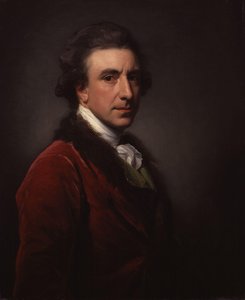
Sir Nathaniel Dance-Holland
1735 - 1811 , Vereinigtes Königreich
Kurzinfos
- Beeinflusste Künstler:
- Pompeo Batoni
- Angelica Kauffmann
- Bemerkenswerte Werke:
- Sir William Fordyce
- The Pybus Family
- Geburtsdatum: 20. Juni 1748
- Geburtsort: London, Vereinigtes Königreich
- Künstlerische Richtung: Niederländische Goldene Zeitalter
- Nationalität: Britisch
- Todatum: 25. März 1811
- Vollständiger Name: Sir Nathaniel Dance Holland
Ähnliche Artikel
Sir Nathaniel Dance-Holland: Porträtmalerei, Mäzenatentum und die Identität des georgianischen Zeitalters
Entdecken Sie das Werk von Sir Nathaniel Dance-Holland – Meister der Porträtmalerei des georgianischen Zeitalters. Erfahren Sie mehr über sein Leben, seine Kunst und seinen Einfluss auf die britische Gesellschaft. Hochwertige Reproduktionen bei ArtsDot.
Reflecting Nobility & Nuance: 18th-Century Portraiture as a Window into Societal Values
Explore the world of 18th-century portraiture with ArtsDot. Discover symbolism, artistic innovation & societal values reflected in masterpieces by Reynolds, Hogarth & more. Expert insights for collectors.
Die 10 Meisterwerke des 18. Jahrhunderts: Kunst für Ihr Zuhause | ArtsDot
Entdecken Sie die 10 prächtigsten Meisterwerke des 18. Jahrhunderts! Von Rokoko bis Klassizismus – erleben Sie die Kunst von Fragonard, David & Hogarth. Hochwertige Reproduktionen für Ihr Zuhause auf ArtsDot.com.
The Enduring Legacy of Formal Portraiture: Power, Identity & Artistic Exploration
Explore the rich history of formal portraiture & its enduring power to capture identity and shape perception. Discover investment-worthy artworks, expert appraisals, and custom reproduction services at ArtsDot.
The Grandeur of Presence: Exploring Representations of Stately Bearing in Western Portraiture
Explore the art of stately bearing in Western portraiture with expert analysis of Renaissance & Baroque masterpieces. Discover symbolism, techniques, and the legacy of iconic portraits – a guide for discerning collectors.