

 Vorschau anzeigen
 Versenden
 Teilen
 Details anzeigen

 Herunterladen
 Ähnliche Objekte
 Röntgenaufnahme
 Diashow
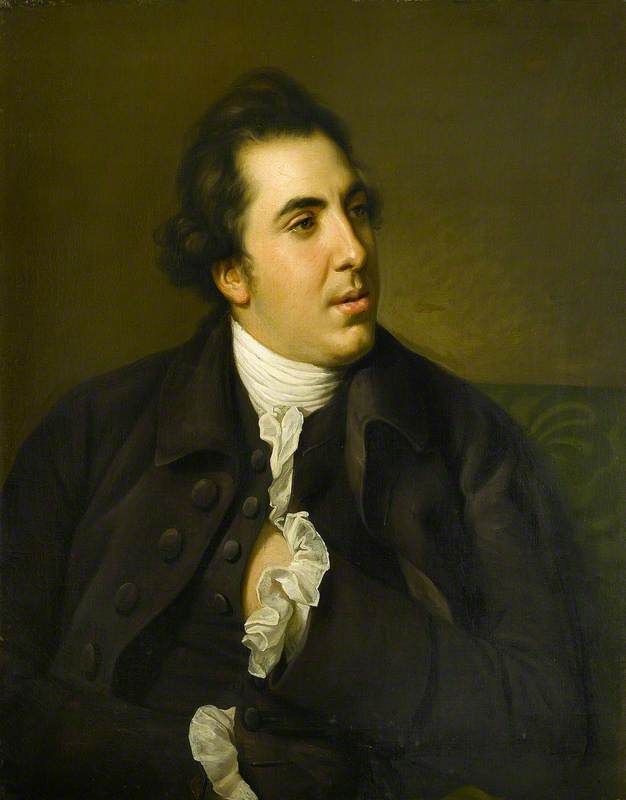
Sir John Russell (1741–1783), 9th Bt
 Oil On Canvas
- WallArt
- Neoclassicism
 76.0 x 64.0 cm
 Chequers Court
 Weiterlesen
Erwerben Sie ein hochauflösendes, optimiertes digitales Bild, das der Online-Vorschau weit überlegen ist.
Jede Datei wird von unseren hauseigenen Spezialisten mit modernsten Werkzeugen und fachmännischer manueller Retusche sorgfältig vorbereitet. Wir stellen sicher, dass jedes Bild eine außergewöhnliche Klarheit, präzise Farbgenauigkeit und feinste Details aufweist.
Die endgültige Datei wird innerhalb von 72 Stunden per E-Mail zugestellt und ist für den sofortigen Einsatz in professionellen, redaktionellen und Druckumgebungen optimiert. Es handelt sich um dieselbe Qualität, der führende Designstudios, Verlage und Galerien vertrauen.
Digitales Bild
Laden Sie eine hochauflösende Datei für die persönliche Präsentation, den Druck und kreative Projekte herunter. ( Druck bestellen Handgemalte Reproduktion bestellen)
In jeder Bestellung digitaler Bilder enthalten
Professionelle digitale Bereitstellung, garantiert
Wenn Sie sich für ArtsDot.com entscheiden, erhalten Sie nicht nur ein Bild – Sie erhalten ein professionell aufbereitetes digitales Kunstwerk, das mit höchster Präzision erstellt und durch eine Zufriedenheitsgarantie abgesichert wird. Hier ist alles, was automatisch mit Ihrer Bestellung geliefert wird:

Schnelle E-Mail-Zustellung
Ihre hochauflösende digitale Bilddatei wird Ihnen innerhalb von 72 Stunden nach der Bestellung per E-Mail zugestellt – bereit zur sofortigen Verwendung.

KI-optimierte digitale Datei
Ihre Kunstwerke werden professionell mithilfe fortschrittlicher KI-Tools und manueller Bearbeitung optimiert, um maximale Detailtreue, Klarheit und Farbgenauigkeit zu gewährleisten.

Lebenslanger kostenloser Neudruckservice
Datei versehentlich gelöscht oder verloren? Keine Sorge – wir senden sie Ihnen jederzeit kostenlos erneut zu.

Keine Einfuhrgebühren – jemals
Genießen Sie Ihr Kunstwerk sofort ohne Zollgebühren, Einfuhrabgaben oder Versandkosten – digitale Downloads sind immer steuerfrei.

Garantierte Farbtreue
Wir garantieren, dass Ihr digitales Bild mithilfe professioneller Werkzeuge und Farbmanagement die Originalfarben so präzise wie möglich wiedergibt.

60-Tage-Zufriedenheitsgarantie
Sollten Sie mit Ihrem digitalen Bild nicht zufrieden sein, werden wir es überarbeiten oder Ihnen innerhalb von 60 Tagen 100% erstatten – ohne Wenn und Aber.

100% Geld-zurück-Garantie
Nicht zufrieden? Erhalten Sie innerhalb von 60 Tagen nach Erhalt Ihrer digitalen Datei eine vollständige Rückerstattung – ohne Angabe von Gründen.

Rabatte bei Großbestellungen
3 Bilder kaufen, 10% sparen – 5 Bilder kaufen, 15% sparen – Ab 10 Bildern 20% sparen. Ideal für kreative Projekte, Galerien und Agenturen.
Details zum Sammlerstück
A Portrait of Statesman and Dignity: Nathaniel Dance Holland’s Sir John Russell
Sir John Russell (1741–1783), 9th Bt, presented to us by the masterful hand of Sir Nathaniel Dance Holland, is more than a mere portrait; it's a carefully constructed tableau of Georgian identity, intellectual gravitas, and understated power. Painted in the heart of London around 1775-1780, this neoclassical masterpiece offers a rare glimpse into the world of a prominent Whig politician and influential figure during a pivotal era in British history. Holland’s skill lies not just in his technical proficiency – evident in the meticulous rendering of fabric, skin, and hair – but also in his ability to imbue the subject with an aura of dignified seriousness that transcends the conventions of formal portraiture.The Neoclassical Composition: Order and Restraint
Holland’s approach is firmly rooted in the neoclassical style, a movement that sought inspiration from the art and architecture of ancient Greece and Rome. This manifests most strikingly in the painting's balanced composition – a central figure framed within a carefully delineated space. The subject, Sir John Russell, occupies the majority of the canvas, his gaze direct and unwavering, commanding the viewer’s attention. Geometric shapes dominate: the rectangular form of his jacket, the oval of his face, and the rounded elements of his collar all contribute to an impression of order and control. The dark background, devoid of extraneous detail, serves to heighten the impact of Russell's features and clothing, emphasizing their importance within the overall design. The limited perspective, a frontal view, fosters an intimate connection with the subject, inviting us into his presence as if he were standing before us directly.Technique and Materials: Layers of Subtle Brilliance
Holland’s technique is characterized by its painstaking attention to detail and masterful use of oil paint. He employed a layering method known as *glazing*, applying thin, translucent layers of color upon one another to build up depth, luminosity, and subtle tonal variations. This approach allowed him to achieve the remarkable smoothness of Russell's skin – a feat achieved through countless hours of meticulous brushwork. Note particularly the delicate rendering of his forehead and cheekbones, sculpted with an almost sculptural precision. The rich textures of his clothing are rendered with astonishing realism, capturing the sheen of velvet and the folds of fabric with subtle gradations of light and shadow. The use of warm earth tones – browns, ochres, and reds – creates a sense of warmth and solidity, while carefully placed highlights draw attention to key features, such as Russell’s piercing eyes.Symbolism and Context: A Portrait of Influence
Beyond its technical brilliance, the portrait is laden with symbolic meaning. Sir John Russell was a prominent figure in British politics during the late 18th century, serving as Home Secretary under William Pitt the Younger and later as Prime Minister. The painting reflects his status and influence – he’s depicted not as a warrior or adventurer, but as a man of intellect and authority. His attire—a dark coat and waistcoat—suggests seriousness and responsibility, while his posture conveys confidence and self-assuredness. The inclusion of the family crest on his jacket subtly reinforces his lineage and social standing. Considering the period, the portrait speaks to the burgeoning ideals of Enlightenment thought and the rise of a powerful, informed elite shaping the course of British governance.Emotional Resonance: Contemplation and Dignified Strength
Ultimately, Sir John Russell is not merely a representation of a man; it’s an evocation of character. The painting’s somber lighting – dominated by deep shadows and subtle highlights – contributes to a sense of seriousness and perhaps even melancholy. Russell's direct gaze invites contemplation, suggesting a mind engaged in weighty matters. Despite the formality of the pose, there is a palpable sense of dignity and inner strength radiating from the subject. This portrait serves as a powerful reminder of the complexities of Georgian society—a world of political intrigue, intellectual debate, and enduring social hierarchies—and the lasting legacy of men like Sir John Russell who shaped its trajectory. A reproduction captures this essence beautifully, offering a window into a bygone era and the character of a man whose influence continues to resonate today.Ähnliche Kunstwerke
Biografie des Künstlers
Frühes Leben und Karriere
Sir Nathaniel Dance Holland, ein britischer Offizier der Honourable East India Company, wurde am 20. Juni 1748 in London geboren. Sein Leben nahm eine interessante Wendung, als sein Vater, James Dance, die Familie verließ, um eine Karriere als Schauspieler und Dramatiker zu verfolgen. Dies führte dazu, dass der junge Nathaniel von seinem Großvater väterlicherseits, George Dance dem Älteren, einem angesehenen Architekten der Stadt London, aufgezogen wurde.Aufstieg in den Reihen
Nathaniel's maritime Karriere begann unter der Schirmherrschaft von Nathaniel Smith, einem hochrangigen Beamten der Honourable East India Company. Bis 1780 hatte Dance acht Reisen nach Indien sowie eine zum Mittelmeer und eine zu den Westindien unternommen. Seine neunte Reise erwies sich als entscheidend, da er während der Aktion vom 9. August 1780 von einer gemeinsamen spanisch-französischen Flotte gefangen genommen wurde.Heldentum in den Napoleonischen Kriegen
Dance's größter Erfolg gelang ihm während der napoleonischen Kriege, als er, als Kommodore einer der Flotten der Company, auf eine französische Geschwader unter Admiral Comte de Linois traf. Durch geschickte Seemannschaft und aggressive Taktik täuschte Dance die Franzosen vor, dass der britische Konvoi von starken Marinekräften eskortiert wurde. Dies führte dazu, dass die Franzosen beschlossen, nicht anzugreifen, und Dance verfolgte sie trotz eines erheblichen Kräfteverhältnisses.Vermächtnis und spätere Jahre
Dances Heldentum brachte ihm einen Rittertitel und eine beträchtliche Belohnung ein. Er verbrachte seine späteren Jahre im komfortablen Ruhestand und starb am 25. März 1811. Obwohl er hauptsächlich für seine maritimen Leistungen bekannt ist, erstreckt sich Dance's Vermächtnis auch auf die Kunstwelt, wobei mehrere seiner Werke auf ArtsDot.com gezeigt werden, einer Plattform, die hochwertige Reproduktionen berühmter Kunstwerke anbietet.- Betrachten Sie Sir Nathaniel Dance Hollands Kunstwerke auf ArtsDot: https://ArtsDot.com/@/sir_nathaniel_dance_holland
- Erkunden Sie die niederländische Goldene Zeitalter Kunstbewegung, die Dances künstlerischen Stil beeinflusste: die niederländische Goldene Zeitalter Kunstbewegung
- Entdecken Sie mehr über George Dance den Älteren auf Wikipedia: George Dance
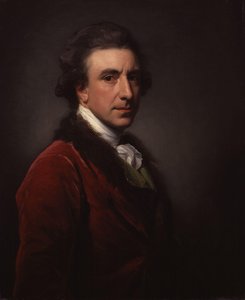
Sir Nathaniel Dance-Holland
1735 - 1811 , Vereinigtes Königreich
Kurzinfos
- Beeinflusste Künstler:
- Pompeo Batoni
- Angelica Kauffmann
- Bemerkenswerte Werke:
- Sir William Fordyce
- The Pybus Family
- Geburtsdatum: 20. Juni 1748
- Geburtsort: London, Vereinigtes Königreich
- Künstlerische Richtung: Niederländische Goldene Zeitalter
- Nationalität: Britisch
- Todatum: 25. März 1811
- Vollständiger Name: Sir Nathaniel Dance Holland

