 Vorschau anzeigen
 Versenden
 Teilen
 Details anzeigen

 Herunterladen
 Ähnliche Objekte
 Röntgenaufnahme
 Diashow
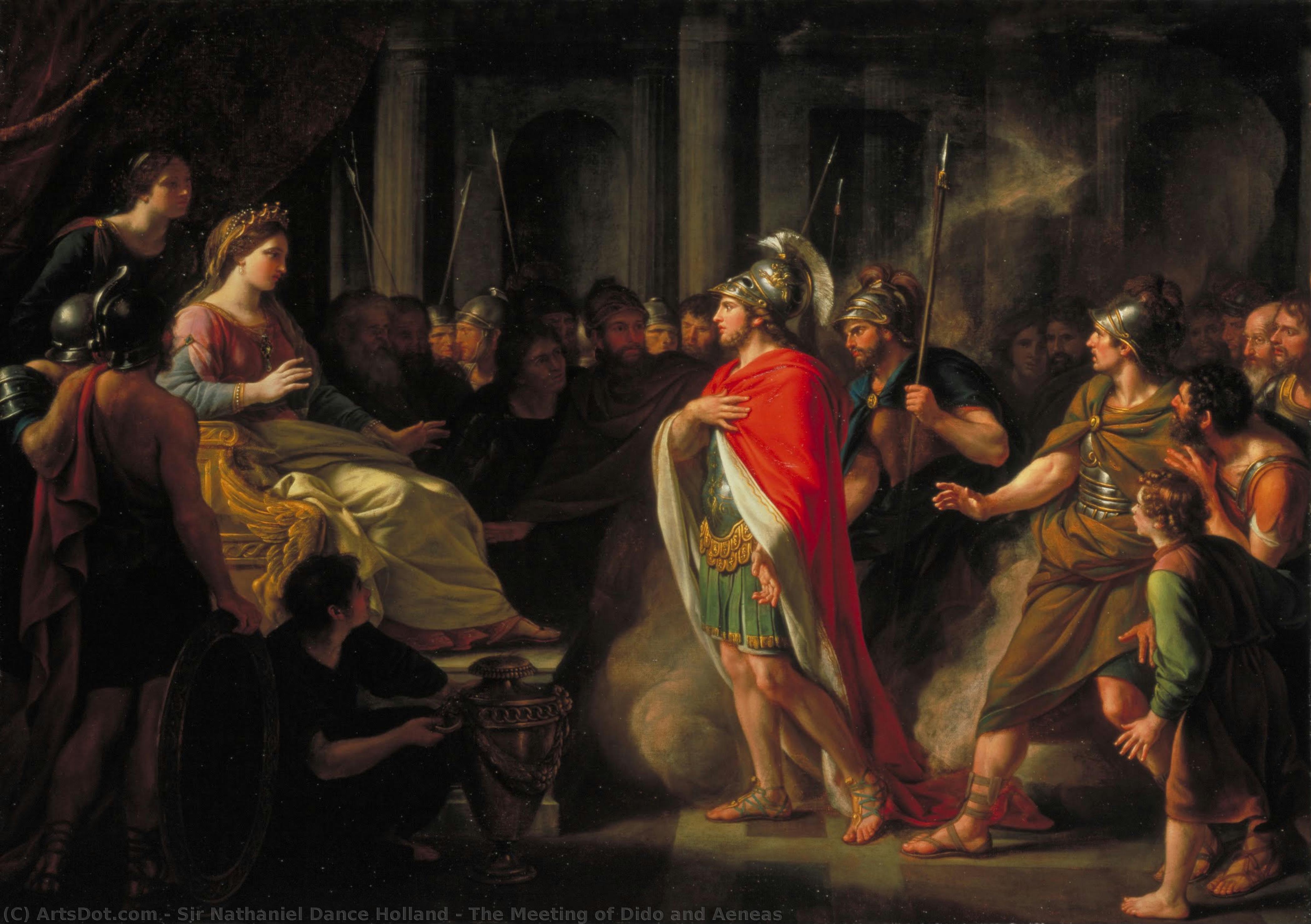
The Meeting of Dido and Aeneas
 Oil On Canvas
- WallArt
- Neoclassical Art
 1766
1766- Early Modern
 71.0 x 12.0 cm
 Tate Britain
 Weiterlesen
Handgefertigte Ölreproduktion
Handgemaltes Ölgemälde auf Leinwand in Ihrer Wunschgröße und mit Rahmen, auf Bestellung von unseren Künstlern angefertigt. ( Druck bestellen Bild kaufen)




P118B $10

P118H $10

P118W $10

P438Z $10

P508JH $12

P508YH $12

P805H $10

P805Z $10

P919BZ $10

P919G $10

P919XJ $10

P959ZH $10

P968JZ $12

W106C $8

W218G $10

W218JH $8

W218Y $10

W307PJ $10

W316G $10

W316PJ $8

W316Y $10

W398PJ $8

W4111J $10

W500HY $15

W500JH $15

W692G $12

W849H $8

W940BG $15

W953PJ $8




Wählen Sie aus unseren vordefinierten Formaten, die den ursprünglichen Proportionen des Kunstwerks entsprechen.

Sie können Ihre eigenen Maße eingeben, um einen bestimmten Rahmen oder Platz auszufüllen. Wenn die gewählte Größe nicht den Proportionen des Originalbildes entspricht, werden wir das Kunstwerk entweder beschneiden oder das Gemälde durch zusätzliche, handgemalte Elemente erweitern. Ein digitales Mockup wird Ihnen zur Genehmigung zugesandt, bevor die Produktion beginnt.
Bitte beachten Sie, dass die Bildschirmvorschau nicht die tatsächliche Beschneidung oder Erweiterung widerspiegelt. Nur das Mockup zeigt die endgültige Komposition exakt an.
Obwohl Sondermaße verfügbar sind, empfehlen wir, eine Größe aus der vordefinierten Liste zu wählen, um die ursprünglichen Proportionen beizubehalten.
Nach der Bestellung wird das ArtsDot.com-Team dem Kunden Anweisungen per E-Mail zusenden und eine Mockup-Vorschau bereitstellen.
Weltweiter Versand () in nur 3 bis 4 Wochen statt der üblichen 5 Wochen. (28 August). Keine Kompromisse bei der Qualität.

Kostenloser weltweiter Expressversand

Hochwertige Leinenleinwand

Umfassender Versicherungsschutz beim Versand

Zollgebühren-Rückerstattungsgarantie

Garantie für exakte Farbtreue

60 Tage Rückgaberecht (nur bei Mängeln)

100% Geld-zurück-Garantie

Mengenrabatt verfügbar
 Die Glasoption ist nur für Größen unter 110 cm verfügbar.

The Meeting of Dido and Aeneas
Art der Reproduktion
Format der Reproduktion
-


Gesamtpreis
$ 263
A Grand Encounter in the Neoclassical Light
In the grand theater of eighteenth-century British art, few moments capture the intersection of myth and human emotion as poignantly as Sir Nathaniel Dance Holland’s The Meeting of Dido and Aeneas. Completed in 1766, this monumental oil on canvas serves as a breathtaking window into the classical soul of the Enlightenment. The painting transports the viewer to the shores of ancient Carthage, where the legendary Queen Dido awaits the arrival of the Trojan hero, Aeneas. It is not merely a depiction of a historical or mythological event; it is a masterclass in narrative tension, capturing that fleeting, fateful instant when two destinies collide under the watchful eyes of a royal court.
Holland, a founding member of the Royal Academy, utilizes a stage-like composition to heighten the drama. The central figures are bathed in a focus that demands attention: Dido, draped in regal, heavy robes and adorned with the shimmering jewelry of her station, stands in profound dialogue with Aeneas. He appears as the quintessential Roman soldier, his presence marked by the ruggedness of a man who has survived perilous voyages and the scars of battle. Around this central pair, a meticulously arranged hierarchy of attendants and dignitaries creates a sense of ceremonial gravity, ensuring that the viewer feels the weight of the political and personal stakes involved in this encounter.
The Virtuosity of Technique and Classical Order
To behold this work is to witness the precision of a true virtuoso. Holland’s technique is characterized by an exquisite attention to detail that breathes life into every texture. Through the sophisticated use of glazing—the application of thin, translucent layers of paint—the artist achieves a luminous quality that seems to radiate from within the canvas itself. This method allows for a breathtaking rendering of light reflecting off silk, the cold glint of armor, and the soft, atmospheric depth of the background, creating a sense of three-dimensional space that draws the eye irresistibly toward the protagonists.
The painting is a triumph of Neoclassical principles, where clarity and balance reign supreme. Unlike the more exuberant and chaotic Baroque style, Holland employs a structured perspective to establish order amidst the emotional intensity of the scene. Every brushstroke serves the purpose of reinforcing the hierarchical visual order, guiding the observer through the crowded court toward the heart of the drama. For the collector or interior designer, this balance makes the piece an extraordinary focal point; it possesses the rare ability to command a room with its historical grandeur while maintaining a sophisticated, disciplined elegance that complements refined decor.
A Legacy of Emotion and Timeless Elegance
Beyond the technical mastery lies the profound emotional resonance of Virgil’s epic tale. The painting captures the bittersweet essence of the Aeneid—the promise of connection shadowed by the inevitability of tragedy. There is a palpable sense of longing and gravity in the way the figures interact, inviting the viewer to contemplate themes of duty, love, and fate. This emotional depth ensures that the artwork remains much more than a historical document; it is a living piece of storytelling.
For those seeking to adorn a space with art that inspires contemplation and prestige, The Meeting of Dido and Aeneas offers an unparalleled opportunity. Whether as a centerpiece in a formal library or a sophisticated addition to a contemporary gallery wall, a high-quality reproduction of this masterpiece brings with it the intellectual weight of the Enlightenment and the timeless beauty of classical mythology. It is an investment in culture, a tribute to the enduring power of the human narrative, and a stunning testament to the brilliance of Sir Nathaniel Dance Holland.
Ähnliche Kunstwerke

Über den Künstler
Frühes Leben und Karriere
Sir Nathaniel Dance Holland, ein britischer Offizier der Honourable East India Company, wurde am 20. Juni 1748 in London geboren. Sein Leben nahm eine interessante Wendung, als sein Vater, James Dance, die Familie verließ, um eine Karriere als Schauspieler und Dramatiker zu verfolgen. Dies führte dazu, dass der junge Nathaniel von seinem Großvater väterlicherseits, George Dance dem Älteren, einem angesehenen Architekten der Stadt London, aufgezogen wurde.Aufstieg in den Reihen
Nathaniel's maritime Karriere begann unter der Schirmherrschaft von Nathaniel Smith, einem hochrangigen Beamten der Honourable East India Company. Bis 1780 hatte Dance acht Reisen nach Indien sowie eine zum Mittelmeer und eine zu den Westindien unternommen. Seine neunte Reise erwies sich als entscheidend, da er während der Aktion vom 9. August 1780 von einer gemeinsamen spanisch-französischen Flotte gefangen genommen wurde.Heldentum in den Napoleonischen Kriegen
Dance's größter Erfolg gelang ihm während der napoleonischen Kriege, als er, als Kommodore einer der Flotten der Company, auf eine französische Geschwader unter Admiral Comte de Linois traf. Durch geschickte Seemannschaft und aggressive Taktik täuschte Dance die Franzosen vor, dass der britische Konvoi von starken Marinekräften eskortiert wurde. Dies führte dazu, dass die Franzosen beschlossen, nicht anzugreifen, und Dance verfolgte sie trotz eines erheblichen Kräfteverhältnisses.Vermächtnis und spätere Jahre
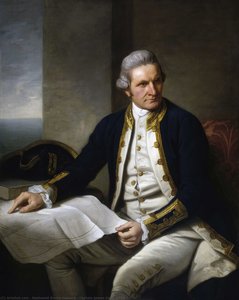
Dances Heldentum brachte ihm einen Rittertitel und eine beträchtliche Belohnung ein. Er verbrachte seine späteren Jahre im komfortablen Ruhestand und starb am 25. März 1811. Obwohl er hauptsächlich für seine maritimen Leistungen bekannt ist, erstreckt sich Dance's Vermächtnis auch auf die Kunstwelt, wobei mehrere seiner Werke auf ArtsDot.com gezeigt werden, einer Plattform, die hochwertige Reproduktionen berühmter Kunstwerke anbietet.- Betrachten Sie Sir Nathaniel Dance Hollands Kunstwerke auf ArtsDot: https://ArtsDot.com/@/sir_nathaniel_dance_holland
- Erkunden Sie die niederländische Goldene Zeitalter Kunstbewegung, die Dances künstlerischen Stil beeinflusste: die niederländische Goldene Zeitalter Kunstbewegung
- Entdecken Sie mehr über George Dance den Älteren auf Wikipedia: George Dance

Sir Nathaniel Dance-Holland
1735 - 1811 , Vereinigtes Königreich
Kurzinfos
- Beeinflusste Künstler:
- Pompeo Batoni
- Angelica Kauffmann
- Bemerkenswerte Werke:
- Sir William Fordyce
- The Pybus Family
- Geburtsdatum: 20. Juni 1748
- Geburtsort: London, Vereinigtes Königreich
- Künstlerische Richtung: Niederländische Goldene Zeitalter
- Nationalität: Britisch
- Todatum: 25. März 1811
- Vollständiger Name: Sir Nathaniel Dance Holland
Ähnliche Artikel
Neoklassizismus: Die 10 Meisterwerke, die eine Epoche prägten – Kunst für Ihr Zuhause
Entdecken Sie die 10 prägendsten Meisterwerke des Neoklassizismus! Von David bis Canova – erfahren Sie die Geschichten hinter ikonischen Gemälden & Skulpturen. Finden Sie hochwertige Reproduktionen für Ihr Zuhause auf

The Revival of Antiquity: Exploring Neoclassical Art's Ideals & Enduring Legacy
Explore the revival of classical ideals in Neoclassical art! Discover Jacques-Louis David & the movement's impact on painting, sculpture & architecture. Expert insights & high-quality reproductions at ArtsDot.

The Revival of Antiquity: Exploring the Neoclassical Movement & its Enduring Legacy
Explore the revival of classical art with our deep dive into Neoclassicism! Discover key artists like Jacques-Louis David, Enlightenment influences & lasting impact on art history. High-quality reproductions at ArtsDot.

The Enduring Legacy of Neoclassical Art: Order, Reason & Antiquity's Revival
Explore the enduring legacy of Neoclassical art! Discover masterpieces by David, Girodet & Garnier. Expert analysis, custom reproductions & art appraisal at ArtsDot.
Jacques-Louis David: Neoklassizistische Ideale und der Geist einer Revolution – Leben, Werk und Vermächtnis eines Meistermalers
Entdecken Sie das Leben und Werk von Jacques-Louis David, dem führenden Maler des Neoklassizismus! Erfahren Sie mehr über seine Rolle in der Französischen Revolution und sein bleibendes Vermächtnis für die Kunstgeschichte. Expertenwissen & detaillierte Analysen.