 Vorschau anzeigen
 Versenden
 Teilen
 Details anzeigen

 Herunterladen
 Ähnliche Objekte
 Röntgenaufnahme
 Diashow
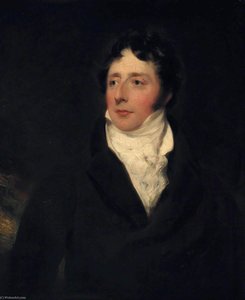
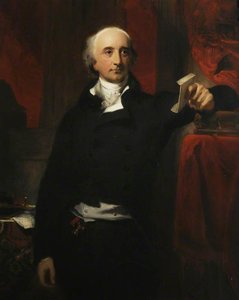
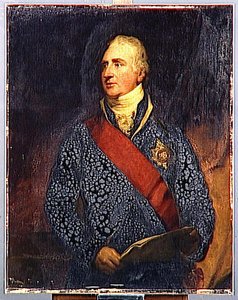
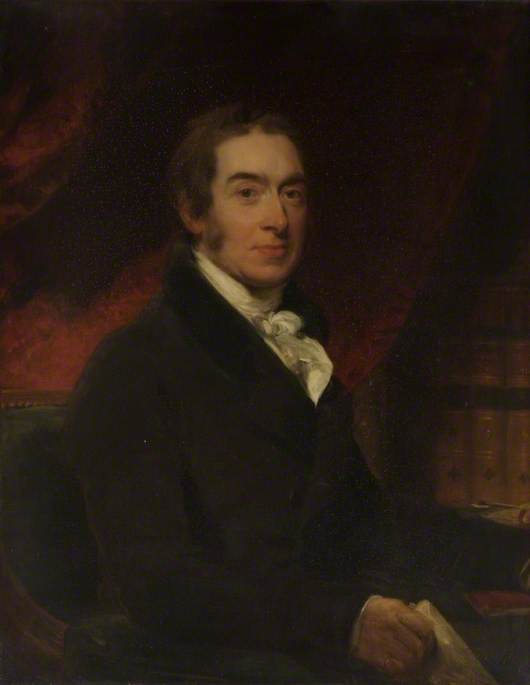
John Vivian of Claverton (1756–1828)
 Acrylic On Canvas
- WallArt
- Regency Romanticism
 90.0 x 70.0 cm
 No. 1 Royal Crescent
 Weiterlesen
Handgefertigte Ölreproduktion
Handgemaltes Ölgemälde auf Leinwand in Ihrer Wunschgröße und mit Rahmen, auf Bestellung von unseren Künstlern angefertigt. ( Druck bestellen Bild kaufen)




P118B $10

P118H $10

P118W $10

P438Z $10

P508JH $12

P508YH $12

P805H $10

P805Z $10

P919BZ $10

P919G $10

P919XJ $10

P959ZH $10

P968JZ $12

W106C $8

W218G $10

W218JH $8

W218Y $10

W307PJ $10

W316G $10

W316PJ $8

W316Y $10

W398PJ $8

W4111J $10

W500HY $15

W500JH $15

W692G $12

W849H $8

W940BG $15

W953PJ $8




Wählen Sie aus unseren vordefinierten Formaten, die den ursprünglichen Proportionen des Kunstwerks entsprechen.

Sie können Ihre eigenen Maße eingeben, um einen bestimmten Rahmen oder Platz auszufüllen. Wenn die gewählte Größe nicht den Proportionen des Originalbildes entspricht, werden wir das Kunstwerk entweder beschneiden oder das Gemälde durch zusätzliche, handgemalte Elemente erweitern. Ein digitales Mockup wird Ihnen zur Genehmigung zugesandt, bevor die Produktion beginnt.
Bitte beachten Sie, dass die Bildschirmvorschau nicht die tatsächliche Beschneidung oder Erweiterung widerspiegelt. Nur das Mockup zeigt die endgültige Komposition exakt an.
Obwohl Sondermaße verfügbar sind, empfehlen wir, eine Größe aus der vordefinierten Liste zu wählen, um die ursprünglichen Proportionen beizubehalten.
Nach der Bestellung wird das ArtsDot.com-Team dem Kunden Anweisungen per E-Mail zusenden und eine Mockup-Vorschau bereitstellen.
Weltweiter Versand () in nur 3 bis 4 Wochen statt der üblichen 5 Wochen. (28 August). Keine Kompromisse bei der Qualität.

Kostenloser weltweiter Expressversand

Hochwertige Leinenleinwand

Umfassender Versicherungsschutz beim Versand

Zollgebühren-Rückerstattungsgarantie

Garantie für exakte Farbtreue

60 Tage Rückgaberecht (nur bei Mängeln)

100% Geld-zurück-Garantie

Mengenrabatt verfügbar
 Die Glasoption ist nur für Größen unter 110 cm verfügbar.

John Vivian of Claverton (1756–1828)
Art der Reproduktion
Format der Reproduktion
-


Gesamtpreis
$ 263
A Portrait of Regency Dignity: Unveiling John Vivian
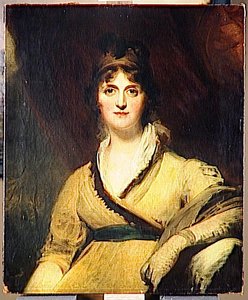
Sir Thomas Lawrence’s “John Vivian of Claverton” isn't merely a portrait; it’s a meticulously crafted window into the social and artistic landscape of early 19th-century England. Painted around 1820, this oil on canvas captures not just the likeness of John Vivian, a prominent figure in Cornish society and a key player in the burgeoning world of art patronage, but also embodies the refined elegance and understated power of the Regency era. The painting’s quiet dignity speaks volumes about Vivian's position – a man of considerable wealth, influence, and a keen appreciation for both the arts and the social graces that defined his time.
Lawrence, a master of capturing the nuances of personality through subtle brushstrokes and carefully considered composition, employs a classic three-quarter pose. Vivian sits with his hands folded neatly in his lap – a gesture that conveys both composure and quiet confidence. His attire, meticulously rendered with rich fabrics and intricate details, reflects his status: a dark coat adorned with fine embroidery, a crisp white shirt, and a silk cravat hinting at wealth and taste. The background is deliberately understated, featuring a simple chair and two books – symbols of intellectual pursuits and the gentleman’s cultivated mind. The lighting, expertly controlled by Lawrence, highlights Vivian's face, drawing attention to his features and conveying an air of thoughtful contemplation.
The Artist and His Patron: A Collaboration in Style
Understanding Sir Thomas Lawrence requires appreciating his unique position within the British art world. Initially a successful portrait painter catering to the wealthy elite, he was later appointed President of the Royal Academy in 1820 – a testament to his influence and standing. His style during this period is characterized by its elegance, naturalism, and ability to capture both physical likeness and inner character. “John Vivian of Claverton” exemplifies these qualities perfectly. The painting’s success was partly due to Lawrence's close relationship with the subject; Vivian himself commissioned the portrait, demonstrating his confidence in the artist’s abilities and a desire to secure a lasting representation of his identity.
The commission also speaks volumes about the importance of patronage during this era. Lawrence relied heavily on wealthy patrons like Vivian for financial support, allowing him to pursue his artistic endeavors and maintain a comfortable lifestyle. This reciprocal relationship fostered a vibrant exchange between artist and subject, resulting in portraits that were not simply likenesses but carefully constructed narratives reflecting both individual identity and social standing.
Symbolism and the Regency Aesthetic
Beyond its immediate depiction of Vivian, the painting is rich with symbolic elements characteristic of the Regency period. The books suggest a man of learning and intellectual curiosity – qualities highly valued in the educated elite. The restrained colors and elegant composition reflect the prevailing aesthetic ideals of the time: a focus on restraint, balance, and refined beauty. The overall mood is one of quiet dignity and understated power, mirroring the social dynamics of Regency England.
Furthermore, the painting’s meticulous detail—the texture of the fabrics, the sheen of the polished shoes, the subtle play of light and shadow—demonstrates Lawrence's mastery of technique. He employed a layering method known as ‘sfumato,’ creating soft transitions between colors and tones that contribute to the portrait’s overall sense of realism and depth. The careful attention to detail is not merely decorative; it serves to enhance the painting’s expressive power, conveying Vivian’s status and personality with remarkable subtlety.
A Timeless Portrait: Reproduction Possibilities
Reproductions of “John Vivian of Claverton” offer a wonderful opportunity to bring this captivating portrait into your home or office. Available in various sizes and mediums – from high-quality prints on canvas to meticulously crafted oil reproductions – these pieces capture the essence of Lawrence’s original work while providing an accessible and affordable way to appreciate its beauty. Whether you are a collector of Regency art, an admirer of Sir Thomas Lawrence's skill, or simply seeking a timeless piece of decorative art, this portrait is sure to be a cherished addition to your collection.
Ähnliche Kunstwerke
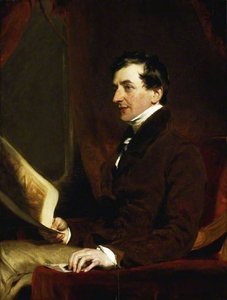
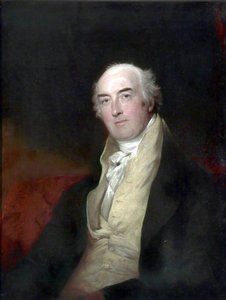
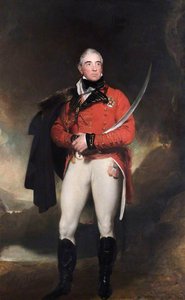
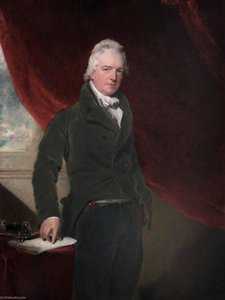
Über den Künstler
Frühes Leben und Ausbildung
- Geboren: Bristol, Vereinigtes Königreich, 13. April 1769
- Gestorben: London, 7. Januar 1830
- Eltern: Thomas Lawrence (Zollbeamter) und Lucy Read.
- Frühes Talent: Zeigte von jungem Alter an ein prodigiöses künstlerisches Talent und begann um das zehnte Lebensjahr zu zeichnen.
- Autodidakt: War weitgehend Autodidakt, obwohl er einige Anweisungen in Französisch und Latein erhielt.
- Familienunterstützung: Unterstützte seine Familie zunächst durch Pastellporträts während seines Aufenthalts in Bath.
- Umzug nach London: Zog im Alter von 18 Jahren nach London und etablierte sich schnell als Porträtmaler.
Karriere und künstlerische Entwicklung
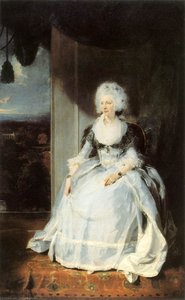
- Frühe Aufträge: Erhielt 1789 seine erste königliche Auftragsarbeit, ein Porträt von Königin Charlotte.
- Mitgliedschaft in der Royal Academy: Wurde 1791 Associate und 1794 Vollmitglied der Royal Academy.
- Präsident der Royal Academy: War ab 1820 Präsident der Royal Academy.
- Porträts für die Waterloo-Kammer: Beauftragt, Porträts der alliierten Staats- und Regierungschefs für die Waterloo-Kammer im Windsor Castle zu malen, was seine Fähigkeiten demonstrierte und internationale Anerkennung erlangte.
- Stil & Technik: Bekannt für seine Fähigkeit, Gesichtszüge einzufangen und seine Virtuosität im Umgang mit Farbe. Beeinflusst von Sir Joshua Reynolds. Sein Stil entwickelte sich während seiner Karriere kaum weiter.
- Themenwahl: Konzentrierte sich hauptsächlich auf Porträts und porträtierte Adelige, Könige und prominente Persönlichkeiten der Regency-Ära.
Wichtige Errungenschaften und Anerkennung
- Modischster Porträtmaler: Galt zu seiner Zeit als einer der modischsten Porträtmaler Europas.
- Königliche Förderung: Genoss großzügige Unterstützung vom Prince Regent (später König Georg IV.).
- Internationale Anerkennung: Seine Arbeiten wurden 1824 im Pariser Salon ausgestellt und ernteten die Bewunderung französischer Künstler wie Delacroix.
- Beteiligung an der National Gallery: Spielte eine Rolle bei der Gründung der National Gallery und der Sicherung der Elgin-Marmorstatuen für Großbritannien.
- Auszeichnungen: 1815 zum Sir ernannt.
Einflüsse und Vermächtnis
- Sir Joshua Reynolds: Ein bedeutender Einfluss auf Lawrences frühe Entwicklung als Porträtmaler.
- Alte Meister: Studierte umfangreich Zeichnungen alter Meister, insbesondere von Michelangelo und Raffael.
- Romantik: Seine Arbeit spiegelte den Glanz der Regency-Ära wider und entsprach romantischen künstlerischen Idealen.
- Rückgang in der viktorianischen Ära: Lawrences Ruf ließ während der viktorianischen Zeit nach, wurde aber seitdem teilweise wiederhergestellt.
- Bleibender Einfluss: Bleibt eine wichtige Figur in der britischen Kunstgeschichte und wird für seine Fähigkeiten, seinen Charme und seine Fähigkeit gefeiert, das Wesen seiner Motive einzufangen.
Kontroversen und Privatleben
- Finanzielle Schwierigkeiten: Trotz seines Erfolgs hatte Lawrence einen Großteil seines Lebens mit Schulden zu kämpfen.
- Komplexe Beziehungen: Hatte schwierige Beziehungen zu Sally und Maria Siddons.
- Beziehungen der Sitter: Seine Sitter gehörten sowohl Sklavenbesitzern als auch Abolitionisten an, was die komplexe soziale Landschaft seiner Zeit widerspiegelt.
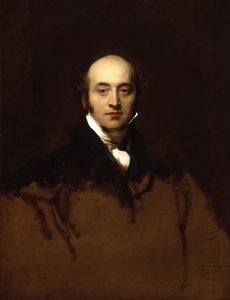
Sir Thomas Lawrence
1769 - 1830 , Vereinigtes Königreich
Kurzinfos
- Beeinflusste Künstler: ['Sir Joshua Reynolds']
- Bemerkenswerte Werke:
- Portrait von Königin Charlotte
- Waterloo-Chamber-Porträts
- Geburtsdatum: 13. April 1769
- Geburtsort: Bristol, Vereinigtes Königreich
- Künstlerische Bewegung: Regency-Porträtmalerei
- Nationalität: Britisch
- Sterbedatum: 7. Januar 1830
- Vollständiger Name: Sir Thomas Lawrence
Ähnliche Artikel

John Singer Sargent: Die 25 Meisterwerke des Porträts – Kunst für Ihr Zuhause | ArtsDot
Entdecken Sie die 25 Meisterwerke von John Singer Sargent! Tauchen Sie ein in die Welt der Porträtmalerei, des Impressionismus & der Belle Époque. Hochwertige Kunstdrucke & Reproduktionen für Ihr Zuhause – jetzt auf ArtsDot.com!

John Constable: Die 25 Meisterwerke des englischen Landschaftsgenies – ArtsDot
Entdecken Sie die 25 Meisterwerke von John Constable! Erleben Sie englische Landschaftsmalerei vom Hay Wain bis zur Stour Valley. Hochwertige Reproduktionen & Kunst für Ihr Zuhause auf ArtsDot.com.
Thomas Lawrence: Porträtkunst, Macht und Ästhetik der Regency-Gesellschaft
Entdecken Sie das Werk von Thomas Lawrence, dem führenden Porträtmaler der Regency-Zeit. Analysieren Sie Machtinszenierung, innovative Technik und seinen Einfluss auf die britische Kunstgeschichte. Für Kenner und Sammler.
Gwen John: Intimität, Moderne und die stille Kraft der walisischen Porträtkunst
Entdecken Sie das faszinierende Werk von Gwen John – einer Pionierin der walisischen Moderne. Erfahren Sie mehr über ihre einzigartigen Porträts, ihren Stil und ihr Vermächtnis in der Kunstgeschichte.
Thomas Barker of Bath: Landscape Painting & Societal Reflection in Early 19th-Century England
Explore the life & work of Thomas Barker of Bath, a key figure in 19th-century English Romanticism. Discover his Parisian success, iconic paintings like 'The Bride of Death', and lasting artistic legacy. Learn more at ArtsDot.