 Vorschau anzeigen
 Versenden
 Teilen
 Details anzeigen

 Herunterladen
 Ähnliche Objekte
 Röntgenaufnahme
 Diashow
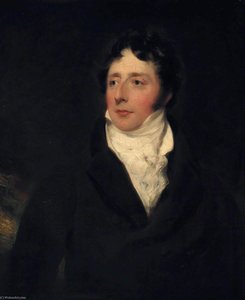
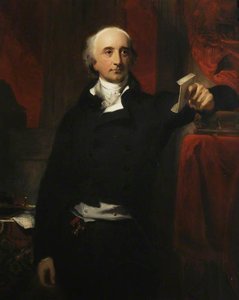
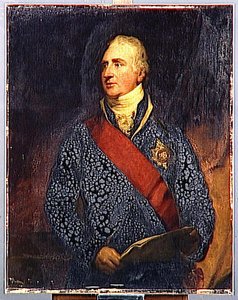
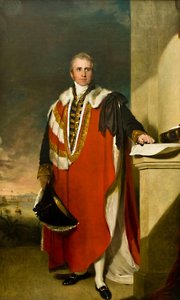
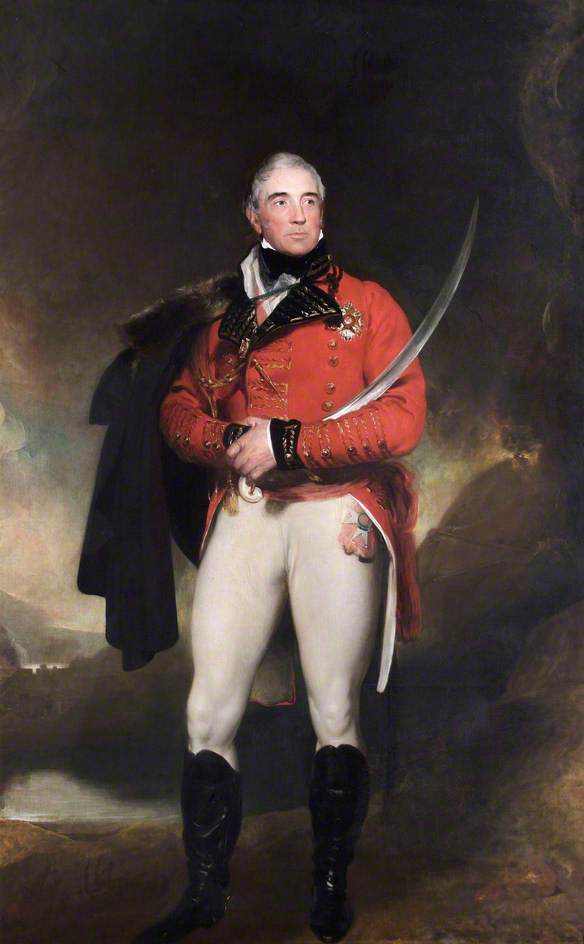
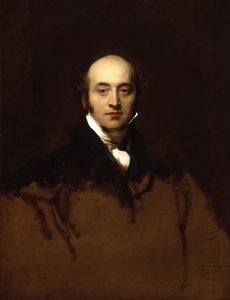
Thomas Graham (1748–1843), Lord Lynedoch, GCB, GCMG
 Oil On Canvas
- WallArt
- Regency Portraiture
 1830
1830 236.0 x 146.0 cm
 English Heritage
 Weiterlesen
Giclée / Kunstdruck
Giclée- oder Leinwanddruck in Museumsqualität mit schneller Produktion und flexiblen Veredelungsoptionen. ( Handgemalte Reproduktion bestellen Bild kaufen)




P118B $10

P118H $10

P118W $10

P438Z $10

P508JH $12

P508YH $12

P805H $10

P805Z $10

P919BZ $10

P919G $10

P919XJ $10

P959ZH $10

P968JZ $12

W106C $8

W218G $10

W218JH $8

W218Y $10

W307PJ $10

W316G $10

W316PJ $8

W316Y $10

W398PJ $8

W4111J $10

W500HY $15

W500JH $15

W692G $12

W849H $8

W940BG $15

W953PJ $8




Wählen Sie aus unseren vordefinierten Formaten, die den ursprünglichen Proportionen des Kunstwerks entsprechen.

Sie können Ihre eigenen Maße eingeben, um ein bestimmtes Format oder einen speziellen Platz einzupassen. Wenn das von Ihnen gewählte Format nicht den Proportionen des Originalbildes entspricht, werden wir das Kunstwerk entweder beschneiden oder das Bild mit einem gespiegelten oder einfarbigen Rand erweitern. Ein digitaler Entwurf wird Ihnen zur Genehmigung zugesandt, bevor die Produktion beginnt.
Bitte beachten Sie, dass die Vorschau auf dem Bildschirm nicht den tatsächlichen Zuschnitt oder die Erweiterung widerspiegelt. Nur der Entwurf zeigt die endgültige Komposition präzise an.
Obwohl Sondermaße verfügbar sind, empfehlen wir die Auswahl eines Maßes aus der vordefinierten Liste, um die ursprünglichen Proportionen zu bewahren.
Weltweiter Versand () innerhalb von 2 Wochen statt der üblichen 4/5 Wochen. (21 August)

Kostenloser weltweiter Expressversand

Hochwertige Leinenleinwand

Umfassender Versicherungsschutz beim Versand

Zollgebühren-Rückerstattungsgarantie

Garantie für exakte Farbtreue

60 Tage Rückgaberecht (nur bei Mängeln)

100% Geld-zurück-Garantie

Mengenrabatt verfügbar
 Die Glasoption ist nur für Größen unter 110 cm verfügbar.

Thomas Graham (1748–1843), Lord Lynedoch, GCB, GCMG
Giclée / Kunstdruck
Format der Reproduktion
-


Gesamtpreis
$ 62
Sammlerstück-Beschreibung
A Regency Portrait of Distinction: Thomas Graham, Lord Lynedoch
Sir Thomas Lawrence’s captivating portrait of Thomas Graham, 1st Baron Lynedoch, offers more than just a likeness; it's a window into the character and ambitions of a pivotal figure in British military and political history. Painted in 1830, this oil-on-canvas masterpiece embodies the elegance and restrained power characteristic of Regency portraiture, capturing not merely a man’s appearance but also his bearing and inner strength. The painting resides within the National Portrait Gallery's collection, a testament to Lawrence’s enduring legacy as one of Britain’s most celebrated artists.
Lawrence’s style is immediately recognizable – a masterful blend of meticulous detail and subtle suggestion. He employs a carefully constructed composition, placing Graham centrally within a richly textured background that speaks volumes about his status and accomplishments. The lighting, expertly rendered, highlights the subject's face and shoulders, drawing the viewer’s eye to his confident gaze. Note the precise rendering of his uniform – a testament to Lawrence’s ability to capture both the formality and the inherent dignity of military attire. The subtle use of color—the deep reds and whites of his coat contrasting with the darker tones of the background—creates a sense of depth and visual interest, while simultaneously conveying an air of authority.
A Man Forged by War and Duty
Thomas Graham’s life itself is a compelling narrative. Born in 1748, he inherited a substantial estate in Scotland but found his true calling on the battlefield. Rising through the ranks during the French Revolutionary Wars and the Napoleonic conflicts, Graham distinguished himself as a courageous officer and a skilled strategist. His military career spanned decades, culminating in the rank of Lieutenant General and later General, earning him the prestigious titles of GCB (Knight Commander of the Order of the Bath) and GCMG (Knight Grand Cross of the Order of St Michael and St George). The portrait reflects this distinguished service – the proud bearing, the commanding presence, all hallmarks of a man who had faced danger and achieved considerable success.
Beyond his military exploits, Graham was also a significant figure in British politics. He served as a Member of Parliament and held various important government positions. His political career further cemented his reputation as a respected and influential member of society. The painting subtly hints at this multifaceted life – the serious expression on his face suggests both strategic thinking and a sense of responsibility, while the overall composition projects an image of strength and leadership.
Symbolism and Context
The backdrop to the portrait is rich with symbolic detail. The muted colors and architectural elements suggest a refined country estate—reflecting Graham’s landed gentry background. The inclusion of two figures in the distance, one on the left and another further back on the right, adds a layer of narrative complexity, perhaps hinting at his family life or social connections. Even the umbrella held by one of these figures subtly references the prevailing weather conditions of the time – a common motif in Regency portraiture used to create atmosphere and suggest mood.
Painted in 1830, just a few years before Graham’s death at the age of 95, the portrait captures him at the height of his career. It stands as a remarkable record of a man who played a significant role in shaping British history – a military hero, a political leader, and a respected member of society. The painting is not merely a likeness; it’s a carefully constructed image that embodies the values and aspirations of the Regency era.
A Timeless Masterpiece for Display
Reproductions of Sir Thomas Lawrence's portrait of Thomas Graham, Lord Lynedoch, offer an exceptional opportunity to bring this captivating work of art into any setting. Its dignified presence and evocative details make it a perfect addition to formal living rooms, studies, or galleries. The painting’s rich colors and intricate detail will undoubtedly serve as a focal point, sparking conversation and admiration. Whether you are an art collector, an interior designer, or simply someone seeking a piece of history, this portrait is sure to be a treasured possession for years to come.
Ähnliche Kunstwerke
Über den Künstler
Frühes Leben und Ausbildung
- Geboren: Bristol, Vereinigtes Königreich, 13. April 1769
- Gestorben: London, 7. Januar 1830
- Eltern: Thomas Lawrence (Zollbeamter) und Lucy Read.
- Frühes Talent: Zeigte von jungem Alter an ein prodigiöses künstlerisches Talent und begann um das zehnte Lebensjahr zu zeichnen.
- Autodidakt: War weitgehend Autodidakt, obwohl er einige Anweisungen in Französisch und Latein erhielt.
- Familienunterstützung: Unterstützte seine Familie zunächst durch Pastellporträts während seines Aufenthalts in Bath.
- Umzug nach London: Zog im Alter von 18 Jahren nach London und etablierte sich schnell als Porträtmaler.
Karriere und künstlerische Entwicklung
- Frühe Aufträge: Erhielt 1789 seine erste königliche Auftragsarbeit, ein Porträt von Königin Charlotte.
- Mitgliedschaft in der Royal Academy: Wurde 1791 Associate und 1794 Vollmitglied der Royal Academy.
- Präsident der Royal Academy: War ab 1820 Präsident der Royal Academy.
- Porträts für die Waterloo-Kammer: Beauftragt, Porträts der alliierten Staats- und Regierungschefs für die Waterloo-Kammer im Windsor Castle zu malen, was seine Fähigkeiten demonstrierte und internationale Anerkennung erlangte.
- Stil & Technik: Bekannt für seine Fähigkeit, Gesichtszüge einzufangen und seine Virtuosität im Umgang mit Farbe. Beeinflusst von Sir Joshua Reynolds. Sein Stil entwickelte sich während seiner Karriere kaum weiter.
- Themenwahl: Konzentrierte sich hauptsächlich auf Porträts und porträtierte Adelige, Könige und prominente Persönlichkeiten der Regency-Ära.
Wichtige Errungenschaften und Anerkennung
- Modischster Porträtmaler: Galt zu seiner Zeit als einer der modischsten Porträtmaler Europas.
- Königliche Förderung: Genoss großzügige Unterstützung vom Prince Regent (später König Georg IV.).
- Internationale Anerkennung: Seine Arbeiten wurden 1824 im Pariser Salon ausgestellt und ernteten die Bewunderung französischer Künstler wie Delacroix.
- Beteiligung an der National Gallery: Spielte eine Rolle bei der Gründung der National Gallery und der Sicherung der Elgin-Marmorstatuen für Großbritannien.
- Auszeichnungen: 1815 zum Sir ernannt.
Einflüsse und Vermächtnis
- Sir Joshua Reynolds: Ein bedeutender Einfluss auf Lawrences frühe Entwicklung als Porträtmaler.
- Alte Meister: Studierte umfangreich Zeichnungen alter Meister, insbesondere von Michelangelo und Raffael.
- Romantik: Seine Arbeit spiegelte den Glanz der Regency-Ära wider und entsprach romantischen künstlerischen Idealen.
- Rückgang in der viktorianischen Ära: Lawrences Ruf ließ während der viktorianischen Zeit nach, wurde aber seitdem teilweise wiederhergestellt.
- Bleibender Einfluss: Bleibt eine wichtige Figur in der britischen Kunstgeschichte und wird für seine Fähigkeiten, seinen Charme und seine Fähigkeit gefeiert, das Wesen seiner Motive einzufangen.
Kontroversen und Privatleben
- Finanzielle Schwierigkeiten: Trotz seines Erfolgs hatte Lawrence einen Großteil seines Lebens mit Schulden zu kämpfen.
- Komplexe Beziehungen: Hatte schwierige Beziehungen zu Sally und Maria Siddons.
- Beziehungen der Sitter: Seine Sitter gehörten sowohl Sklavenbesitzern als auch Abolitionisten an, was die komplexe soziale Landschaft seiner Zeit widerspiegelt.
Sir Thomas Lawrence
1769 - 1830 , Vereinigtes Königreich
Kurzinfos
- Beeinflusste Künstler: ['Sir Joshua Reynolds']
- Bemerkenswerte Werke:
- Portrait von Königin Charlotte
- Waterloo-Chamber-Porträts
- Geburtsdatum: 13. April 1769
- Geburtsort: Bristol, Vereinigtes Königreich
- Künstlerische Bewegung: Regency-Porträtmalerei
- Nationalität: Britisch
- Sterbedatum: 7. Januar 1830
- Vollständiger Name: Sir Thomas Lawrence
Ähnliche Artikel
Sir Joshua Reynolds: Die 25 Meisterwerke des Porträtmalers | ArtsDot
Entdecken Sie die 25 Meisterwerke von Sir Joshua Reynolds! Erleben Sie Rokoko & Klassizismus durch ikonische Porträts. Hochwertige Reproduktionen für Ihr Interieur auf ArtsDot.com – jetzt entdecken!
Thomas Lawrence: Porträtkunst, Macht und Ästhetik der Regency-Gesellschaft
Entdecken Sie das Werk von Thomas Lawrence, dem führenden Porträtmaler der Regency-Zeit. Analysieren Sie Machtinszenierung, innovative Technik und seinen Einfluss auf die britische Kunstgeschichte. Für Kenner und Sammler.
Sir Alfred James Munnings: Die 25 Meisterwerke des Pferdebildes | ArtsDot
Entdecken Sie die 25 Meisterwerke von Sir Alfred James Munnings! Erleben Sie seine beeindruckenden Pferdebilder, geprägt vom Impressionismus und Realismus. Hochwertige Kunstdrucke & Reproduktionen auf ArtsDot.com – für elegante Wandkunst & stilvolles Interieurdesign.
John Graham Gilbert: Rediscovering a Victorian Master of Narrative & Portraiture
Discover the captivating world of John Graham Gilbert, a Victorian master! Explore his portraits, genre scenes & illustrations. Learn about his influences, legacy & find high-quality reproductions at ArtsDot.

Grahame Sydney: Licht und Landschaft als Spiegel der Seele Otagos – Eine Studie zu Atmosphäre und kulturellem Erbe
Entdecken Sie die faszinierende Welt von Grahame Sydney! Unsere Analyse beleuchtet Licht, Landschaft und kulturelles Erbe in seinen Gemälden. Einblick in einen einzigartigen Künstler und seine Vision von Otago.