 Vorschau anzeigen
 Versenden
 Teilen
 Details anzeigen

 Herunterladen
 Ähnliche Objekte
 Röntgenaufnahme
 Diashow
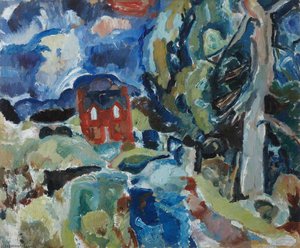
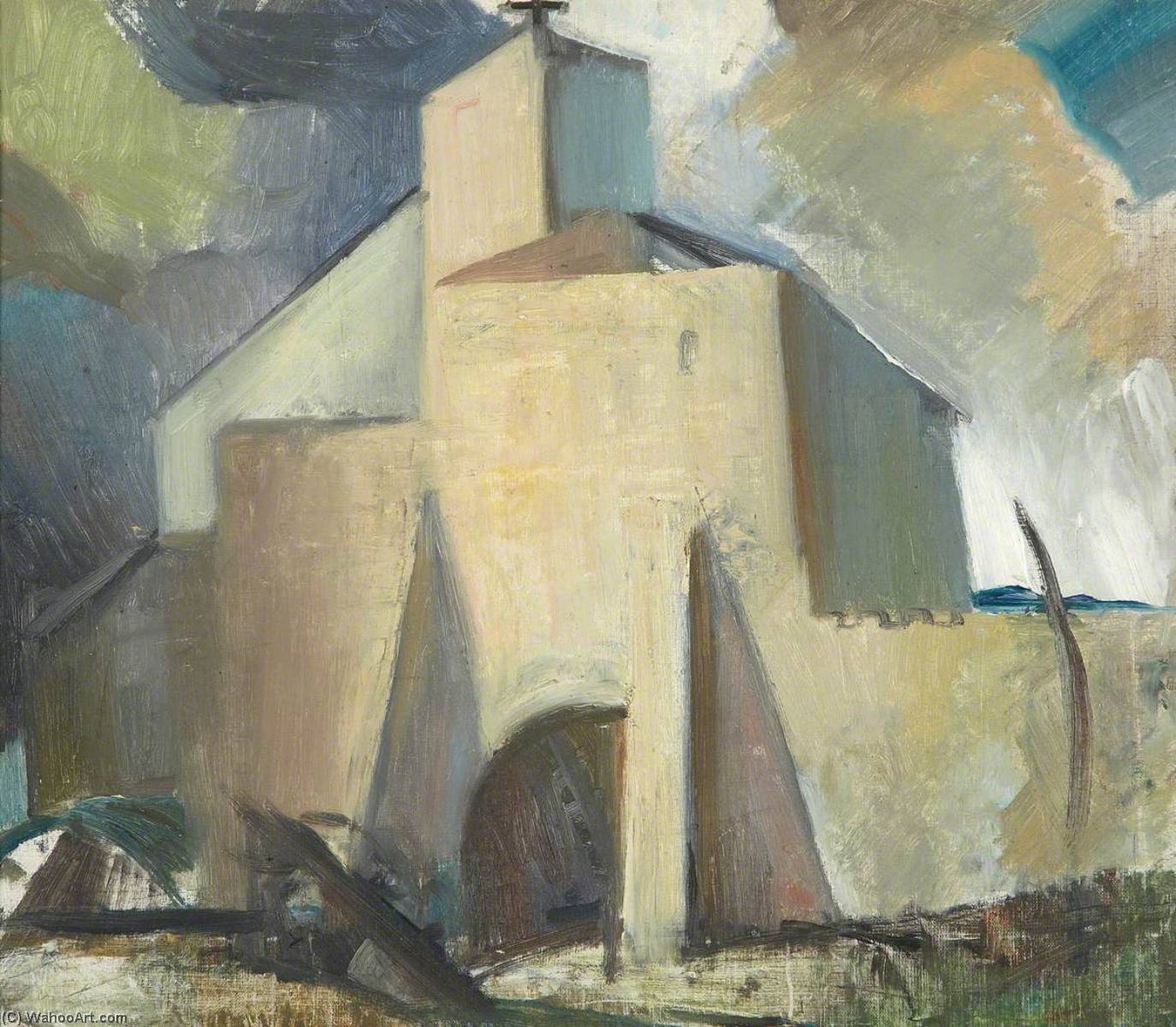
Gateway, Italy
 Öl auf Leinwand
- Wandkunst
- Cubist Modernism
 1924
1924 35.0 x 39.0 cm
 Royal Scottish Academy of Art – Architektur
 Weiterlesen
Giclée / Kunstdruck
Giclée- oder Leinwanddruck in Museumsqualität mit schneller Produktion und flexiblen Veredelungsoptionen. ( Handgemalte Reproduktion bestellen Bild kaufen)




P118B $10

P118H $10

P118W $10

P438Z $10

P508JH $12

P508YH $12

P805H $10

P805Z $10

P919BZ $10

P919G $10

P919XJ $10

P959ZH $10

P968JZ $12

W106C $8

W218G $10

W218JH $8

W218Y $10

W307PJ $10

W316G $10

W316PJ $8

W316Y $10

W398PJ $8

W4111J $10

W500HY $15

W500JH $15

W692G $12

W849H $8

W940BG $15

W953PJ $8




Wählen Sie aus unseren vordefinierten Formaten, die den ursprünglichen Proportionen des Kunstwerks entsprechen.

Sie können Ihre eigenen Maße eingeben, um ein bestimmtes Format oder einen speziellen Platz einzupassen. Wenn das von Ihnen gewählte Format nicht den Proportionen des Originalbildes entspricht, werden wir das Kunstwerk entweder beschneiden oder das Bild mit einem gespiegelten oder einfarbigen Rand erweitern. Ein digitaler Entwurf wird Ihnen zur Genehmigung zugesandt, bevor die Produktion beginnt.
Bitte beachten Sie, dass die Vorschau auf dem Bildschirm nicht den tatsächlichen Zuschnitt oder die Erweiterung widerspiegelt. Nur der Entwurf zeigt die endgültige Komposition präzise an.
Obwohl Sondermaße verfügbar sind, empfehlen wir die Auswahl eines Maßes aus der vordefinierten Liste, um die ursprünglichen Proportionen zu bewahren.
Weltweiter Versand () innerhalb von 2 Wochen statt der üblichen 4/5 Wochen. (19 August)

Kostenloser weltweiter Expressversand

Hochwertige Leinenleinwand

Umfassender Versicherungsschutz beim Versand

Zollgebühren-Rückerstattungsgarantie

Garantie für exakte Farbtreue

60 Tage Rückgaberecht (nur bei Mängeln)

100% Geld-zurück-Garantie

Mengenrabatt verfügbar
 Die Glasoption ist nur für Größen unter 110 cm verfügbar.

Gateway, Italy
Giclée / Kunstdruck
Format der Reproduktion
-


Gesamtpreis
$ 62
Sammlerstück-Beschreibung
A Window on Italy: William George Gillies’ “Gateway”
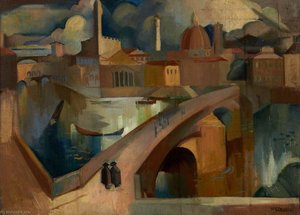
William George Gillies' "Gateway," painted in 1924, isn't merely a depiction of an Italian building; it’s a carefully constructed tableau brimming with layered meaning and reflecting the artist’s evolving artistic sensibilities. This oil on canvas, measuring a modest 35 x 39 cm, offers a glimpse into a pivotal moment in Gillies’ career – a period where he wrestled with the influence of Cubism while simultaneously forging his own distinctly Scottish style. The painting captures a grand structure, likely a palazzo or civic building, dominated by two imposing arches that frame a central cross, a potent symbol of faith and authority. The stone or brick construction exudes solidity and permanence, hinting at centuries of history and architectural tradition – a deliberate nod to the enduring legacy of Italy itself.
Gillies’ artistic journey in 1924 was marked by a conscious exploration of modernism following his studies with André Lhote in Paris. This exposure ignited an interest in Cubist principles, evident in the fragmented forms and geometric arrangements within the arches and the building's overall structure. However, Gillies wasn’t simply replicating Cubist techniques; he skillfully integrated them into a broader compositional framework, drawing inspiration from Cézanne’s emphasis on line and volume – a key influence readily apparent in the painting’s careful rendering of form and space. The muted color palette, dominated by earthy browns, ochres, and subtle blues, further reinforces this blend of influences, creating an atmosphere of quiet contemplation rather than vibrant dynamism.
The Figure and the Landscape
Adding a layer of human interest to the architectural grandeur is a solitary figure standing near the left side of the image. While details are somewhat obscured by the painting’s perspective, this individual appears to be observing the building with a sense of wonder or perhaps even reverence. This inclusion invites us to consider the relationship between humanity and the monumental structures that shape our world – a theme frequently explored in Gillies' work. The figure serves as a focal point, drawing the viewer into the scene and prompting reflection on themes of observation, contemplation, and the passage of time.
Beyond the immediate subject matter, “Gateway” is deeply rooted in the Scottish landscape. Gillies’ formative years were spent in Haddington, East Lothian, and his connection to his homeland profoundly shaped his artistic vision. The painting's composition – the strong vertical lines of the building contrasted with the horizontal expanse of the sky – echoes the dramatic landscapes of Scotland, suggesting a subtle dialogue between Italian architectural tradition and Scottish visual language. This fusion is further emphasized by Gillies’ masterful use of light and shadow, creating a sense of depth and atmosphere that is both evocative and profoundly moving.
Symbolism and Emotional Resonance
The central cross, prominently displayed above the arches, carries significant symbolic weight. It represents faith, divine authority, and perhaps even the enduring spirit of Italy itself – a nation steeped in religious history and artistic achievement. The building’s imposing presence speaks to notions of power, permanence, and the legacy of generations past. Yet, despite its monumental scale, “Gateway” doesn't feel oppressive or intimidating; rather, it exudes an aura of dignified serenity.
Ultimately, "Gateway" is a testament to Gillies’ artistic versatility and his ability to synthesize diverse influences into a cohesive and deeply personal vision. It’s a painting that invites viewers to contemplate the relationship between architecture, landscape, humanity, and spirituality – a timeless exploration of beauty, meaning, and the enduring power of art. The work's quiet elegance and subtle complexities make it a captivating addition to any collection, offering both aesthetic pleasure and intellectual stimulation.
Historical Context & Artistic Influences
Painted in 1924, “Gateway” reflects a period of significant artistic experimentation and innovation. Gillies’ travels to Italy that year were crucial to his development, exposing him to the works of Cézanne, Picasso, and Braque – artists who had pioneered Cubism and influenced a generation of European painters. However, Gillies wasn't simply imitating these masters; he absorbed their techniques while simultaneously developing his own unique style, characterized by its lyrical brushwork, evocative color palettes, and profound sense of place. His decision to return to Scotland after his time in Paris marked a conscious shift towards a more regionalist approach, rooted in the landscapes and traditions of his homeland.
The 1920s were a time of great social and political upheaval, as Europe grappled with the aftermath of World War I. Gillies’ art reflects this atmosphere of uncertainty and change, yet it also retains a sense of optimism and hope. “Gateway” embodies this duality – a celebration of beauty and tradition amidst a world in transition. The painting's enduring appeal lies in its ability to transcend its historical context and speak to universal themes of human experience.
Collecting & Reproduction
Reproductions of "Gateway" capture the essence of Gillies’ masterful technique and evocative atmosphere. The subtle gradations of color, the delicate rendering of form, and the atmospheric perspective are all faithfully reproduced in high-quality prints. Whether displayed as a statement piece in a contemporary interior or framed for a classic setting, “Gateway” adds a touch of timeless elegance and intellectual depth to any space. Consider commissioning a hand-painted reproduction – an exquisite homage to this iconic work of Scottish art.
Ähnliche Kunstwerke
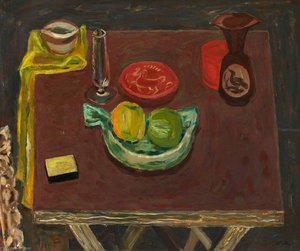
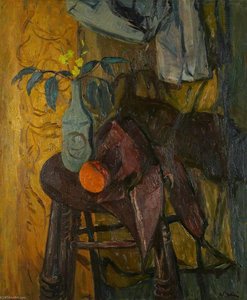
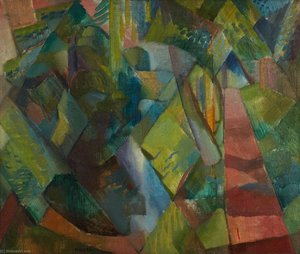
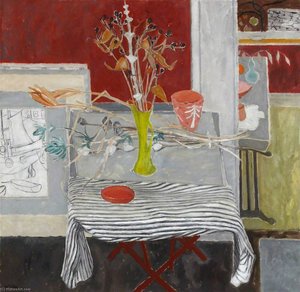
Über den Künstler
Sir William George Gillies: Ein Leben in der schottischen Kunst
Frühes Leben und Ausbildung
- Geboren: Haddington, East Lothian, Vereinigtes Königreich, 1898.
- Gillies begann sein Studium an der Edinburgh College of Art, wurde aber durch seinen Dienst im Ersten Weltkrieg bei den Royal Engineers unterbrochen.
- Nach dem Krieg kehrte er zurück und setzte seine Ausbildung am Edinburgh College of Art fort, schloss sie ab und arbeitete anschließend über 40 Jahre als engagierter Lehrer dort.
Künstlerische Entwicklung und Einflüsse
- Gillies’ künstlerischer Weg begann mit einer Erkundung des Kubismus, nachdem er unter André Lhote in Paris (1923) studiert hatte und Italien (1924) bereist hatte.
- Frühe Werke wie „Two Pots, Saucer and Fruit“ (1933) zeigen diese Einflüsse und präsentieren eine Cézanne-inspirierte Anordnung mit den unaufdringlichen Farbpaletten von Braque und Picasso.
- Ein entscheidender Moment kam 1934, als er die Werke von Paul Klee entdeckte und sich dadurch inspirieren ließ, eine imaginative Verwendung von Farbe und kindliche Qualitäten in seinen Kompositionen einzusetzen.
- Er entwickelte allmählich einen eigenen Stil, der in schottischen Landschaftsbildern und Stillleben Traditionen verwurzelt ist.
Die 1922er Gruppe und kollaborativer Geist
- Im Jahr 1922 gründete Gillies zusammen mit anderen Künstlern wie William Crozier, William Geissler und William MacTaggart die „1922er Gruppe“.
- Diese Ausstellungsgruppe bot einer Plattform für aufstrebende schottische Künstler, um ihre Werke über ein Jahrzehnt im New Gallery in Edinburgh auszustellen.
- Die Gruppe förderte ein Gefühl von Gemeinschaft und Innovation innerhalb der schottischen Kunstszene.
Themen und Gegenstände
- Landschaften: Gillies ist bekannt für seine Darstellungen der Lothian-, Fife- und Borderregionen Schottlands. Er erfasste den Charakter dieser Landschaften mit einem feinfühligen Blick.
- Stillleben: Stillleben waren ein weiteres wichtiges Thema, oft mit Keramiken, die von seiner jüngeren Schwester Emma Smith Gillies geschaffen wurden, deren frühes Ableben 1936 ihn tief betraf, dargestellt.
- Porträts: Obwohl er in seiner frühen Karriere mit Porträts experimentierte, blieben Landschaften und Stillleben seine Hauptthemen.
Wichtige Leistungen und Anerkennung
- Gillies war von 1959 bis zu seinem Ruhestand im Jahr 1966 Direktor der Edinburgh College of Art.
- Seine produktive Arbeit und sein Engagement für die Lehre hatten einen tiefgreifenden Einfluss auf Generationen schottischer Maler.
- Er wurde zum Royal Academician (RA) ernannt, was eine bedeutende Anerkennung in der Kunstwelt darstellte.
Historische Bedeutung und Vermächtnis
- Sir William George Gillies gilt als einer der wichtigsten schottischen Maler des 20. Jahrhunderts.
- Seine Werke verbinden den frühen Modernismus mit einer eigenständigen schottischen künstlerischen Identität.
- Vermächtnis: Sein Einfluss erstreckt sich über seine Gemälde hinaus und prägt die Richtung der schottischen Kunst durch sein Unterrichten und Mentoring.
- Er starb 1973 und hinterließ ein reiches Œuvre, das bis heute für seine Schönheit, Sensibilität und zeitlose Relevanz gefeiert wird.
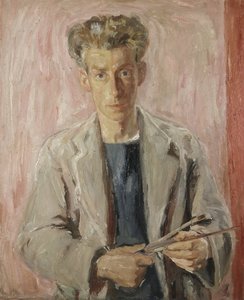
Sir William George Gillies
1898 - 1973 , Vereinigtes Königreich
Kurzinfos
- Artistic Movement Or Style: Kubismus
- Artists Or Movements Influenced By This Artist: ['Scottish Colourists']
- Artists Who Influenced This Artist:
- André Lhote
- Paul Klee
- Cézanne
- Braque
- Picasso
- Date Of Birth: 1898
- Full Name: Sir William George Gillies
- Nationality: Schottisch
- Notable Artworks:
- Young Boy with a Teapot
- Mediterranean Landscape mit Überdachung
- Stillleben – Gelbes Krug und gestreifte Leinwand
- Place Of Birth: Haddington, Vereinigtes Königreich
Ähnliche Artikel

Georges Braque: Die 25 Meisterwerke des Kubismus für Ihr Zuhause | ArtsDot
Entdecken Sie die 25 bedeutendsten Kunstwerke von Georges Braque – vom Kubismus bis zum Fauvismus. Erfahren Sie die Geschichten hinter den Meisterwerken und finden Sie hochwertige Reproduktionen für Ihr Zuhause auf ArtsDot.com.

Georges Seurat: Die 25 Meisterwerke des Pointillismus für Ihr Zuhause | ArtsDot
Entdecken Sie die 25 ikonischsten Meisterwerke von Georges Seurat! Tauchen Sie ein in die Welt des Pointillismus, der Farbtheorie und des Impressionismus. Hochwertige Kunst reproduzieren für Ihr Zuhause – jetzt auf ArtsDot.com!
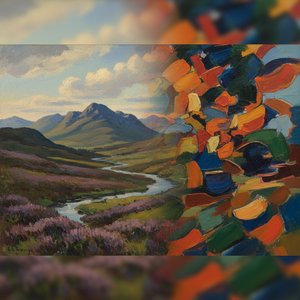
Sir William George Gillies: Ein schottischer Farbist und seine Reise durch Landschaft und Abstraktion
Entdecken Sie das faszinierende Werk von Sir William George Gillies! Erfahren Sie mehr über seine Entwicklung vom schottischen Realismus zur Abstraktion und die Bedeutung seiner Landschaftsmalerei für die moderne Kunst. Jetzt lesen!

Die schönsten Landschaftsbilder: 10 Meisterwerke für Ihr Zuhause | ArtsDot.com
Entdecken Sie die 10 schönsten Landschaftsbilder der Kunstgeschichte! Von Monet bis Van Gogh – erfahren Sie die Geschichten hinter Meisterwerken & finden Sie Inspiration für Ihr Zuhause. Hochwertige Kunstdrucke auf ArtsDot.com.

Romantische Landschaften: Die 10 Meisterwerke, die eine Epoche prägten | ArtsDot
Entdecken Sie die 10 Meisterwerke der Romantischen Landschaftsmalerei! Von Caspar David Friedrich bis Turner – erleben Sie die Kunst, Emotion & Natur. Hochwertige Reproduktionen auf ArtsDot.com